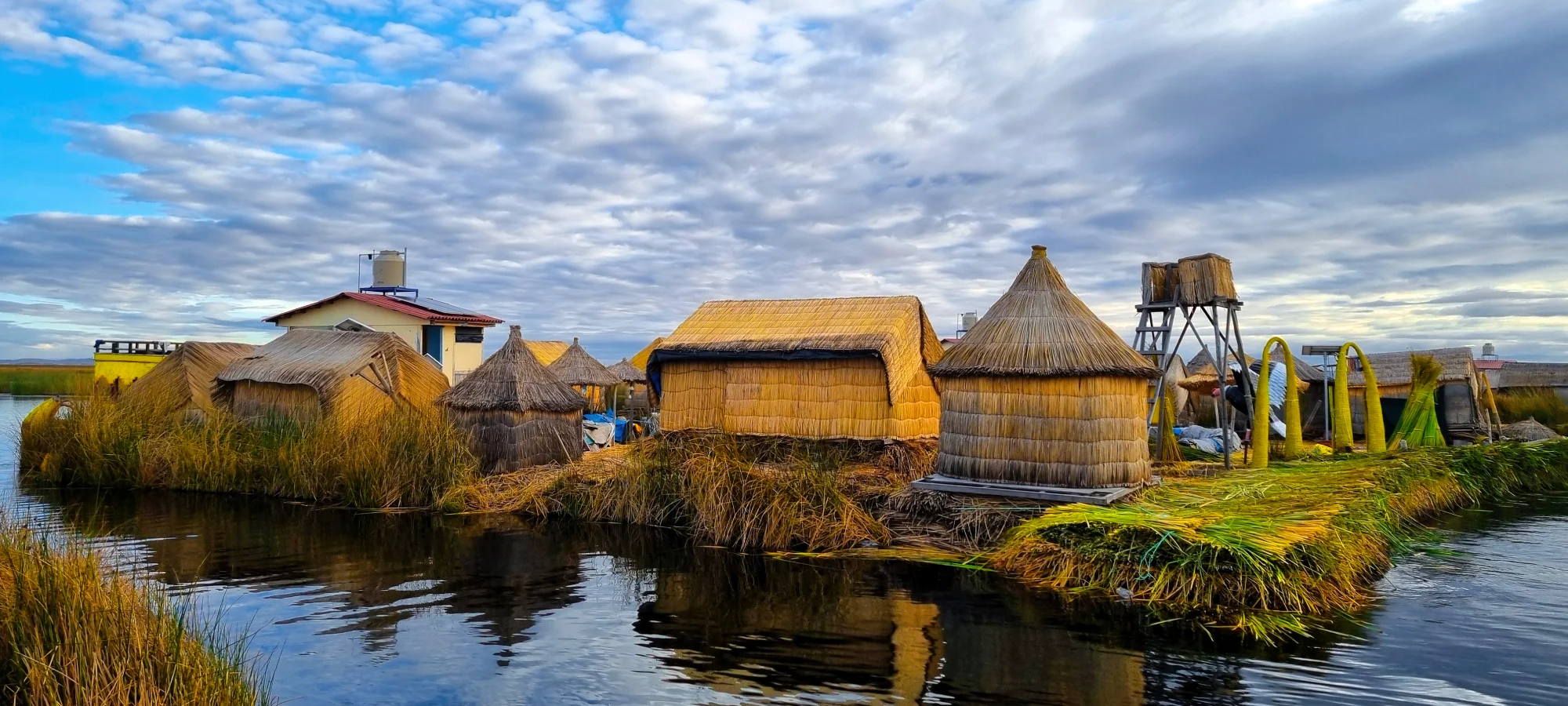
The Uros Islands Peru are one of the most unique cultural experiences on Lake Titicaca. Located near the city of Puno, these floating islands are made from totora reeds and show a way of life deeply connected to the lake, local traditions and community identity.
Visiting the Uros Islands is not just a boat ride. It is an opportunity to learn how families live on floating platforms, use totora reeds in daily life and preserve a cultural relationship with one of the most famous lakes in South America.
In this guide, you will learn what the Uros Islands are, how to visit them from Puno, what to expect during the tour and how to choose the best Lake Titicaca tours for your trip.
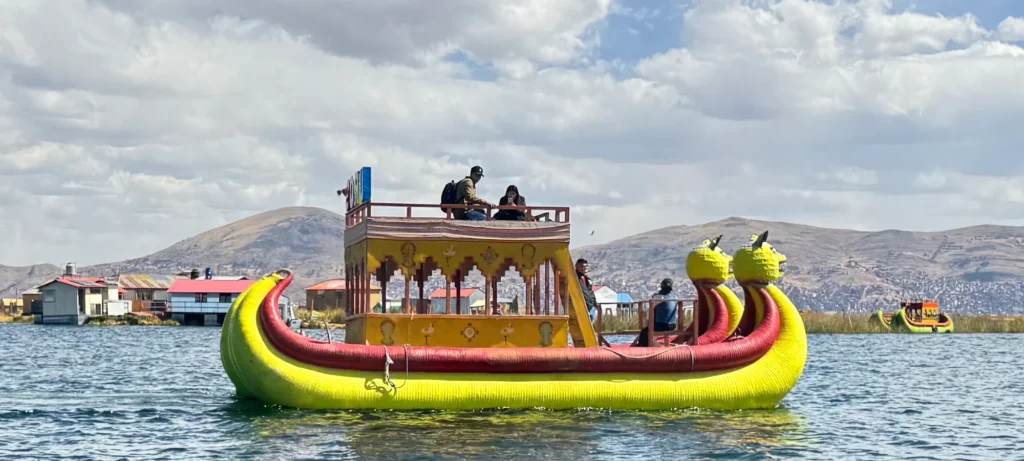
What Are the Uros Islands?
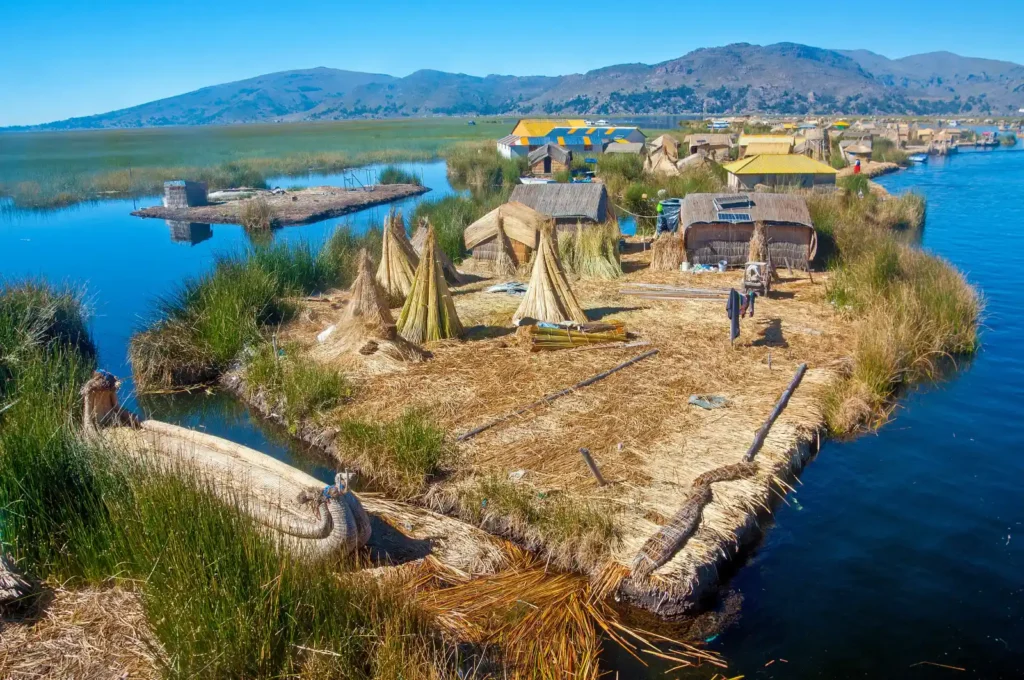
The Uros Islands are a group of floating islands on Lake Titicaca, close to Puno in southern Peru. They are built mainly with totora reeds, an aquatic plant that grows in the lake and is used to create the island floor, houses, boats and handicrafts.
What makes the floating islands of Uros so special is that they are not made of solid land. Their base is created with layers of roots and reeds, which need to be renewed regularly to keep the islands floating and stable.
Walking on the islands feels different from walking on normal ground. The surface is soft, flexible and slightly springy, giving visitors a clear sense of how unique this place is.
Uros Culture and Life on Lake Titicaca
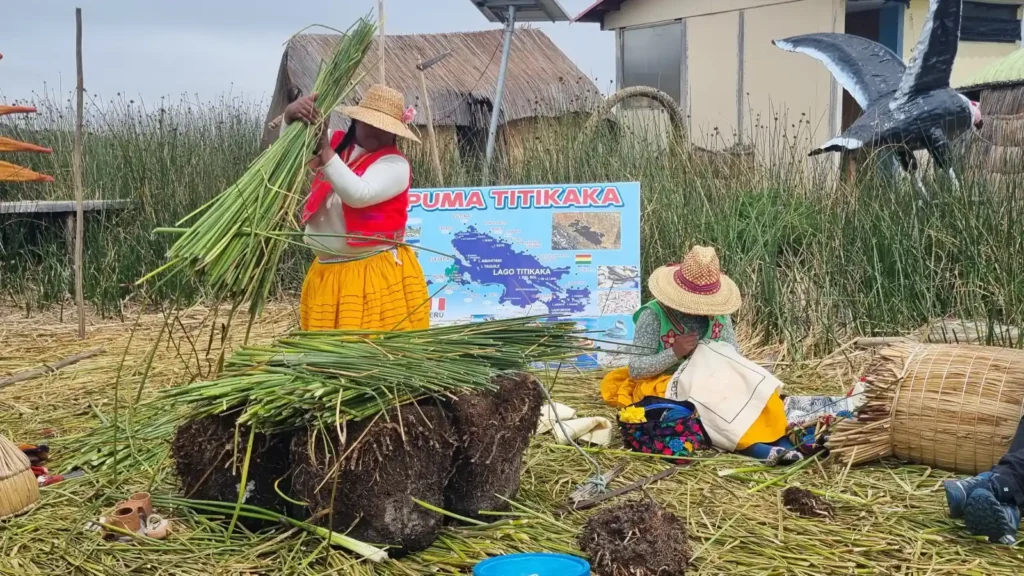
Uros culture is closely connected to Lake Titicaca and totora reeds. During the visit, local families usually explain how the islands are built, how the reeds are used and what daily life is like on the lake.
Totora is at the heart of this culture. It is used for construction, boats, crafts and practical daily needs. For the Uros people, the lake is not just a landscape. It is home, workplace, transport route and cultural memory.
During a well-guided visit, you may learn about:
- How the floating islands are built.
- How totora reeds are used.
- Traditional reed boats.
- Family life on the lake.
- Local handicrafts.
- The connection between the community and Lake Titicaca.
Beyond the classic photo, the Uros Islands invite travelers to see Lake Titicaca as a living cultural space.
Where Are the Uros Islands Located?
The Uros Islands are located on the Peruvian side of Lake Titicaca Peru, just a short boat ride from Puno. Because they are close to the city, they are one of the easiest cultural excursions to include in a Peru itinerary.
Most tours depart from the port of Puno. From there, a tourist boat navigates across the lake until reaching the floating islands. The journey is usually short, which makes the Uros Islands ideal for travelers with limited time.
This easy access is one of the reasons why the Uros Islands tour from Puno is one of the most popular experiences in the Lake Titicaca region.
How to Visit the Uros Islands from Puno
The most common way to visit the Uros Islands Peru is by taking a tour from Puno. These tours usually include transfer to the port, boat transportation, a visit to one or more floating islands and a cultural explanation by local residents.
It is also possible to arrange a boat directly at the port, but many travelers prefer an organized tour because it offers clearer schedules, guide assistance and smoother logistics.
A basic visit usually follows this route:
| Section | Experience |
|---|---|
| Puno | Transfer to the port |
| Puno Port | Boat ride on Lake Titicaca |
| Uros Islands | Cultural visit and local explanation |
| Lake Titicaca | Time for photos and optional reed boat ride |
| Puno | Return to the port |
A visit can take half a day if you only include Uros, or a full day if you combine Uros with Taquile Island.
Best Lake Titicaca Tours
There are different Lake Titicaca tours, depending on your time and the kind of experience you want. Some travelers prefer a short cultural visit, while others choose a full-day or overnight experience.
The most common options are:
- Half-day Uros Islands tour.
- Full-day Uros and Taquile tour.
- Two-day Uros, Amantani and Taquile tour.
- Community-based experience.
- Private Lake Titicaca tour.
If you have little time, the half-day Uros tour works very well. If you want a more complete experience, the Uros and Taquile tour is a great choice because it combines floating islands, lake landscapes, textile culture and local traditions.
For travelers who want deeper cultural contact, an overnight experience on Amantani can be a more meaningful option.
What to Expect During the Uros Islands Tour
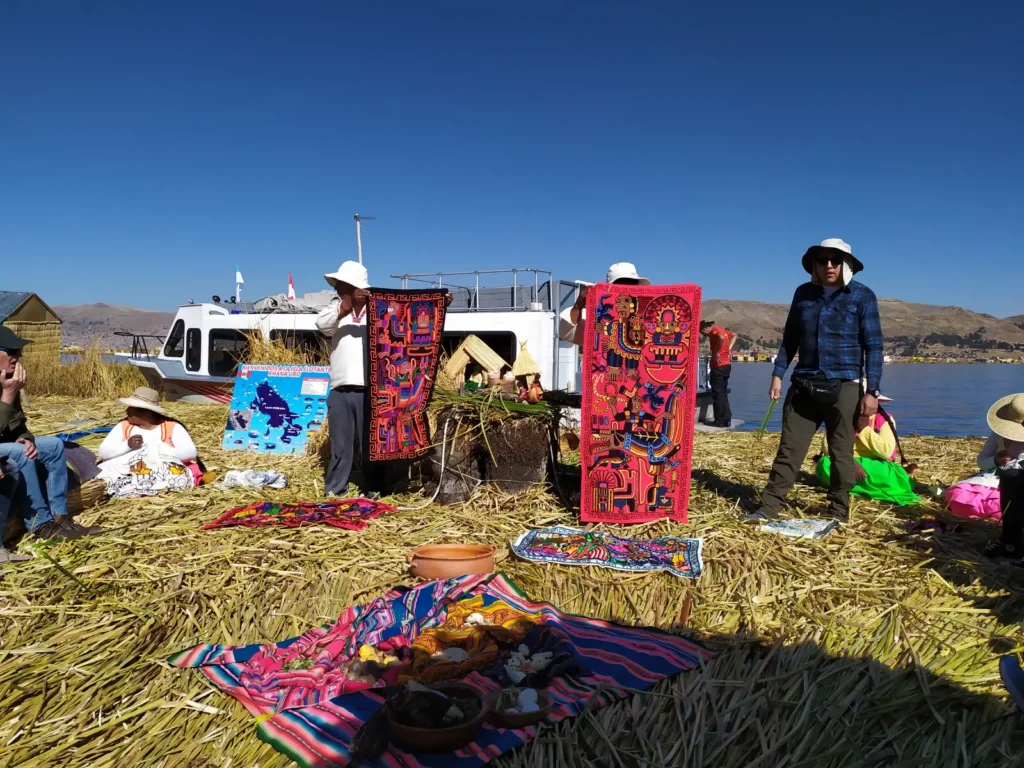
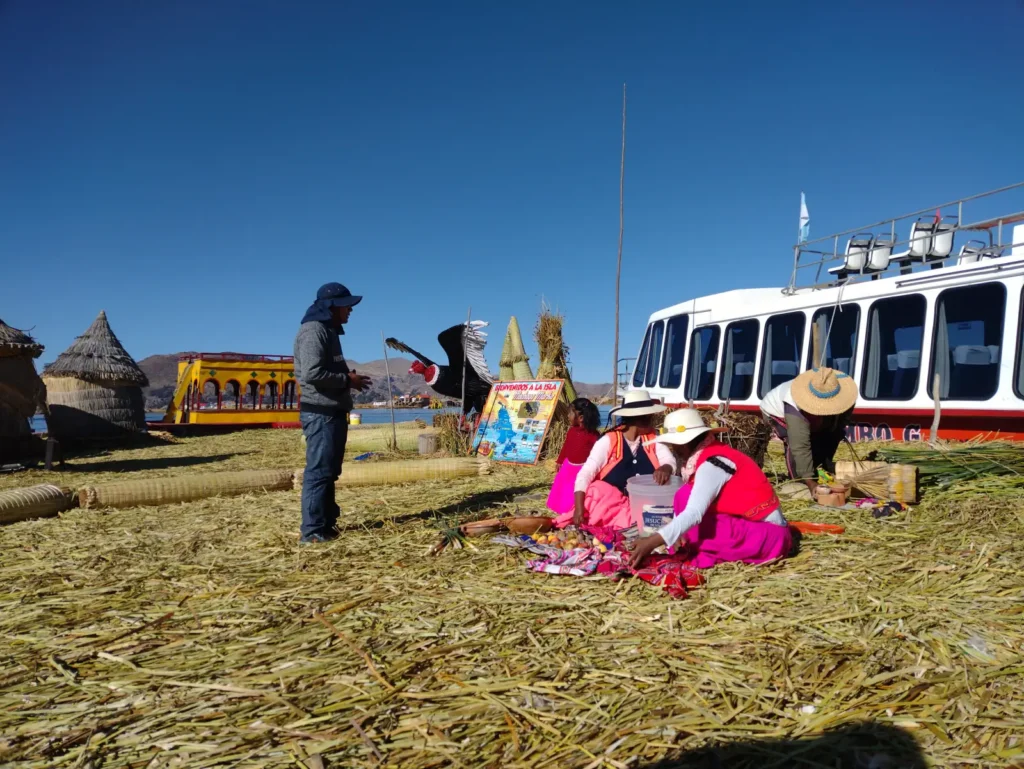
During the visit, travelers are usually welcomed by a local family or community group. The residents explain how the islands are made, how the totora reed is used and how people live on Lake Titicaca.
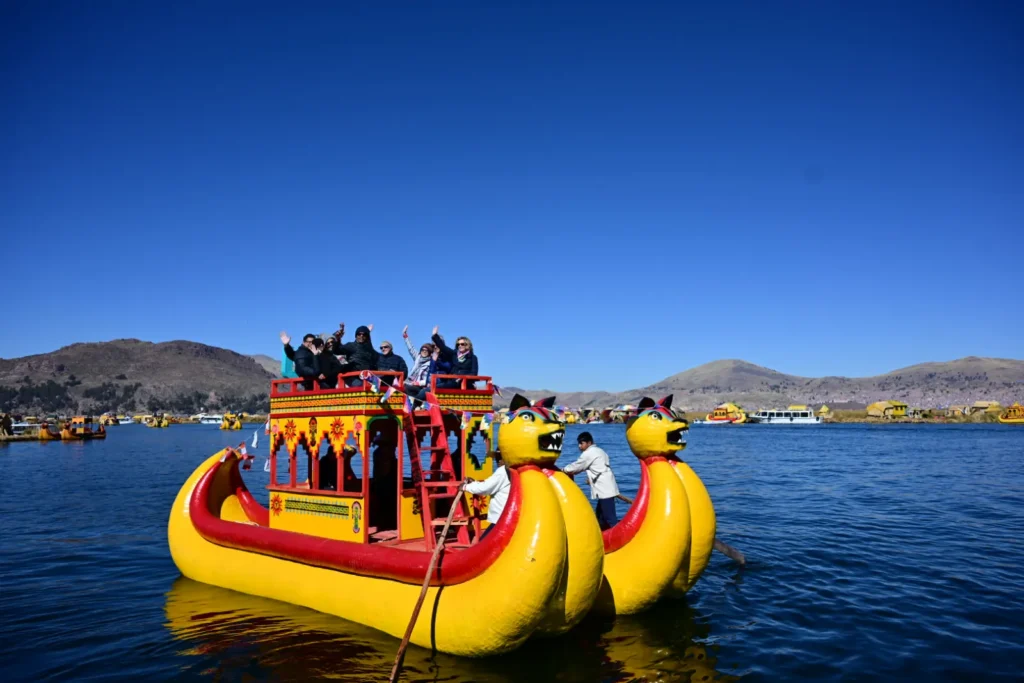
You may also see traditional houses, local handicrafts, reed boats and small family spaces. In some tours, there is an optional ride on a traditional totora boat, which allows you to see the islands from another angle.
Common activities include:
- Listening to the explanation about the floating islands.
- Walking on the totora reed surface.
- Visiting traditional homes.
- Seeing local handicrafts.
- Taking photos of Lake Titicaca.
- Taking an optional reed boat ride.
- Talking with local residents.
The experience is short but very visual and cultural, so it is best enjoyed with curiosity and respect.
How Much Time Do You Need?
If you only want to visit the Uros Islands, half a day is usually enough. Their location near Puno makes it possible to visit in the morning or afternoon and return to the city without difficulty.
If you want to explore more of Lake Titicaca, consider a full-day or two-day tour. Uros and Taquile in one day is one of the most popular combinations because it shows two very different cultural experiences on the same lake.
Recommended time:
| Available Time | Best Option |
| Half day | Uros Islands only |
| Full day | Uros and Taquile tour |
| 2 days | Uros, Amantani and Taquile |
| Cultural trip | Community-based experience |
If you want a more relaxed visit, choose a tour with a good guide and enough time at each stop.
Best Time to Visit the Uros Islands
The Uros Islands can be visited all year round. However, the months from May to October are often preferred because the weather in the Andean region is usually drier.
During this period, skies may be clearer and boat rides on Lake Titicaca can feel more pleasant. From November to April, there may be more rain, but the lake remains beautiful and the landscapes can look greener.
At any time of year, sun protection is important. Puno is located at high altitude, and the sun reflecting on the water can feel strong even on cool days.
What to Bring to the Uros Islands
The visit is not physically difficult, but it is helpful to be prepared. The weather in Puno can change during the day, and the high altitude can make the sun feel stronger.
Bring:
- Light jacket or windbreaker.
- Sunscreen.
- Sunglasses.
- Hat or cap.
- Water.
- Comfortable shoes.
- Cash.
- Camera or charged phone.
- Passport or valid ID.
Dressing in layers is a good idea. Mornings can feel cold, while midday sun can be intense.
Responsible Travel Tips
Visiting the Uros Islands means entering a living cultural space. These islands are not just a tourist setting; they are home to families who live and work on the lake.
To travel respectfully:
- Ask before taking close-up photos of people.
- Listen to local explanations.
- Avoid aggressive bargaining when buying handicrafts.
- Do not leave trash on the island or boat.
- Respect private spaces.
- Choose tours that work responsibly with local communities.
When done well, tourism can support local families and help preserve traditions. The key is to visit with respect, attention and curiosity.
Uros or Taquile: Which One Should You Choose?
Many travelers wonder whether they should visit only Uros or combine the trip with Taquile. The answer depends on how much time you have.
The Uros Islands are ideal for a short, visual and cultural experience near Puno. Taquile requires more time and offers a different kind of visit, with walking paths, wide lake views, textile traditions and a strong local identity.
Travelers with half a day can focus on the Uros Islands. A full-day tour is ideal for combining Uros and Taquile, while a two-day itinerary including Amantani offers a deeper cultural experience on Lake Titicaca.
Both experiences complement each other and show different ways of life around Lake Titicaca.
Conclusion
The Uros Islands Peru are an essential visit for travelers who want to experience Lake Titicaca from a cultural perspective. Built with totora reeds, these floating islands show a unique way of life shaped by water, tradition and community organization.
More than a quick excursion, the visit helps travelers understand Uros culture, the importance of totora reeds and the deep connection between local communities and Lake Titicaca.
Whether you visit on a half-day tour or as part of a longer Lake Titicaca itinerary, the Uros Islands offer a memorable and meaningful experience in southern Peru.
Frequently Asked Questions About the Uros Islands Peru
What are the Uros Islands?
The Uros Islands are floating islands made of totora reeds, located on Lake Titicaca near Puno, Peru.
Where are the Uros Islands?
They are located on the Peruvian side of Lake Titicaca, a short boat ride from the port of Puno.
How do you visit the Uros Islands from Puno?
The most common way is to take a tour from Puno, including port transfer, boat ride and a cultural visit to the floating islands.
How long is a Uros Islands tour?
A tour to the Uros Islands usually takes half a day. If combined with Taquile Island, it can take a full day.
What is the best time to visit the Uros Islands?
The Uros Islands can be visited all year round, although May to October usually offers drier weather in the Lake Titicaca region.
Are the Uros Islands worth visiting?
Yes. The Uros Islands are worth visiting if you want to learn about a unique floating lifestyle, local culture and the history of Lake Titicaca.