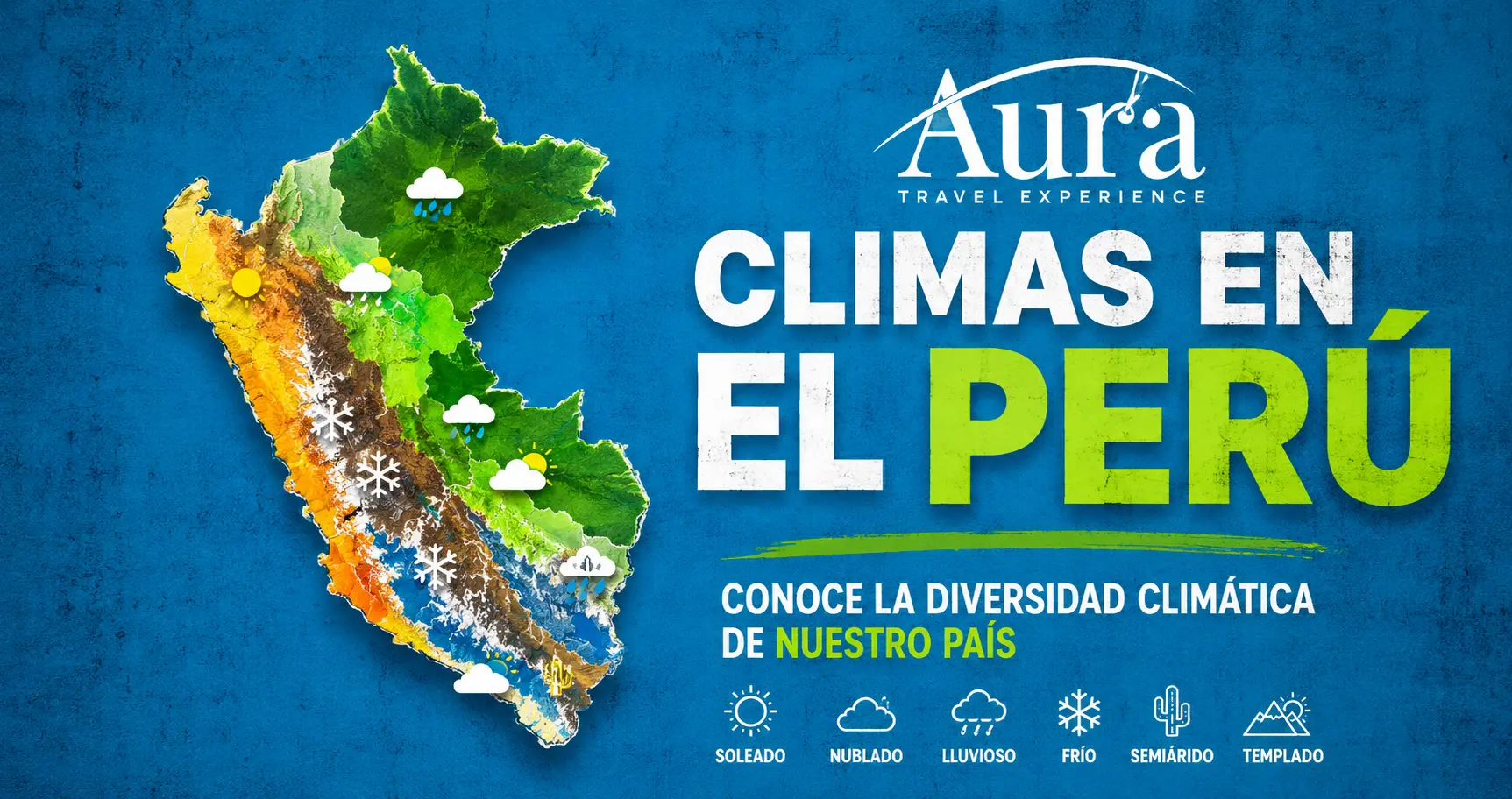
Understanding the weather in Peru by region is one of the most important parts of planning a well-balanced and comfortable trip.
Many travelers assume Peru has a single climate throughout the country. In reality, Peru changes dramatically from one region to another. Within the same journey, you can move from coastal deserts to the Andes and continue into the Amazon rainforest.
This diversity is part of what makes Peru such a remarkable destination. It also means that choosing the right season and understanding regional weather conditions can significantly improve your travel experience.
In this guide, you’ll discover how the climate works across Peru’s three main regions: the coast, the highlands, and the Amazon.
Peru’s Coast: Mild Weather and Relaxed Travel
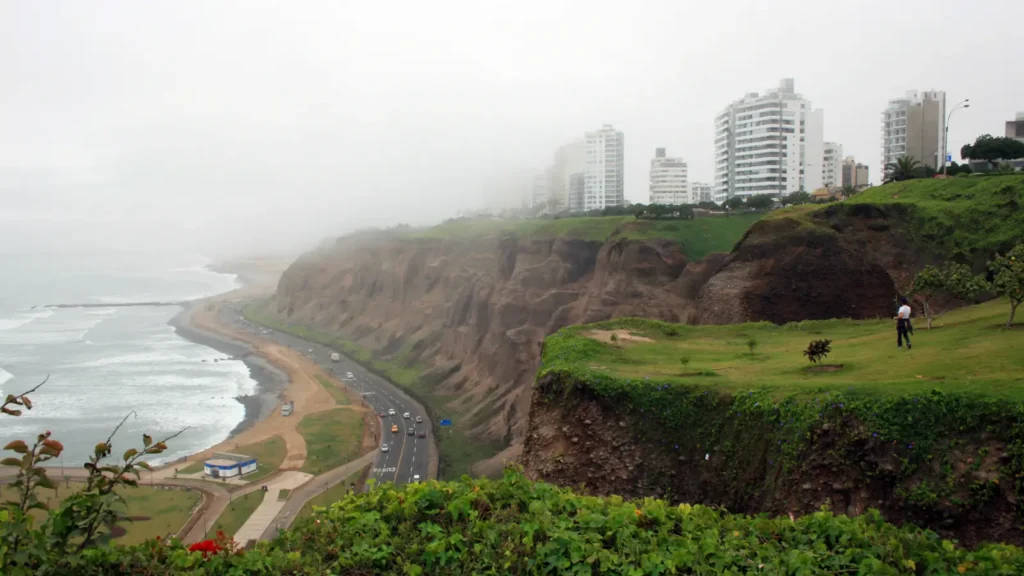
Peru’s Pacific coast is home to destinations such as Lima, Paracas, and Huacachina.
Unlike many tropical destinations in South America, much of coastal Peru remains dry for most of the year. Rainfall is limited, and temperatures are generally moderate.
From December to March, the coast experiences warmer and sunnier days, especially in Lima. During the cooler months, from May to September, the city becomes cloudier and more atmospheric due to the coastal mist locally known as “garúa.”
The Peruvian coast is especially attractive for travelers looking for:
- Mild temperatures throughout the year
- Gastronomy and cultural experiences
- Comfortable city travel
- Ocean views and desert landscapes
Many coastal destinations can be visited year-round without major weather concerns.
Peru’s Highlands: Distinct Seasons and Andean Landscapes
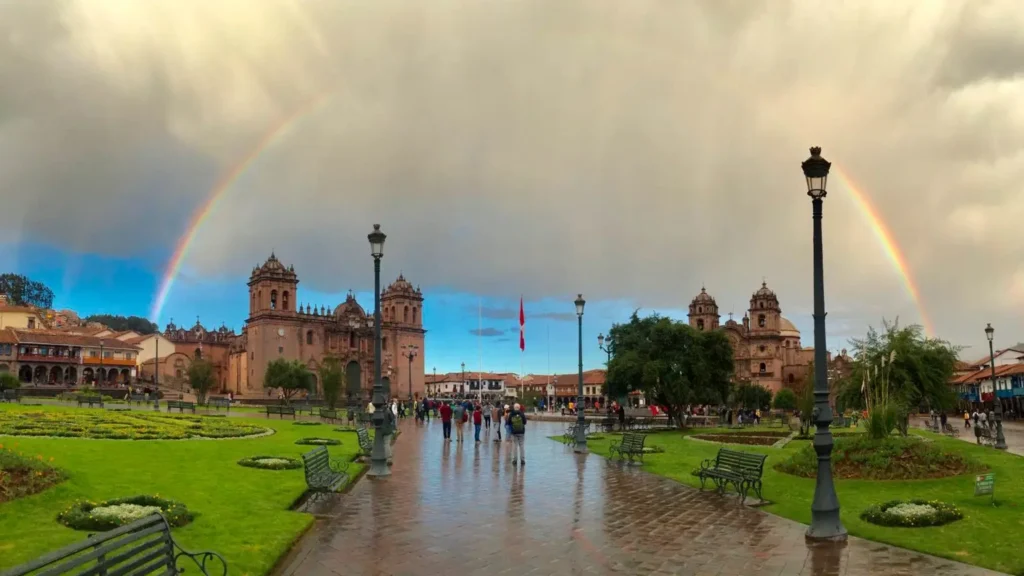
The Peruvian highlands include some of the country’s most iconic destinations, including Machu Picchu, Cusco, the Sacred Valley, and Lake Titicaca.
This region experiences two clearly defined seasons:
- Dry season
- Rainy season
The dry season in Peru, from May to October, is considered the best time to visit Machu Picchu and the Andes. Days are typically sunny, visibility is excellent, and travel conditions are more predictable.
During the rainy season, from November to April, the landscapes become greener and more dramatic. Although rainfall is more frequent, the region also feels calmer and less crowded.
The Andean region is ideal for travelers interested in:
- History and archaeology
- Scenic train journeys and cultural tours
- Hiking and trekking experiences
- Mountain landscapes and traditional villages
Because of the altitude, travelers should allow time to acclimate, especially in Cusco.
The Peruvian Amazon: Tropical Climate and Immersive Nature
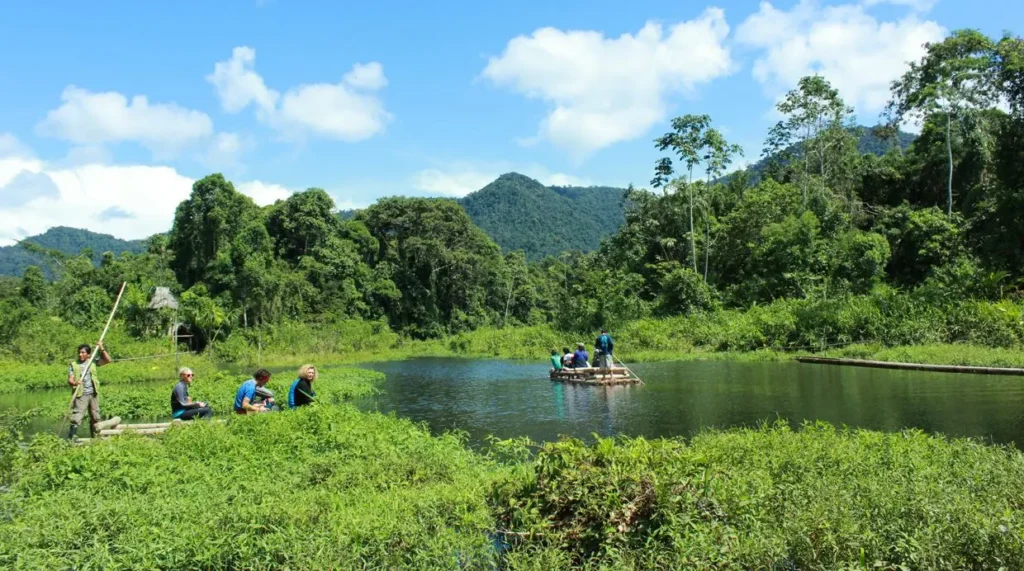
The Amazon region offers a completely different environment from the rest of Peru.
Cities such as Iquitos and Puerto Maldonado are gateways to one of the most biodiverse ecosystems on Earth.
The climate here is warm, humid, and tropical throughout the year. Rainfall is common, although some months are less intense than others.
Traveling in the Peruvian Amazon is less about perfect weather and more about embracing nature at its fullest. River levels, wildlife activity, and vegetation all shift with the seasons, creating different experiences depending on the time of year.
The Amazon is especially appealing for travelers seeking:
- Wildlife and nature experiences
- Luxury jungle lodges
- River expeditions
- Slower and more immersive travel
The driest months usually occur between May and September, though the Amazon can be visited year-round.
Three Regions, Three Completely Different Experiences
One of Peru’s greatest strengths as a destination is the ability to combine entirely different environments within a single itinerary.
Along the coast, travelers find comfort, gastronomy, and urban sophistication.
In the highlands, history, culture, and iconic landscapes shape the journey.
Deep in the Amazon, nature becomes the center of the experience.
This variety is why many international travelers choose multi-region itineraries that combine:
- Lima and the coast
- Cusco and the Andes
- The Peruvian Amazon
The result is a journey that feels far richer and more complete.
Which Region Is Best for Your Travel Style?
Each region suits a different type of traveler and travel experience.
Peru’s Coast
Best for:
- Food and cultural travel
- Relaxed city experiences
- Mild weather
- Luxury coastal escapes
Peru’s Highlands
Best for:
- History and archaeology
- Machu Picchu and the Sacred Valley
- Trekking and mountain scenery
- Classic Peru itineraries
The Peruvian Amazon
Best for:
- Nature and wildlife
- Jungle lodges and river cruises
- Slow travel experiences
- Adventure and exploration
Conclusion
Understanding the Peru climate by region makes it much easier to plan a trip that feels balanced, comfortable, and rewarding.
The coast, the Andes, and the Amazon are not simply different landscapes. They represent entirely different ways of experiencing Peru.
That diversity is one of the main reasons why traveling through Peru feels less like visiting a single country and more like exploring several worlds within one journey.