9 min read
98 vistas
Peru Amazon: Tambopata, Manu or Iquitos?
If you are wondering Peru Amazon: where to go, the honest answer depends on three things: how many...
Leer articuloIf you are planning your trip and wondering about the best time for the Peru Amazon, the short answer is May to October, during the dry season. But the full answer has some nuance, because the jungle can be enjoyed all year and each season offers something different: other wildlife on show, other landscapes and another way of getting around by water.
In this guide we explain how the climate works, what changes between the dry and rainy seasons, and which month to choose depending on what you want to see, so you know when to visit the Peruvian jungle with confidence.
The Peruvian Amazon has a humid tropical climate: warm temperatures all year, high humidity and frequent rain. Unlike the Andes, there are no four seasons here, but two well-defined periods: a dry season and a rainy season.
Some general figures on Peru Amazon weather, which vary by area and by year:
Region matters too. The south (Tambopata and Manu) and the north (Iquitos) follow similar patterns, but river levels and rainfall intensity do not match exactly. If you want to compare with other parts of the country, see our guide to Peru weather by region.
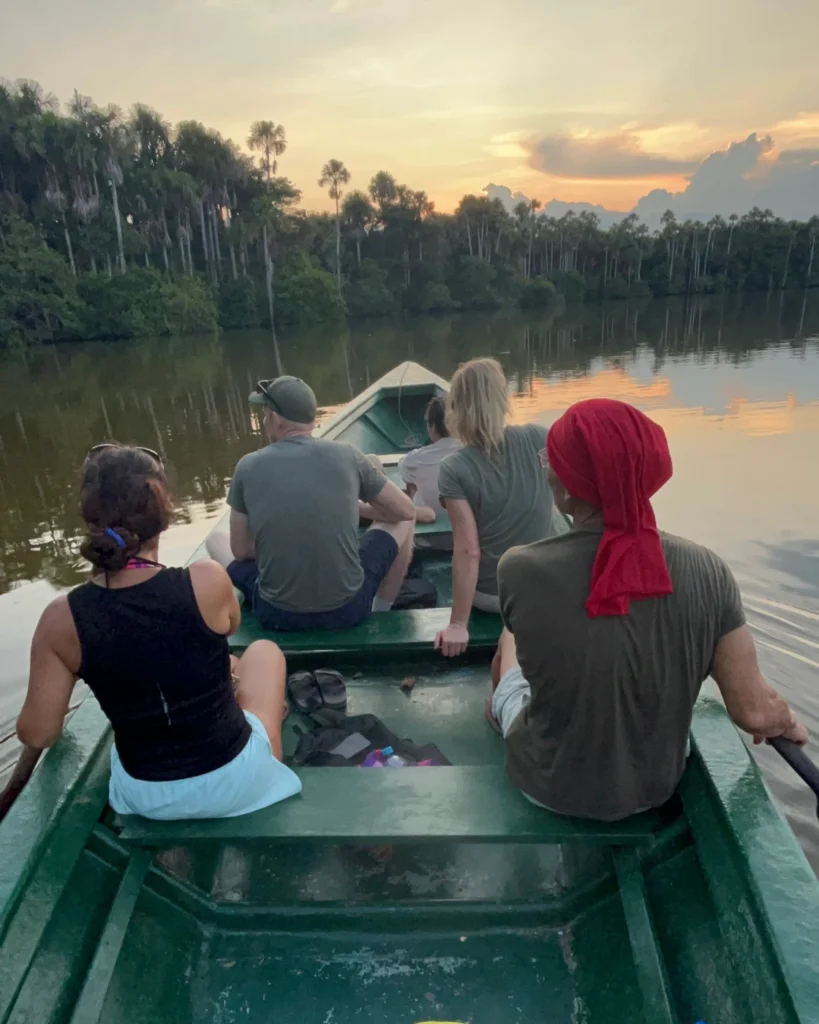
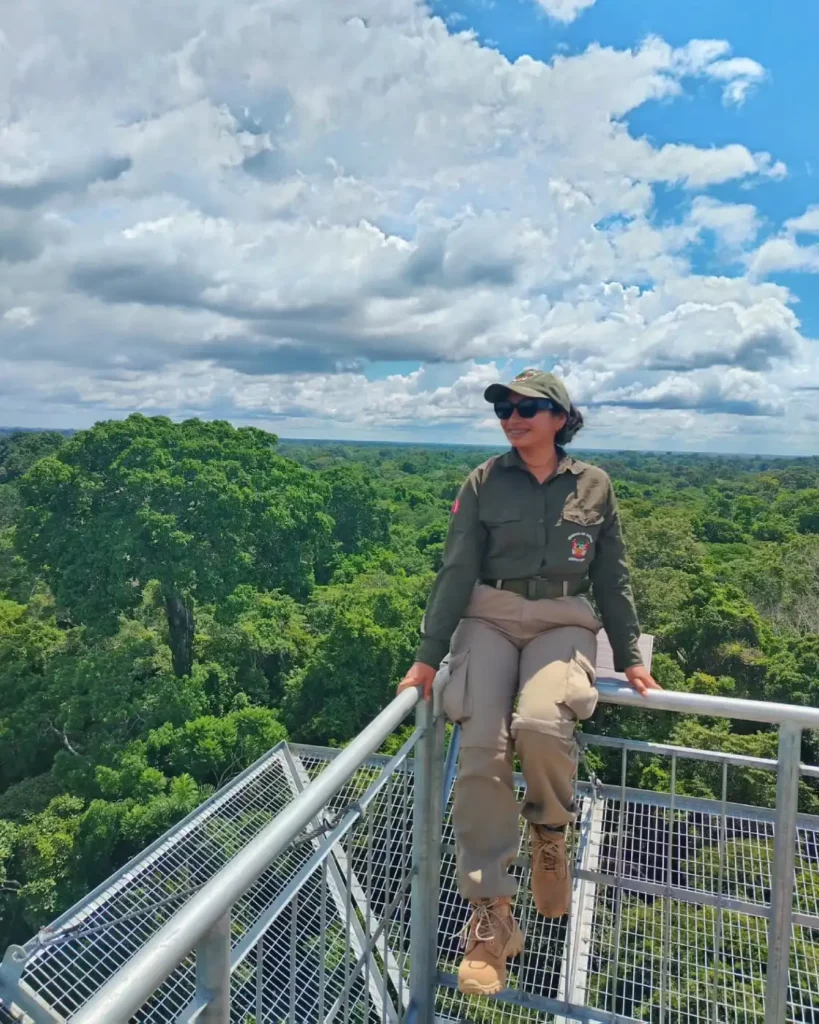
This is the most popular season, and for good reason. Rain decreases, trails are easier to walk and skies are usually clearer.
Advantages of the Amazon dry season:
Things to keep in mind:
If you want a short getaway in the middle of the dry season, our Lake Sandoval 3 days package is an easy way to combine jungle, guided walks and wildlife watching.
Many travelers rule out these months without a second thought, which is a mistake. The jungle in the rainy season is greener, denser and quieter, with fewer tourists and often better prices.
Advantages of traveling in the rains:
Things to keep in mind:
If your interest is the Tambopata rainy season, note that peak rainfall usually falls between January and March. Travel is still possible, with the right gear and realistic expectations.
Seasonality directly affects what you see and how you get around.
Wildlife in the dry season
Wildlife in the rainy season
River levels
Around Iquitos and in the north, river levels shape the experience very clearly. With high water (roughly December to May), cruises can venture into the flooded forest and sail among the trees. With low water (roughly August to October), beaches appear and there is more chance to walk areas that were previously underwater.
If you have not yet chosen your destination, read our comparison Amazon: Tambopata, Manu or Iquitos.
This table summarizes general conditions. Real conditions vary from year to year.
| Month | Weather | Notes |
|---|---|---|
| January | Very rainy | Green jungle, few tourists, high rivers |
| February | Very rainy | Peak rain in the south; possible access disruptions |
| March | Rainy | Still very humid; lush landscapes |
| April | Rain easing | Transition toward the dry season |
| May | Dry, occasional rain | Good time; fewer crowds, jungle still green |
| June | Dry | Possible cold snaps; good walking conditions |
| July | Dry | High season; possible cold snaps |
| August | Dry | High season; low rivers, many beaches |
| September | Dry and hot | Good sightings; rising heat |
| October | Dry, rains beginning | Transition; heat and first rains |
| November | Rains begin | Low season, fewer visitors |
| December | Rainy | Rivers rising; green surroundings |
The best month overall. If you want a balance of good weather, good wildlife and reasonable prices, May, June and September are usually the most recommended months: the jungle is still green or fully into the dry season, and it is less crowded than July and August.
If you want comfortable walking and more wildlife on the river: June to September.
If you prefer quiet and better rates: November to April, with patience and good rain gear.
If you want to sail through flooded forest near Iquitos: February to May.
If you are traveling with children or people sensitive to heat and insects: the early dry season, May and June, is usually the friendliest.
And remember: there is no bad time to visit the jungle, only a time better suited to what each traveler is looking for. What matters is choosing with good information and packing the right gear.
At Aura Travel Experience we help you choose the date, destination and length of your trip. You can browse our Peru packages, where we combine the jungle with Cusco, Machu Picchu and other destinations, or contact us to design an itinerary tailored to you.
También te puede interesar
If you are wondering Peru Amazon: where to go, the honest answer depends on three things: how many...
Leer articulo