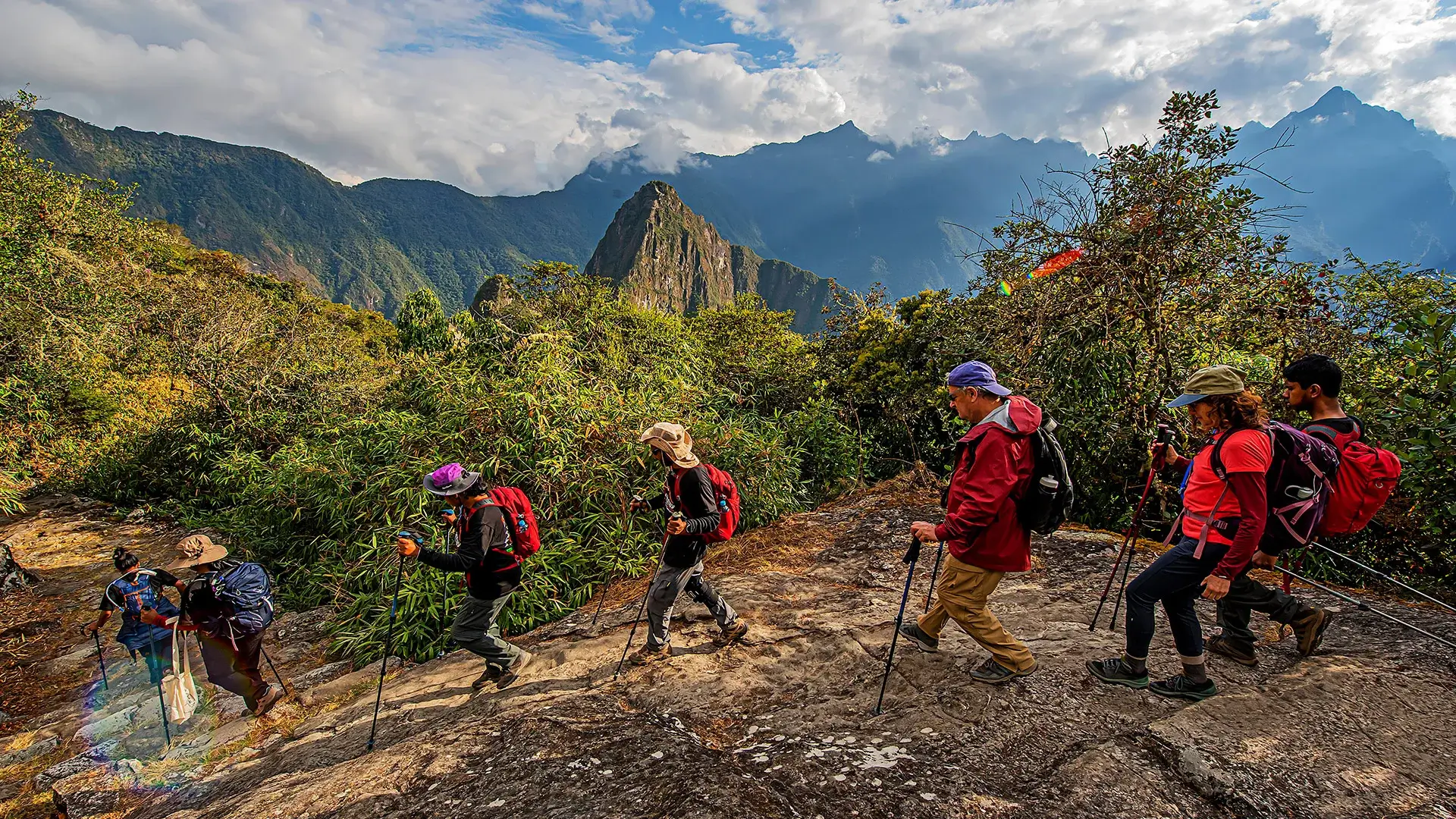
The Inca Trail to Machu Picchu is the most famous hike in South America and, for many, one of the best treks in the world. It isn’t just a path to the citadel: it’s the actual stone road the Incas built over 500 years ago, complete with tunnels, staircases and ruins you can only reach on foot. If you’re reading this, the Inca Trail is probably already on your bucket list.
At Aura Travel Experience we run this route year-round (except February, when it closes), so we wrote this guide to answer the real questions travelers ask us every week: how many days you need, how permits actually work, when to go, how hard it truly is, what it costs, and how to book without nasty surprises. Let’s take it step by step.
What is the Inca Trail?
The Inca Trail is a restored section of the Qhapaq Ñan, the vast road network that once linked the Inca Empire from Colombia to Chile. The stretch most people know runs roughly 43 km (26 miles) from Km 82 on the railway, near Ollantaytambo, all the way to Machu Picchu — entering through the Inti Punku, or Sun Gate.
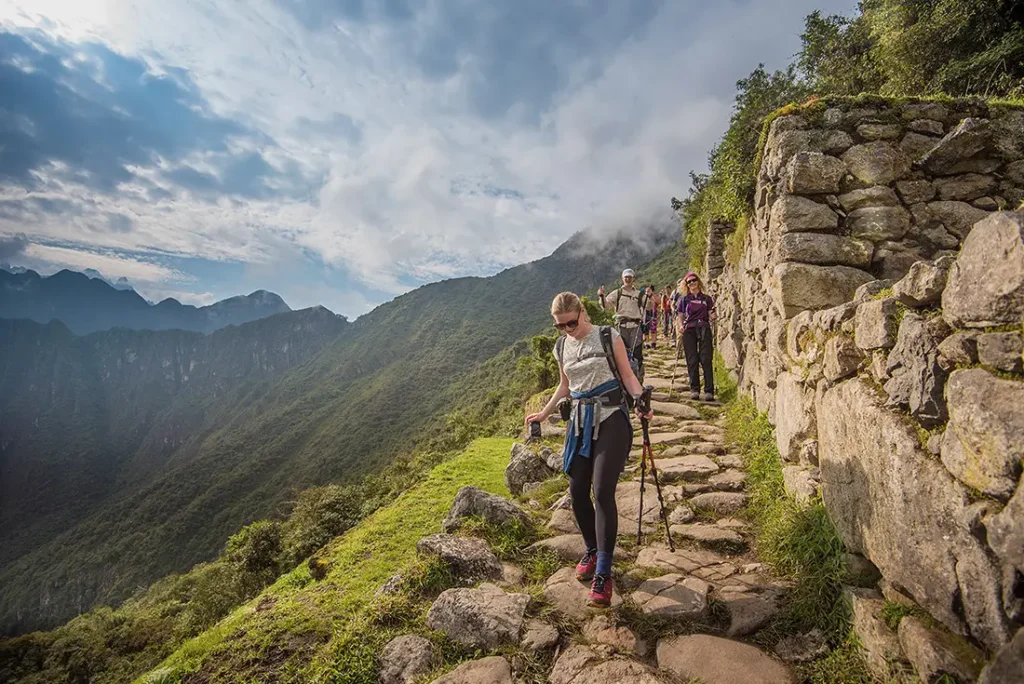
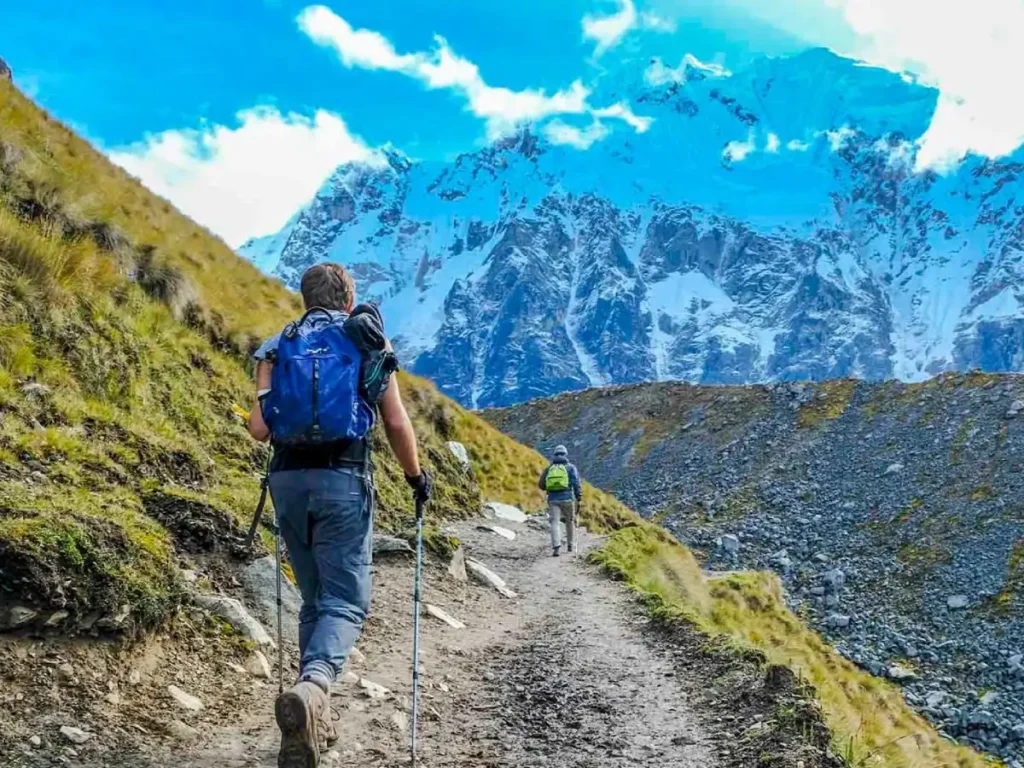
What makes this trek special isn’t the distance or the altitude. It’s what you walk through. In just a couple of days you go from dry valleys to cloud forest, cross three mountain passes, and visit Inca sites — Llactapata, Runkurakay, Sayacmarca, Phuyupatamarca, Wiñay Wayna — that you cannot reach any other way. It’s history and nature woven into a single trail.
The whole route sits inside a protected archaeological zone managed by Peru’s Ministry of Culture. That’s why you can’t hike it independently: the law requires an authorized agency, an official guide, and a permit in your name. We’ll cover exactly how that works below.
One thing worth clearing up early: the Inca Trail and Machu Picchu are not the same thing. The trek is the path; the citadel is the destination. You can visit Machu Picchu without hiking (by train), but you can’t do the classic Inca Trail without finishing at Machu Picchu. For context on the wider region, our Cusco travel guide and our overview of the Sacred Valley are good companions to this page.
Routes and durations
Everyone says “the Inca Trail” as if it were one hike, but there are actually several versions depending on how many days you want to walk and where you join the trail. Choosing the right one is your first real decision, because it shapes your permit, your difficulty level, and your cost.
Classic Inca Trail (4 days)
This is the flagship route and the one most people picture. The Inca Trail 4 days covers the full 43 km over four days and three nights of camping, starting at Km 82 and reaching Machu Picchu at sunrise on day four.
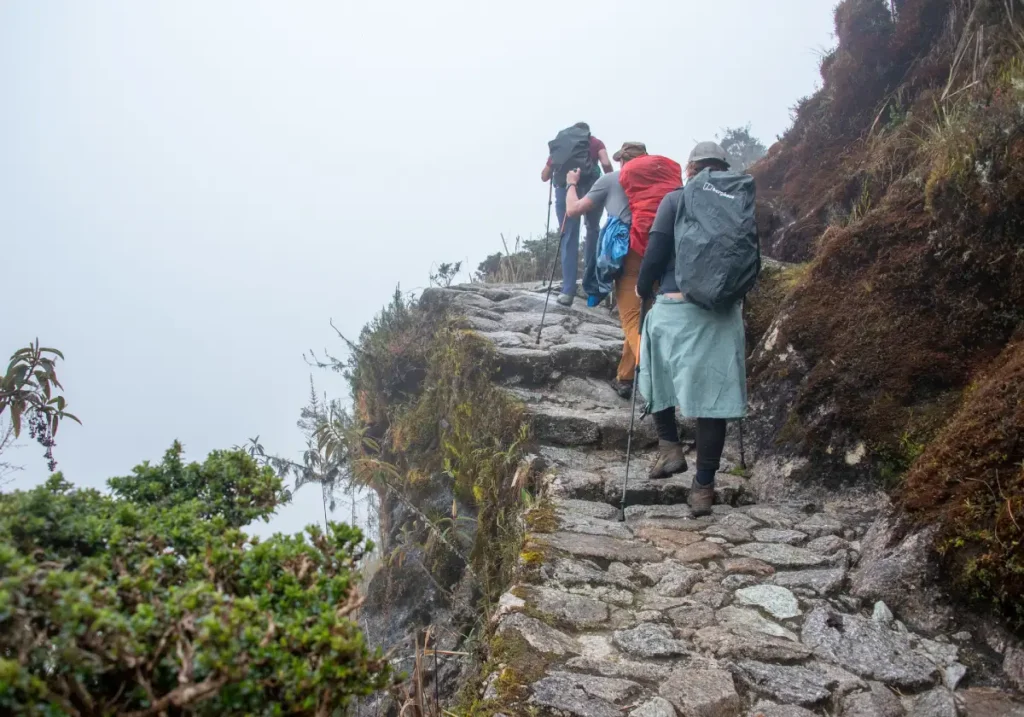
The high point is Dead Woman’s Pass (Warmiwañusca) at about 4,215 m (13,780 ft), crossed on day two. It’s the toughest stretch — and the most memorable. Days three and four are a spectacular descent through cloud forest and ruins, ending with that unforgettable arrival through the Sun Gate.
This version requires the limited Inca Trail permit, sells out months ahead, and is the one we most recommend if you’re reasonably fit and want the full experience.
Short Inca Trail (2 days)
The short Inca Trail 2 days is the ideal alternative if you’re short on time or would rather not camp. It starts at Km 104, climbs from Chachabamba to Wiñay Wayna — one of the loveliest ruins on the whole trail — and reaches Machu Picchu through the Sun Gate that same day.
You spend the first night in a hotel in Aguas Calientes rather than a tent, then explore Machu Picchu at a relaxed pace the next morning. It still needs a permit, though the quota is separate from the classic route. It’s a great fit if you want the essence of the Inca Trail without the four full days.
Inca Trail in 1 day
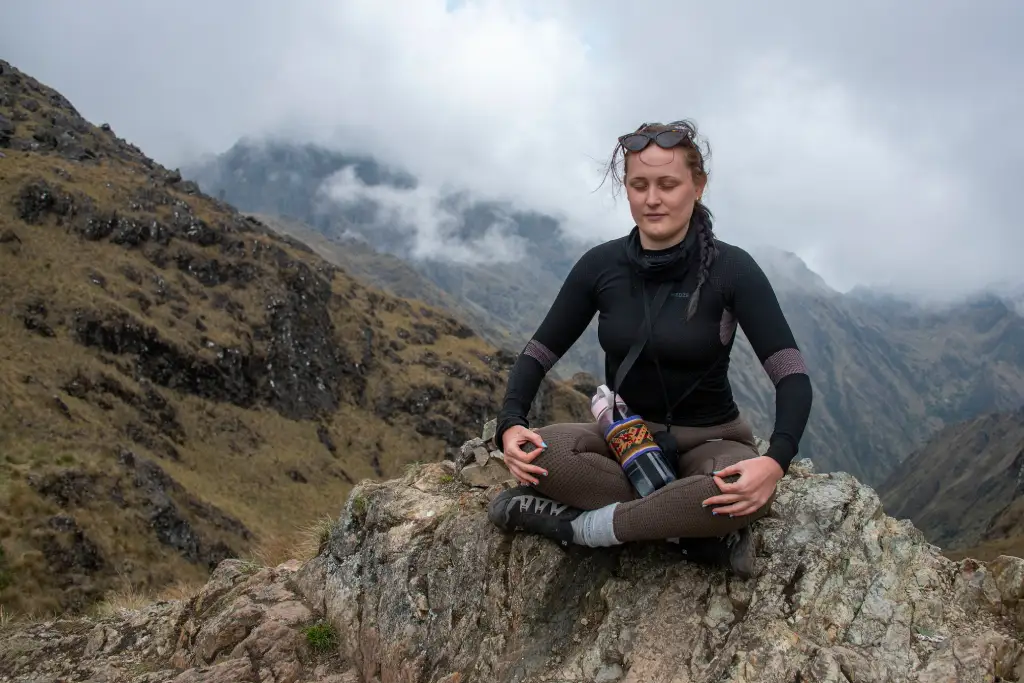
The one-day Inca Trail is the lightest version: the same stretch from Km 104 to the Sun Gate, but with no overnight on the trail. You hike in, reach Machu Picchu, and head back the same day by train.
It’s an excellent option for travelers on a tight schedule who still want to walk the original road and see Machu Picchu the way the Incas did — from above, emerging between the peaks.
3-day Inca Trail via the Sacred Valley
The 3-day Inca Trail via the Sacred Valley blends two experiences: a couple of days exploring the Sacred Valley — Pisac, Ollantaytambo, Moray — followed by the short section of the Inca Trail to Machu Picchu. It’s a gentler, more cultural build-up, with good acclimatization before you reach the citadel.
Lares + short Inca Trail
For travelers who want more days on foot but can’t get a classic permit, the Lares and short Inca Trail combination is a gem. It pairs the Lares trek — Andean landscapes, alpine lakes, and weaving communities that rarely see tourists — with the final stretch of the Inca Trail to the Sun Gate. You get high mountains, living culture, and the epic finish, all in four days.
Not sure which route fits you? Tell us how many days you have and your fitness level, and we’ll recommend the best option — no obligation.
Talk to a specialist See the 4-day Inca Trail
Inca Trail permits and availability
This is, without exaggeration, the single most important part of planning. Before you book flights, hotels or trains, the real question is just one: are there permits left for your date? No permit, no Inca Trail. It’s that simple.
Peru’s Ministry of Culture issues 500 permits per day for the classic Inca Trail. Of those, only around 200 go to trekkers; the rest are split among guides, cooks and porters, who each need their own permit too. In practice, far fewer travelers start the trail each day than most people assume.
Inca Trail permits come with three rules worth memorizing:
- They’re tied to your passport number. There are no family or transferable permits, and every person (children included) takes a slot.
- They can only be purchased by an authorized agency on your behalf. They aren’t sold online or independently.
- They’re non-refundable and can’t be moved to another date — which is exactly why booking with confidence matters.
Availability for 2026 was released in late 2025, and for the busiest months — May through August — the most popular dates start selling out many months ahead. Our honest advice: book 5 to 8 months in advance for high season, and at least 3 to 4 months for shoulder season.
Two more things to know. The Inca Trail closes for all of February for trail maintenance, and from 2026 the Machu Picchu entry is billed separately to agencies — a change that nudged prices up this year.
If your exact date is already full, there’s almost always a way forward: shift your trip by a day or two, switch to a shorter version, or move to an alternative route like Salkantay or Lares, which don’t depend on this limited quota. We break down the full picture — release calendar, how to check availability, and what to do if it sells out — in our dedicated guide to Inca Trail permits and availability.
Permits go fast. Send us your target date and we’ll check real Inca Trail availability for you — today.
Check availability Book the 4-day Inca Trail
Best time to hike the Inca Trail
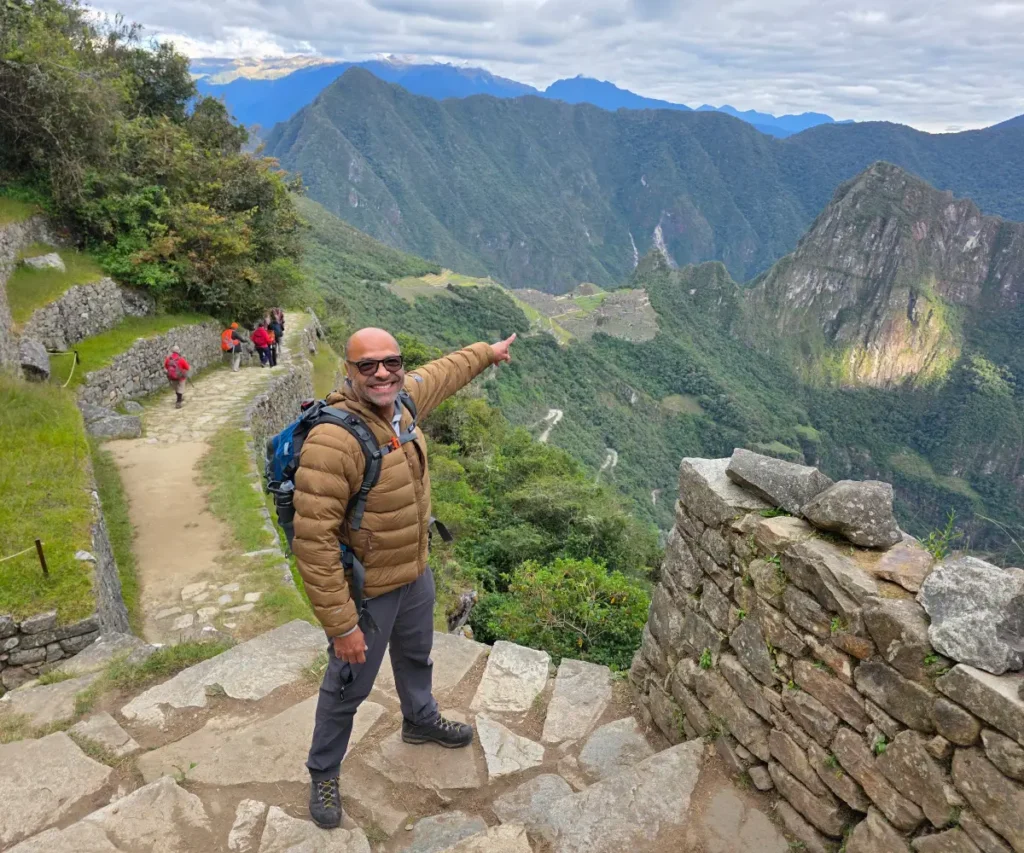
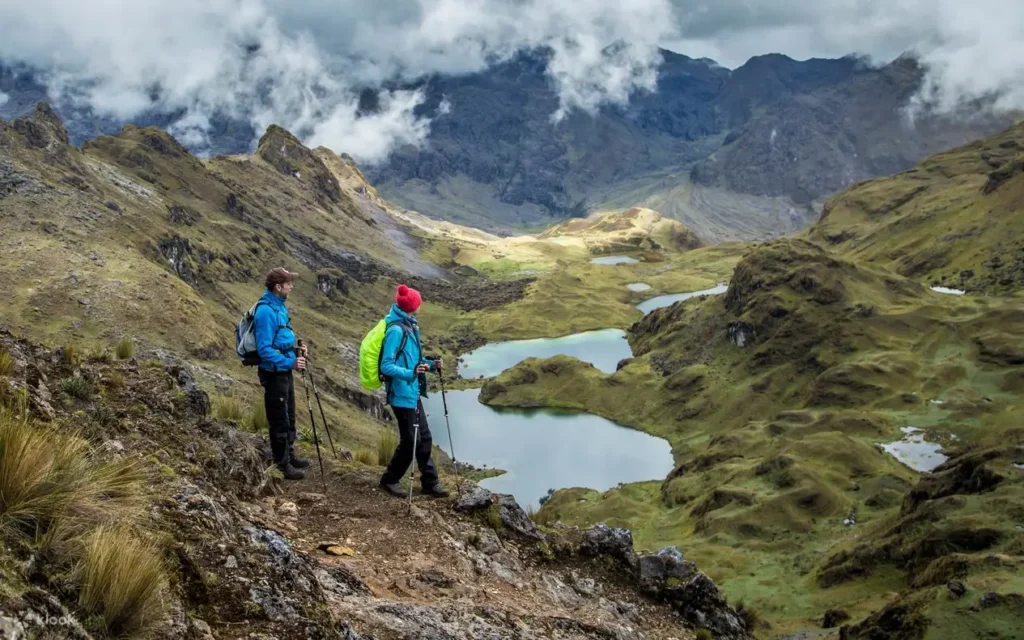
Weather runs the show on this trek. Peru’s southern highlands have two clear seasons, and the difference between them shows up plainly on the trail.
Dry season (April to October) is the best time and the most popular. Days are sunny, paths are firm, and mountain views are crisp. The trade-off: nights are cold — it can drop below freezing at the high camps — and there are more people. June, July and August are the busiest, so permits sell out earliest.
Rainy season (November to March) brings lush green scenery and fewer hikers, but also mud, slippery steps, and a daily chance of rain. Remember that February is closed, so January and March are the wet-season months that remain open.
The shoulder months — April, May, September and October — are often the sweet spot: good weather, slightly thinner crowds, and easier permit availability. If your calendar is flexible, aim there. For a deeper look, see our comparison of the dry and rainy season in Peru and our detailed guide to the best time to hike the Inca Trail.
Difficulty: how hard is the Inca Trail, really?
Let’s be honest, because this is the question we get most. The classic Inca Trail is moderate to challenging. It isn’t technical — you don’t need to climb or use special gear — but it does demand solid stamina and legs used to climbing stairs. A lot of stairs.
The real challenge isn’t the daily distance; it’s the mix of altitude and elevation gain. On day two you climb to the 4,215 m Dead Woman’s Pass and then descend on uneven stone steps, which taxes your knees as much as your lungs.
The good news: you don’t need to be an athlete. Every year it’s completed by people of all ages, including travelers well into their sixties, who arrive well-prepared and acclimatized. Porters carry the heavy gear — you only carry a daypack with the essentials.
If pace worries you, the shorter versions (1, 2 or 3 days) are far gentler and still let you experience the trail without the classic route’s long days.
Training and preparation
You don’t need a months-long training plan, but arriving fit is the difference between suffering and savoring it. Ideally, start about 6 to 8 weeks out.
Focus on three things: cardio (walking, jogging, cycling or swimming several times a week), legs (climbing and descending stairs or hills, squats), and, if you can, long practice hikes with the pack you’ll actually carry, to break in your back and feet.
Break in your boots before the trip — never on the trail. New boots are the number-one cause of blisters, and blisters on day two can wreck the experience. Wear them on several walks first so they mold to your feet.
And a mental note: the Inca Trail is more enjoyable when you take it slowly. It’s not a race. Walking at your own pace, staying hydrated, and breathing deeply on the climbs beats any gym session. For a structured plan, see our guide on how to train for the Inca Trail.
Altitude and acclimatization
This point matters as much as permits, because the Inca Trail’s quiet enemy isn’t fatigue — it’s altitude. Cusco sits at around 3,400 m (11,150 ft), higher than the top pass of many treks worldwide, and arriving straight from sea level without adjusting is a recipe for a rough start.
The golden rule is simple: get to Cusco 2 to 3 days before you start hiking. That time lets your body produce more red blood cells and adapt to the thinner air. Don’t start the trek the day after you land.
During those days, take it easy: walk slowly, drink plenty of water, eat light, avoid alcohol for the first nights, and try the classic coca tea. Many travelers also use preventive medication — worth discussing with your doctor before the trip.
If you get a headache, mild nausea or fatigue on arrival, it’s usually normal and passes. We cover prevention and what to do, step by step, in our guide to altitude sickness in Cusco.
What to pack for the Inca Trail
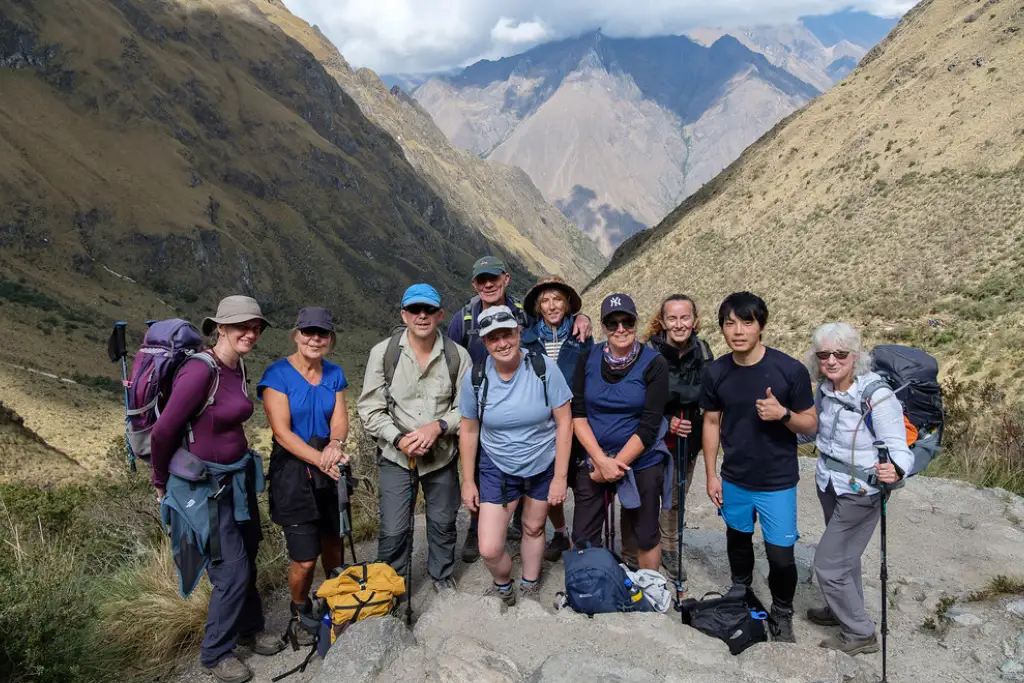
The heavy gear (tents, food, your sleeping bag) is carried by porters. You only carry a daypack. Even so, a few things can’t be missing:
- Layers: cold at dawn, warm at midday. Technical tees, a fleece, and a waterproof jacket.
- Broken-in hiking boots, plus sandals or light shoes for camp.
- Rain gear, essential even in dry season; mountain weather is unpredictable.
- Sun protection: hat, sunglasses and sunscreen — high-altitude sun is fierce.
- Insect repellent for the cloud forest.
- Trekking poles with rubber tips (required, to protect the stone path).
- Headlamp, reusable water bottle, toilet paper, and a small bag for your trash.
- Documents: your original passport — the same one used for the permit. Without it, you won’t be allowed in.
Keep in mind the Machu Picchu entry also requires a passport and has its own circuit and time-slot rules; it’s worth reviewing how the Machu Picchu ticket works before you travel. For the full kit, see our what to pack for the Inca Trail checklist.
How much does the Inca Trail cost?
The Inca Trail cost varies by version, group size and service level, but here are realistic reference ranges (exact figures change each season and by operator, so confirm when you book).
- Classic 4-day Inca Trail: typically USD 700–1,300 per person on a group service, depending on operator and inclusions.
- Short 2-day Inca Trail: roughly USD 470–750, depending on whether you sleep in a hotel or camp.
- 1-day versions: the most affordable, since there’s no overnight on the trail.
Why the price spread? Mostly operator quality, how porters are treated, group size, camping equipment, and whether the service is shared or private. Be wary of prices that look too cheap: they usually mean large groups, underpaid porters, or low-quality gear.
A key 2026 note: the Machu Picchu entry is now charged separately to agencies, which pushed costs slightly higher than in previous years. It’s a regulatory change, not an operator markup.
In almost all cases the price already includes the permit, the Machu Picchu entry, an official guide, porters, camping, meals, and the return train. Always ask for a clear breakdown of what’s in and what’s out. We go deeper into the numbers in our guide on how much the Inca Trail costs.
Inca Trail vs other options
Two comparisons we field constantly. Here’s the honest version.
Inca Trail vs train
If your priority is seeing Machu Picchu without hiking for days — due to time, health or preference — the train is comfortable, fast, and doesn’t depend on scarce permits. If you’re after the adventure, the hidden ruins, and arriving through the Sun Gate, nothing beats the trek. There’s no universally “better” option; there’s the right one for you. We lay it all out in Inca Trail vs train, and explain the rail option itself in how to get to Machu Picchu by train.
Inca Trail vs Salkantay
The Salkantay is wilder, higher, and set among stunning high-mountain landscapes; it also doesn’t need the Inca Trail’s limited permit, so it’s far more flexible to book. The Inca Trail, in turn, is more historical and ends by walking straight into the citadel. If the classic route is sold out for your dates, Salkantay is the best alternative. Compare them in detail in Salkantay vs Inca Trail, or read the full Salkantay guide.
What’s included with Aura Travel
When you book with us, your Inca Trail package covers the essentials so you can focus on walking and enjoying:
- Inca Trail permit processed in your name, plus the Machu Picchu entry.
- An official, bilingual guide who knows the route and its history inside out.
- A porter team treated with fair working conditions.
- Transport from Cusco to the trailhead and the return train from Aguas Calientes.
- Full camping setup, sleeping mats, and meals prepared by our trail chef.
- Pre-trek briefing, first-aid kit, emergency oxygen, and round-the-clock support.
- Small groups for a more personal experience.
We offer both group and private departures, and we’ll tailor the trip if you’re traveling with family, as a couple, or want to add days in the Sacred Valley.
How to book the Inca Trail
Many travelers ask us how to hike the Inca Trail, step by step. It’s simpler than it looks:
- Choose your date and route. Decide how many days you want to walk and which version suits your time and fitness.
- Check the permit. Send us your tentative date and we’ll confirm whether there’s availability.
- Book early. Once confirmed, we process the permit in your name using your passport details. This is the step that locks in your spot.
- Prepare. We send you the packing list, acclimatization tips, and the pre-trek briefing.
- Walk. We handle the logistics; you enjoy the trail.
The one step you can’t postpone is the second: the permit. The sooner you lock it in, the better your odds of getting your ideal date — especially in high season.
Start your Inca Trail today. Tell us your dates and we’ll make it happen: we check the quota, process your permit, and guide you every step of the way.
Book now See the 4-day Inca Trail
Frequently asked questions about the Inca Trail
Can I do the Inca Trail without an agency?
No. Independent hiking isn’t allowed on the Inca Trail. By law you must go with an authorized agency, an official guide, and a permit tied to your passport. The permit itself can only be purchased through a licensed operator on your behalf.
How far ahead should I book the Inca Trail?
For high season (May to August) we recommend booking 5 to 8 months ahead, as the best dates sell out fast. In shoulder season, 3 to 4 months is usually enough. In the rainy season there’s more flexibility.
What if the Inca Trail is sold out for my dates?
There’s usually a workaround: shift your trip by a day or two, choose a shorter version, or switch to an alternative route like Salkantay or Lares, which don’t depend on the Inca Trail quota and are much more flexible to book.
Is the Inca Trail very hard?
It’s moderate to challenging. It isn’t technical, but it involves long climbs on stone steps and crosses a pass above 4,200 m. With good physical preparation and proper acclimatization, travelers of nearly all ages complete it.
When does the Inca Trail close?
The classic Inca Trail closes for all of February for trail maintenance. Departures run the rest of the year, though availability always depends on the daily permit quota.
Does the price include the Machu Picchu ticket?
Yes. With a full Inca Trail package the Machu Picchu entry is included, along with the permit, guide, porters, meals and the return train. From 2026 the entry is billed separately to agencies, which is reflected in the total price.
What are the porter weight limits?
Porters are protected by regulation and carry a limited load, so heavy communal gear is shared among the team. You carry only a daypack; if you’d like help with your personal bag, you can add an extra porter with a capped weight allowance.