7 min read
73 vistas
Inca Trail in August
August wraps up the busiest quarter of the year for the Inca Trail, alongside June and July. It’s...
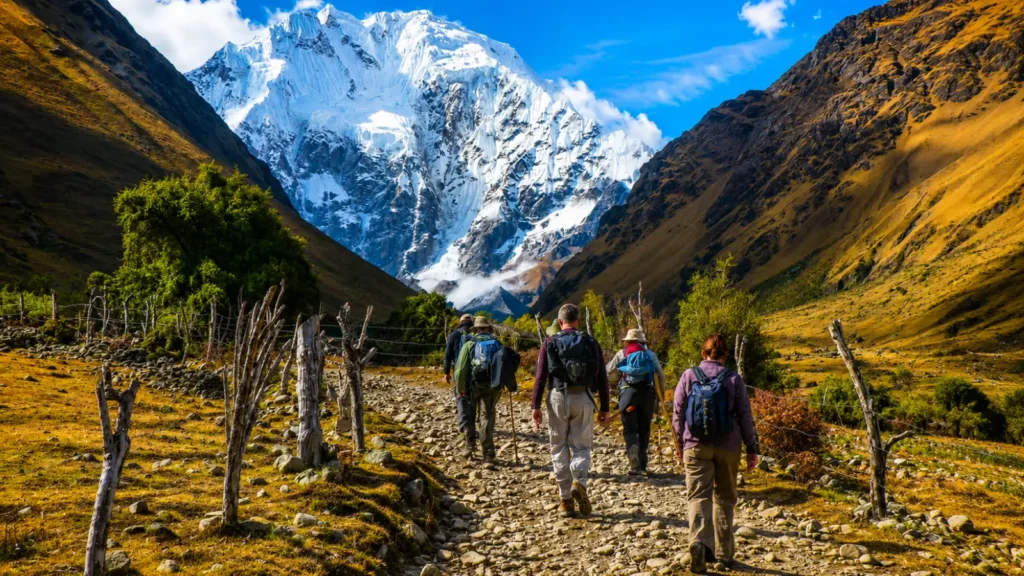
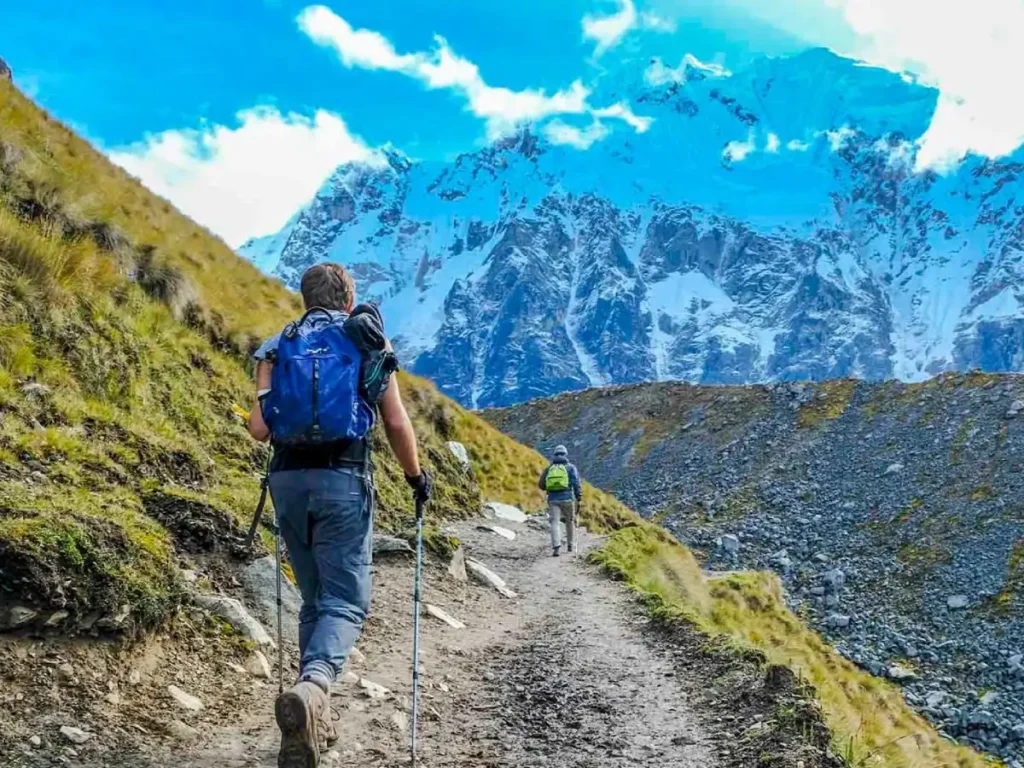
Leer articuloIf you’re planning your trip to Machu Picchu, you’ve probably already run into this question: Salkantay or Inca Trail? These are the two most popular trekking routes in Peru for reaching the ancient citadel, but they offer very different experiences. One takes you along stone paths built centuries ago by the Incas; the other climbs above 4,600 meters beneath the shadow of a towering snow-capped peak.
There’s no single “better” answer here — it depends on your fitness level, your travel dates, your budget, and the kind of experience you’re after. In this article, we compare both routes in detail so you can make the right decision based on your traveler profile.
Before diving into the comparison table, here’s a quick idea of who each option suits best:
The Inca Trail is ideal if:
Salkantay is ideal if:
If you want to dig deeper into each route individually, check out our complete Inca Trail guide and our complete Salkantay guide, where we break down day-by-day itineraries, altitudes, and preparation tips.
| Criteria | Inca Trail | Salkantay |
|---|---|---|
| Duration | 4 days / 3 nights (classic version) | 5 days / 4 nights (most common version) |
| Difficulty | Moderate-high | High |
| Maximum altitude | 4,215 m (Dead Woman’s Pass) | 4,630 m (Salkantay Pass) |
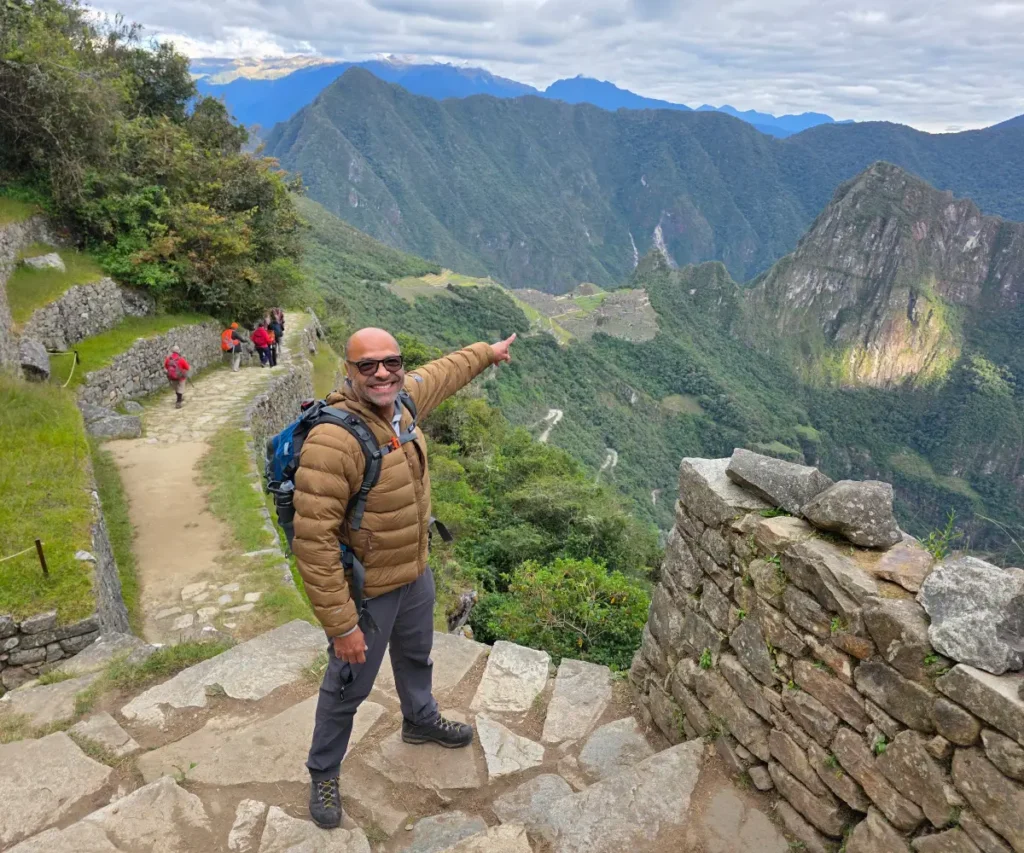
| Scenery | Inca ruins, cloud forest, high jungle | Salkantay glacier, glacial valleys, jungle and cloud forest |
| Permits | Limited (daily quotas regulated by the government) | No quota limits |
| Booking lead time | 4–6 months or more | 1–4 weeks is usually enough |
| Approximate cost | Higher (due to regulation and demand) | Generally more affordable |
| Arrival at Machu Picchu | On foot, through Inti Punku (Sun Gate) | By bus/train from Aguas Calientes |
| Archaeological sites on route | Several (Llactapata, Runkurakay, Sayacmarca, Phuyupatamarca, Wiñay Wayna) | None directly on route |
As you can see, the choice comes down largely to your priorities: history and exclusivity versus nature and flexibility.
If this route interests you, check out the detailed itinerary for Inca Trail 4 days.
If you decide on this option, check out the full itinerary for Salkantay Trek 5 days.
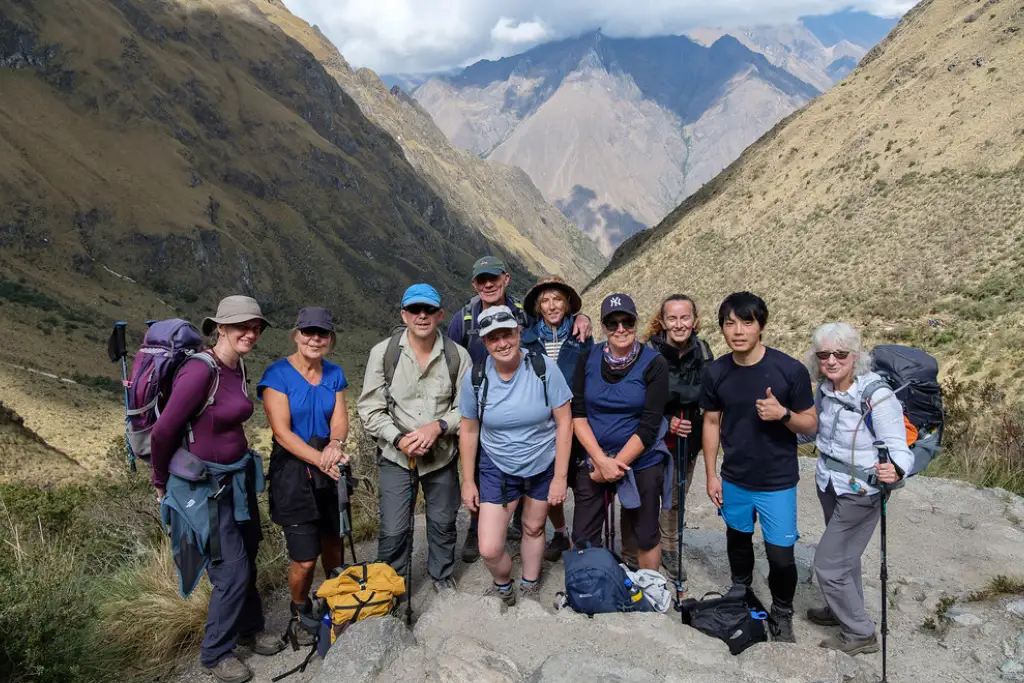
Choose the Inca Trail if:
Choose Salkantay if:
One thing they have in common: both routes end at the same destination — Machu Picchu — and both require a reasonable level of physical preparation, proper acclimatization in Cusco, and gear suited to sudden shifts in weather and altitude.
There’s no “objectively better” trek between Salkantay and the Inca Trail — there’s only the one that best fits your situation. If you value a historical connection to Inca culture and can plan ahead, the Inca Trail offers a unique, unrepeatable experience. If you prefer high-mountain scenery, greater flexibility on dates, and a more budget-friendly option, Salkantay is an equally memorable alternative.
Both routes share one thing: they lead to the same extraordinary destination via completely different paths. The final decision comes down to your priorities, your available time, and how far in advance you’re organizing your trip.
Still unsure? Contact us and we’ll help you choose the route that best matches your experience level, fitness, and available dates.
También te puede interesar
August wraps up the busiest quarter of the year for the Inca Trail, alongside June and July. It’s...
Leer articulo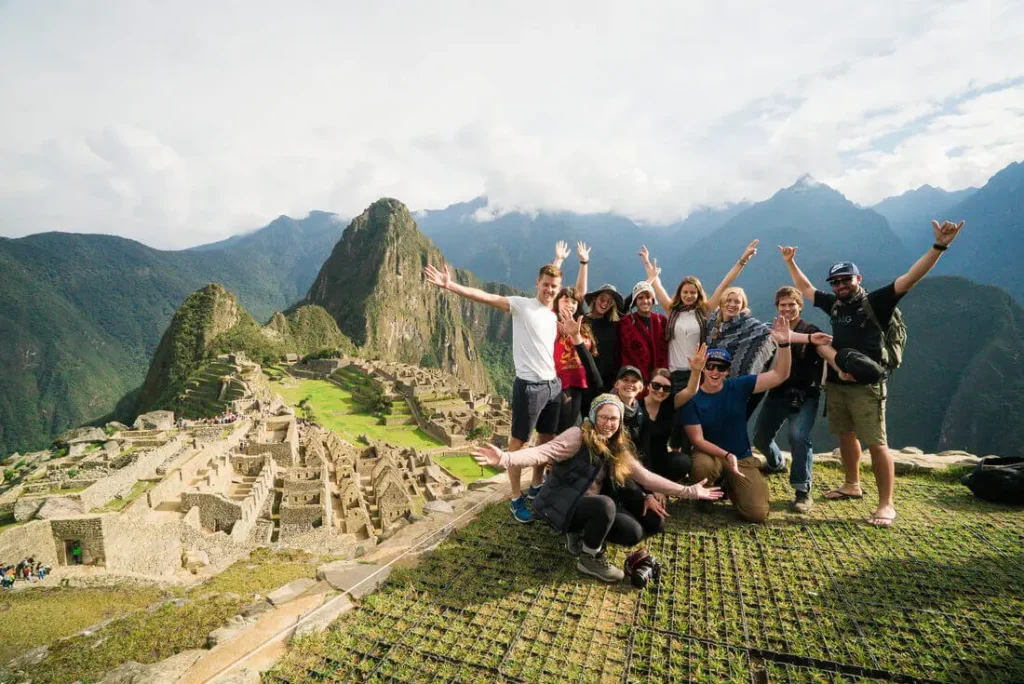
July is, along with June and August, one of the busiest months of the year for the Inca...
Leer articulo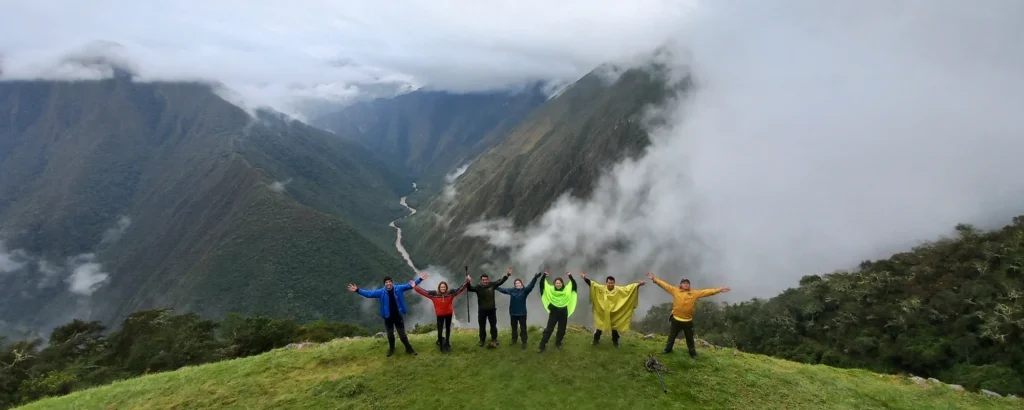
If you’re planning a trip to Machu Picchu and your dates fall in February, there’s something important you...
Leer articulo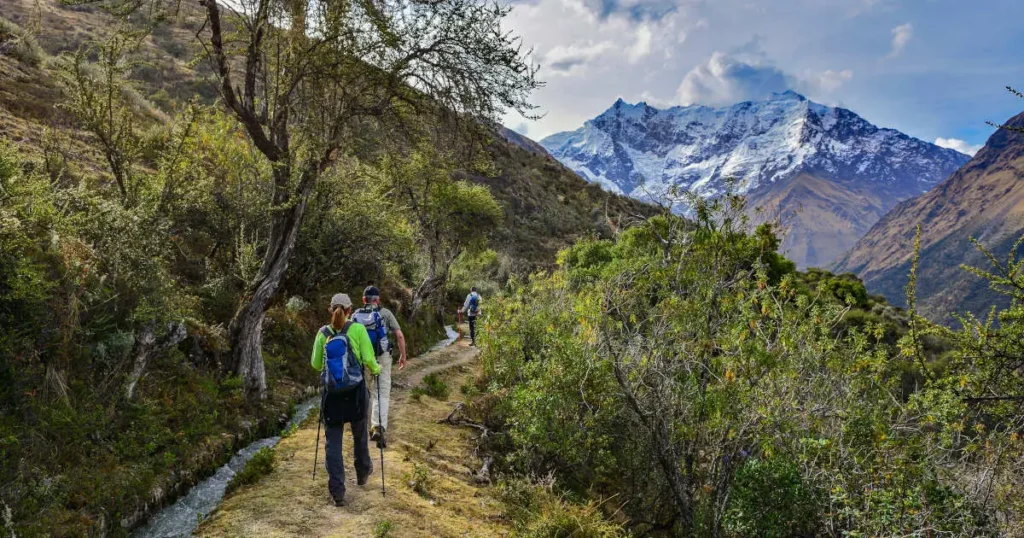
The Salkantay Trek is one of the most rewarding alternatives to the classic Inca Trail, but it’s also...
Leer articulo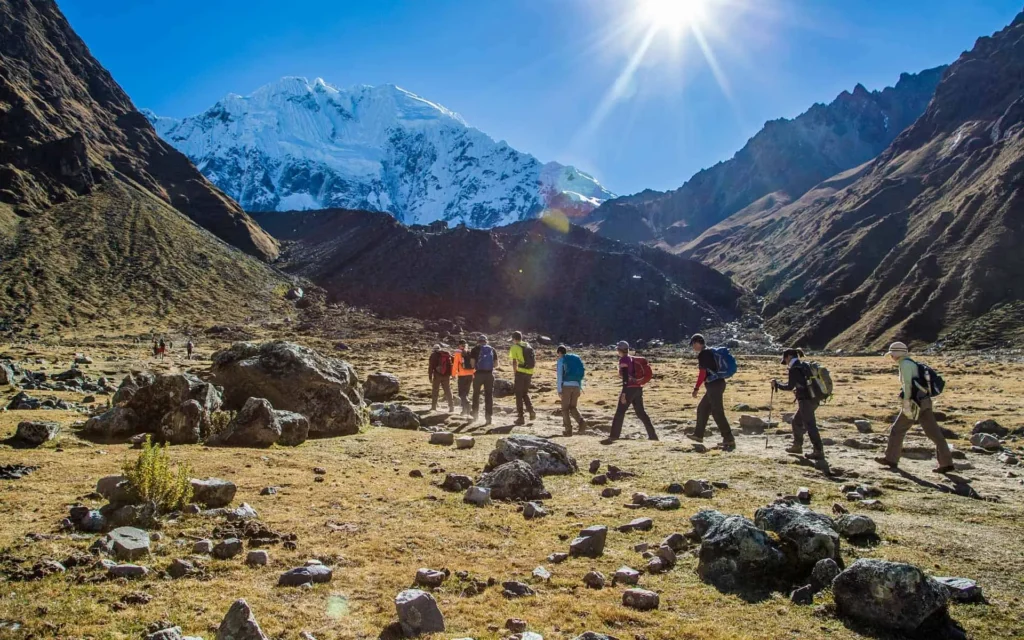
If you’re planning the Salkantay trek, chances are you’ve asked yourself whether it’s worth doing it without a...
Leer articulo
Building a solid Peru itinerary is what separates a trip that flows smoothly from one that turns into...
Leer articulo
If this is your first time planning a trip to South America, it’s completely normal to feel a...
Leer articulo
Figuring out your Peru trip cost is one of the most important steps before booking anything. The good...
Leer articulo