7 min read
76 vistas
Inca Trail in August
August wraps up the busiest quarter of the year for the Inca Trail, alongside June and July. It’s...
Leer articuloFiguring out your Peru trip cost is one of the most important steps before booking anything. The good news is that Peru can fit almost any type of traveler, from budget backpackers to those looking for full luxury experiences.
In this guide, we’ll give you realistic ranges based on how expenses typically break down, so you can plan how much it costs to travel to Peru according to your travel style.
Keep in mind these are approximate figures. Prices vary by season, how far in advance you book, exchange rates, and the choices you make along the way.
Broadly speaking, a trip to Peru can range from around $35-50 USD per day for backpacker-style travel, up to $300 USD or more per day for luxury experiences. Most travelers looking for comfort without excess tend to fall in a mid-range of $80-150 USD per day.
This figure typically covers accommodation, food, local transportation, and some activities, but not international flights or multi-day treks (like the Inca Trail), which should be budgeted separately.
Before settling on a final number, it’s key to nail down your itinerary. We recommend checking out how many days you need in Peru, since trip length directly affects your total budget.
Here’s a general reference for daily spending, not including international flights:
These ranges can vary quite a bit depending on the city. Cusco and Machu Picchu tend to be pricier than other regions, while cities like Lima or Arequipa offer more price variety.
Ideal for travelers with flexible schedules and a willingness to share spaces (hostels, shared transport). You can explore Peru on a tight budget if you prioritize:
This is the style most international travelers choose. It balances comfort with reasonable spending:
Designed for those seeking total comfort and personalized experiences:
International flights vary a lot depending on your city of origin and how far in advance you book. Domestic flights (Lima-Cusco, for example) tend to have a more predictable price range, though they too depend on season and booking timing.
Accommodation is one of the categories where the difference between price tiers is most noticeable. A hostel can cost a fraction of what a boutique hotel does, and that in turn a fraction of what a 5-star hotel or an exclusive jungle lodge costs.
Group tours are usually considerably cheaper than private ones. Activities like the classic Inca Trail, for example, have a fixed cost per operator (covering porters, permits, and logistics), while day trips to places like the Sacred Valley vary depending on whether the tour is shared or private.
Peru has one of the most acclaimed culinary scenes in Latin America, and that’s reflected in its wide price range: from very affordable set-menu lunches to fine-dining restaurants in Lima with prices on par with major culinary capitals around the world.
Sites like Machu Picchu, the Inca Trail, and some museums have entrance fees that need to be booked in advance, especially during high season. These costs tend to be fixed and don’t fluctuate much by season, but they can sell out if not booked early.
The length of your trip is one of the factors that most affects your total budget. Some general references:
The longer the trip, the more it pays off to plan ahead to secure better rates on hotels and tours. Additionally, the best time to visit Peru also affects your budget: high season (June-August) tends to have higher prices than the rainy season.

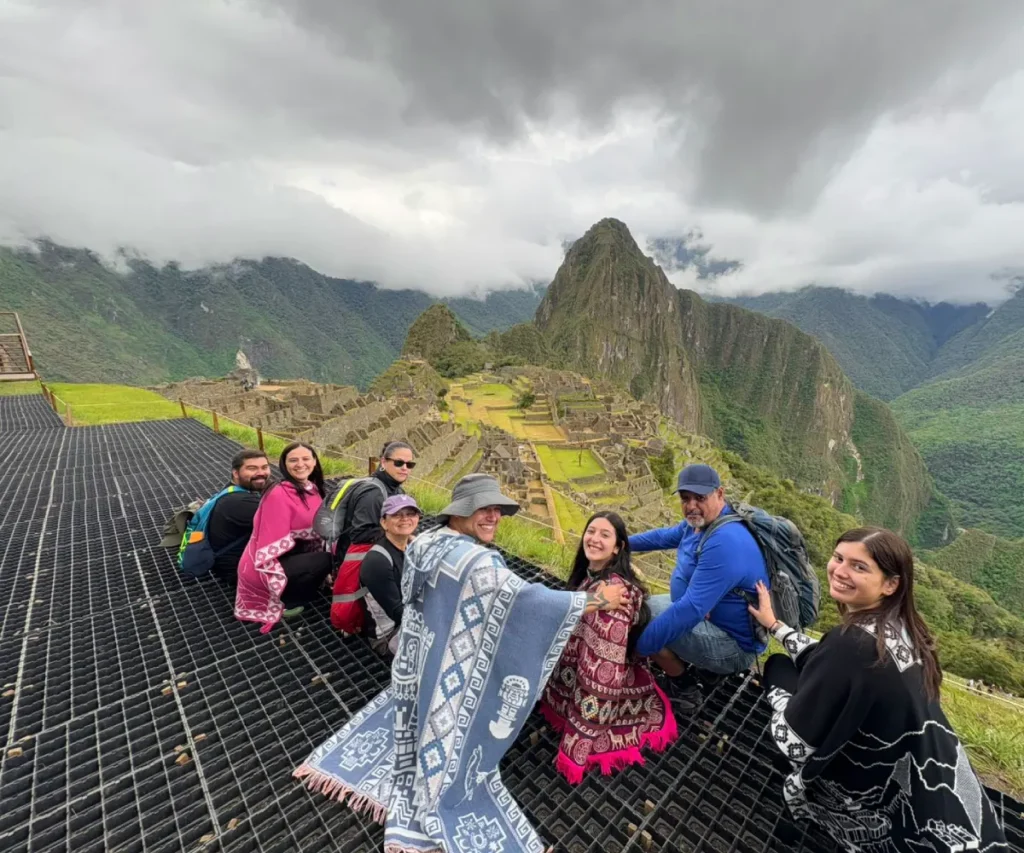
Adjusting your budget doesn’t necessarily mean sacrificing the quality of your trip. Some effective strategies:
There’s no single “correct” budget for traveling to Peru — it all depends on your priorities, available time, and the level of comfort you’re after. What matters most is planning with real information and avoiding last-minute surprises.
As a starting point, we recommend:
At Aura Travel Experience, we help you build a realistic, transparent budget with no inflated figures or hidden surprises, tailored to your dates, interests, and comfort level.
Want to know how much your ideal trip would cost? Request a tailor-made quote and we’ll send you a detailed breakdown based on your preferences. Request a tailor-made quote
También te puede interesar
August wraps up the busiest quarter of the year for the Inca Trail, alongside June and July. It’s...
Leer articulo
July is, along with June and August, one of the busiest months of the year for the Inca...
Leer articulo
If you’re planning a trip to Machu Picchu and your dates fall in February, there’s something important you...
Leer articulo
The Salkantay Trek is one of the most rewarding alternatives to the classic Inca Trail, but it’s also...
Leer articulo
If you’re planning the Salkantay trek, chances are you’ve asked yourself whether it’s worth doing it without a...
Leer articulo
Building a solid Peru itinerary is what separates a trip that flows smoothly from one that turns into...
Leer articulo
If this is your first time planning a trip to South America, it’s completely normal to feel a...
Leer articulo
Figuring out the best time to visit Peru is one of the first (and most important) decisions you’ll...
Leer articulo