7 min read
77 vistas
Inca Trail in August
August wraps up the busiest quarter of the year for the Inca Trail, alongside June and July. It’s...
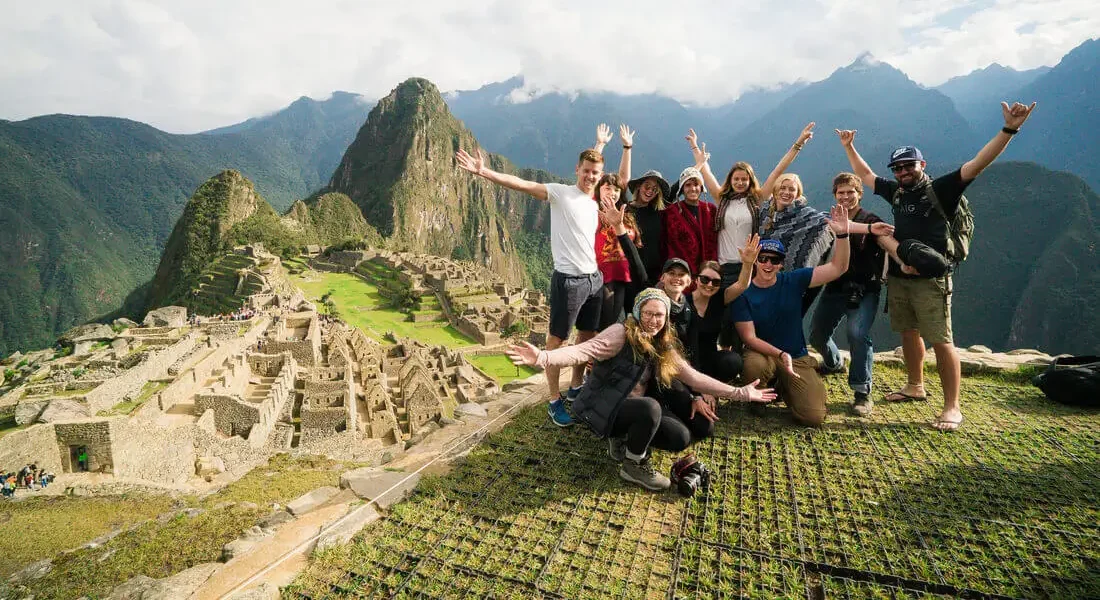
Leer articuloJuly is, along with June and August, one of the busiest months of the year for the Inca Trail. It sits right in the heart of the dry season, with near-perfect trekking weather: clear skies, pleasant daytime temperatures, and an almost nonexistent chance of rain. But that same combination — ideal weather, mid-year holidays in the Northern Hemisphere, and the festive momentum left over from late-June’s Inti Raymi — makes July the month with the highest visitor numbers in Cusco and Machu Picchu of the entire year.
In this article, we cover what to expect from the weather, why July sees such high demand, how permit availability works, what to pack, and how to plan your booking to secure your spot and enjoy the experience with as few hiccups as possible.
If you’re not yet familiar with the general details of the route, check out our complete Inca Trail guide first, which covers the itinerary, difficulty level, and overall logistics.
July combines several factors that together make it the absolute peak of visitor numbers in the Cusco region:
The result is that July, alongside August, represents the peak point of congestion in Cusco, on the Inca Trail, and at Machu Picchu: more tourists on the streets, in restaurants, on the trails, and — above all — greater competition for the limited permits.
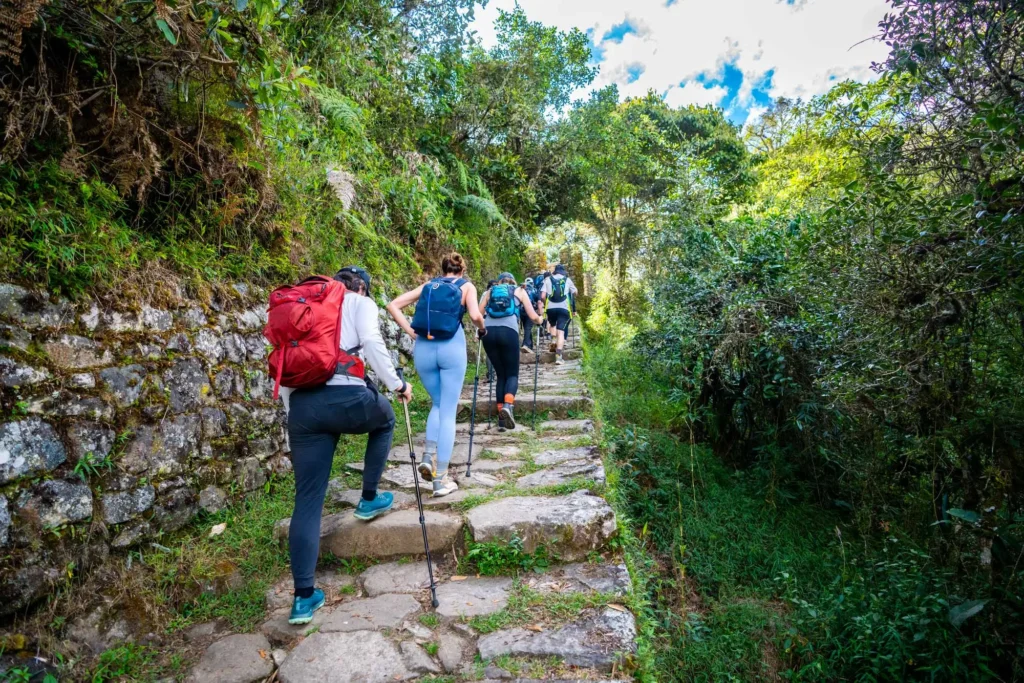
July offers weather conditions nearly identical to June’s, cementing its place as one of the two driest months of the year:
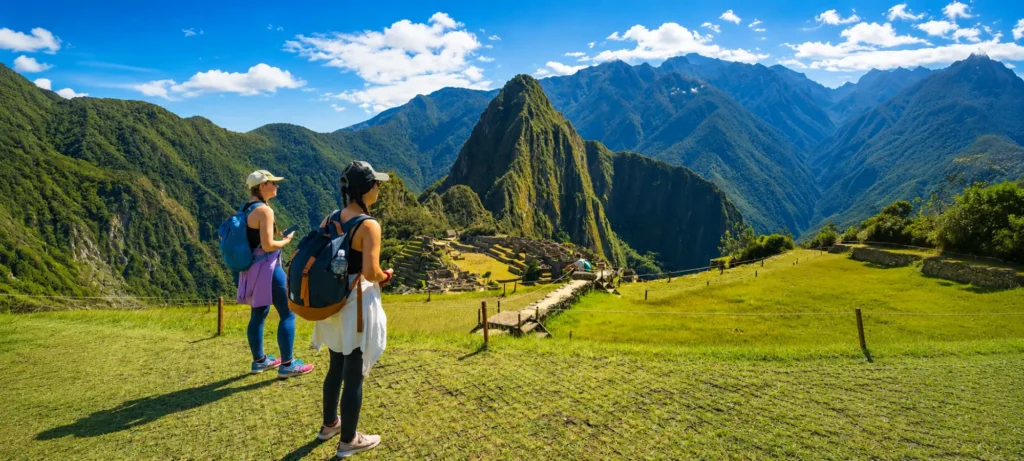
Just as in June, the biggest weather challenge in July isn’t rain — it’s the cold at night, at altitude. Trekkers need to prepare for below-freezing temperatures overnight, especially at the campsite before crossing the highest pass on the route.
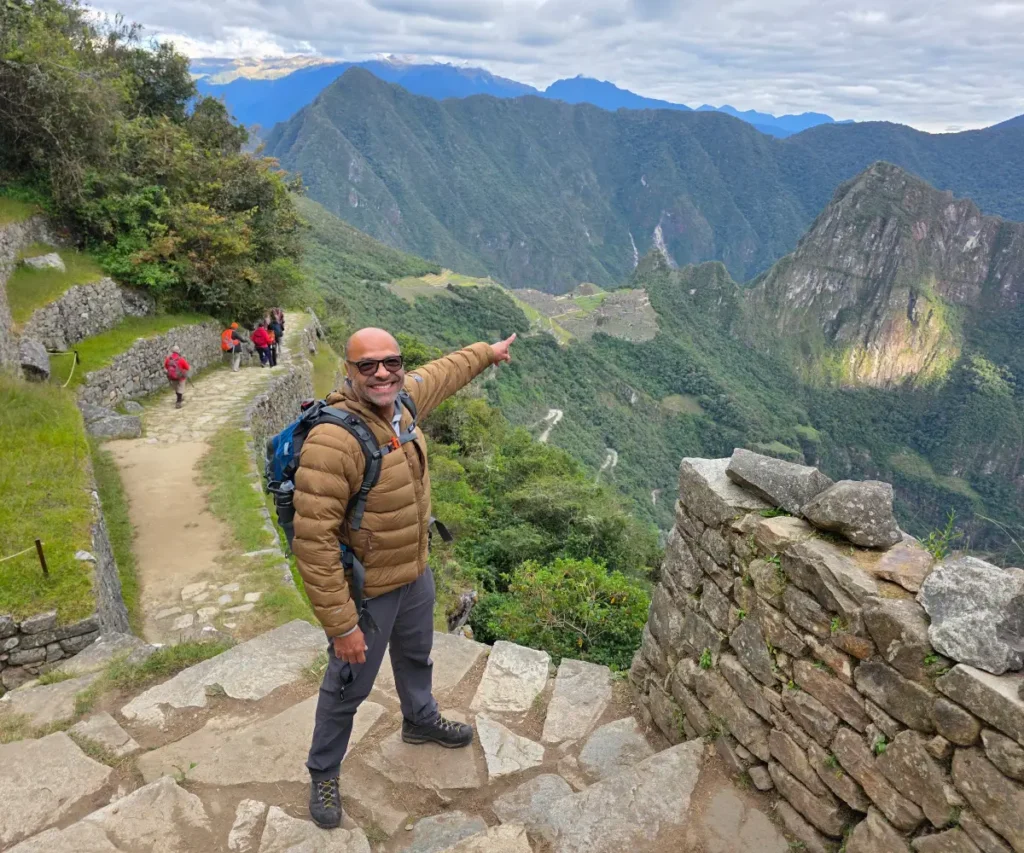
This is what really sets July apart from other months with great weather: the number of people. It’s worth knowing what to expect so you can plan accordingly:
If a quieter experience with fewer crowds is your priority, consider traveling in April, September, or the shoulder edges of the dry season; but if perfect weather is your priority and you don’t mind sharing the trail with more travelers, July remains an excellent choice.
July, along with June and August, is the month of highest permit demand for the classic Inca Trail all year round. Here are the key points to keep in mind:
Given July’s extremely high demand, we recommend booking as far in advance as possible, ideally 6 to 8 months before your travel date. To compare July with the rest of the calendar and decide whether another date better fits your priorities, check out our article on the best time for the Inca Trail.
The gear you need in July is practically the same as in June, prioritizing thermal insulation against the cold at night:
Since July is one of the most competitive months for permits, these tips matter even more than usual:
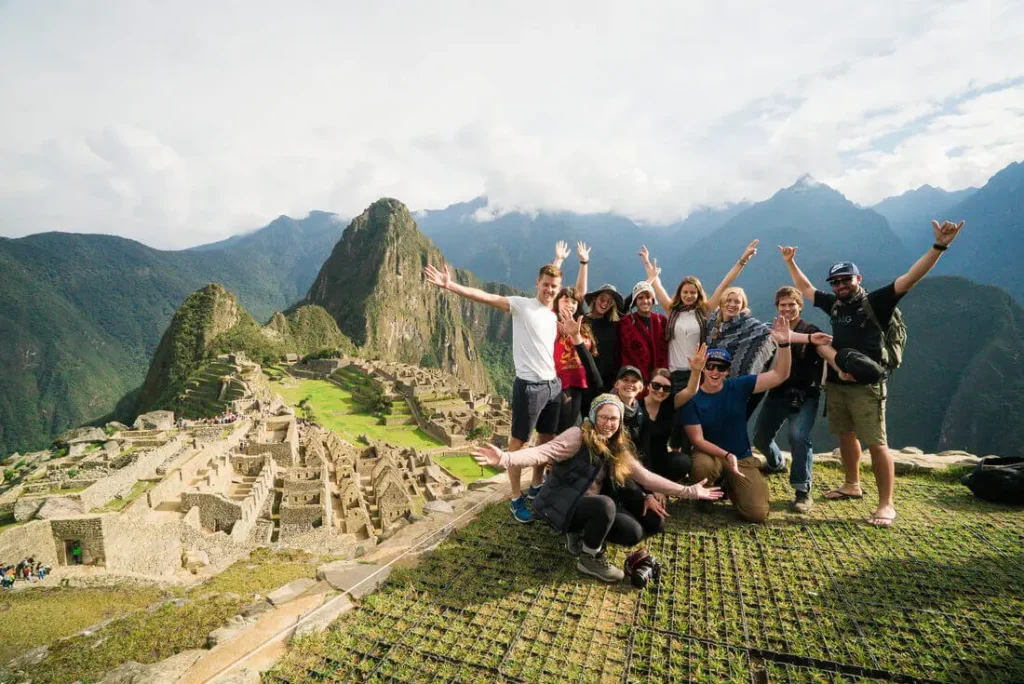

If, while planning your trip, you discover that July permits are already sold out — which is very common given this month’s demand — there are excellent alternatives with no quota restrictions.
The Salkantay Trek (open year-round) is the most popular alternative, with spectacular high-mountain scenery and full booking flexibility, even at the last minute. You can check out all the details in our complete Salkantay guide.
You might also consider the Lares Trek combined with a short Inca Trail, which offers a deep cultural experience through traditional Andean communities before connecting to a short stretch of the classic Inca Trail on the way to Machu Picchu.
Both routes let you enjoy July’s excellent weather with significantly smaller crowds than the classic Inca Trail, since they don’t depend on the limited-quota permit system.
July offers some of the best weather of the entire year for the Inca Trail, but that same appeal also makes it one of the busiest and most competitive months for permits. If hiking the classic route in July is your priority, the key is booking as far in advance as possible — ideally 6 to 8 months ahead — and accepting that you’ll be sharing the trail with more travelers than at other times of year.
If you’d rather have a quieter experience without sacrificing great weather, the Salkantay Trek or Lares combined with the short Inca Trail are excellent alternatives that let you enjoy July with much more peace of mind and booking flexibility.
Every traveler has different priorities, and choosing the best option depends on your dates, your tolerance for crowds, and your previous trekking experience. If you’d like personalized help planning your Inca Trail trip in July, contact us and we’ll help you secure your spot on the ideal dates.
También te puede interesar
August wraps up the busiest quarter of the year for the Inca Trail, alongside June and July. It’s...
Leer articulo
If you’re planning a trip to Machu Picchu and your dates fall in February, there’s something important you...
Leer articulo
The Salkantay Trek is one of the most rewarding alternatives to the classic Inca Trail, but it’s also...
Leer articulo
If you’re planning the Salkantay trek, chances are you’ve asked yourself whether it’s worth doing it without a...
Leer articulo
Building a solid Peru itinerary is what separates a trip that flows smoothly from one that turns into...
Leer articulo
If this is your first time planning a trip to South America, it’s completely normal to feel a...
Leer articulo
Figuring out your Peru trip cost is one of the most important steps before booking anything. The good...
Leer articulo
Figuring out the best time to visit Peru is one of the first (and most important) decisions you’ll...
Leer articulo