7 min read
73 vistas
Inca Trail in August
August wraps up the busiest quarter of the year for the Inca Trail, alongside June and July. It’s...
Leer articuloChoosing the right dates can make a huge difference in your Inca Trail experience. Weather in the Peruvian Andes is sharply divided between two seasons — dry and rainy — and this affects not only trekking comfort, but also permit availability and how crowded the trail feels.
In this article, we break down month by month when the best time to hike the Inca Trail is, what to expect from the weather each season, and how to plan your trip for the best possible experience. If you’re not yet familiar with the general details of the route, check out our complete Inca Trail guide first.
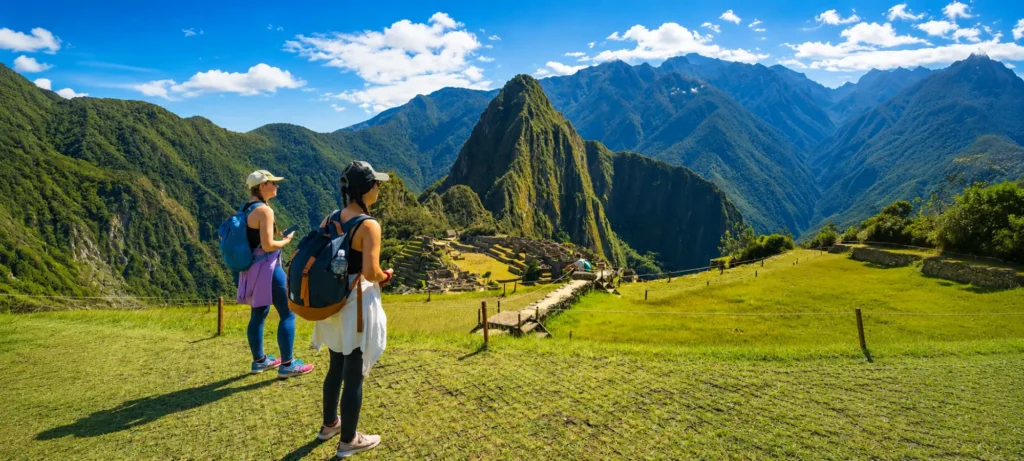
The dry season, running roughly from April to October, is considered the best time to hike the Inca Trail by most travelers and tour operators. During these months:
June, July, and August are the peak season months, coinciding with summer vacations in the Northern Hemisphere and Peru’s national holidays (late July), making them the busiest and most expensive months to trek.
April, September, and October are excellent alternatives: they keep the dry-season advantages while seeing fewer crowds and, generally, better prices. Many experienced travelers consider these the sweet spot between good weather and lower crowd levels.
For a broader picture of how weather behaves across Peru throughout the year, check out our guide on dry and rainy season in Peru.
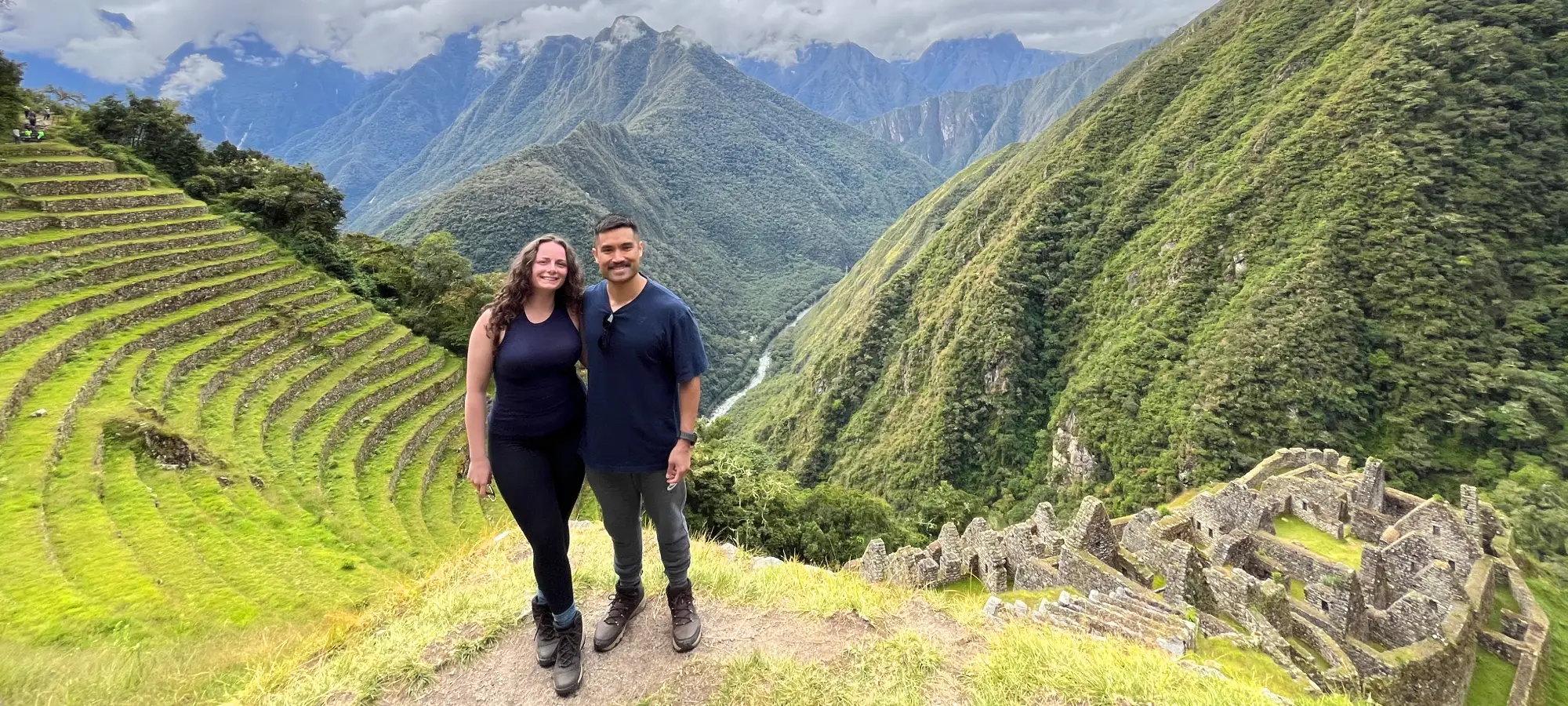
The rainy season runs from November to March, with the heaviest rainfall between December and March. During this period:
November is actually an interesting transition month: it still has good weather on many days, but with fewer tourists than in peak season. It’s worth considering for those seeking a balance between decent weather and smaller crowds.
December through March are the rainiest and least recommended months for those prioritizing good weather, though travelers who don’t mind occasional rain can take advantage of lower rates and quieter trails (with the exception of February, covered below).
One key fact every traveler should know: the Inca Trail closes completely for the entire month of February, every year, without exception. This closure is set by Peru’s Ministry of Culture for two main reasons:
If you’re planning your trip for February, you’ll need to consider an alternative route (such as Salkantay, which operates year-round) or adjust your dates to January or March to avoid being left without a trekking option.
| Month | Weather | Crowd levels | Recommendation |
|---|---|---|---|
| January | Rainy | Medium-low | Possible, with frequent rain |
| February | — | — | Trail closed |
| March | Rainy, improving by month’s end | Medium-low | Acceptable, better toward month’s end |
| April | Transitioning to dry | Medium | Highly recommended |
| May | Dry | Medium-high | Excellent |
| June | Dry, cold nights | High | Excellent, busier |
| July | Dry, cold nights | Very high | Excellent, peak season |
| August | Dry | Very high | Excellent, peak season |
| September | Dry | High | Highly recommended |
| October | Dry, transitioning | Medium | Highly recommended |
| November | Transitioning to rain | Medium | Good balance option |
| December | Rainy | Medium | Possible, with frequent rain |
For a broader look at weather across different regions of the country throughout the year, check out our Peru weather by month guide.
If having a quieter, less crowded experience is your priority, keep the following in mind:
If you already have a date in mind, check out the full itinerary breakdown in Inca Trail 4 days to plan your physical preparation and logistics.
If we’re looking for a balance between good weather, permit availability, and a less crowded experience, April, September, and October tend to be the most recommended months by most specialized guides and agencies. They offer the benefits of the dry season without the saturation of June through August.
That said, there’s no single universal “best time”: if guaranteed good weather is your priority and you don’t mind sharing the trail with more travelers, the full dry season (April to October) is your best bet. If you’d rather have lower rates, fewer crowds, and don’t mind the possibility of rain, November or the period from March onward can be ideal. The one thing you should avoid without exception is planning your trip for February, when the trail remains closed.
Already know when you want to travel? Book the best dates and secure your spot with the lead time the Inca Trail requires.
También te puede interesar
August wraps up the busiest quarter of the year for the Inca Trail, alongside June and July. It’s...
Leer articulo
July is, along with June and August, one of the busiest months of the year for the Inca...
Leer articulo
If you’re planning a trip to Machu Picchu and your dates fall in February, there’s something important you...
Leer articulo
The Salkantay Trek is one of the most rewarding alternatives to the classic Inca Trail, but it’s also...
Leer articulo
If you’re planning the Salkantay trek, chances are you’ve asked yourself whether it’s worth doing it without a...
Leer articulo
Building a solid Peru itinerary is what separates a trip that flows smoothly from one that turns into...
Leer articulo
If this is your first time planning a trip to South America, it’s completely normal to feel a...
Leer articulo
Figuring out your Peru trip cost is one of the most important steps before booking anything. The good...
Leer articulo