8 min read
40 vistas
Cusco Tourist Ticket: What It Includes
If you’re planning your visit to Cusco, you’ve likely come across the term “Tourist Ticket” more than once....
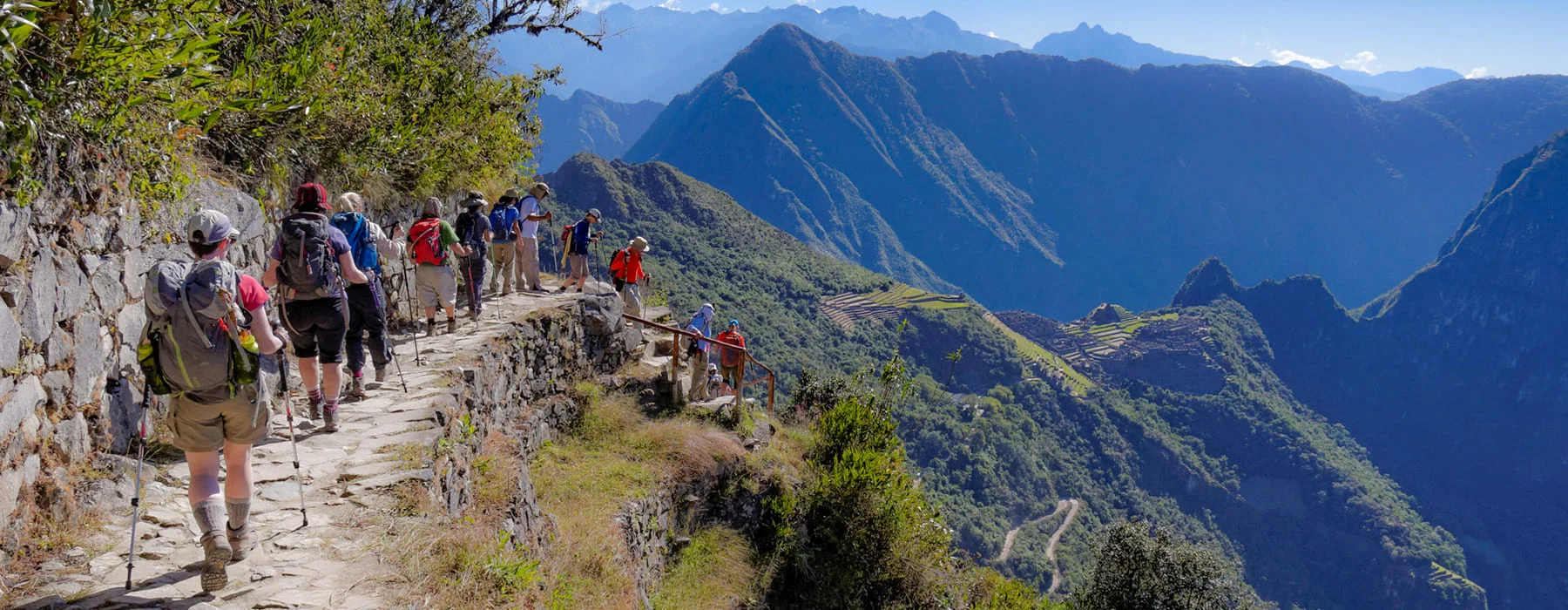
Leer articuloIf you’re wondering how to prepare for the Inca Trail, the honest answer is this: you don’t need to be an elite athlete, but you do need a plan. The trek covers roughly 26 miles (42 km) over four days, crossing two mountain passes above 13,000 feet (4,000 m), with steep stone steps that punish untrained knees and lungs alike. The good news is that with focused inca trail training over 8 to 12 weeks, most reasonably healthy adults can comfortably handle it.
This guide walks you through a realistic inca trail training plan built around cardio, leg and core strength, and practice hikes with a loaded backpack — plus what to do once you land in Cusco to help your body adjust to altitude.
Note: this is general wellness guidance, not medical advice. If you have a pre-existing heart, lung, joint, or other health condition, talk to a doctor before starting any new training program or high-altitude trek.
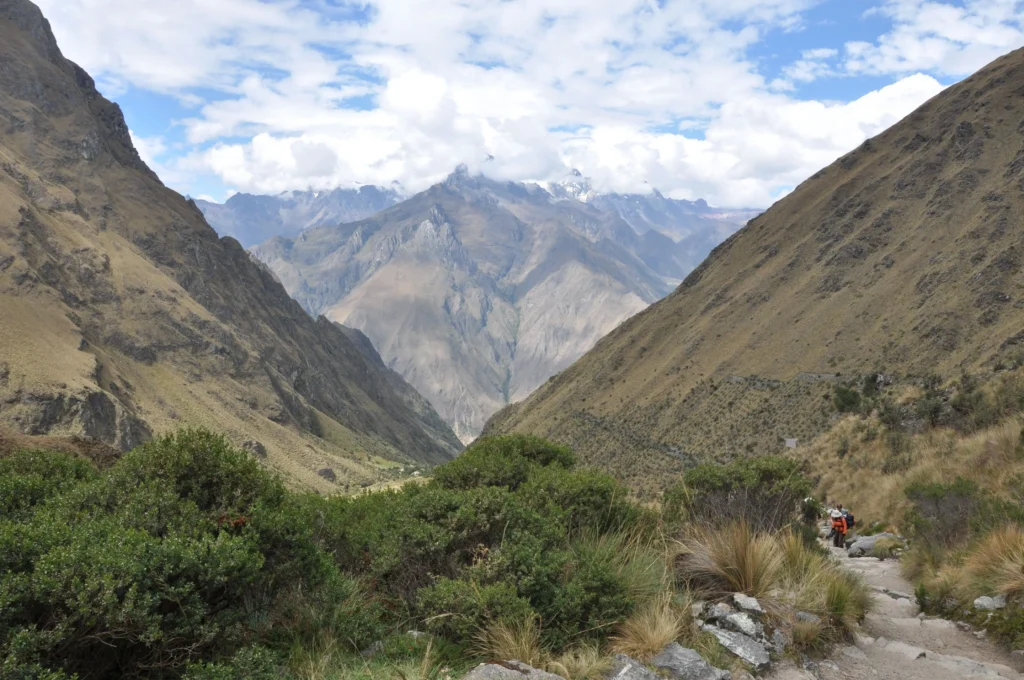
The Inca Trail isn’t a casual walk. Day two alone takes hikers up to Warmiwañusca, better known as Dead Woman’s Pass, at 13,828 feet (4,215 m) — a relentless climb followed by an equally punishing descent. Altitude thins the air, so your heart and lungs work harder for the same effort you’d feel at sea level. Add multiple days of cumulative fatigue, uneven stone steps, and a loaded daypack, and it’s easy to see why unprepared trekkers struggle.
Training does two things: it builds the cardiovascular and muscular capacity you need to move efficiently at altitude, and it conditions your joints and connective tissue for the repetitive impact of hours of stepping up and down stairs. Trekkers who train consistently tend to enjoy the trail more, recover faster each night, and have more energy left to actually appreciate the scenery instead of just surviving it. For the full context on logistics, permits, and what each day involves, see our complete Inca Trail guide.
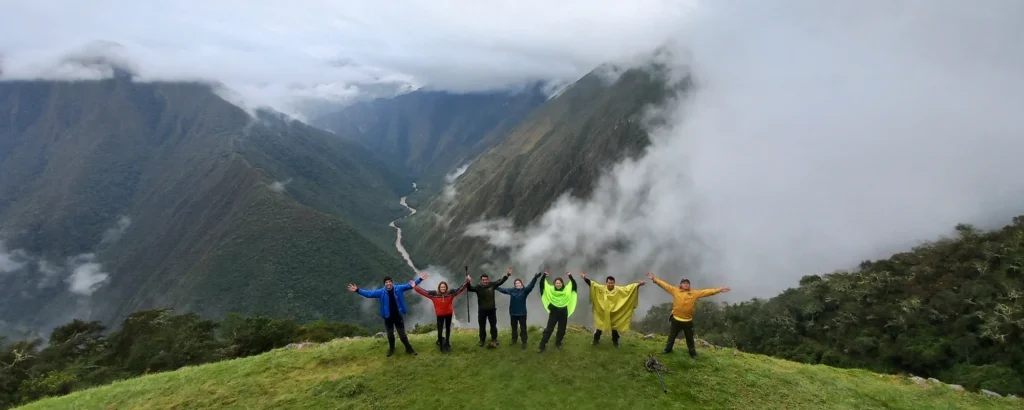
A structured inca trail training plan gives your body time to adapt gradually, which reduces injury risk and builds real endurance rather than a short-term fitness spike.
Weeks 1–3 (Foundation): Build a base with 3–4 cardio sessions per week (30–45 minutes each) and 2 strength sessions focused on legs, glutes, and core. Add one flat-to-rolling hike on the weekend.
Weeks 4–6 (Build): Increase cardio duration and add hill work or stair climbing. Strength sessions move to heavier resistance or more reps. Start your first hikes with a light backpack (8–10 lbs / 4–5 kg).
Weeks 7–9 (Peak): This is your highest-volume phase. Aim for one long practice hike (3–5 hours) most weekends with a backpack close to trek weight, plus continued cardio and strength work during the week.
Weeks 10–12 (Taper and sharpen): Reduce volume slightly to let your body absorb the training, but keep intensity up with shorter, sharper sessions. Stop heavy training 4–5 days before you fly to Peru so you arrive rested, not depleted.
If you’re booked on the classic route, it’s worth reviewing the day-by-day profile of the Inca Trail 4 days itinerary so you know exactly which days demand the most from your legs and lungs — training becomes much more targeted once you know what you’re training for.
Cardiovascular fitness is the single biggest predictor of how you’ll feel at altitude. Your legs might be strong, but if your heart and lungs can’t keep up with the oxygen demand, every step feels like a struggle.
As you approach week 6 or 7, try to get at least one cardio session at a genuinely challenging incline — treadmill set to a steep grade, or a local hill repeated several times.
Strong legs absorb impact and protect your knees on long descents, while a stable core keeps your posture upright when you’re tired and carrying weight.
No amount of gym work fully replaces time on your feet with a loaded pack. Practice hikes teach your body — and your gear — how they’ll actually perform on trail.
Physical training prepares your muscles and cardiovascular system, but altitude adjustment is a separate process that happens once you’re actually in the mountains — no amount of training at sea level fully replicates it.
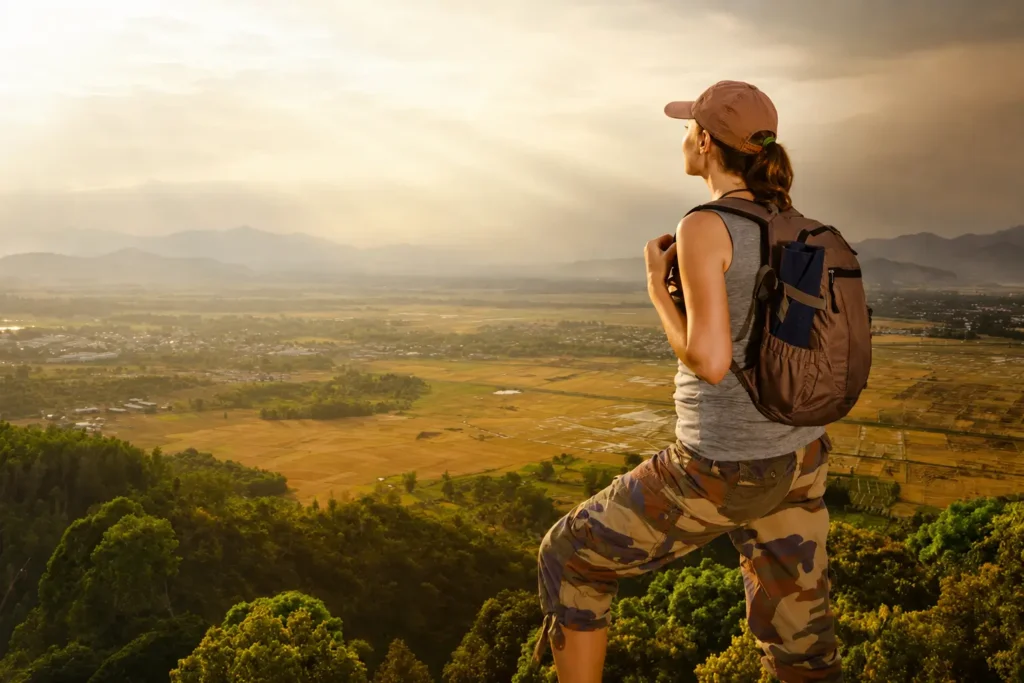
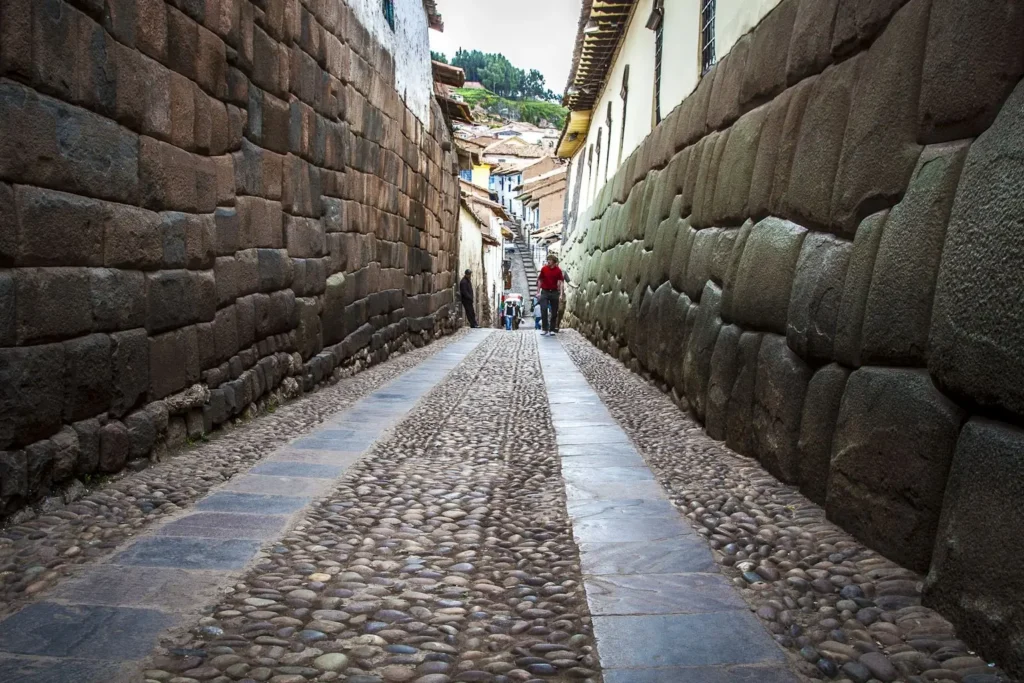
Training smart makes the difference between gritting your teeth through the Inca Trail and genuinely enjoying it. If you’d like personalized advice on pacing, gear, or which itinerary best matches your fitness level, get ready with our team — we’re happy to help you plan a trek that fits where you are today.
También te puede interesar
If you’re planning your visit to Cusco, you’ve likely come across the term “Tourist Ticket” more than once....
Leer articulo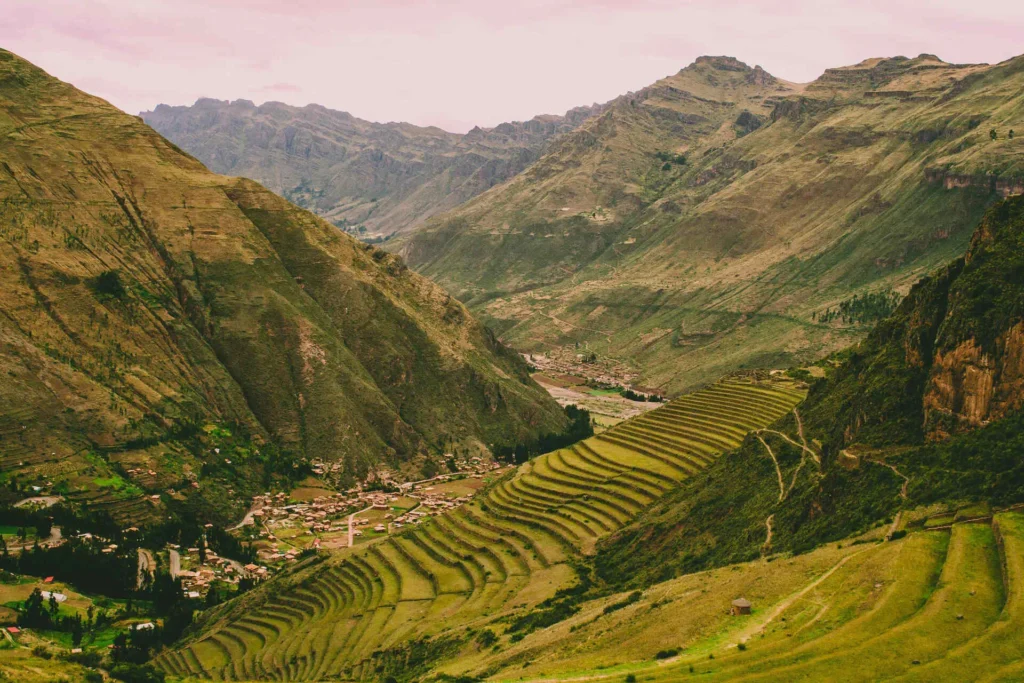
Pisac is one of those Sacred Valley destinations that manages to combine, in a single day’s visit, two...
Leer articulo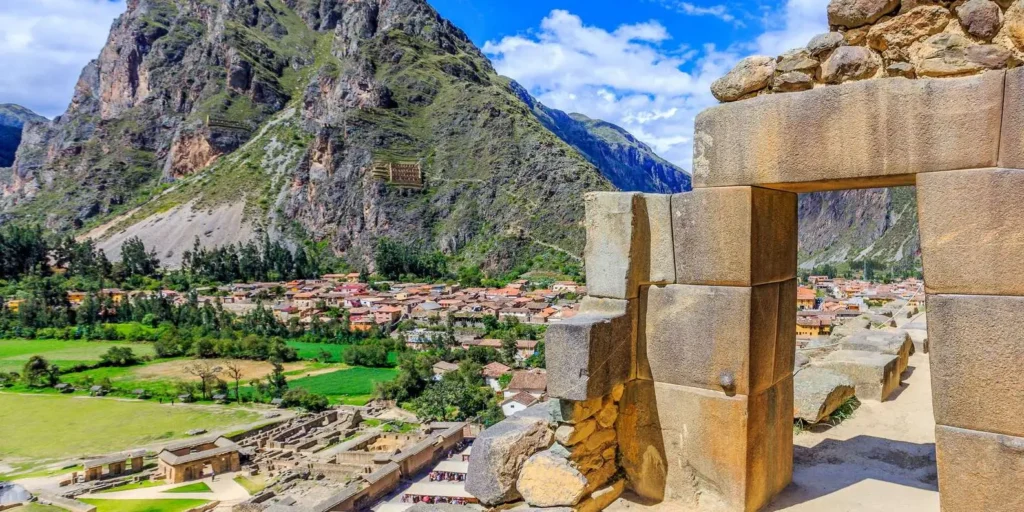
Ollantaytambo is, arguably, the most special town in the entire Sacred Valley of the Incas. Unlike other archaeological...
Leer articulo
If you’ve already secured your Machu Picchu ticket and are thinking about adding an extra hike up one...
Leer articulo
If you’re planning your visit to Machu Picchu, you’ve probably run into a term that causes quite a...
Leer articulo
August wraps up the busiest quarter of the year for the Inca Trail, alongside June and July. It’s...
Leer articulo
For many travelers, June is the quintessential month for the Inca Trail. It marks the height of the...
Leer articulo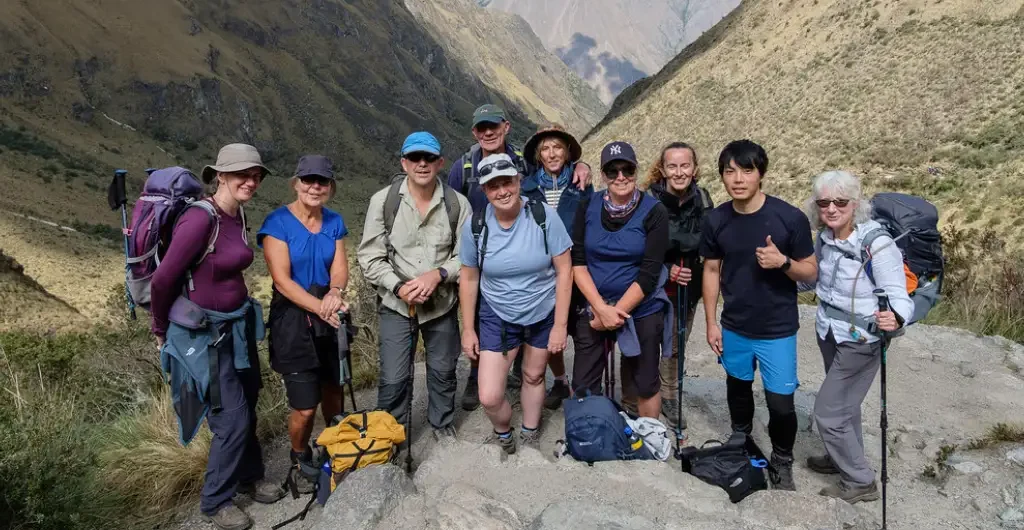
May is, for many travelers and local guides, one of the most recommended months to hike the Inca...
Leer articulo