9 min read
52 vistas
How Many Days Do You Need in Cusco
This is probably one of the most common questions among those starting to plan their trip to Peru:...
Leer articuloIf you’ve already secured your Machu Picchu ticket and are thinking about adding an extra hike up one of the mountains surrounding the citadel, you’ve probably run into this classic question: Huayna Picchu or Machu Picchu Mountain? Both options let you see the citadel from above, but they’re fairly different experiences in terms of difficulty, time, views, and the type of physical effort involved.
In this article, we compare both mountains in detail to help you decide which one best fits your physical condition, your photography expectations, and the time you have available.
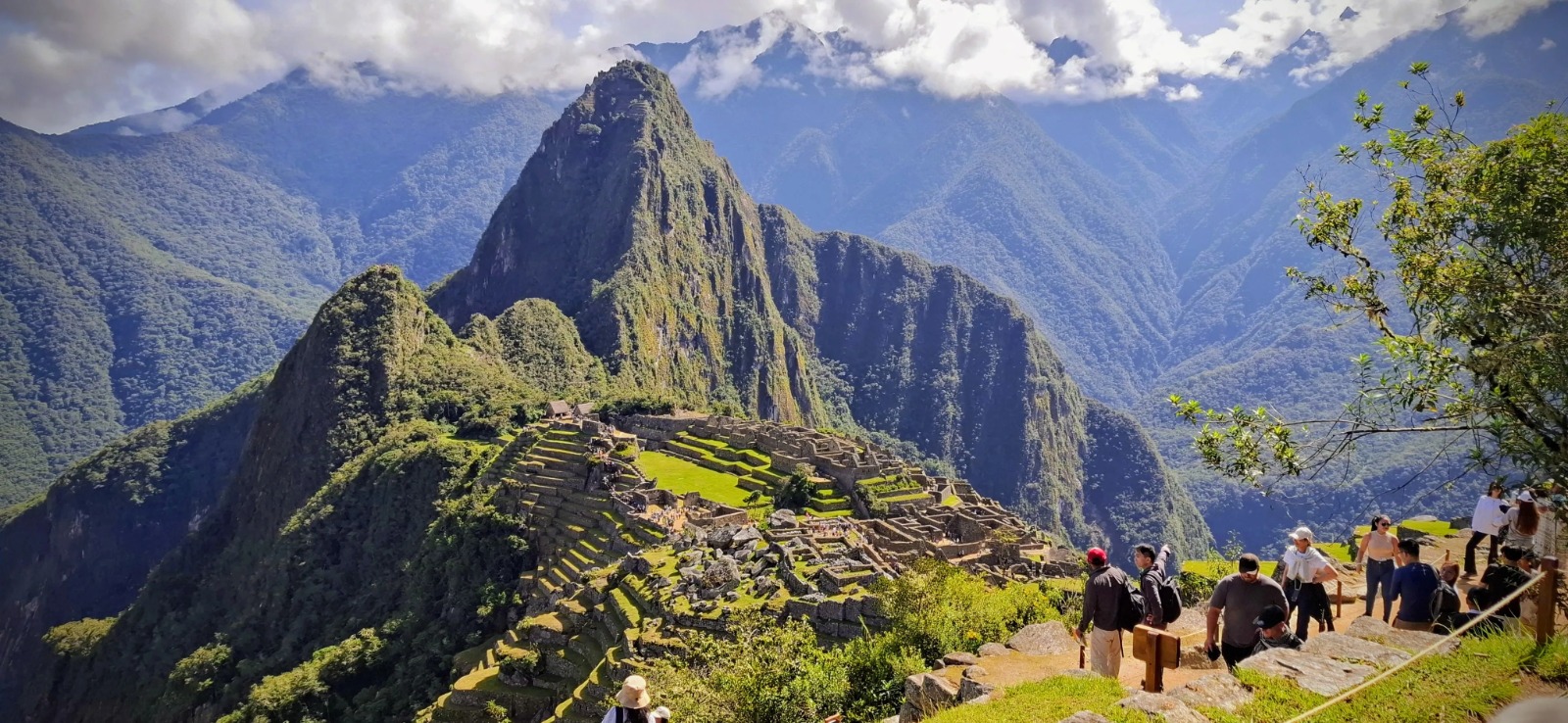
Huayna Picchu and Machu Picchu Mountain are two peaks flanking the Inca citadel, each with its own controlled-access trail and limited daily spots. Both require purchasing a specific combined ticket (Machu Picchu + Huayna Picchu, or Machu Picchu + Mountain), different from the basic ticket that only includes entry to the citadel itself.
The essential difference between the two is this: Huayna Picchu is the more iconic and photographed mountain, the one that appears behind the citadel in nearly every classic postcard shot, but it’s a shorter climb, much steeper, and technically more demanding, with narrow stone steps and some sections with steel cable handholds. Machu Picchu Mountain, on the other hand, is the taller of the two, with a much longer trail but a more gradual, less technical climb, making it more accessible for those who prefer a long hike without exposed scrambling sections.
Before deciding which one to climb, it’s worth remembering that both routes connect to specific circuits within the citadel, so it’s also worth checking our guide to the Machu Picchu circuits to understand how each mountain fits into your overall route.
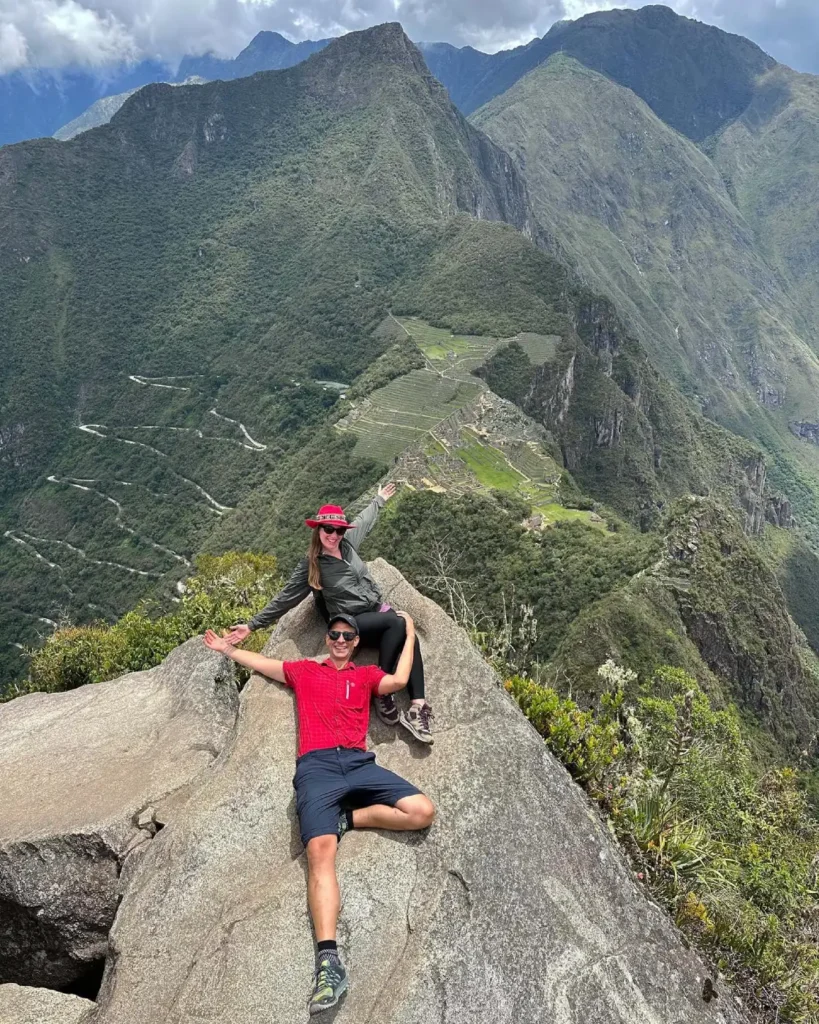
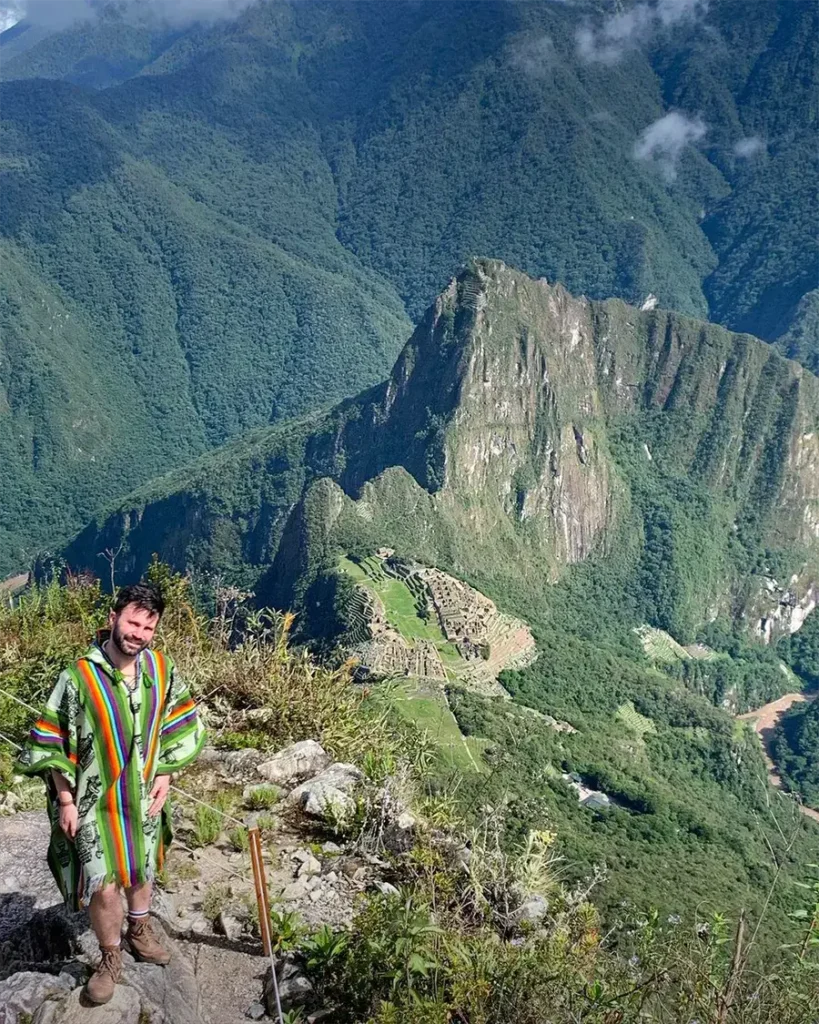
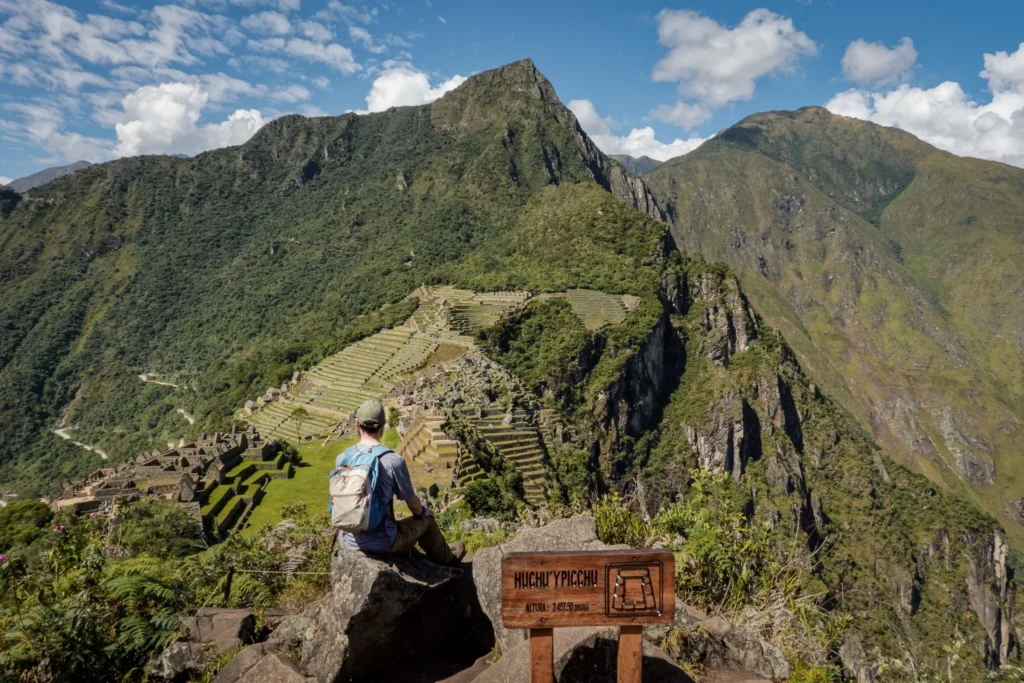
Huayna Picchu rises to approximately 2,720 m (8,924 ft), about 260 m (853 ft) above the level of the citadel. Although it isn’t the taller of the two mountains in absolute altitude, it’s without a doubt the more technically demanding: the trail is steep right from the start, with narrow, irregular stone steps built by the Incas themselves, and some sections where you need to hold onto steel cables fixed to the rock to keep your balance.
The climb up usually takes 45 minutes to 1 hour, and the descent can take a similar amount of time or even a bit longer, since many visitors go down more cautiously than they went up. In total, factoring in time at the summit for photos and rest, the full experience usually runs around 2 to 2.5 hours.
The payoff, however, is unique: from the summit of Huayna Picchu, you get one of the most spectacular views in all of South America, with the entire Machu Picchu citadel at your feet and the Urubamba River winding through the deep valley below. This is, literally, the view that made Machu Picchu famous in countless photographs.
It’s worth mentioning that Huayna Picchu isn’t recommended for people with severe vertigo or an intense fear of heights, since some sections have steep drop-offs along the sides of the trail. It’s also not the best option if you have mobility limitations, given how narrow and uneven the steps are.
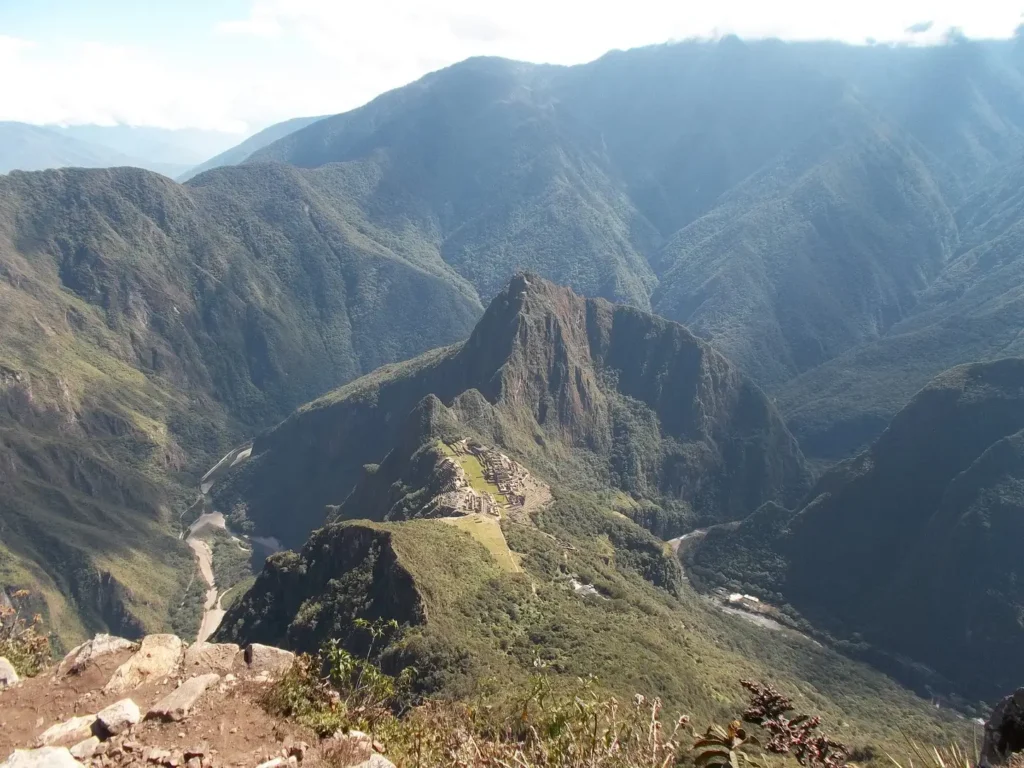
Machu Picchu Mountain, on the other hand, reaches an altitude of approximately 3,060 m (10,039 ft), making it the highest accessible point from the citadel, several hundred meters above Huayna Picchu. Despite being the taller mountain, its trail is considerably less technical: it’s a wider, more regular stone-step path, with no need for cables or hands-on scrambling.
That doesn’t mean it’s an easy hike. Being a longer trail, the ascent usually takes 1.5 to 2 hours, and the descent another 1 to 1.5 hours, making the full experience run between 3 and 4 hours total, considerably longer than Huayna Picchu. The demand here is more about sustained cardiovascular endurance than technical skill on exposed terrain.
The views from the summit of Machu Picchu Mountain differ from those on Huayna Picchu: instead of seeing the citadel “up close” and right at your feet, you observe it from a greater distance and height, giving you a broader perspective of the entire archaeological complex along with the surrounding mountain range. Many visitors describe this view as more panoramic and less “vertigo-inducing” than the one from Huayna Picchu, since the trail sits further back from the immediate drop above the citadel.
Given the sustained cardiovascular effort and the altitude reached, prior acclimatization still matters here. If you’re concerned about how you’ll feel at altitude during this hike, we recommend checking our guide on altitude sickness in Cusco before your trip.
| Aspect | Huayna Picchu | Machu Picchu Mountain |
|---|---|---|
| Approximate altitude | ~2,720 m (8,924 ft) | ~3,060 m (10,039 ft) |
| Elevation gain from citadel | ~260 m (853 ft) | ~600 m (1,969 ft) |
| Total duration (up + down) | ~2 to 2.5 hours | ~3 to 4 hours |
| Type of terrain | Narrow steps, sections with cables | Wider steps, no cables |
| Technical difficulty | High (requires good balance) | Moderate (endurance over technique) |
| Suitable for vertigo | Not recommended | More tolerable |
| Type of view | Citadel “at your feet,” very close | Broader, more distant panoramic view |
| Popularity / spots | Very high demand, sells out first | High demand, slightly more availability |
Both Huayna Picchu and Machu Picchu Mountain have limited daily spots, considerably fewer than the general entry quota for the citadel. These spots are normally split into a couple of entry time slots throughout the morning, and they sell out well before regular tickets, especially during high season (May-September).
For this reason, if you’ve decided to climb one of these mountains, we recommend booking your Machu Picchu ticket with the corresponding combined ticket as early as possible, ideally several months in advance if your trip falls during high season. It’s not unusual for these spots to sell out weeks or even months before the visit date during peak-demand periods, so it’s not worth leaving this decision for the last minute.
Also keep in mind that, once you’ve purchased the combined ticket, the entry time for the mountain is usually fixed and specific, so it’s important to coordinate your arrival at the citadel carefully to avoid missing your assigned slot.
There’s no single answer to which mountain is “better” — it all depends on the kind of experience you’re looking for. Huayna Picchu offers the most iconic, close-up view, but demands a technical, exposed climb that isn’t for everyone. Machu Picchu Mountain, on the other hand, delivers a broader panoramic perspective with a longer but less technical trail, ideal for those who prefer endurance over dexterity on uneven terrain.
Whichever you choose, both options are an extraordinary way to complement your visit to the citadel with a different perspective on the Andean landscape surrounding it. What matters most is booking well in advance, given how limited the spots are, and arriving with the physical condition and acclimatization needed to enjoy the hike without setbacks.
Ready to add this experience to your trip? Add the mountain to your visit by getting in touch with us, and we’ll help you choose between Huayna Picchu and Machu Picchu Mountain based on your profile, plus coordinate all the logistics for your combined ticket.
También te puede interesar
This is probably one of the most common questions among those starting to plan their trip to Peru:...
Leer articulo
If you’re planning your visit to Cusco, you’ve likely come across the term “Tourist Ticket” more than once....
Leer articulo
Just a few minutes from Cusco’s Plaza de Armas, on the hills overlooking the city from above, sits...
Leer articulo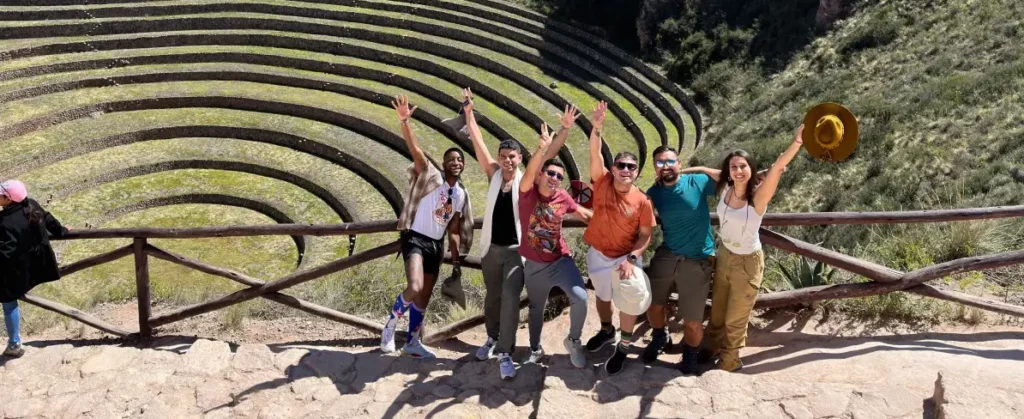
In the Sacred Valley of the Incas, just a short distance from one another, sit two of the...
Leer articulo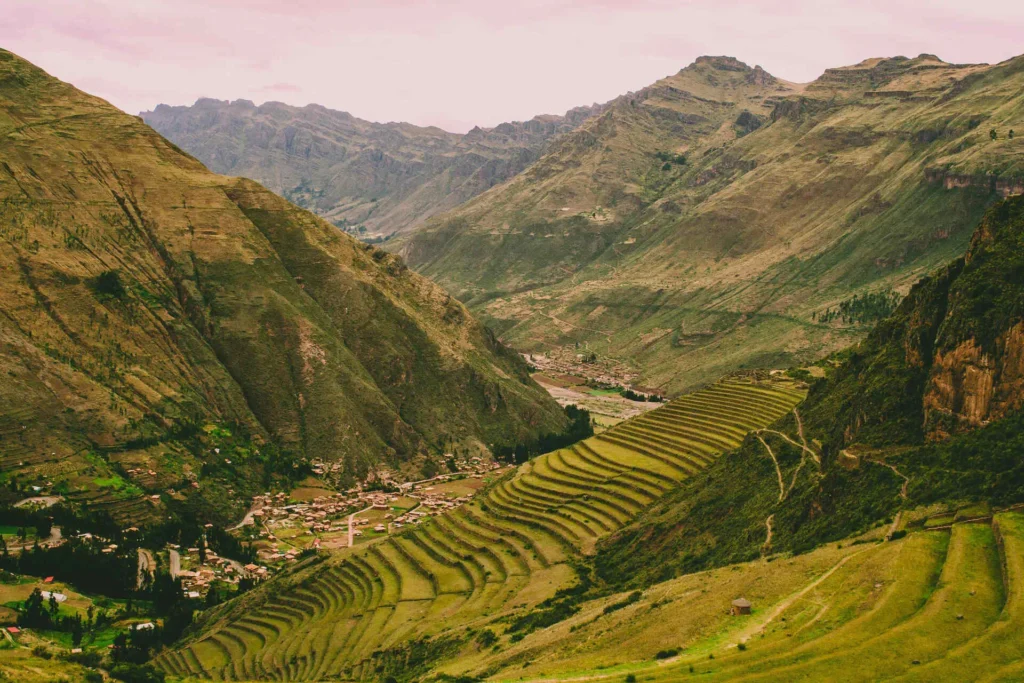
Pisac is one of those Sacred Valley destinations that manages to combine, in a single day’s visit, two...
Leer articulo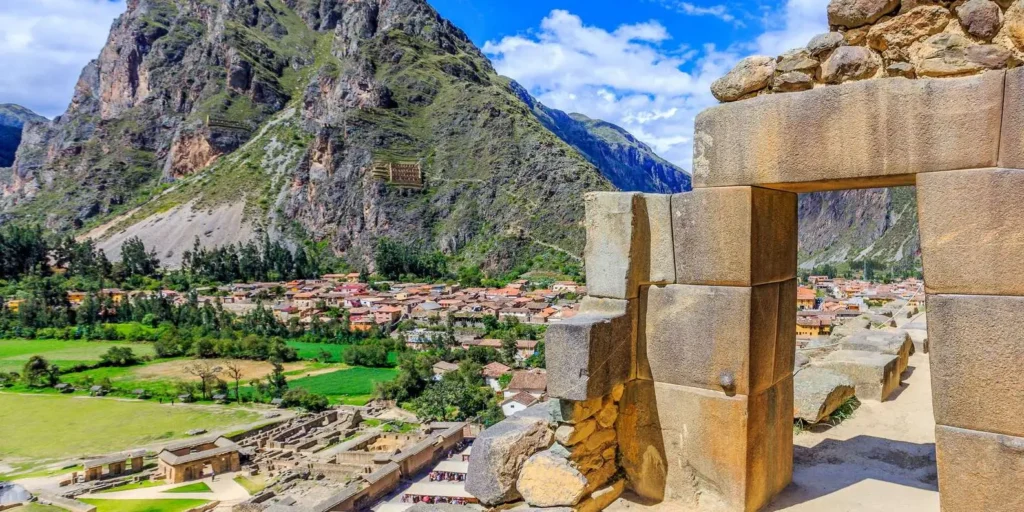
Ollantaytambo is, arguably, the most special town in the entire Sacred Valley of the Incas. Unlike other archaeological...
Leer articulo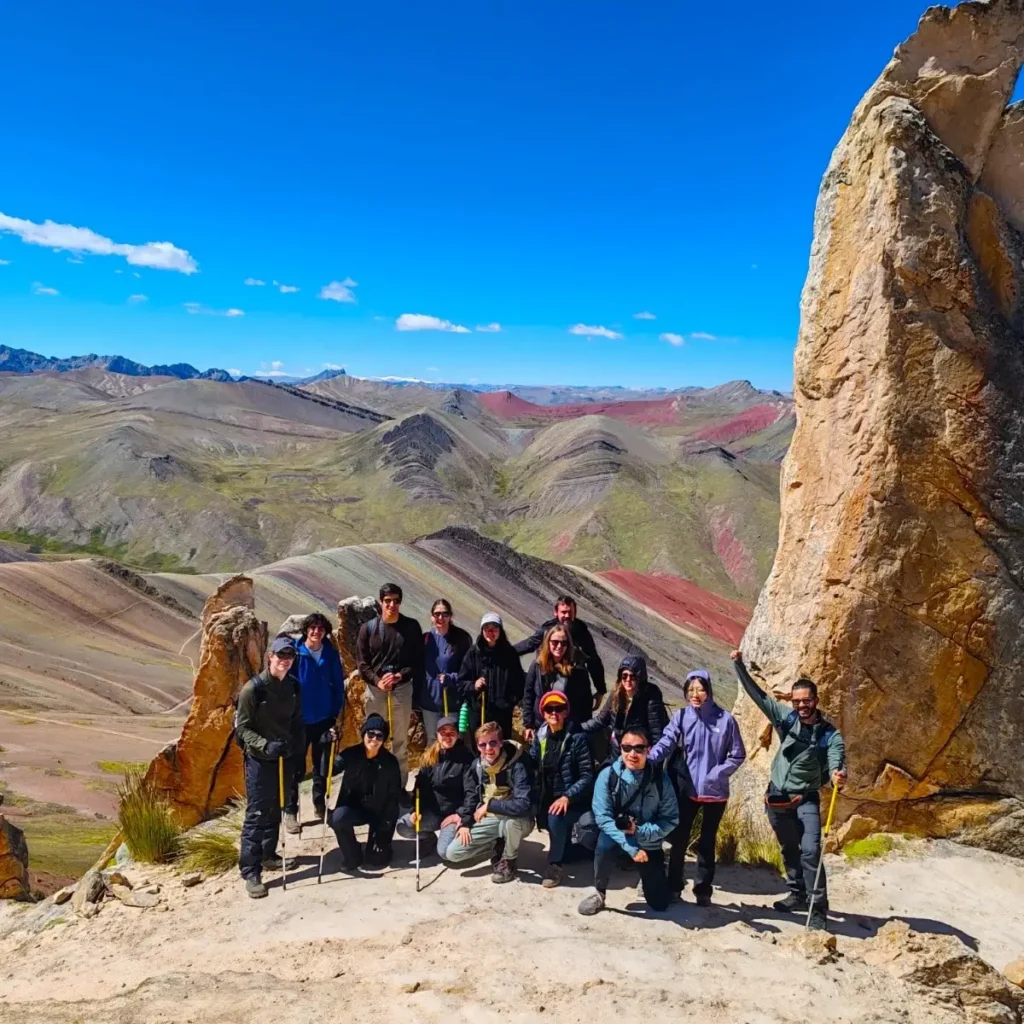
If you’ve been researching the famous rainbow mountains near Cusco, you’ve probably already come across Vinicunca, the Rainbow...
Leer articulo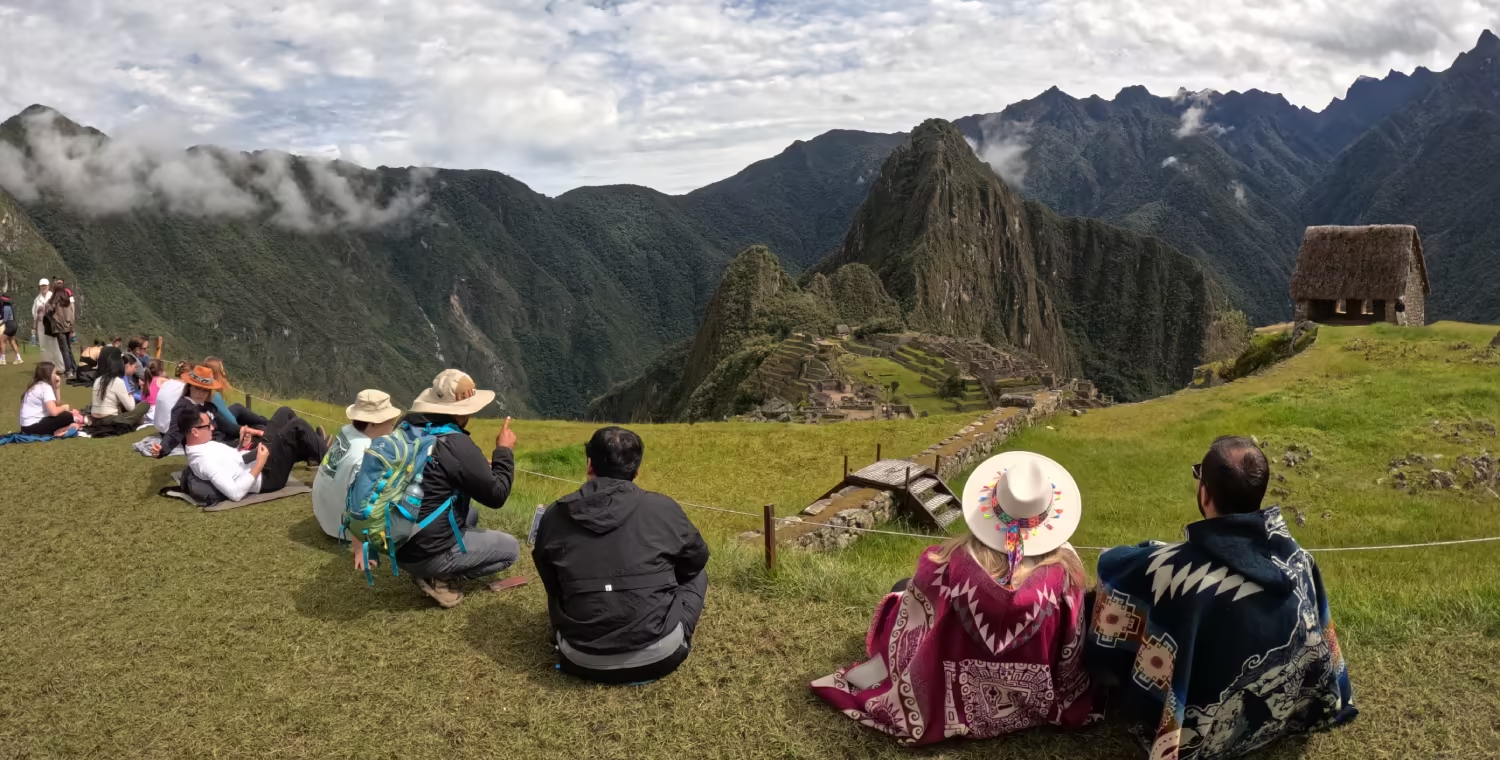
If you’re planning your visit to Machu Picchu, you’ve probably run into a term that causes quite a...
Leer articulo