8 min read
39 vistas
Cusco Tourist Ticket: What It Includes
If you’re planning your visit to Cusco, you’ve likely come across the term “Tourist Ticket” more than once....
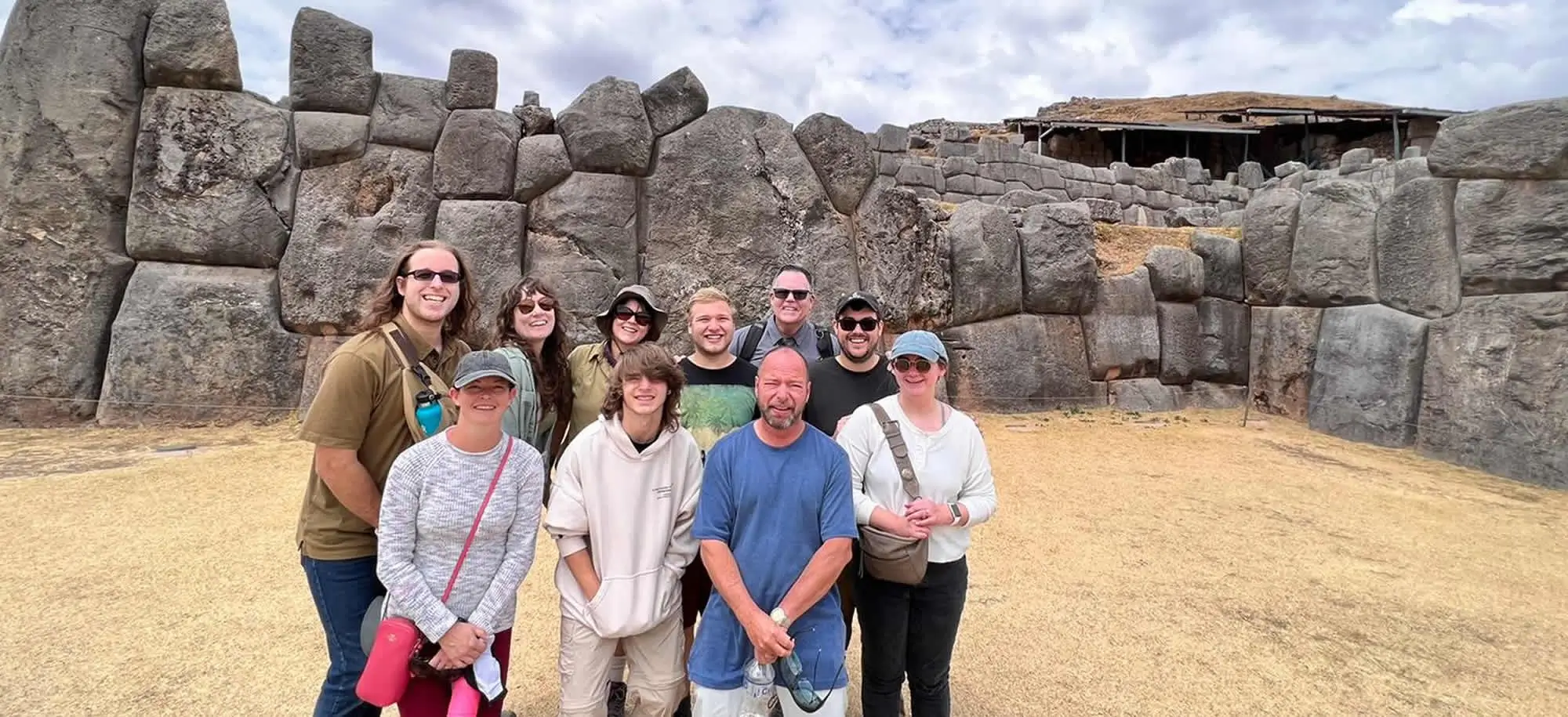
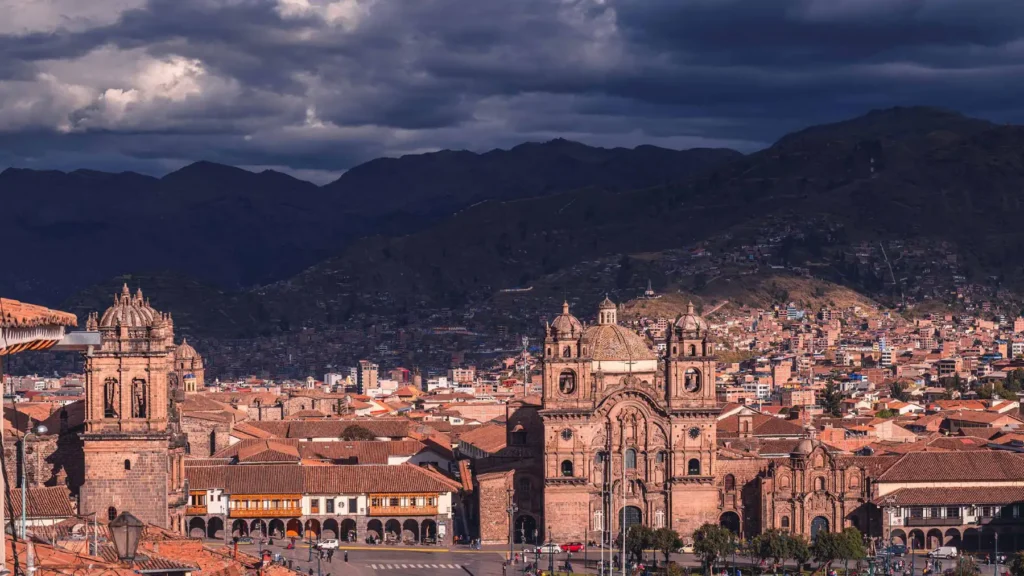
Leer articuloJust a few minutes from Cusco’s Plaza de Armas, on the hills overlooking the city from above, sits one of the most impressive archaeological sites in the entire Inca empire: Sacsayhuaman. Its cyclopean walls, formed by massive stone blocks fitted together with a precision that continues to baffle modern architects and engineers, make this a must-visit for anyone arriving in the historic capital of the Inca empire.
In this guide, we’ll cover everything you need to know about Sacsayhuaman: its history, how to get there, which other sites you can combine into the same visit, and practical tips to make the most of your tour.
Sacsayhuaman is an Inca archaeological complex located in the upper part of Cusco, a short walk from the historic center. Although it’s traditionally been described as a military fortress designed to defend the city, many contemporary researchers suggest its function was more complex, likely combining ceremonial, religious, and symbolic purposes alongside the military one.
According to Inca cosmovision, the city of Cusco was designed in the shape of a puma, and Sacsayhuaman would have represented the head of this sacred animal, with its zigzagging walls symbolizing the feline’s teeth. This interpretation, widely accepted among historians, adds an extra layer of symbolic meaning to a site that already feels imposing simply due to its scale and engineering.
The complex was also the setting for crucial historical events: one of the most important battles between the Incas and the Spanish conquistadors was fought here in 1536, during the rebellion led by Manco Inca, a confrontation that profoundly shaped the course of indigenous resistance against the conquest.
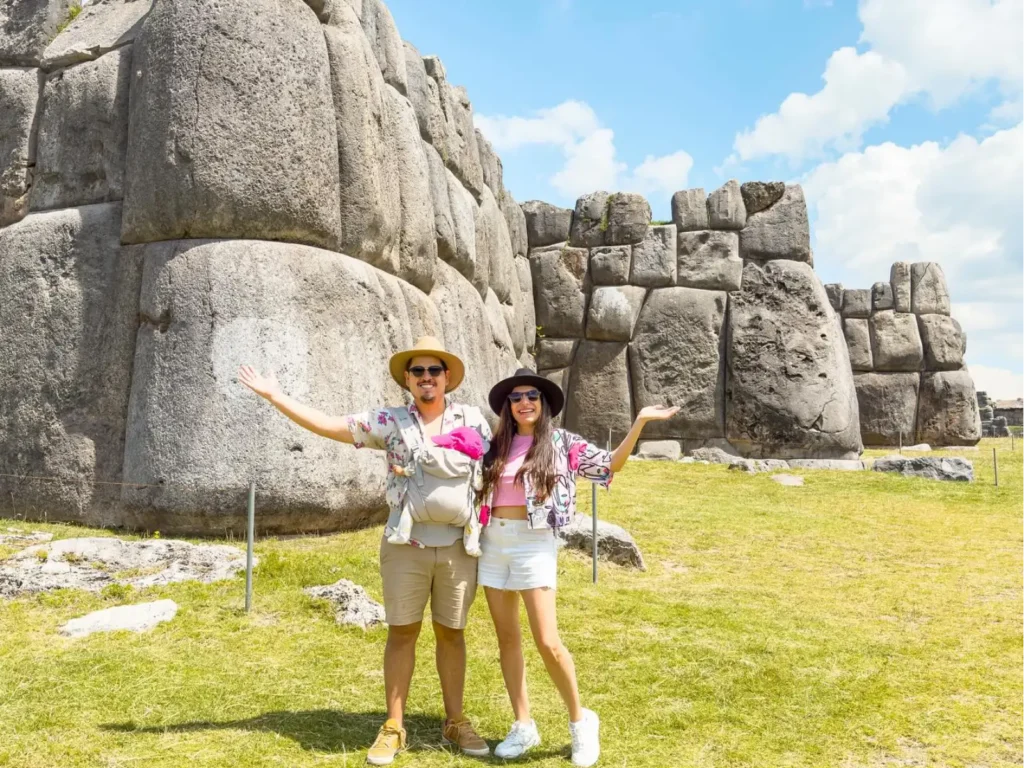
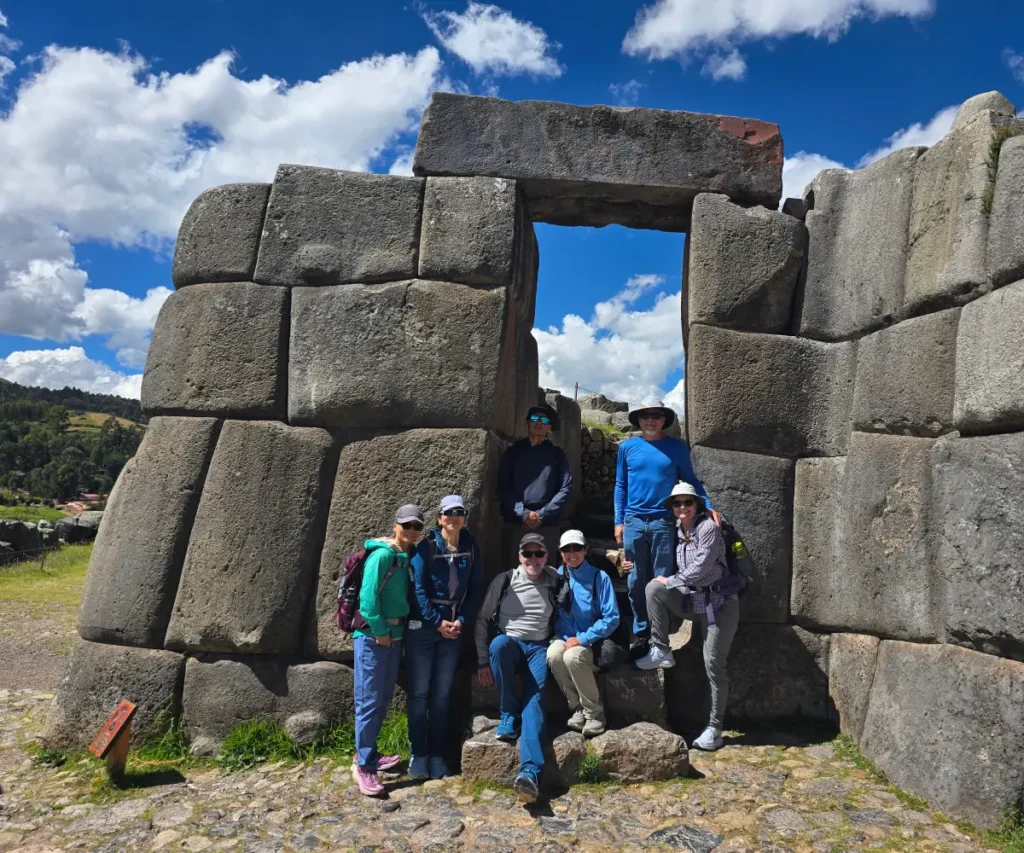
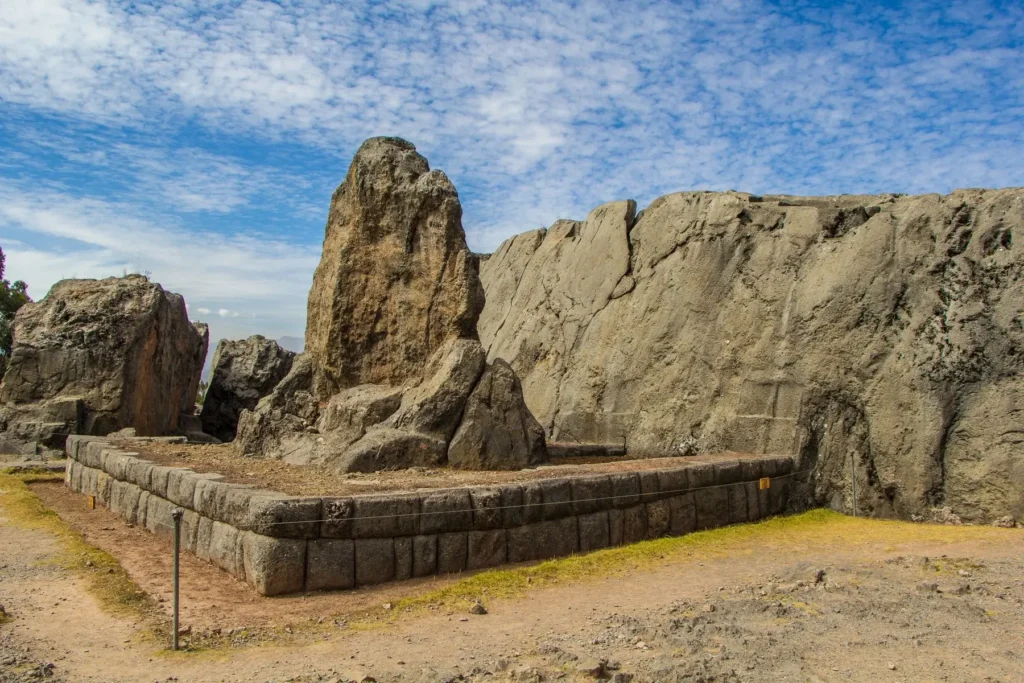
What sets Sacsayhuaman apart from other archaeological sites in the region is the truly monumental scale of its walls. These structures consist of three levels of zigzagging ramparts, built with limestone blocks of extraordinary size, some of which exceed 8 m (26 ft) in height and are estimated to weigh more than 100 tons.
The most astonishing thing about these walls isn’t just their size, but the precision with which each block was carved and fitted against its neighbors, without the use of mortar, and with joints so tight that, according to popular tradition, not even a sheet of paper could slip between them. This level of precision, achieved with stone and bronze tools, remains a subject of study and even genuine astonishment among contemporary engineers and archaeologists, who continue to investigate the exact techniques the Incas used to move and fit stones of such magnitude.
The zigzag design of the walls isn’t accidental: beyond its possible symbolism tied to the puma’s teeth, this configuration would have served a practical defensive function, allowing defenders to attack from multiple angles against any force attempting to storm the complex directly.
In front of the main walls stretches a large esplanade, still used today for the celebration of Inti Raymi, the Festival of the Sun, one of Cusco’s most important cultural events, held every June 24th, which reenacts Inca ceremonies dedicated to the Sun god.
Sacsayhuaman sits a very short distance from Cusco’s historic center, making it one of the most accessible archaeological sites in the entire region. There are several ways to get there:
On foot: From the Plaza de Armas, you can reach Sacsayhuaman on foot in approximately 30 to 45 minutes, through steep streets climbing up through the San Blas neighborhood. This option lets you enjoy panoramic views of the city along the way, though keep in mind it’s a steady uphill walk at considerable altitude, which can feel demanding if you’re not well acclimatized.
By taxi or private transportation: The fastest and most comfortable option, with a trip of just 10 to 15 minutes from the city center. This is the recommended alternative if you’d rather save your energy to explore the site at a relaxed pace, or if you’re visiting Cusco in the first days of your trip, when altitude acclimatization may still be a factor to consider.
As part of a city tour: Most operators in Cusco offer half-day tours that include Sacsayhuaman along with other nearby archaeological sites, generally with transportation and a guide included, a convenient option if you’d prefer a more complete experience with detailed historical context.
Access to Sacsayhuaman is included within Cusco’s General Tourist Ticket, a pass that bundles entry to multiple archaeological and cultural sites in the city and its surroundings, including both sites near the historic center and others located in the Sacred Valley. This ticket is, in most cases, the most economical and practical way to visit Sacsayhuaman along with the other archaeological sites in the area.
If you want to know in detail which sites this ticket includes, its different formats (partial or general ticket), and where you can purchase it, check out our complete guide to the Cusco Tourist Ticket, where you’ll find all the information you need to plan your visit as efficiently as possible.
One of Sacsayhuaman’s big advantages is its proximity to three other important archaeological sites, making it possible to combine all four into a single tour, generally half a day:
Q’enqo: Located a short distance from Sacsayhuaman, this site features a natural limestone outcrop carved with channels, steps, and a small underground chamber, believed to have been used for rituals related to agriculture and possibly ceremonial sacrifices.
Puka Pukara: A small complex of structures whose exact function still generates debate among archaeologists, though some theories suggest it may have functioned as a checkpoint or resting place for travelers heading toward the Sacred Valley.
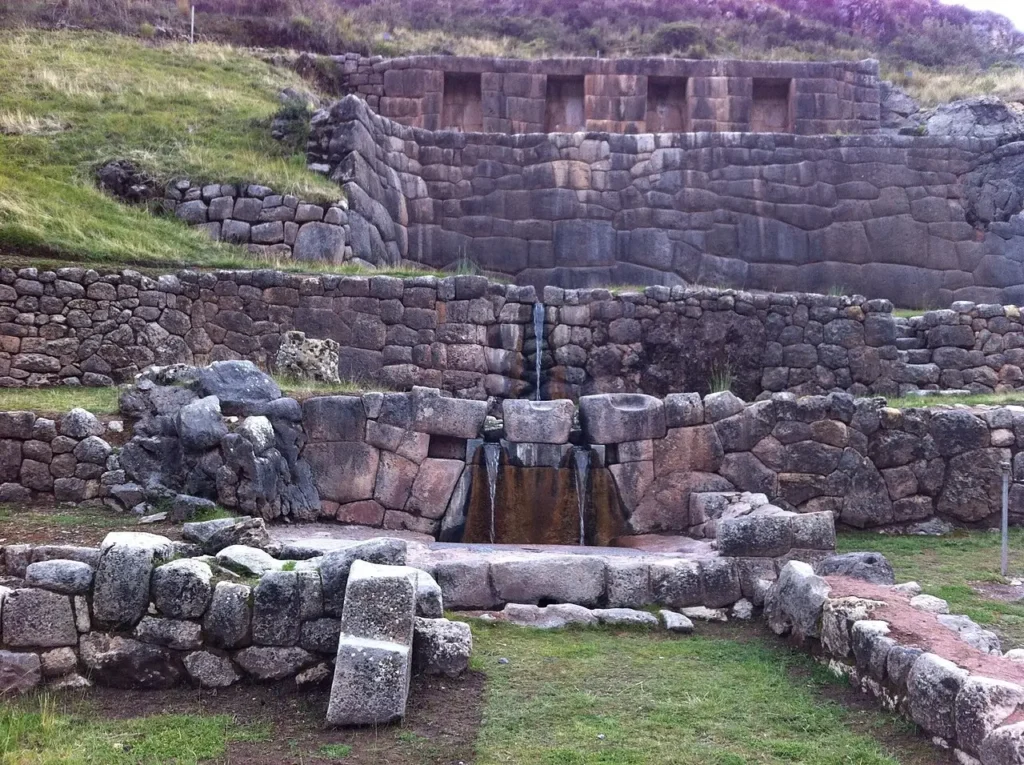
Tambomachay: Popularly known as “the Inca’s bath,” this site features a sophisticated system of channels and water fountains that still function today, likely serving a ceremonial purpose related to water worship, a central element in Andean cosmovision.
These four sites are usually visited in the order mentioned (Sacsayhuaman, Q’enqo, Puka Pukara, and Tambomachay), whether on foot, by private transportation, or as part of an organized tour, forming a route that combines archaeology, history, and Andean landscapes in a single morning or afternoon.
Before your visit to Sacsayhuaman, keep these practical tips in mind:
For more information on how to organize your time in the city and what other places to visit, be sure to check out our Cusco travel guide.
Sacsayhuaman is, without exaggeration, one of the most powerful examples of the Inca empire’s engineering and symbolic strength, and its proximity to central Cusco makes it an accessible visit even for those with limited time in the city. Whether you explore it on your own or as part of a broader tour of the nearby ruins, this ancient fortress is a stop you definitely won’t want to miss.
Ready to explore Cusco and its history? Discover Cusco with us through our Peru packages, and we’ll help you design an itinerary that includes Sacsayhuaman and the region’s other archaeological treasures.
También te puede interesar
If you’re planning your visit to Cusco, you’ve likely come across the term “Tourist Ticket” more than once....
Leer articulo
In the Sacred Valley of the Incas, just a short distance from one another, sit two of the...
Leer articulo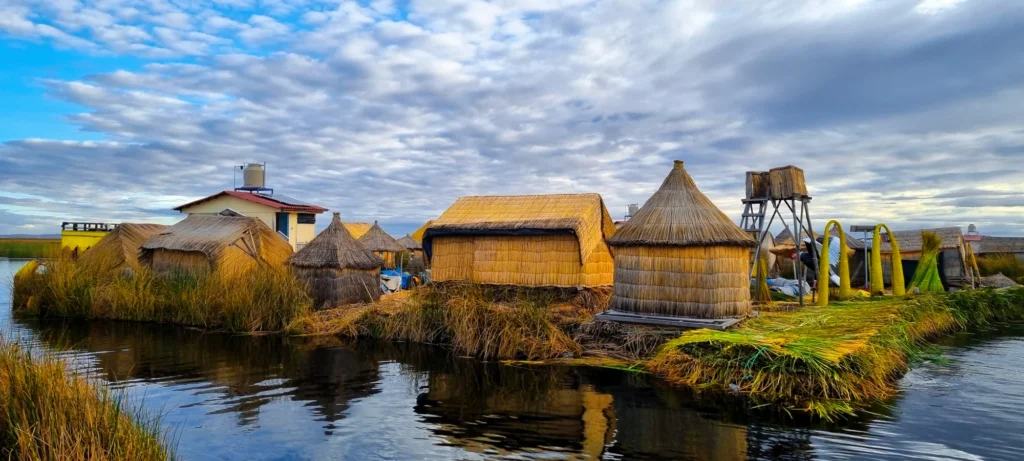
The Uros Islands Peru are one of the most unique cultural experiences on Lake Titicaca. Located near the...
Leer articulo