8 min read
40 vistas
Sacsayhuaman: The Inca Fortress Above Cusco (Guide)
Just a few minutes from Cusco’s Plaza de Armas, on the hills overlooking the city from above, sits...
Leer articuloIf you’re planning your visit to Cusco, you’ve likely come across the term “Tourist Ticket” more than once. This pass is the official way to access most of the city’s and its surroundings’ most important archaeological and cultural sites, and understanding it well before your trip can save you both money and logistical headaches. In this guide, we’ll explain exactly what it is, what options exist, what each one includes, and which suits you best based on your specific itinerary.
The Cusco Tourist Ticket, commonly abbreviated as BTC (Boleto Turístico del Cusco), is an official pass managed by local authorities that bundles access to a set of archaeological sites, museums, and cultural centers located both in the city of Cusco and in the Sacred Valley of the Incas. It was created precisely to simplify access to these sites, saving visitors from having to buy individual tickets for each destination, which in practice would be considerably more expensive and less practical.
It’s important to understand from the outset that the Tourist Ticket does not include entry to Machu Picchu, which is managed completely independently with its own ticket-sales system, something we cover in more detail later in this article.
The ticket is designed for travelers planning to explore several of these sites during their stay in the region, and its cost usually works out cheaper than paying individual admission to each destination separately, especially if your itinerary includes a good number of the attractions covered by the pass.
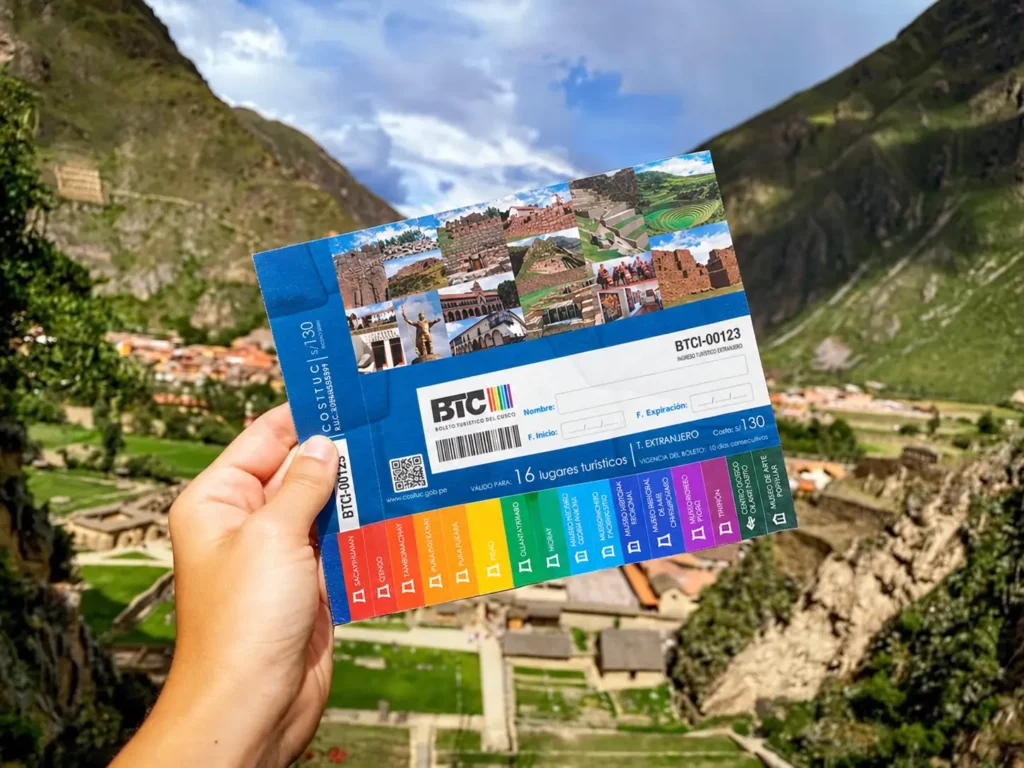
The Tourist Ticket is generally offered in different formats, designed to fit different types of itineraries:
General (Full) Tourist Ticket: This is the most comprehensive option, granting access to all the sites included within the BTC system, both those in Cusco city and those in the Sacred Valley. It’s usually valid for 10 days from purchase, giving you enough time to tour all the sites without rushing, even if you split your visits across several outings during your stay in the region.
Partial Tickets: In addition to the full ticket, there are partial tickets that group sites by specific geographic circuits. These are generally divided into three circuits: one covering the archaeological sites near the city of Cusco (such as Sacsayhuaman and its surroundings), another including Sacred Valley destinations, and a third focused on museums and cultural sites within Cusco’s urban center. These partial tickets usually have shorter validity, generally 1 to 2 days, and a lower cost than the full ticket, though they limit your access to only the sites in that specific circuit.
The choice between the full ticket and one or more partial tickets depends directly on how many sites you plan to visit and how many days you’ll spread your tour across. Since the exact formats, prices, and sites included in each circuit can change, we always recommend verifying the most up-to-date information before purchasing.
Although specific details can vary and are worth confirming before your trip, in general terms the Tourist Ticket system groups sites into three broad categories:
Archaeological sites near Cusco: This group typically includes Sacsayhuaman, the imposing Inca fortress above the city, along with other nearby sites like Q’enqo, Puka Pukara, and Tambomachay. If you want to know in detail what a visit to this area includes, check out our complete guide to Sacsayhuaman.
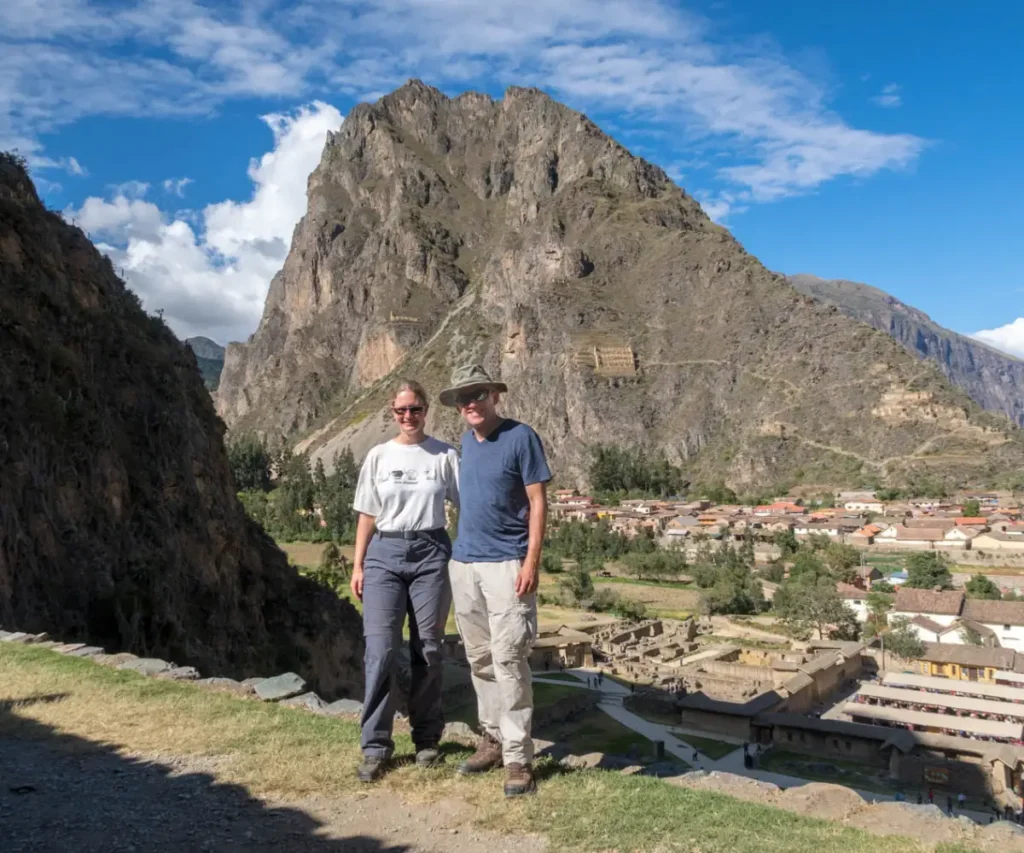
Sacred Valley sites: This circuit covers some of the most important archaeological destinations outside the city, such as Pisac, Ollantaytambo, Chinchero, and Moray, among others. To understand how these destinations connect with each other and plan your route through the area, check out our guide to the Sacred Valley.
Museums and cultural centers in Cusco city: This group typically includes several museums and cultural centers within Cusco’s historic center, offering context on the region’s history, art, and traditions, complementing the experience of visiting the outdoor archaeological sites.
Since the exact list of included sites and their visiting hours can be updated periodically, we always recommend confirming this information directly with local tourism authorities or your operator before finalizing your purchase.
The decision between the full ticket and the partial tickets largely depends on the length of your stay and how comprehensive you want your tour to be:
The Tourist Ticket can be purchased at several official points of sale, generally located in Cusco’s historic center, as well as at some of the main archaeological sites included in the system. In many cases, it’s also possible to arrange the purchase through your tour operator as part of a broader package, which can simplify the logistics if you’d rather not handle this on your own.
It’s important to bring your passport or ID at the time of purchase, since it’s normally required to process the sale and may be requested again upon entering each site included in the ticket.
As for prices, these can vary and are updated periodically, and there are also discounted rates for students with a valid international student card, as well as different pricing for minors. For this reason, we don’t include specific figures in this guide: we recommend verifying current prices directly with Cusco’s tourism authorities or with your operator when planning your purchase.
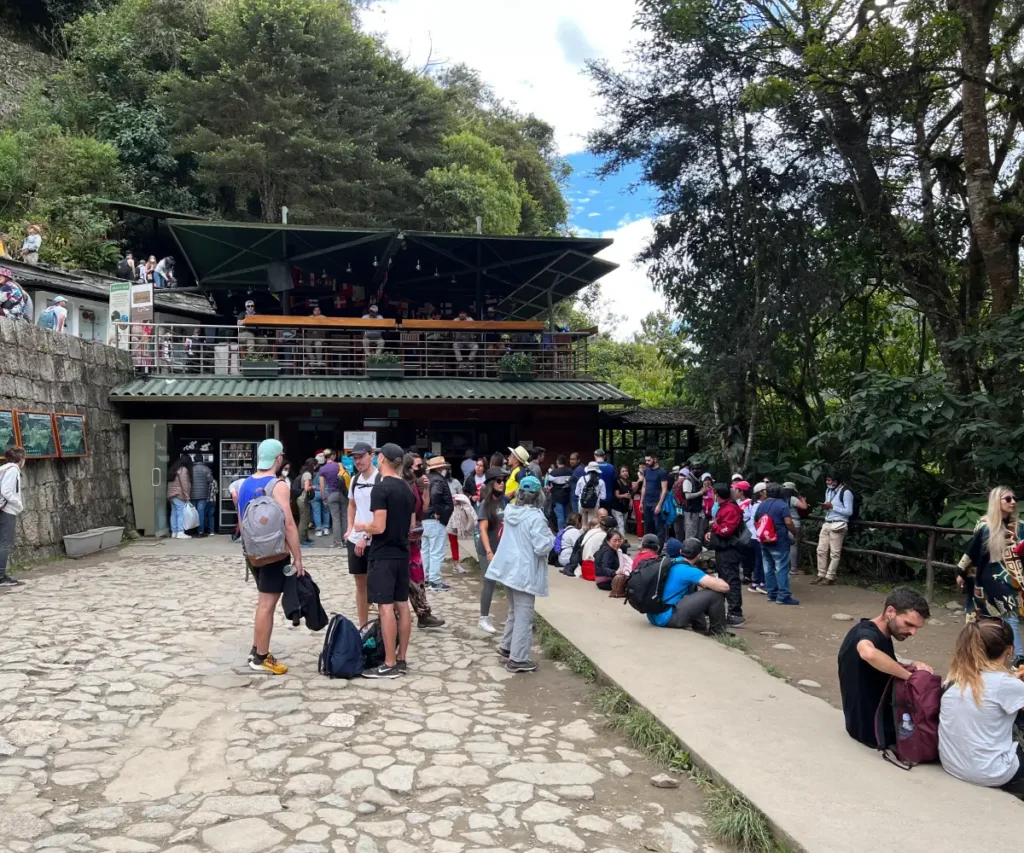
This is one of the biggest points of confusion for travelers visiting Cusco for the first time: the Tourist Ticket does not include, under any format, access to the Machu Picchu citadel. Entry to this site is managed completely separately, through its own ticket-sales system with limited spots, specific circuits, and predetermined entry times.
If your plan includes a visit to Machu Picchu, whether as part of a trek or arriving by train from the Sacred Valley, you’ll need to purchase your Machu Picchu ticket (separate) independently, and we recommend doing so well in advance, especially if you’re traveling during high season (May to September), when spots tend to sell out several weeks ahead of the most sought-after dates.
Before buying your Tourist Ticket, keep these practical tips in mind:
For more information on how to organize your full visit to the city, be sure to check out our Cusco travel guide.
The Cusco Tourist Ticket is an essential tool for planning your visit to the region efficiently and affordably, but it requires understanding its different formats well to choose the option that best fits your itinerary. Always remember to verify the most current information on prices and included sites before your purchase, since these details can be updated over time.
Ready to plan your visit to Cusco? Plan your Cusco itinerary with us through our Peru packages, and we’ll help you determine which ticket you need based on the sites you want to see.
También te puede interesar
Just a few minutes from Cusco’s Plaza de Armas, on the hills overlooking the city from above, sits...
Leer articulo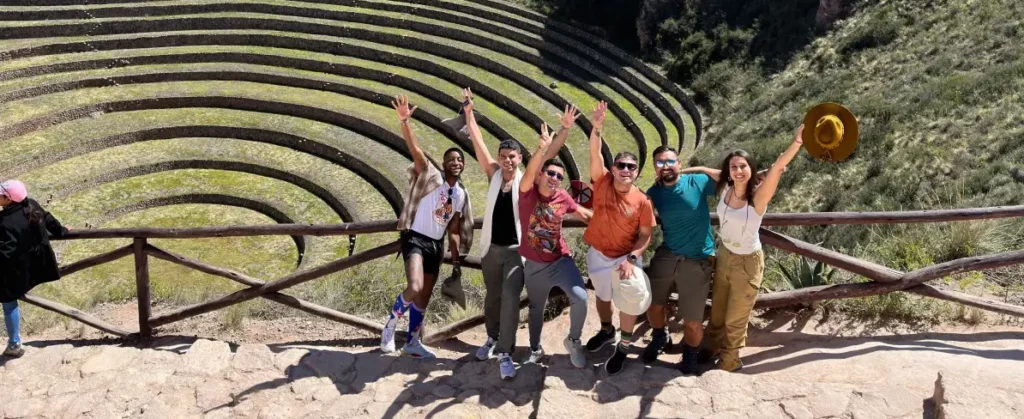
In the Sacred Valley of the Incas, just a short distance from one another, sit two of the...
Leer articulo
The Uros Islands Peru are one of the most unique cultural experiences on Lake Titicaca. Located near the...
Leer articulo