
6 min read
52 vistas
Inti Raymi: the Festival of the Sun in Cusco
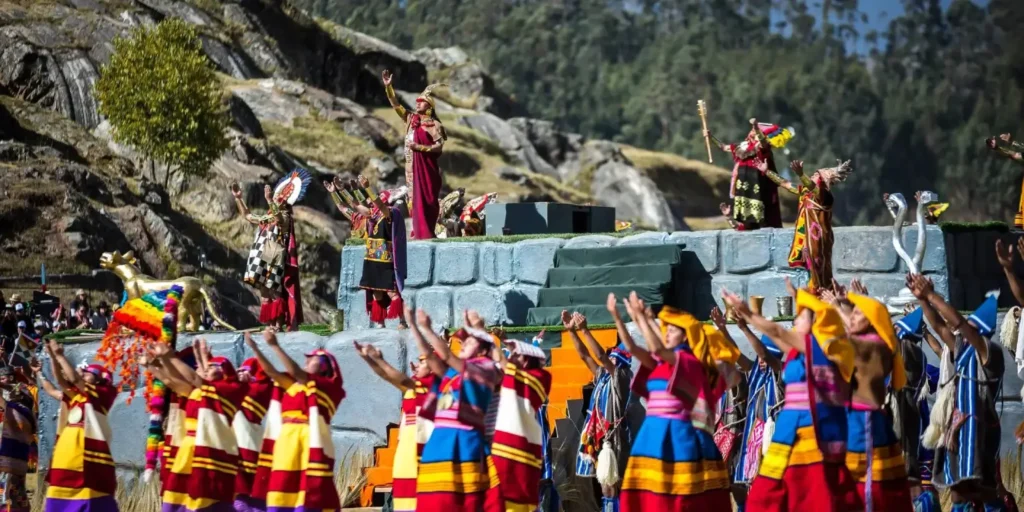
Every June 24, Cusco stops to welcome the sun. Inti Raymi brings hundreds of actors, musicians and dancers...
Leer articuloKnowing what to buy in Peru saves you money and keeps you from hauling home souvenirs that were not worth the luggage space. The country has a living craft tradition, with textiles, ceramics, silver and products such as coffee and chocolate, but also a lot of factory-made merchandise sold as if it were handmade.
This guide covers the best Peru souvenirs, how to tell a genuine alpaca garment from a fake, where to shop, how to haggle respectfully and what is better to skip. If you are passing through the city, round out your plans with our Cusco travel guide.
The souvenirs most people buy, and that hold their value best, are these:
In general, buy a few good pieces rather than many cheap ones.


Alpaca wool is soft, warm and light, which is why it sells so well. It is also why so many acrylic garments are passed off as “100% baby alpaca”. There is no foolproof test, but these signs help, according to buying guides from local sellers:
None of this is a guarantee. If the purchase matters, ask to see the label and buy from a place that can explain the composition.
Alpaca vs llama wool. Both fibers are warm and of Andean origin. Alpaca is generally finer and softer; llama is somewhat coarser, a little warmer and more likely to itch. The figures quoted vary by source (and many come from sellers), so test the garment on your forearm: if it itches, it will not work against your skin. Within alpaca, baby alpaca is the finest and least itchy.
Ceramics. Look for hand-finished, hand-painted pieces with no factory stamps. Many reproduce designs from pre-Hispanic cultures: if a piece is a reproduction, it should say so plainly. A piece sold as an “original antique” should not be on sale in a street stall or a shop, and you will not be able to take it out of the country (see below).
Silver. Ask about purity and whether the piece is hallmarked. Check clasps and joints, and be wary if the price is very low for the weight. Established shops or artisans with a workshop give you more room to ask questions. Pack fragile pieces carefully.
These are the easiest souvenirs to pack and to give. Peruvian coffee and cacao are sold roasted or as bars in specialty shops and markets; look for sealed packaging with a roast or production date. Pisco, a grape brandy, is the country’s signature spirit.
If you buy liquor, put it in checked luggage, well protected, and review your airline’s and your home country’s limits. A practical tip: buy these items at the end of the trip so you are not carrying the weight around.
Craft markets. They offer more variety and more flexible prices, and they are a good way to support artisans directly. The trade-off is that you need to look more carefully, because handmade pieces sit next to factory-made goods. If you are wondering where to shop in Cusco and the surrounding area, the market at Pisac is a classic; read more in Pisac: market and ruins and in our guide to the Sacred Valley.
Stores and workshops. Prices are higher and less negotiable, but they usually offer labels, a guarantee of composition and the chance to learn who made the piece. For quality alpaca garments, this is the safest option.
Cooperatives and community projects. A good way to buy hand-woven pieces and make sure the money reaches the people who made them. Ask who produces the items and how income is shared.
A practical strategy: check prices and quality in a store, then compare in the market.
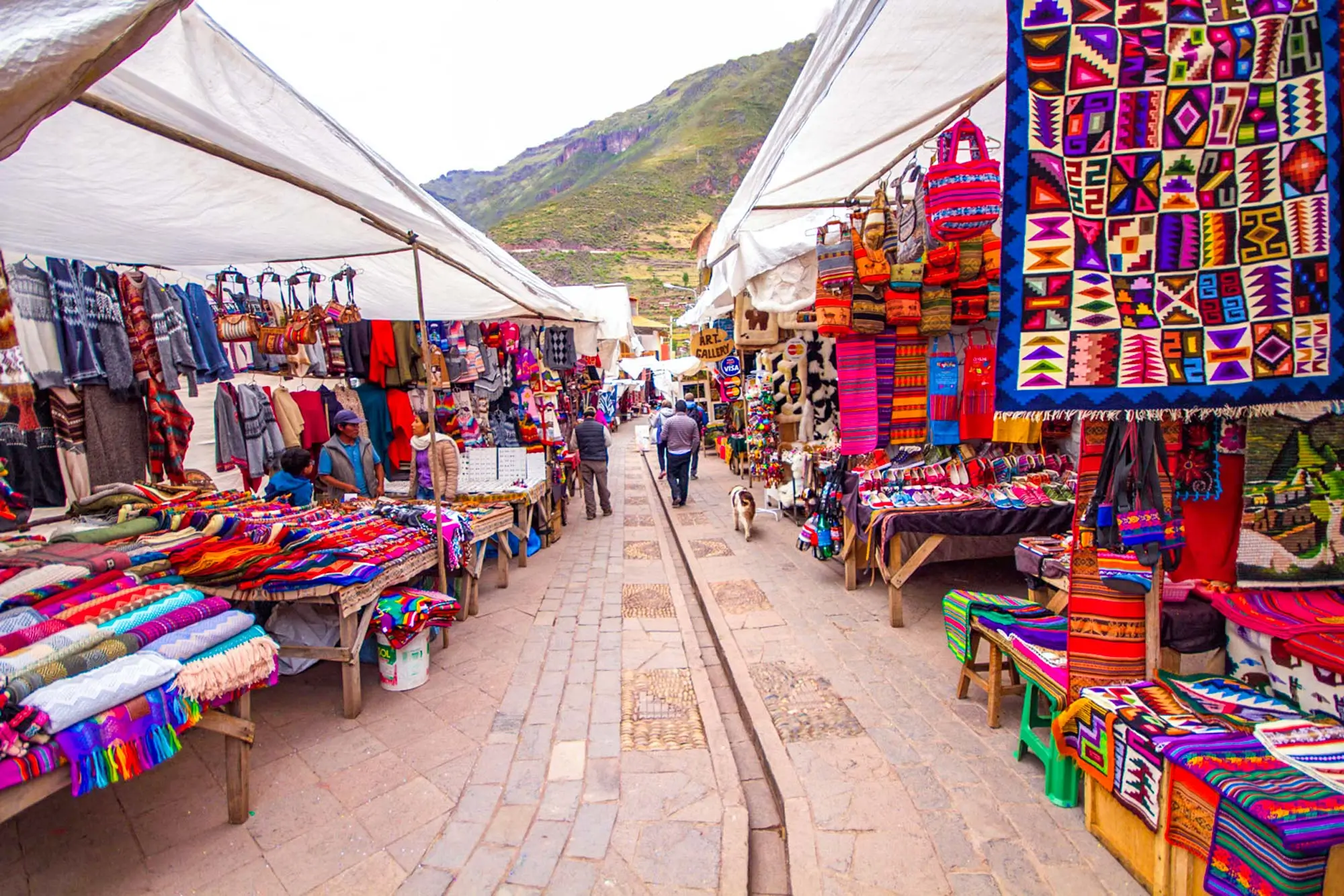

Haggling is normal in markets, but not in fixed-price stores. Do it with a smile, without rushing and without causing offense:
Customs rules change, so check current rules for Peru and your home country before you fly.
If you want to combine shopping, culture and scenery in one route, take a look at our Peru packages and discover Peru with us.
También te puede interesar
Every June 24, Cusco stops to welcome the sun. Inti Raymi brings hundreds of actors, musicians and dancers...
Leer articulo
If you’re planning your visit to Cusco, you’ve likely come across the term “Tourist Ticket” more than once....
Leer articulo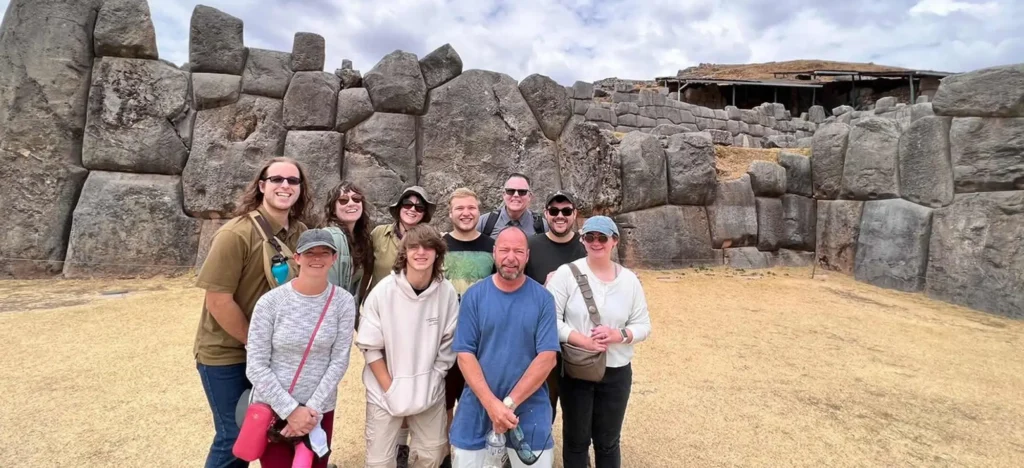
Just a few minutes from Cusco’s Plaza de Armas, on the hills overlooking the city from above, sits...
Leer articulo
In the Sacred Valley of the Incas, just a short distance from one another, sit two of the...
Leer articulo
The Uros Islands Peru are one of the most unique cultural experiences on Lake Titicaca. Located near the...
Leer articulo