

8 min read
34 vistas
Peru in 3 or 4 days: what to see on a short trip
Not everyone has two weeks to spare. Sometimes it is a long weekend, a few vacation days or...
Leer articuloA good Peru packing list is hard to write because a single trip can take you from a mild day in Lima to a freezing morning in Cusco and a humid afternoon in the jungle. The key is not to bring more clothes, but the right ones, combined in layers.
This guide explains how to pack by region, how to dress for altitude, which footwear to choose, what documents and money to carry and what to put in a basic first-aid kit, and it ends with a checklist you can tick off. It is general travel content, not medical advice. If you already have dates, also check the Peru weather by month.
Peru combines three big zones: the coast (Lima), the highlands (Cusco and the Andes) and the Amazon. Each calls for different clothes, and the trick is a small suitcase of light pieces that mix easily and dry fast.
If you plan to trek, this list is not enough: see the specific lists, such as the Inca Trail packing list and the Salkantay Trek packing list.
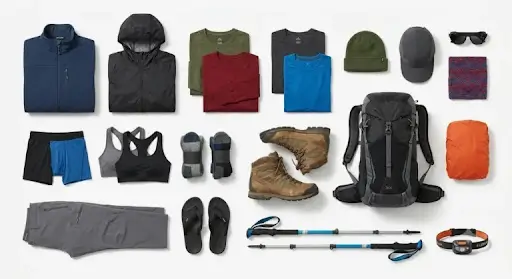
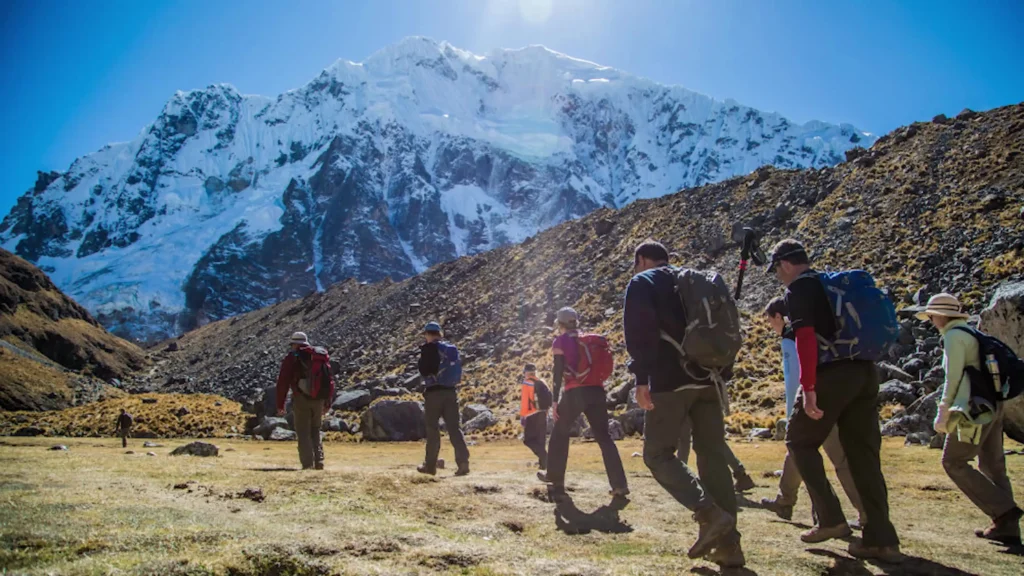
Lima and the coast. Bring a light jacket for mornings and evenings, a sweater or mid-layer and comfortable clothes for walking around the city. Mist and low clouds are common in some months. If you travel in summer, add swimwear and sun protection. Include one slightly smarter outfit if you want to dine at a nice restaurant.
Cusco and the highlands. Layers rule here: a light thermal base, a fleece or sweater, a warm jacket and a windbreaker or rain shell. For dawn tours, add a hat and light gloves. Quick-dry pants and breathable shirts are the most practical. Puno and Lake Titicaca can be cold in the mornings.
Amazon. Long-sleeve shirts and pants, lightweight, light-colored and breathable, to protect you from sun and insects. Add a wide-brim hat, quick-dry socks and a light poncho for rain.
In every region, remember the basics: UV-protection sunglasses, broad-spectrum sunscreen and a hat or cap.
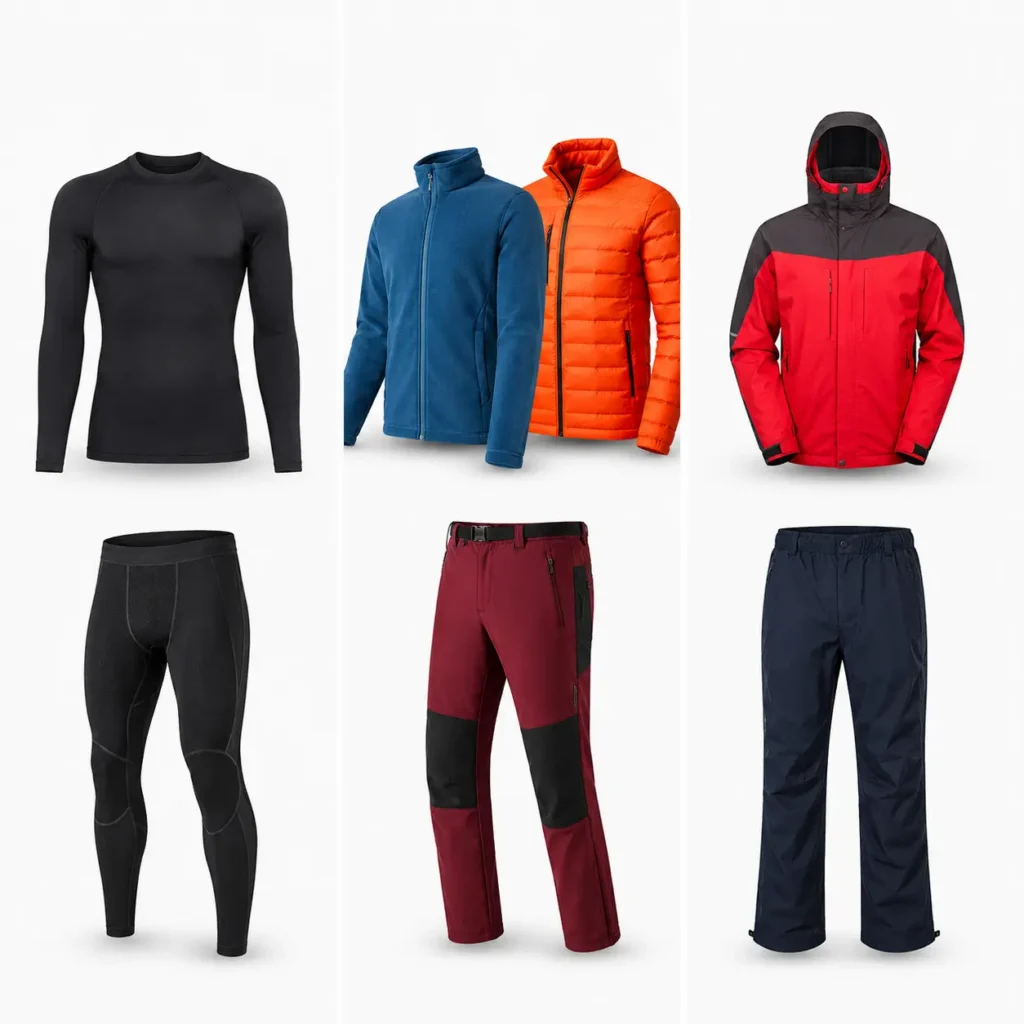
At altitude the weather can change within minutes: strong sun at noon, cold once it sets, or wind at a viewpoint. A three-layer system works well:
This lets you add or remove clothing through the day without carrying a bulky coat. Include a hat, scarf or buff and thin gloves for sunrises.
The right footwear prevents blisters and slips on the stone steps of archaeological sites. A practical combination:
Test your shoes on several walks before you travel: wearing new shoes for the first time on the trip is the fastest way to get blisters.
Documents. Bring your passport, with printed copies and a digital backup stored separately. Some guides say the passport should have at least six months of validity beyond your departure date, but rules depend on your nationality and airline, so check your own case in the Peru travel requirements. On arrival you will receive an immigration card to keep with your passport, and proof of onward travel may be requested. Add your travel insurance details, printed bookings and, if you are going to the Amazon, your vaccination records.
Money. The currency is the Peruvian sol (PEN). The most practical setup is a main card and a backup card plus some cash in soles for markets, tips and rural areas, preferably in small bills. Tell your bank you are traveling and keep in mind that ATMs may have withdrawal limits. A slim money belt or inner pocket helps in crowded places.
Electricity. Peru uses 220 V and Type A, B or C plugs. Bring a universal adapter and check that your chargers handle that voltage.

This is general travel information and not medical advice. Talk to your doctor before you travel, especially if you take medication or have a health condition, and about vaccines or any altitude medication.
A simple kit usually includes:
In Cusco and other high areas, most people notice the effects of altitude above about 2,000 m (6,560 ft). Take it easy for the first 24 to 48 hours, stay hydrated and tell your guide if you feel unwell. Avoid tap water and choose bottled or treated water.
Tick off what you already have:
With your bag ready, the only thing left is the itinerary: plan your trip with experts.
También te puede interesar
Not everyone has two weeks to spare. Sometimes it is a long weekend, a few vacation days or...
Leer articulo
Money questions are some of the first ones travelers ask before landing in Lima. How much is the...
Leer articulo
Knowing what to buy in Peru saves you money and keeps you from hauling home souvenirs that were...
Leer articulo
Cusco’s food is much more than guinea pig and quinoa soup. It is a high-altitude cuisine that blends...
Leer articulo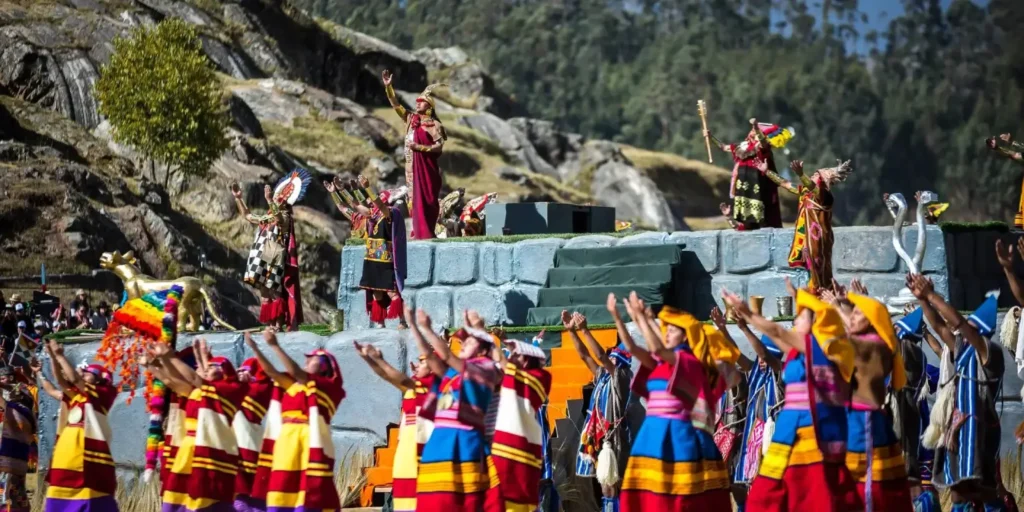
Every June 24, Cusco stops to welcome the sun. Inti Raymi brings hundreds of actors, musicians and dancers...
Leer articulo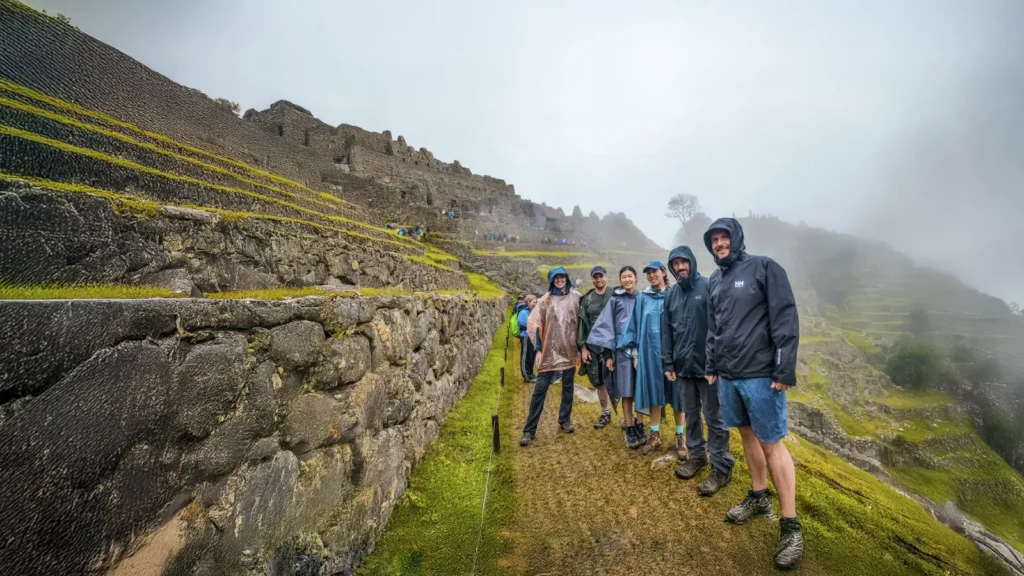
Machu Picchu weather changes less in temperature than in rain: the differences between months show up mostly in...
Leer articulo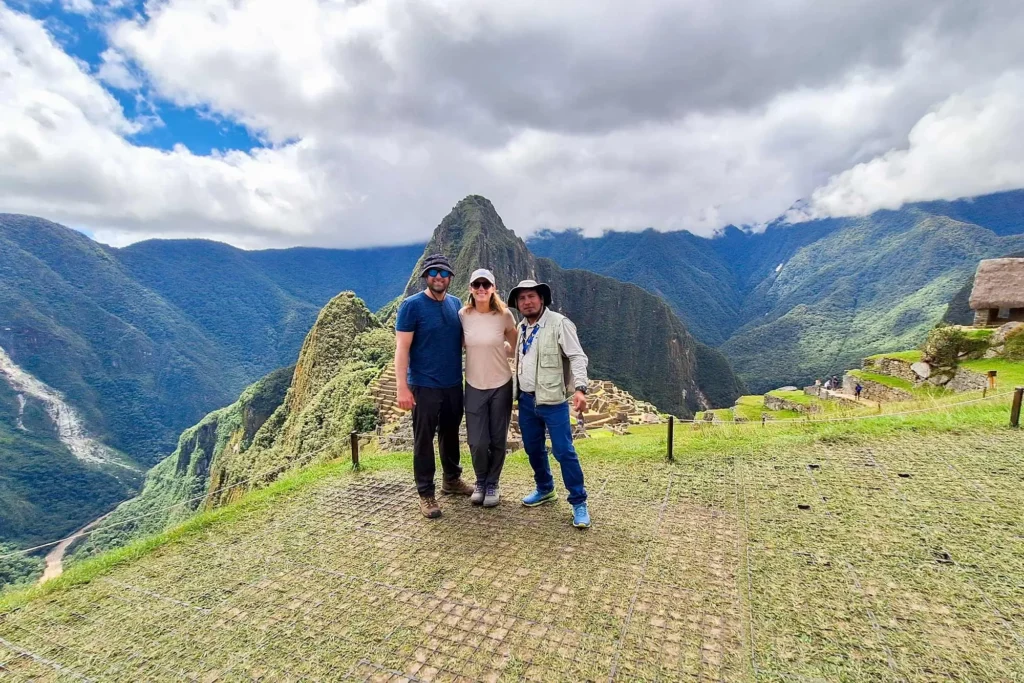
Yes, you can see Machu Picchu in one day from Cusco, but it is a long day with...
Leer articulo
Going from Lima to Cusco overland is far more than a long transfer. You cross the coastal desert,...
Leer articulo