
8 min read
34 vistas
Peru in 3 or 4 days: what to see on a short trip
Not everyone has two weeks to spare. Sometimes it is a long weekend, a few vacation days or...
Leer articuloMoney questions are some of the first ones travelers ask before landing in Lima. How much is the right amount for tipping in Peru? Should you carry dollars or soles? Will your card work in Cusco, or in a small village on the way to Machu Picchu? The short answer: Peru is easy to navigate financially, but a little preparation saves you from awkward moments, bad exchange rates and counterfeit bills.
This guide explains the local currency, when dollars are useful, how much to tip restaurants, guides, drivers and porters, and how to handle ATMs, cards and cash safely. If you are still building your itinerary, you can also read how to plan your trip to Peru for the bigger picture.
Peru’s currency is the sol (plural: soles; code PEN; symbol S/), divided into 100 céntimos. You will see coins of 10, 20 and 50 céntimos and of 1, 2 and 5 soles, plus banknotes of 10, 20, 50, 100 and 200 soles.
The exchange rate changes daily, so we do not quote one here. Check a reliable converter or your bank’s app shortly before you travel and again once you arrive. For a wider view of what a trip costs day to day, see our guide to the Peru trip budget.
One practical note: large notes (100 and 200 soles) are hard to break at small shops, taxis and market stalls. Ask for smaller notes whenever you change money or withdraw cash.


For everyday spending, soles are the better choice. Taxis, markets, snacks, local restaurants, museum tickets, public transport and most small shops expect soles, and prices in soles are usually fairer than a converted dollar price.
U.S. dollars are accepted in some places, mainly hotels, tour operators and other tourist-oriented businesses in cities such as Lima, Cusco and Arequipa. Even there, you may get a less favorable rate than you would by paying in soles. If you bring dollars, make sure the bills are clean, undamaged and not torn or heavily worn, because many businesses and exchange offices refuse damaged notes.
A simple approach works well for most travelers: carry a modest reserve of dollars for emergencies or larger payments to your operator, and use soles for daily expenses. When a price is shown in dollars, ask which currency you will be charged in and what rate is being applied.
Tipping in Peru is voluntary and reflects how happy you were with the service. There is no legal obligation, and the amounts below are approximate ranges based on general customs, not official tariffs. Adjust them to your budget, group size and the quality of service.
In simple local places with a set lunch menu (menú del día), tipping is not expected; rounding up or leaving a few soles is a kind gesture. In mid-range and upscale restaurants, many travelers leave about 5–10% of the bill if service was good.
Before tipping, check your bill. Some restaurants add a service charge (recargo al consumo) of up to around 13%. It is not always clear how much of it reaches the staff, so if it is already included, an extra tip is optional. If you want to reward a waiter directly, a few extra soles in cash is the most reliable way.
Tour guides depend partly on tips, and a small gratuity at the end of the day or trip is appreciated. Common ranges, per traveler:
| Who | Approximate tip |
|---|---|
| Group-tour guide (full day) | S/10–20 per person |
| Private guide (full day) | S/30–50 per day |
| Tour driver | S/5–10 per traveler (optional) |
| Hotel porter | S/3–5 per bag |
| Housekeeping | S/5–10 per room, per day |
| Taxi driver | Not expected; round up the fare |
For multi-day treks such as the Inca Trail or Salkantay, there is no single fixed figure. Guides, cooks and porters are usually tipped as a team, and groups often pool the money and hand it over together on the last day. Ask your operator for a recommendation before you leave, and bring enough small notes in soles for the end of the trek.
Porters who carry your bags, and housekeeping staff, appreciate a small tip in cash. Soles are best, since they can use them right away.
ATMs are easy to find in cities and larger towns, including Lima, Cusco, Arequipa and Aguas Calientes. Prefer machines inside banks, shopping malls or other busy, well-lit places, and avoid withdrawing cash on a quiet street at night. Most ATMs dispense soles, and some also offer dollars.
Expect a per-withdrawal limit, often somewhere around 400–700 soles depending on the machine, plus a flat fee from the local bank. Your own bank may add a foreign transaction fee, commonly around 1–3%. Fees and limits change, so check them with your bank before you go. It is usually cheaper to make fewer, larger withdrawals than many small ones, within the machine’s limit and your own comfort level.
Cards: Visa and Mastercard are widely accepted in hotels, restaurants, shops and tour offices in cities and tourist areas. American Express and Discover are accepted less often. Small vendors, local markets such as Cusco’s Mercado San Pedro, family-run eateries and rural areas are mostly cash-only, and mobile payments only work at select merchants.
Some businesses add a surcharge for card payments, and a card machine may be offline in remote areas, so never rely on plastic alone. Tell your bank you are traveling, carry two different cards if possible, and keep them in separate places.
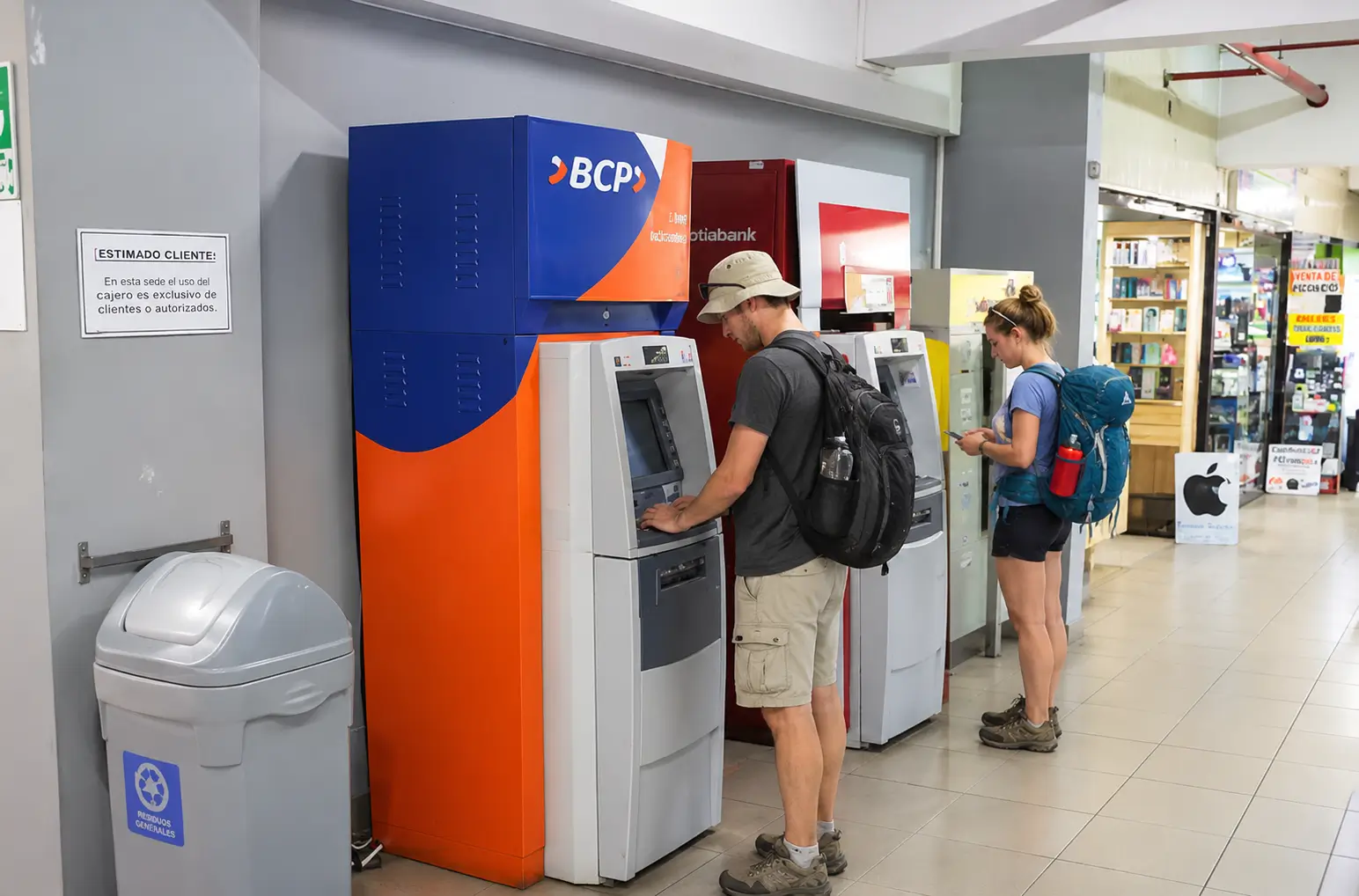

If you need to exchange cash, use banks or authorized exchange offices (casas de cambio). Street money changers are common near borders and tourist areas, but counterfeit bills are a known risk, and the convenience is rarely worth it. Airport counters tend to offer weaker rates than city exchange offices, so change only what you need to get to your hotel and handle the rest in town.
A few habits make carrying money simpler and safer:
Before you leave, also review entry and customs information in our Peru travel requirements so nothing about your documents or arrival catches you off guard.
With a small stash of soles, a card or two as backup and a sense of what is customary, handling money in Peru is straightforward. Remember that tips are always a personal choice: give what feels right for the service you received.
Ready to travel with confidence? Plan your trip with us and our team will help you with the details.
También te puede interesar
Not everyone has two weeks to spare. Sometimes it is a long weekend, a few vacation days or...
Leer articulo
A good Peru packing list is hard to write because a single trip can take you from a...
Leer articulo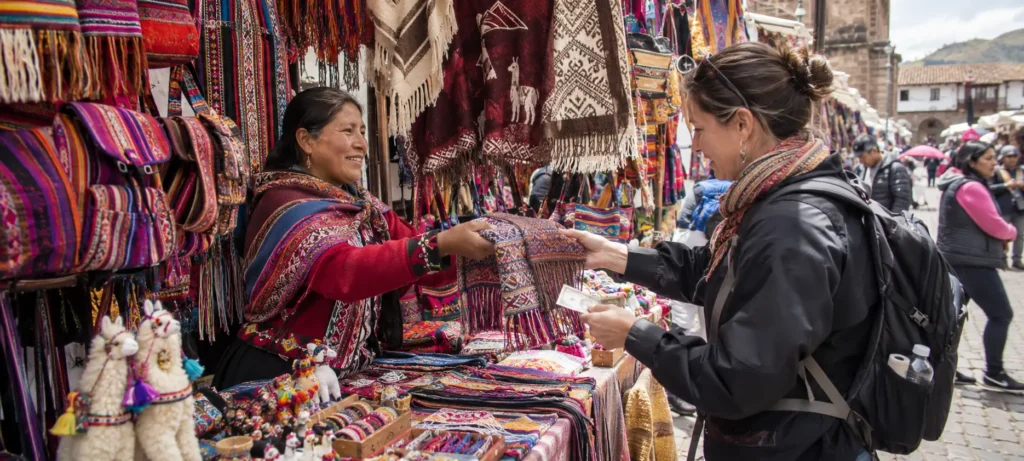
Knowing what to buy in Peru saves you money and keeps you from hauling home souvenirs that were...
Leer articulo
Cusco’s food is much more than guinea pig and quinoa soup. It is a high-altitude cuisine that blends...
Leer articulo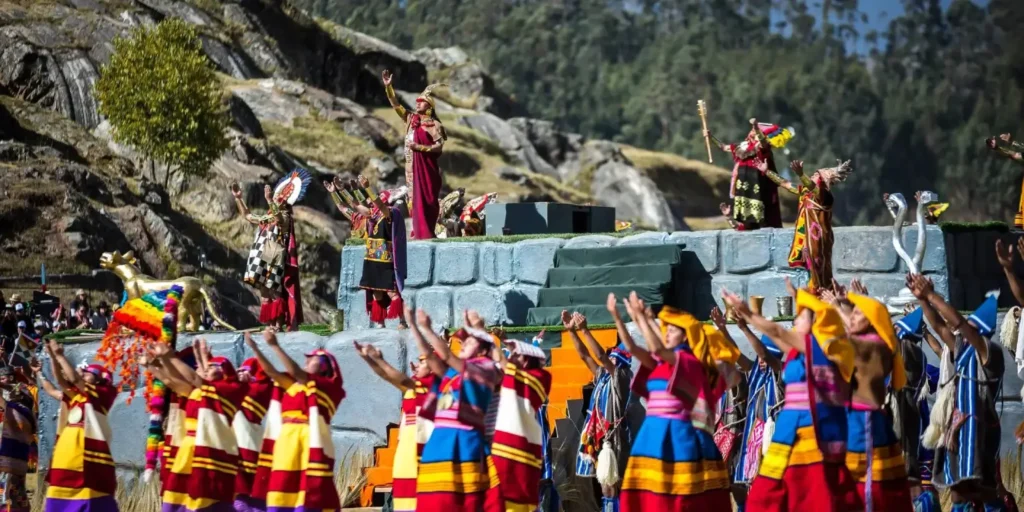
Every June 24, Cusco stops to welcome the sun. Inti Raymi brings hundreds of actors, musicians and dancers...
Leer articulo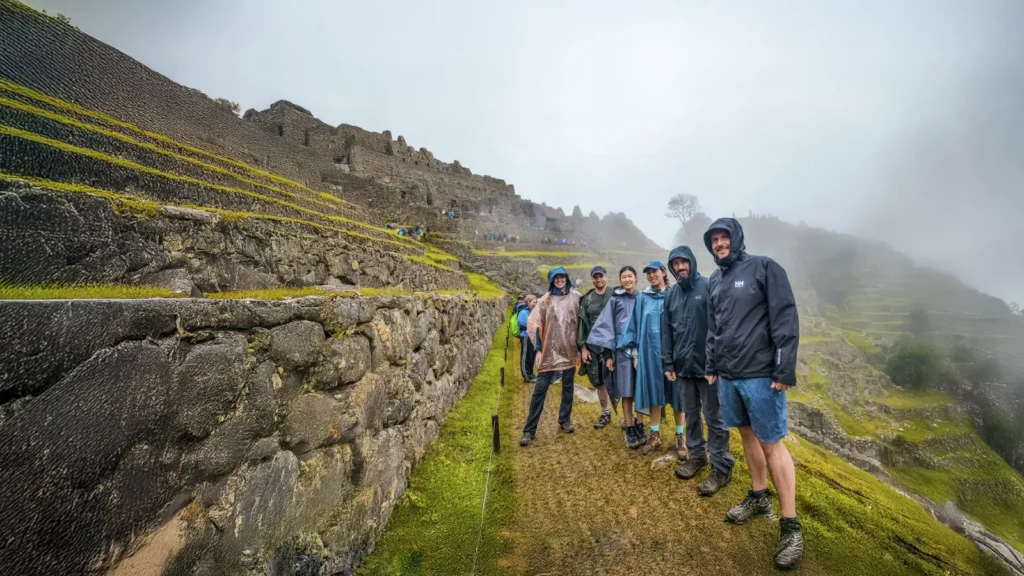
Machu Picchu weather changes less in temperature than in rain: the differences between months show up mostly in...
Leer articulo
Yes, you can see Machu Picchu in one day from Cusco, but it is a long day with...
Leer articulo
Going from Lima to Cusco overland is far more than a long transfer. You cross the coastal desert,...
Leer articulo