

6 min read
79 vistas
Aguas Calientes (Machu Picchu Town): complete guide
Aguas Calientes, also called Machu Picchu Town or Machu Picchu Pueblo, is the small town at the foot...
Leer articuloNot everyone has two weeks to spare. Sometimes it is a long weekend, a few vacation days or a getaway squeezed between commitments. The good news is that Peru in 3 days is possible if you accept one rule: choose less, and do it well. With so little time, the most realistic combination is Cusco, the Sacred Valley and Machu Picchu.
This guide shows you how to organize a short trip to Peru of 3 or 4 days, what to prioritize, how to handle the altitude without wasting days, and what is better left for another visit.
Yes, with clear expectations. A trip of 3 or 4 days will not let you “see all of Peru,” but it can show you its most famous image: the citadel of Machu Picchu and the old Inca capital. If your time is limited, a well-planned Peru getaway leaves better memories than a packed itinerary with ten stops.
Three things are worth knowing before you book:
If you are still unsure about the ideal length, it helps to read how many days you need in Peru based on your travel style and interests.


This outline assumes you fly into Cusco early on day 1 and fly out on the afternoon or evening of day 3. Train and entry times change, so confirm each leg with your operator before locking in the plan.
Drop your bags, rest and take it slowly. In the afternoon, stroll around the Plaza de Armas, the San Blas neighborhood and the historic center without any big efforts. Drink water, eat lightly and skip alcohol for the first 24 to 48 hours. This “lost” day is an investment: without it, the following day feels much heavier.
Head out early for the Sacred Valley, which is lower than Cusco and is usually more comfortable for the body. A classic combination includes Pisac, with its market and ruins, and the fortress of Ollantaytambo. From there you take the train to Aguas Calientes, a ride of roughly an hour and a half, and spend the night at the foot of Machu Picchu.
Early in the morning you take the bus up to the citadel and do the guided visit, which usually lasts two to three hours. Afterward you head down, catch the train back and reach Cusco in time for your flight or dinner. It is a long day with demanding logistics, so leave a buffer between the train and your flight.
What if you only have one day for Machu Picchu? It is possible but very tight. To see how it works, read our guide to Machu Picchu in one day. Travelers searching for Machu Picchu in 3 days are usually better served by the outline above, because it spreads the effort and avoids rushing the citadel.
One extra day changes the pace of the trip a lot. With Peru in 4 days you can acclimatize better, see the Sacred Valley without rushing and give Cusco some room. Here are the two most common ways to use it.
This is the most balanced option and the one we recommend to first-time visitors.
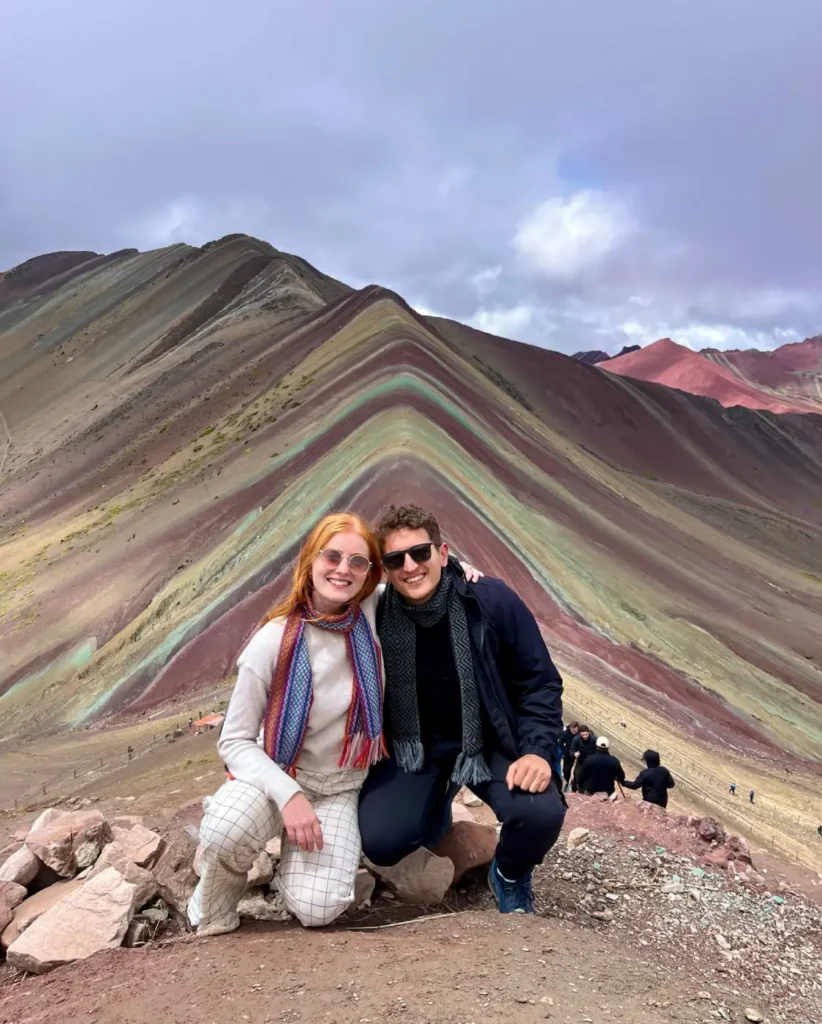
Rainbow Mountain (Vinicunca) is very photogenic, but it is a demanding excursion: pickup is usually in the middle of the night, around 3:00 a.m., and the highest point is around 5,000 m (16,400 ft), about 1,700 m above Cusco. Some travel guides note that roughly one in four visitors has felt altitude-related discomfort.
For that reason, on a trip of only 4 days Rainbow Mountain is usually not the wisest choice. If you still want to include it, do it only after at least two nights at altitude, and put Machu Picchu first. Check with your doctor before traveling if you have heart or respiratory conditions.
This is the point that shapes a short trip the most. Cusco sits at about 3,399 m, while Machu Picchu is at roughly 2,430 m, much lower. That is why many short itineraries use a simple trick: start in lower areas, such as the Sacred Valley, and save bigger efforts for later.
Some general pointers, which do not replace your doctor’s advice:
If you have a medical condition or concerns about altitude, talk to a professional before booking. To decide how long to stay in the city, check how many days in Cusco suits your plan.
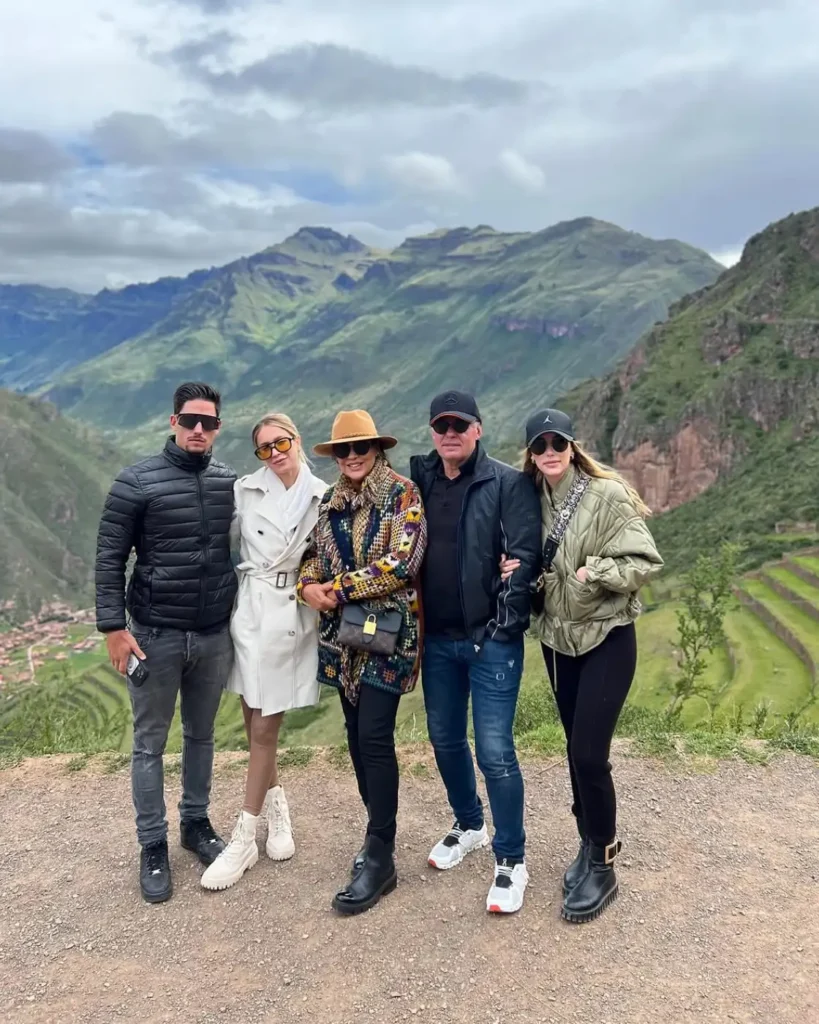
Choosing well also means knowing what to give up. On a trip of 3 or 4 days, the sensible approach is not to attempt:
Making these choices does not mean giving up on the trip: it means saving something for next time.
A short trip works with good logistics. These ideas help you save time without losing quality:
If you have 3 days, choose Cusco, part of the Sacred Valley and Machu Picchu, with a quiet first day. If you have 4 days, use the extra day to acclimatize better and see the Sacred Valley at an easy pace; leave Rainbow Mountain for a longer trip. This combination is the most realistic for a Peru getaway without sacrificing the experience.
If you prefer a ready-made plan, take a look at our Machu Picchu express 2 days, designed for travelers with very little time. And if you have the chance to stretch your trip, the Cusco & Machu Picchu in 6 days program lets you cover it all with less rush.
Ready to decide? Plan your Peru getaway with our team and adjust each day to your dates, your pace and your budget.
También te puede interesar
Aguas Calientes, also called Machu Picchu Town or Machu Picchu Pueblo, is the small town at the foot...
Leer articulo
The Inca Jungle Trail is the most active way to reach Machu Picchu: you coast downhill by bike...
Leer articulo
Choquequirao is a vast Inca citadel hidden on a mountainside above the Apurímac canyon, and you can only...
Leer articulo
Going from Lima to Cusco overland is far more than a long transfer. You cross the coastal desert,...
Leer articulo
This is probably one of the most common questions among those starting to plan their trip to Peru:...
Leer articulo