9 min read
52 vistas
How Many Days Do You Need in Cusco
This is probably one of the most common questions among those starting to plan their trip to Peru:...
Leer articuloPisac is one of those Sacred Valley destinations that manages to combine, in a single day’s visit, two completely different experiences: the colorful, bustling energy of one of Peru’s most famous craft markets, and the imposing tranquility of an Inca archaeological site built high up the mountain, with agricultural terraces that look carved directly into the slope. If you’re planning your route through the Sacred Valley, Pisac is practically a must-stop, and in this guide we’ll walk you through exactly what you’ll find and how to make the most of your visit.
Pisac is a town located in the Sacred Valley of the Incas, just over an hour from Cusco, that brings together two main attractions under one name: the modern town, known above all for its craft market, and the Inca archaeological site, sitting high on the mountain that overlooks the valley below.
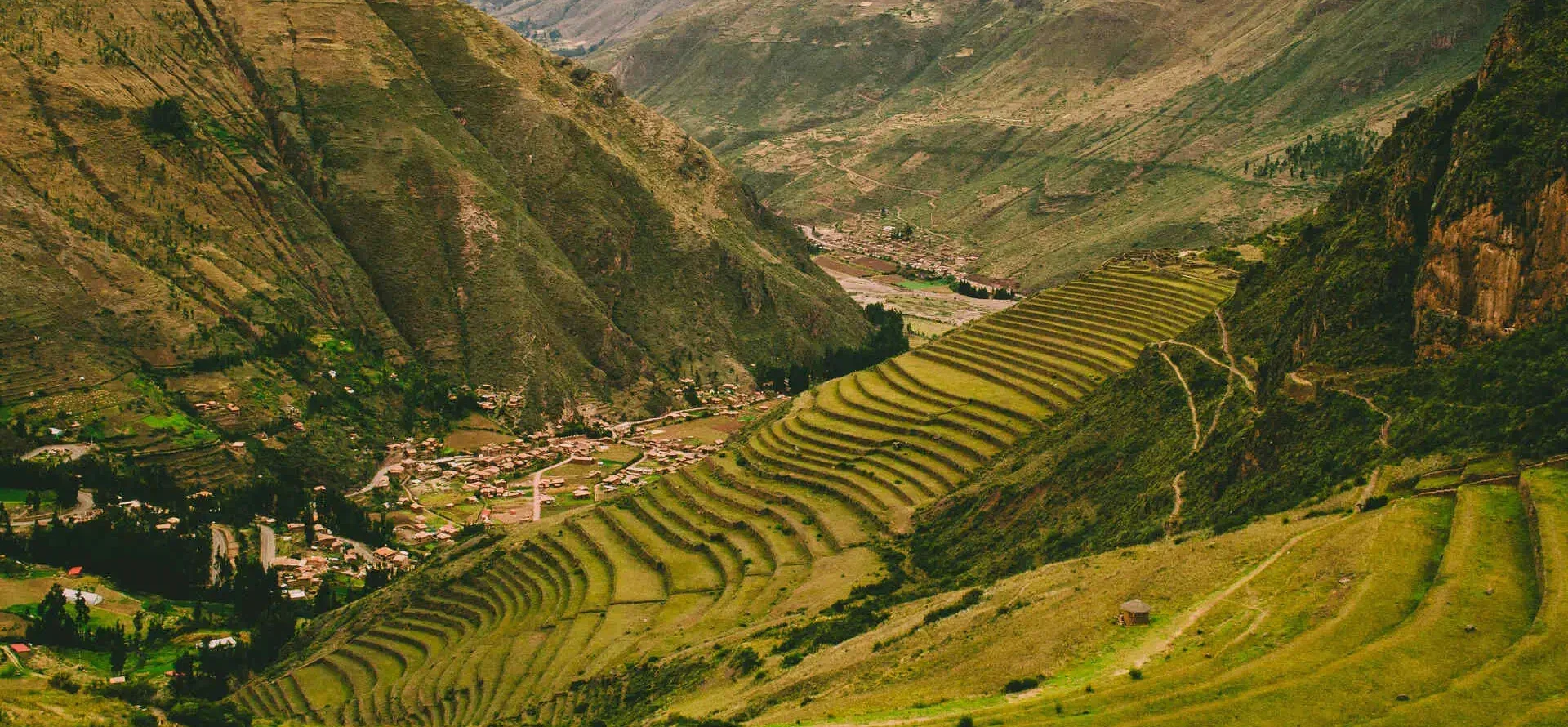
While many visitors associate Pisac mainly with its market, the truth is that the archaeological complex above the town is one of the best-preserved Inca sites in the entire region, with monumental agricultural terraces, ceremonial structures, and a terracing system that demonstrates the Incas’ mastery of agricultural engineering on mountain terrain. This combination of living commerce and archaeological heritage is exactly what makes Pisac such a distinctive destination within the Sacred Valley.
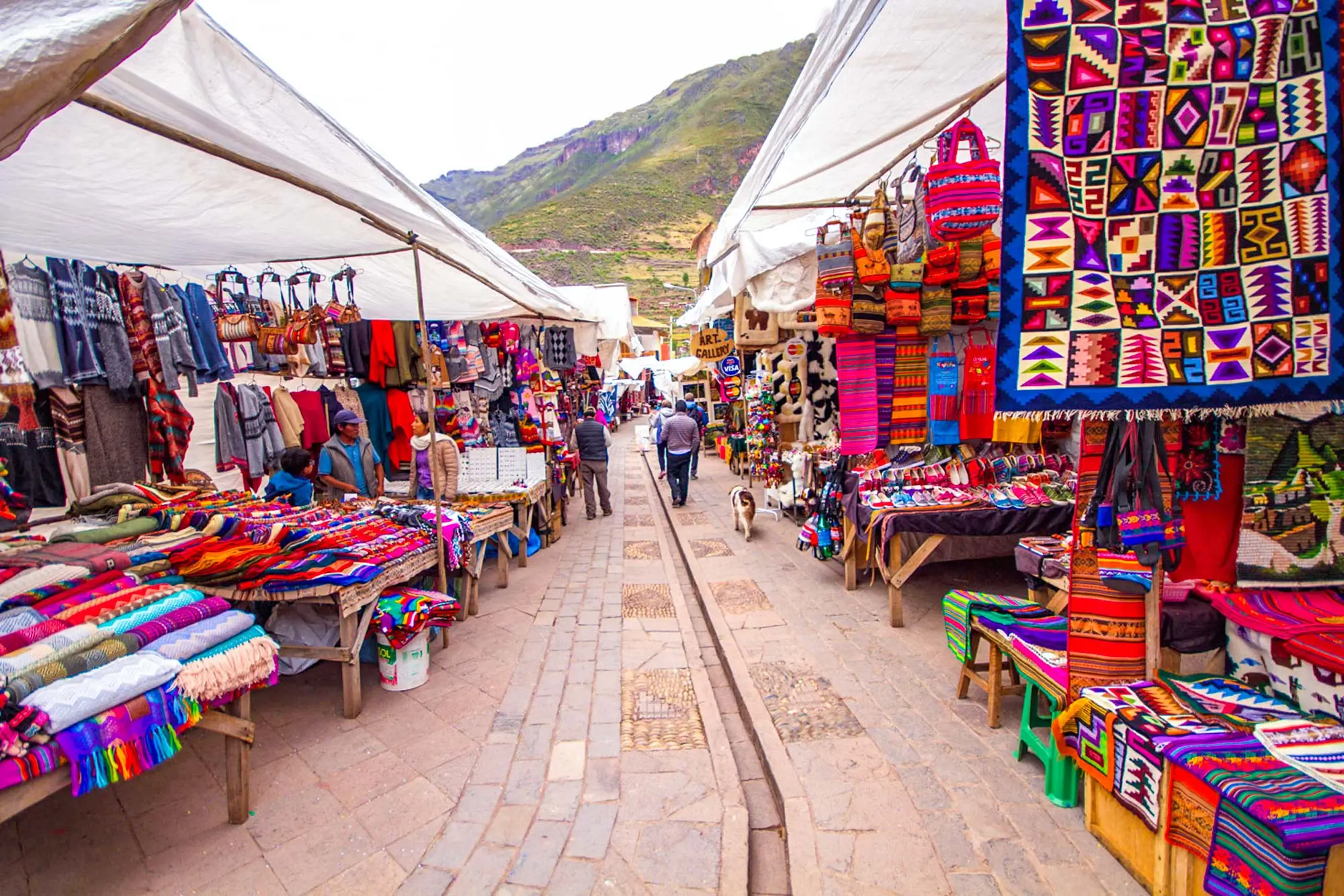
The Pisac market is, without exaggeration, one of the most well-known in all of Peru, and for good reason: here you’ll find an enormous variety of Andean textiles, ceramics, silver jewelry, alpaca knitwear, traditional musical instruments, and all kinds of souvenirs, many made by local artisans who still use ancestral weaving and natural dyeing techniques.
The market operates every day of the week, though traditionally Sundays, Tuesdays, and Thursdays tend to see more activity, coinciding historically with the days when local communities from the surrounding area would come down to town to sell and trade goods. On these days, alongside the craft stalls, you’ll commonly find fresh produce markets too, a good opportunity to observe daily life in the region beyond the purely touristic circuit.
Walking through the market is a sensory experience: the vibrant colors of the textiles, the aroma of local food being prepared at some stalls, and the chance to talk directly with artisans about their techniques and the meaning behind the traditional designs they use. It’s also a good place to practice bargaining, something culturally accepted in this type of market, though it’s always worth doing so respectfully toward the artisans’ work.
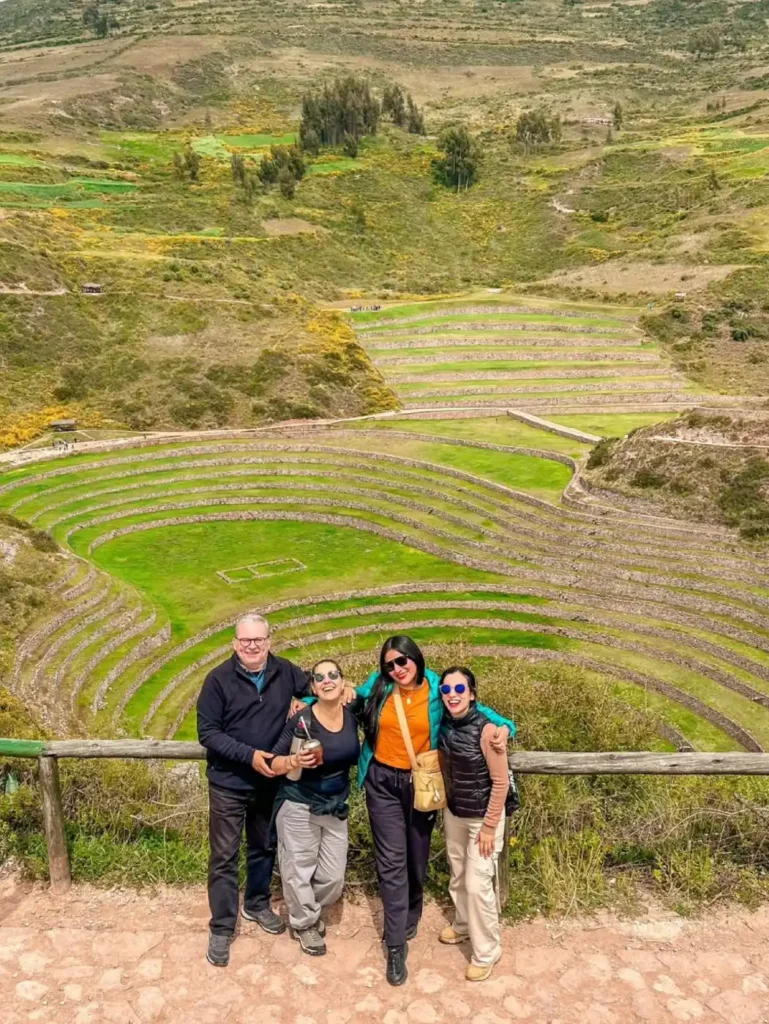
Above the town, climbing up the mountain, sits one of the most impressive Inca archaeological complexes in the Sacred Valley. The Pisac site is characterized mainly by its extensive agricultural terraces, built in an amphitheater shape along the mountainside, an extraordinary example of how the Incas managed to transform steep terrain into highly productive farmland.
Beyond the terraces, the complex includes several distinct sectors: ceremonial areas with religious structures, a residential sector, and what many archaeologists consider one of the largest Inca necropolises discovered to date, located on the slopes facing the main site, though it unfortunately suffered significant looting during the colonial and republican periods.
One of the highlights of the visit is the sector known as the Pisac Intihuatana, a ceremonial structure related to astronomical observation, similar in concept (though different in size and detail) to the one found at Machu Picchu. The views from the highest points of the site are truly spectacular, with the Urubamba River valley stretching out below and snow-capped mountains in the background on clear days.
Touring the full archaeological site can take between 2 and 3 hours, depending on your pace and how much time you want to spend appreciating each sector. The terrain involves walking along paths with considerable elevation changes, so comfortable footwear is recommended, along with being prepared for some physical effort, especially if you decide to cover the entire site from end to end.
Pisac sits roughly 1 to 1.5 hours from Cusco by vehicle, making it one of the most accessible destinations in the Sacred Valley. There are several ways to get there: as part of an organized full-day tour of the Sacred Valley (usually combined with other destinations like Ollantaytambo or Chinchero), by shared transportation (colectivos that depart regularly from Cusco), or via private transportation if you prefer more schedule flexibility.
As for accessing the archaeological site specifically, you have two main options: you can drive up directly to near the upper entrance of the complex and explore it at a more relaxed pace, or you can choose to hike up from the town to the archaeological site, a considerable climb but one that lets you take in the scenery more gradually. Many operators offer the option of driving up and then hiking back down to town, combining the best of both approaches.
The ideal length of your visit to Pisac depends on how deeply you want to explore each of its two major attractions:
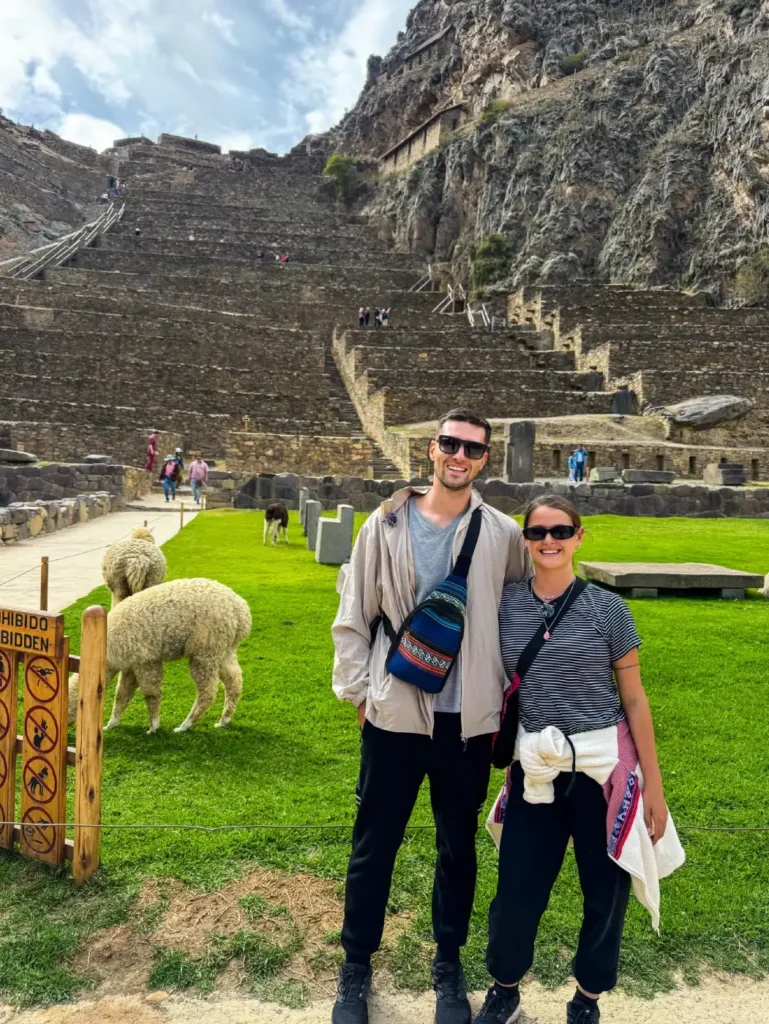
If your plan is to cover several Sacred Valley destinations in a single day, keep in mind that Pisac usually pairs very well with Ollantaytambo, another of the region’s essential Inca towns, since both often form part of the same classic tourist circuit.
Pisac is, in most itineraries, one of the starting or stopping points within a broader route through the Sacred Valley of the Incas. This valley, which stretches along the Urubamba River, concentrates some of the most fascinating archaeological sites and towns in the entire Cusco region, each with its own character and particular appeal.
If you’re planning your full route through the area, check out our guide to the Sacred Valley of the Incas, where you’ll find detailed information on how to combine Pisac with other essential destinations like Ollantaytambo, Chinchero, and Moray, whether on a single-day tour or spreading the visit across several days to explore more calmly.
Before your visit to Pisac, keep these practical tips in mind:
Pisac offers a combination that’s hard to match: the vibrant energy of a craft market with centuries of tradition, and the quiet majesty of an Inca archaeological site that showcases this civilization’s ingenuity in its relationship with the mountain. Whether you’re more drawn to the cultural shopping or the archaeology, or ideally both, Pisac deserves a prominent spot on your Sacred Valley route.
Ready to discover Pisac? Discover Pisac with us through our Peru packages, and we’ll help you fit this essential stop into your Sacred Valley itinerary.
También te puede interesar
This is probably one of the most common questions among those starting to plan their trip to Peru:...
Leer articulo
If you’re planning your visit to Cusco, you’ve likely come across the term “Tourist Ticket” more than once....
Leer articulo
Just a few minutes from Cusco’s Plaza de Armas, on the hills overlooking the city from above, sits...
Leer articulo
In the Sacred Valley of the Incas, just a short distance from one another, sit two of the...
Leer articulo
Ollantaytambo is, arguably, the most special town in the entire Sacred Valley of the Incas. Unlike other archaeological...
Leer articulo
If you’ve been researching the famous rainbow mountains near Cusco, you’ve probably already come across Vinicunca, the Rainbow...
Leer articulo
If you’ve already secured your Machu Picchu ticket and are thinking about adding an extra hike up one...
Leer articulo
If you’re planning your visit to Machu Picchu, you’ve probably run into a term that causes quite a...
Leer articulo