9 min read
52 vistas
How Many Days Do You Need in Cusco
This is probably one of the most common questions among those starting to plan their trip to Peru:...
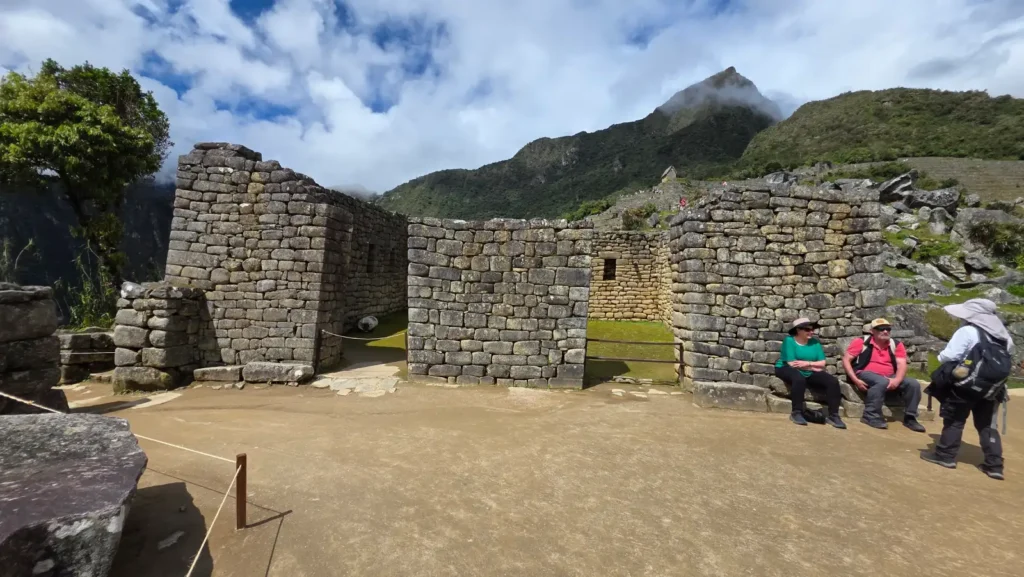
Leer articuloIf you’re planning your visit to Machu Picchu, you’ve probably run into a term that causes quite a bit of confusion: “circuits.” Since 2019, Peru’s Ministry of Culture has organized entry into the citadel through predefined, one-way routes, designed to protect the archaeological site and improve visitor flow. You can no longer simply walk in and wander wherever you like: your ticket specifies a particular circuit, and that circuit determines exactly which parts of the citadel you’ll see.
In this article, we’ll explain how the circuits work, what characterizes each one, and, most importantly, which one you should choose based on what you actually want to see and experience during your visit. Keep in mind that these routes and their regulations have changed several times in recent years, so before buying, we always recommend verifying the most current information directly with your operator or through official channels.
The circuit system was implemented to avoid visitor congestion at specific points in the citadel and to reduce the physical wear that mass tourism causes on the Inca structures. Each circuit is a one-way route: once you enter and start walking, you can’t backtrack or switch circuits midway through your visit. This means choosing the right circuit is an important decision, because it directly determines what you’ll be able to see.
Generally speaking, there are three main circuits within the citadel (numbered 1 through 3), each with internal variants that define slightly different routes within the same number. Additionally, if you bought a combined ticket with Huayna Picchu or Machu Picchu Mountain, your circuit will be linked to that additional hike, since these mountains have their own controlled access points.
It’s essential to understand that your ticket already specifies the circuit and entry time at the moment of purchase. This isn’t something you decide at the entrance gate, so choosing wisely at the time of booking is key to avoiding surprises on the day of your visit.
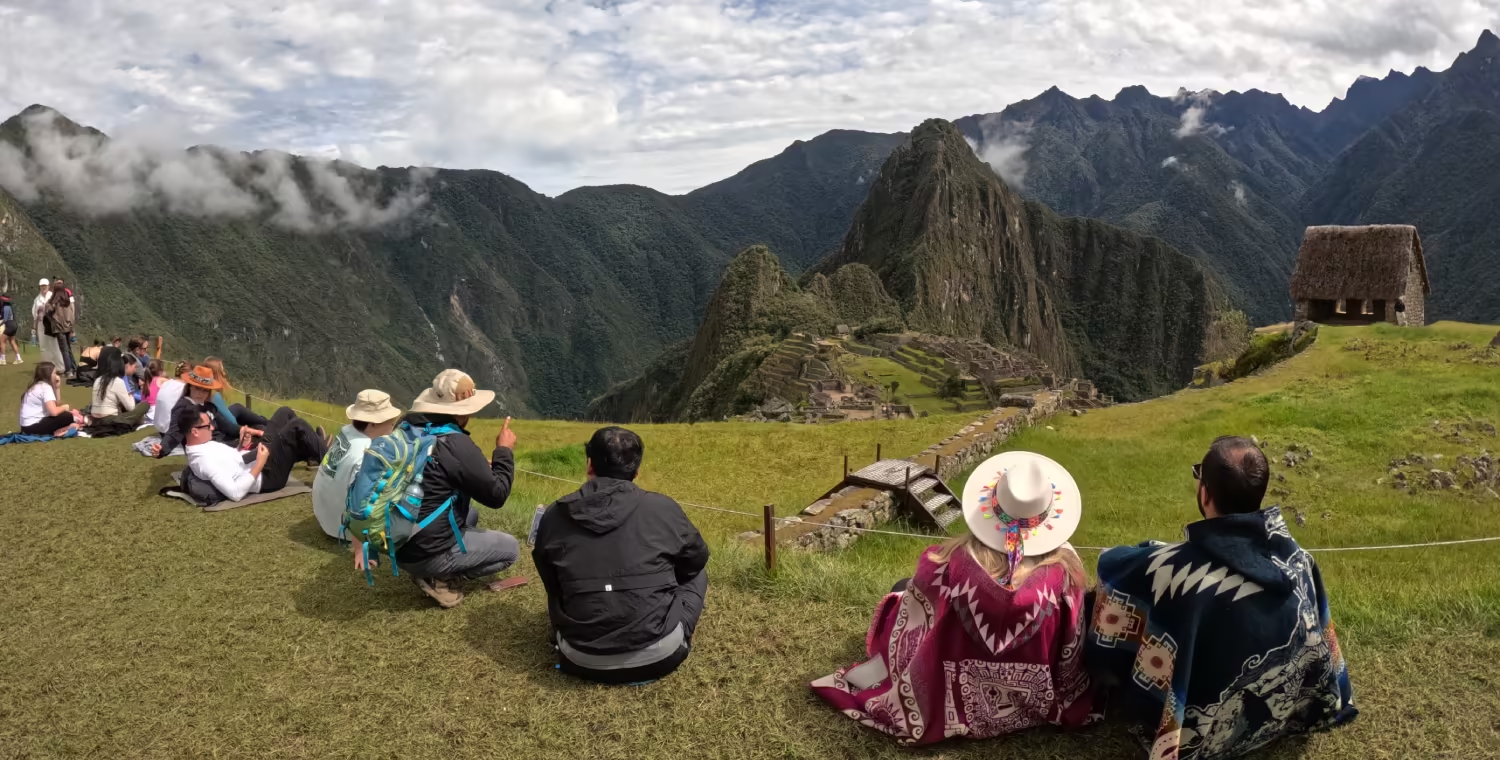
Circuit 1 is popularly known as the “panoramic” or “high” route, because it covers the upper part of the citadel before descending toward the urban sector. This circuit typically includes access to the famous Guardian’s House, the exact spot where the most iconic photograph of Machu Picchu is taken, with the full citadel in the background and Huayna Picchu rising behind it.
Those who choose this circuit prioritize panoramic and photographic views over a detailed walk through the interior of the buildings. It’s an excellent option for those seeking that classic image everyone recognizes, and it’s often combined with tickets that include the climb up Huayna Picchu or Machu Picchu Mountain, since access to these mountain routes typically starts from points near this circuit.
Circuit 1’s route tends to be shorter in terms of time spent within the citadel itself (not counting the additional mountain hikes), but it delivers some of the most memorable postcard shots of the entire trip.
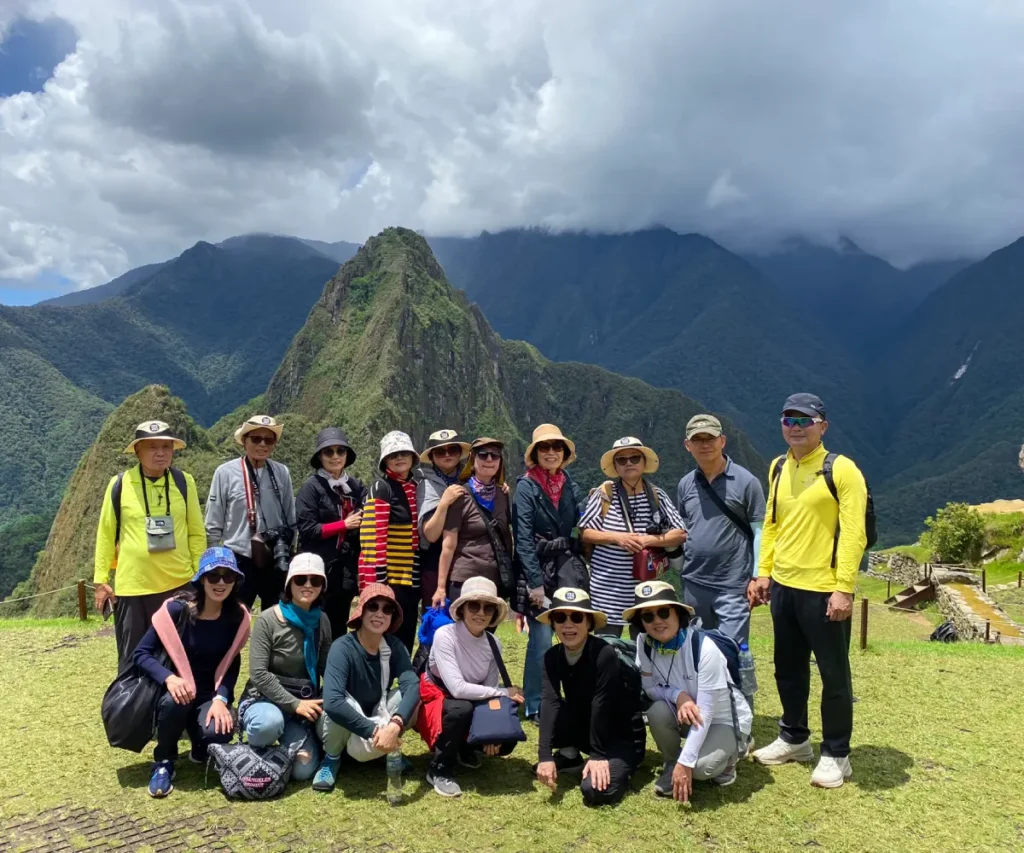
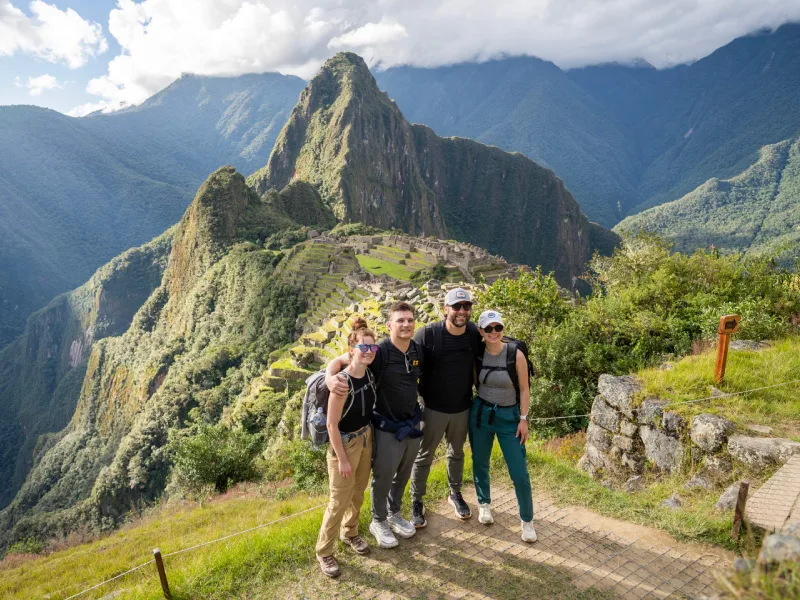
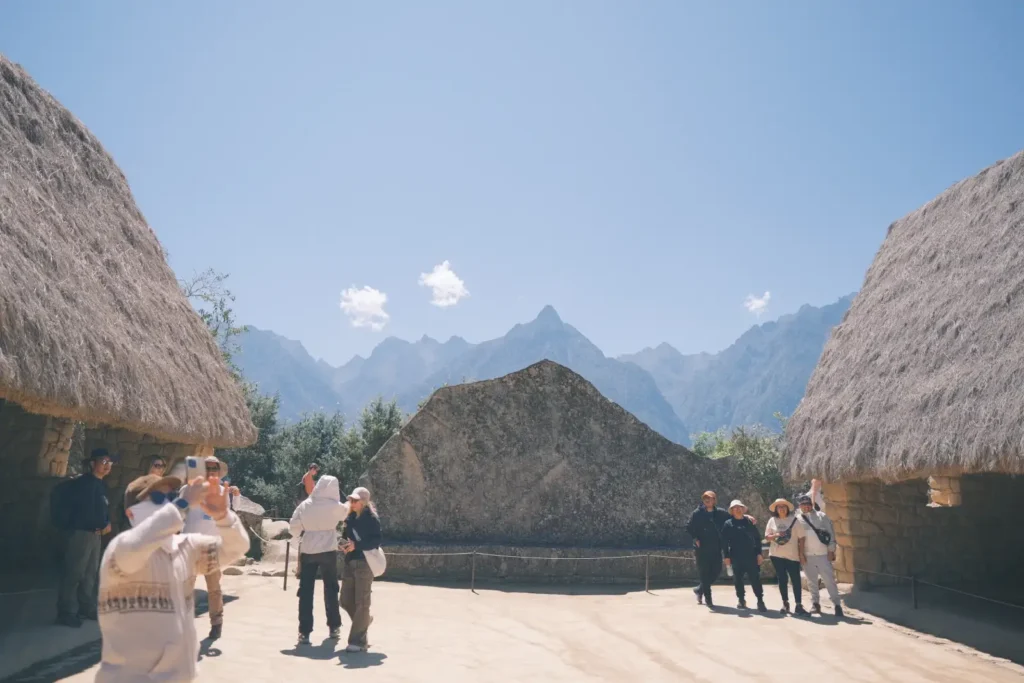
Circuit 2 is, for most visitors, the most complete and well-rounded option. It combines the panoramic upper section with a descent toward the citadel’s most iconic interior sectors, such as the Temple of the Sun, the Main Plaza, the Intihuatana (the Inca sundial), and other religious and residential structures fundamental to understanding Machu Picchu’s function.
This is the circuit most guides recommend for first-time visitors, precisely because it offers the most comprehensive experience: you get both the panoramic views from the upper section and the architectural detail of the main structures. If your goal is to understand Machu Picchu’s history and architecture through a complete guided explanation, Circuit 2 is usually the most recommendable choice.
Being the most requested circuit, it also tends to be one of the first to sell out during peak demand time slots, especially during high season (May-September), so it’s worth booking well in advance.
Circuit 3, sometimes called the “lower” circuit or associated with the so-called “royalty” area (named after the residential sector believed to have been reserved for Inca nobility), primarily covers the lower parts of the citadel, without access to the upper panoramic viewpoints that characterize Circuits 1 and 2.
This circuit is usually a good option for those who’ve already visited Machu Picchu before and want to focus on specific architectural details in the lower sector, or for those who prioritize a shorter, less physically demanding route, since it generally involves fewer elevation changes than the other circuits. It can also be an alternative for those who didn’t manage to secure a spot on the more sought-after circuits but still want to see the citadel.
It’s worth noting that, depending on the configuration in place at the time of your visit, this circuit may not include access to the most iconic photo spots, so if your priority is the classic panoramic shot, this probably isn’t your best circuit.
Choosing the ideal circuit largely depends on what matters most to you during your visit. Here are some general guidelines:
In any case, we recommend discussing your specific priorities (photos, history, available time, physical condition) with your operator so they can help you choose the circuit that best fits what you’re looking for.
Machu Picchu entry tickets are sold specifying date, entry time, and circuit, and availability is limited, especially for the most requested time slots and during high season. It’s essential to book your Machu Picchu ticket as far in advance as possible, ideally several weeks or even months before your trip if you’re visiting between May and September.
If you’re also planning to climb Huayna Picchu or Machu Picchu Mountain, keep in mind that these access points have even more limited spots and tend to sell out first, making advance booking even more important in that case.
Once you have your ticket, remember you’ll also need to arrange transportation to the citadel. If your plan includes arriving by train from Cusco or the Sacred Valley, check out our guide on how to get to Machu Picchu by train, where we cover the different stations, schedules, and service options available.
Before finalizing your booking, keep these practical tips in mind:
Choosing the right circuit at Machu Picchu doesn’t have to be complicated once you’re clear on what matters most to you: the classic panoramic postcard, the full historical walkthrough, or a shorter, more relaxed experience. The key is to book in advance and confirm the current configuration before your trip, since these routes can be updated over time.
Ready to plan your visit? Plan your Machu Picchu visit with us through our Peru packages, and we’ll help you choose the circuit, tickets, and logistics that best fit your trip.
También te puede interesar
This is probably one of the most common questions among those starting to plan their trip to Peru:...
Leer articulo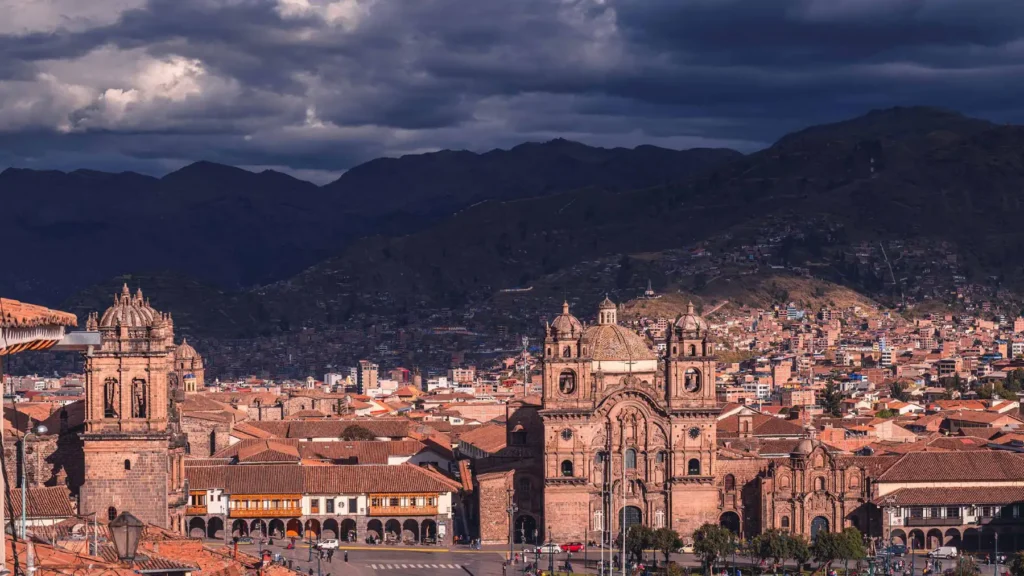
If you’re planning your visit to Cusco, you’ve likely come across the term “Tourist Ticket” more than once....
Leer articulo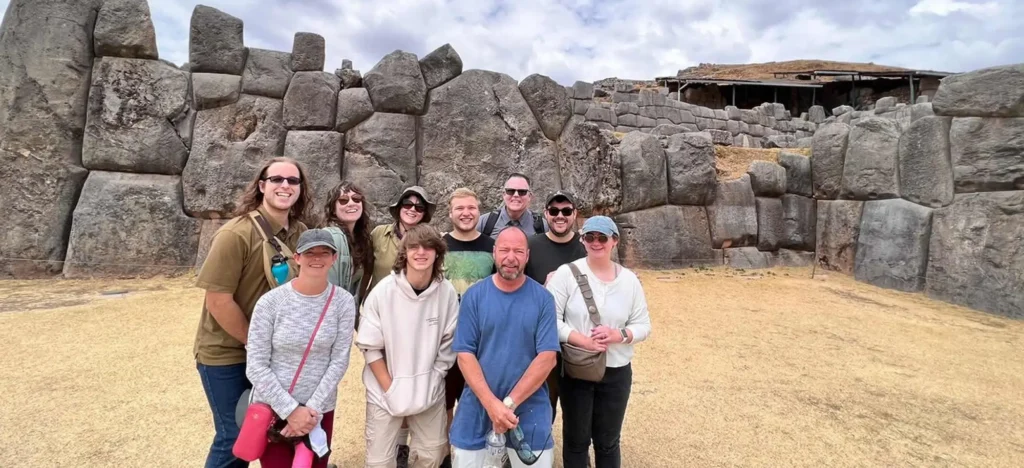
Just a few minutes from Cusco’s Plaza de Armas, on the hills overlooking the city from above, sits...
Leer articulo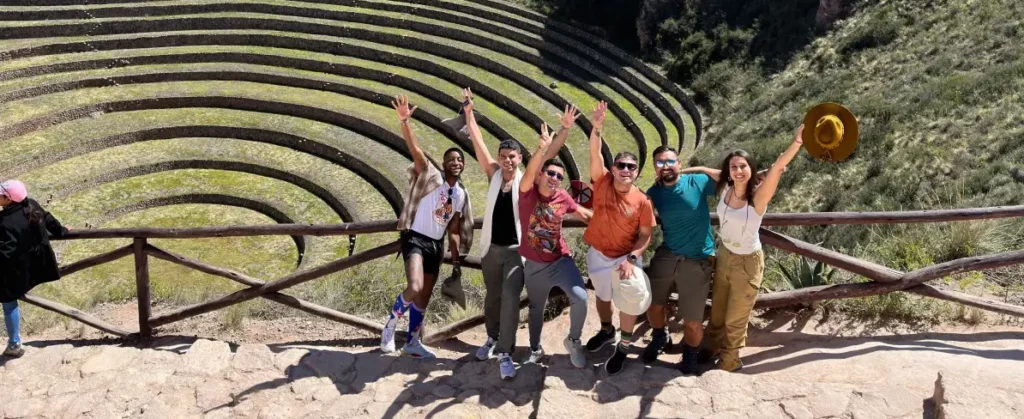
In the Sacred Valley of the Incas, just a short distance from one another, sit two of the...
Leer articulo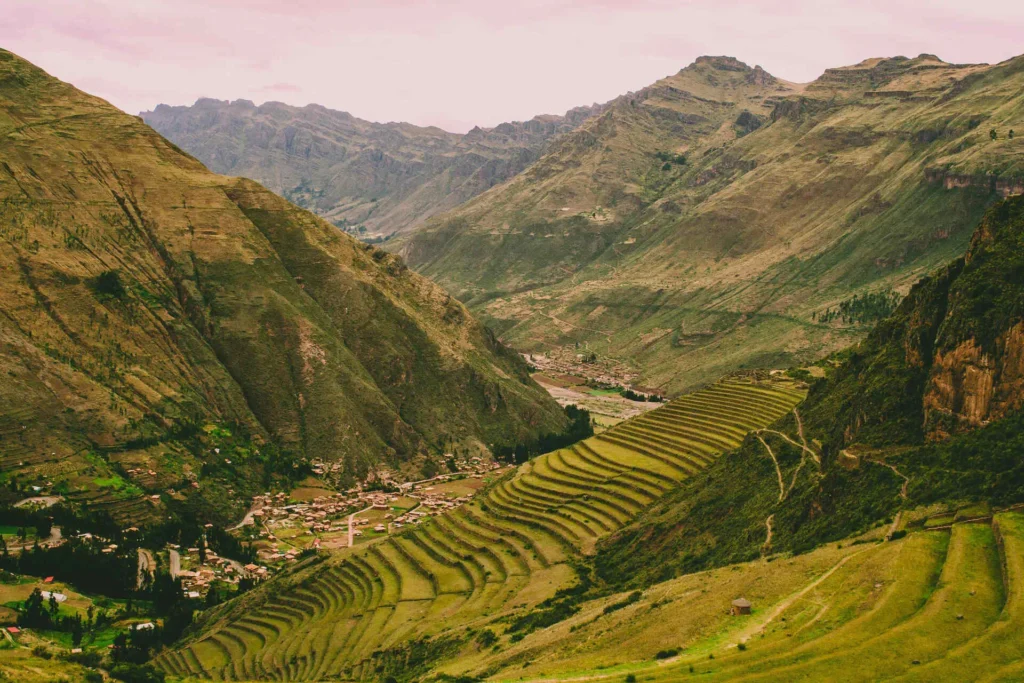
Pisac is one of those Sacred Valley destinations that manages to combine, in a single day’s visit, two...
Leer articulo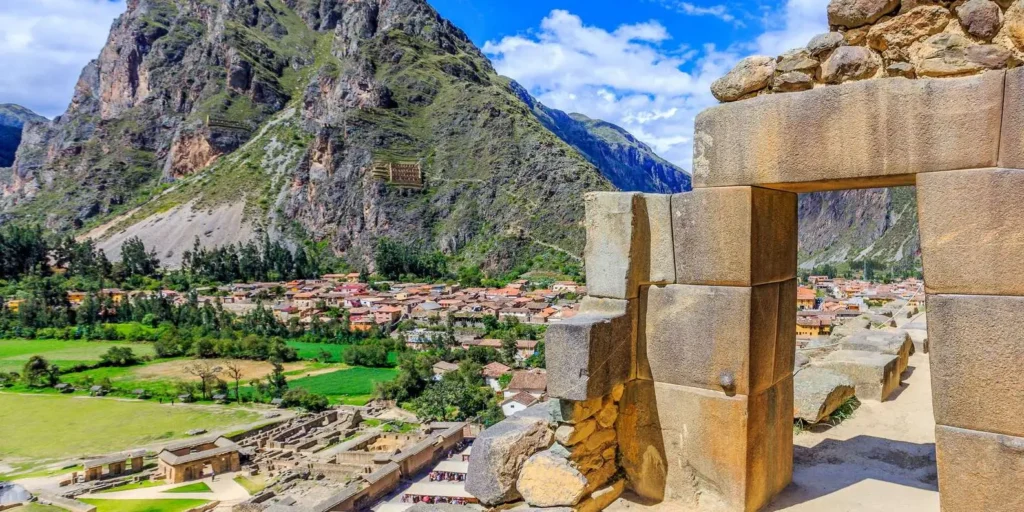
Ollantaytambo is, arguably, the most special town in the entire Sacred Valley of the Incas. Unlike other archaeological...
Leer articulo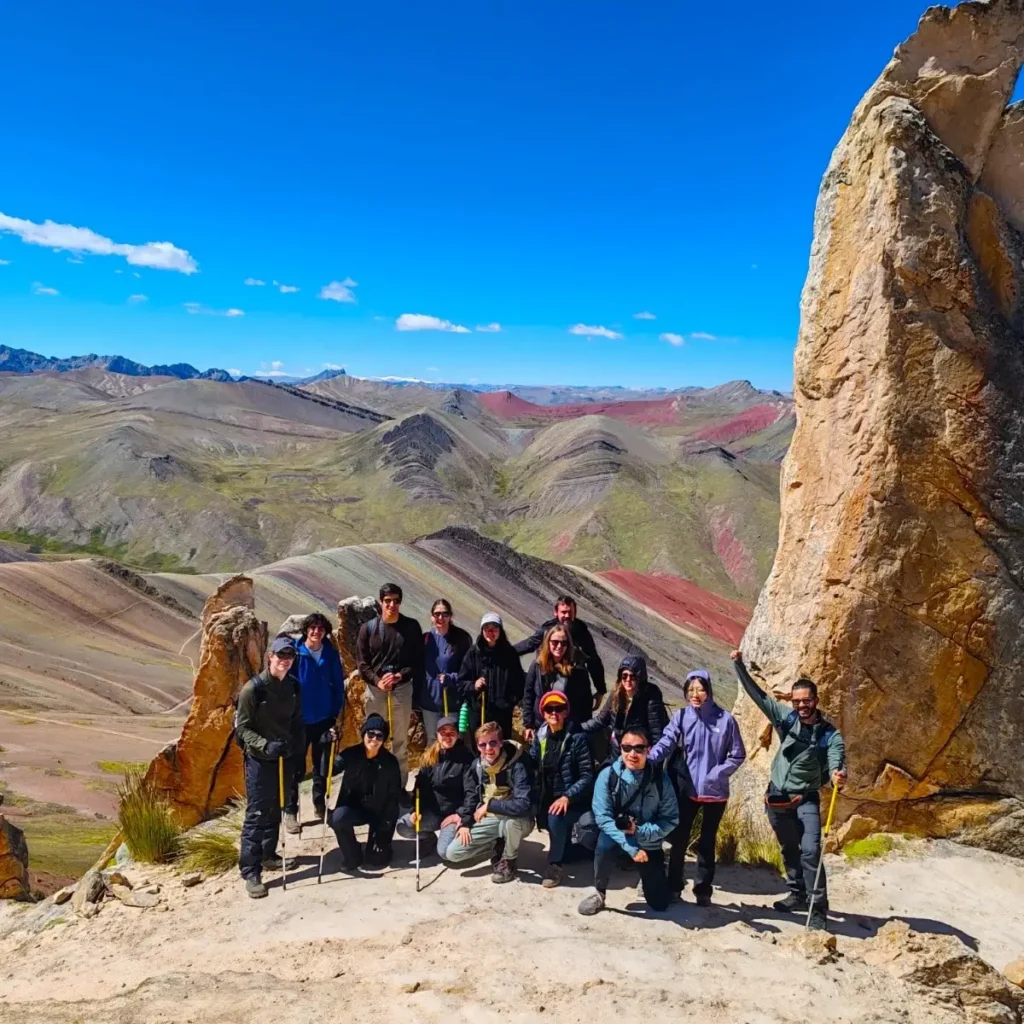
If you’ve been researching the famous rainbow mountains near Cusco, you’ve probably already come across Vinicunca, the Rainbow...
Leer articulo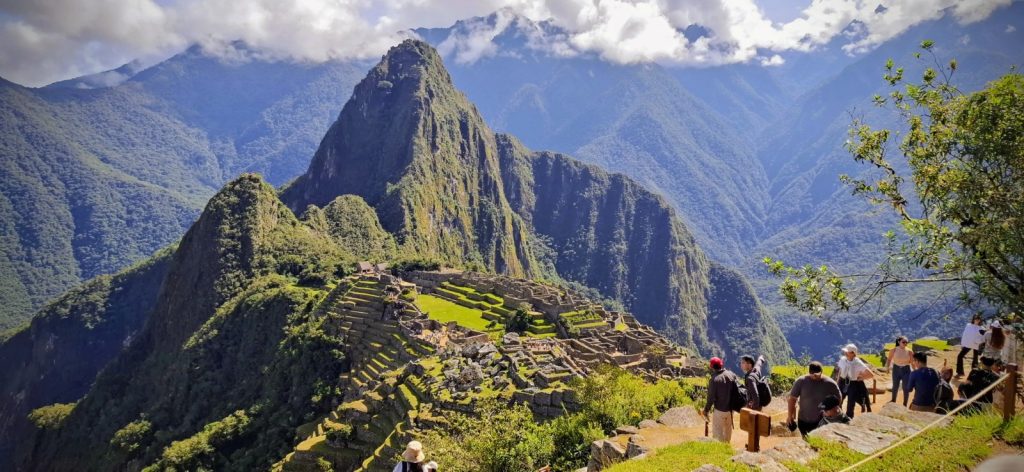
If you’ve already secured your Machu Picchu ticket and are thinking about adding an extra hike up one...
Leer articulo