This is probably one of the most common questions among those starting to plan their trip to Peru: how many days do I actually need in Cusco? The answer depends on several factors, but in this guide we’ll give you a clear reference based on what you want to see, how much time you have available, and how Machu Picchu fits into your overall itinerary.
Cusco isn’t just a stopover town on the way to the Inca citadel; it’s a destination with enough historical, architectural, and scenic richness to justify several days of exploration on its own. Below, we walk through different itinerary configurations based on how much time you have.
How Many Days by What You Want to See
Before getting into the details of each itinerary, it helps to think of Cusco as three distinct experiences you can combine depending on your available time:
- The city of Cusco itself: its historic center, the Plaza de Armas, colonial neighborhoods, and nearby archaeological sites like Sacsayhuaman.
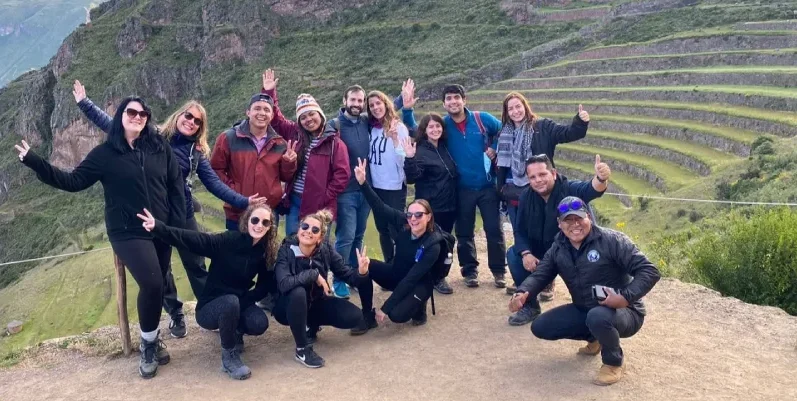
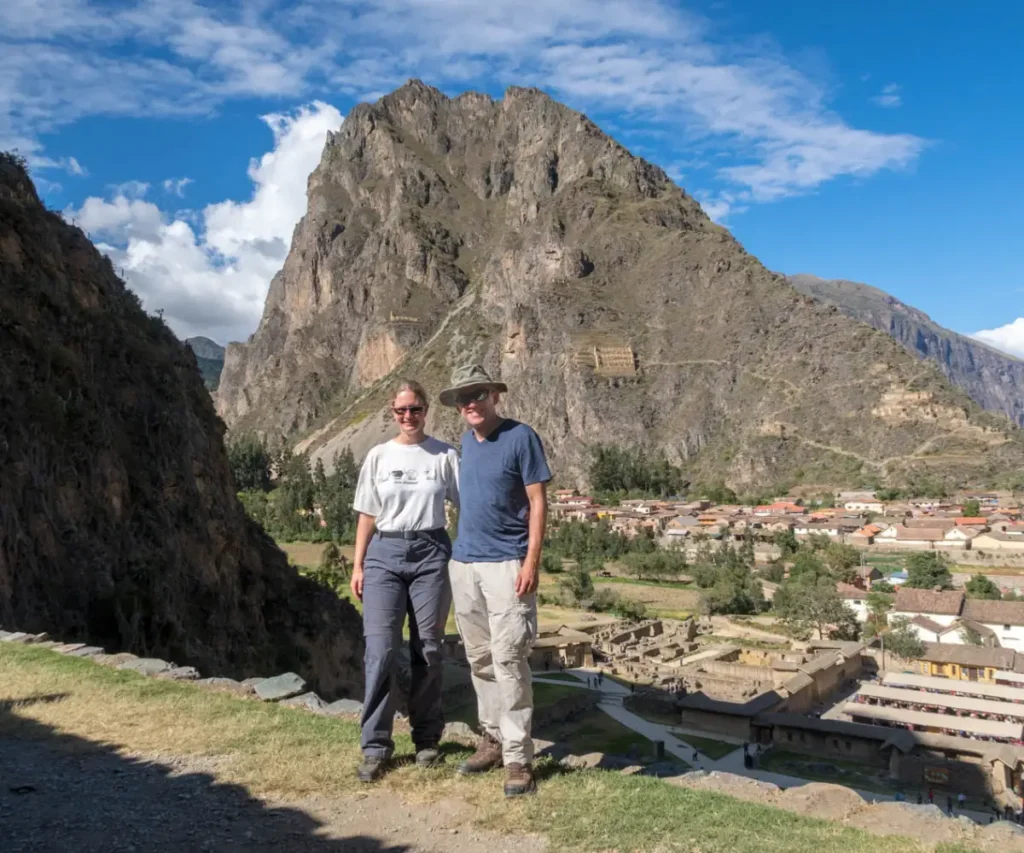
- The Sacred Valley of the Incas: a region that includes towns and archaeological sites like Pisac, Ollantaytambo, Chinchero, and Moray.
- Machu Picchu: the Inca citadel, whether you get there by train or via one of the available trekking routes, like the Salkantay.
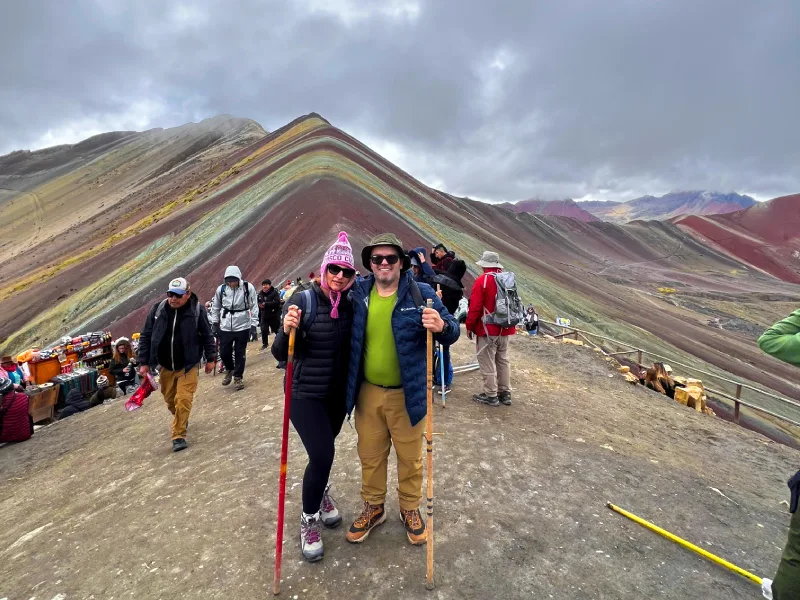
If you also want to add extra excursions like the Rainbow Mountain (Vinicunca) or Palccoyo, you’ll need to factor in specific additional days for those. As a general reference: 3 days lets you cover the basics of the city plus one excursion, 4 days gives you room to add the Sacred Valley at a more relaxed pace, and 5 days or more allows for a fuller experience that also includes an additional excursion like a rainbow mountain, all without counting the days set aside specifically for Machu Picchu.
Cusco in 3 Days
If your time is limited, 3 days gives you a solid first approach to the city and its closest surroundings, though with little room for the unexpected.
Day 1: Dedicate your first day to acclimatization and exploring Cusco’s historic center at a relaxed pace: the Plaza de Armas, the Cathedral, the Qorikancha (the ancient Inca Temple of the Sun), and the San Blas neighborhood, with its cobblestone streets and artisan workshops. Avoid intense physical activity this first day.
Day 2: Visit Sacsayhuaman and the nearby archaeological sites (Q’enqo, Puka Pukara, and Tambomachay), whether on foot from the center or on a half-day tour. In the afternoon, you can explore a museum or a local market, like the San Pedro Market.
Day 3: Dedicate this day to a full-day excursion, either to the Sacred Valley (a condensed version, covering Pisac and Ollantaytambo) or to the Rainbow Mountain, depending on your priority.
This itinerary is compact but functional if your trip only includes a few days in the region, though you’ll definitely sacrifice depth in the Sacred Valley and won’t have room for additional excursions.
Cusco in 4 Days
With one extra day, you can spread out the activities better and reduce the rushed pace of the 3-day itinerary.
Day 1: Acclimatization and Cusco’s historic center, same as in the previous itinerary.
Day 2: Sacsayhuaman and the nearby archaeological sites, with extra time in the afternoon to explore the city center more calmly or rest.
Day 3: A full day dedicated to the Sacred Valley, covering destinations like Pisac, Ollantaytambo, Chinchero, and, if time allows, Moray and the Maras Salt Mines. To better understand how these destinations connect, check out our guide to the Sacred Valley.
Day 4: An additional excursion, either to the Rainbow Mountain, to Palccoyo, or a free day to explore parts of the city you haven’t seen yet, like the San Cristóbal neighborhood or additional craft markets.
This itinerary offers a better balance, letting you get to know the Sacred Valley without feeling like you’re rushing from one site to the next.
Cusco in 5 Days (With Sacred Valley and Rainbow Mountain)
If you have 5 days available, you can build a much more complete and relaxed itinerary that lets you enjoy both the city and its surroundings without sacrificing important experiences.
Day 1: Acclimatization and Cusco’s historic center.
Day 2: Sacsayhuaman and the nearby archaeological sites, with a free afternoon to explore the city, visit an additional museum, or simply rest.
Day 3: A full day in the Sacred Valley, covering the main destinations (Pisac, Ollantaytambo, Chinchero, Moray, and Maras) with enough time to enjoy each stop unhurriedly.
Day 4: A full-day excursion to the Rainbow Mountain (Vinicunca) or, if you’d prefer an alternative with fewer crowds and a shorter hike, to Palccoyo.
Day 5: A free day for additional activities based on your interests: this could be a food tour around the city, a more relaxed visit to a museum, time for craft shopping, or simply a rest day before continuing your trip toward Machu Picchu.
This 5-day itinerary gives you enough flexibility to tailor the route to your specific interests, whether you prioritize history, nature, food, or a combination of all three.
Acclimatization: Don’t Underestimate Day 1
Regardless of how many days you decide to spend in Cusco, there’s one factor you can’t overlook: the altitude. Cusco sits at approximately 3,400 m (11,152 ft), a considerable altitude that can trigger altitude sickness symptoms in many travelers, especially if you arrive directly from low-altitude areas without any prior preparation.
For this reason, every itinerary presented in this article reserves the first day specifically for low-effort activities, avoiding demanding hikes or excursions to higher-altitude sites during the first 24 to 48 hours. This adjustment period is essential not only for your comfort, but also for your safety, especially if later in your trip you plan physically demanding activities like the Salkantay trek or the Rainbow Mountain, both at altitudes above 4,000 m (13,123 ft).
If you want to better understand how to prepare and what symptoms to watch for, check out our complete guide on altitude sickness in Cusco before your trip.
How Machu Picchu Fits
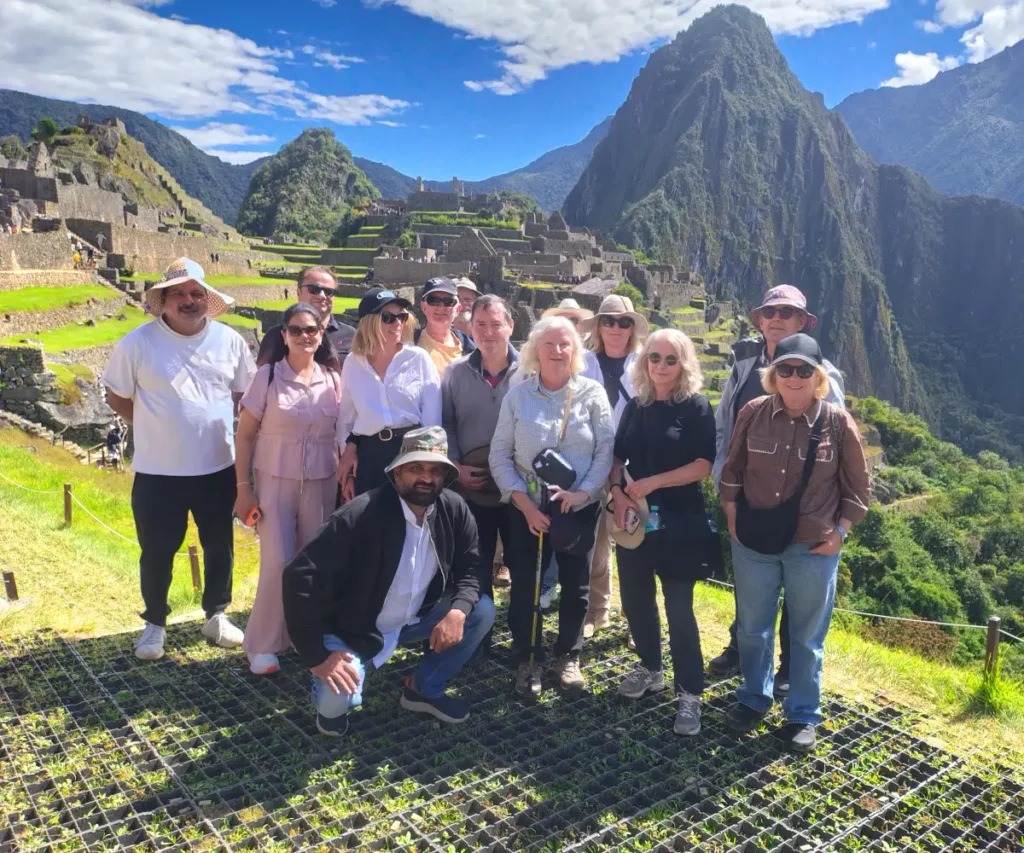
It’s important to clarify that all the itineraries described in this article refer specifically to your time in the city of Cusco and its surroundings, not including the days dedicated to Machu Picchu. Depending on how you plan to reach the citadel, you’ll need to add extra days to your itinerary:
- If you arrive by train: you can do it as a full-day (though very long) excursion from Cusco, or preferably by spending a night in Aguas Calientes to have more rest time and flexibility for your visit to the citadel. This adds 1 to 2 extra days to your itinerary.
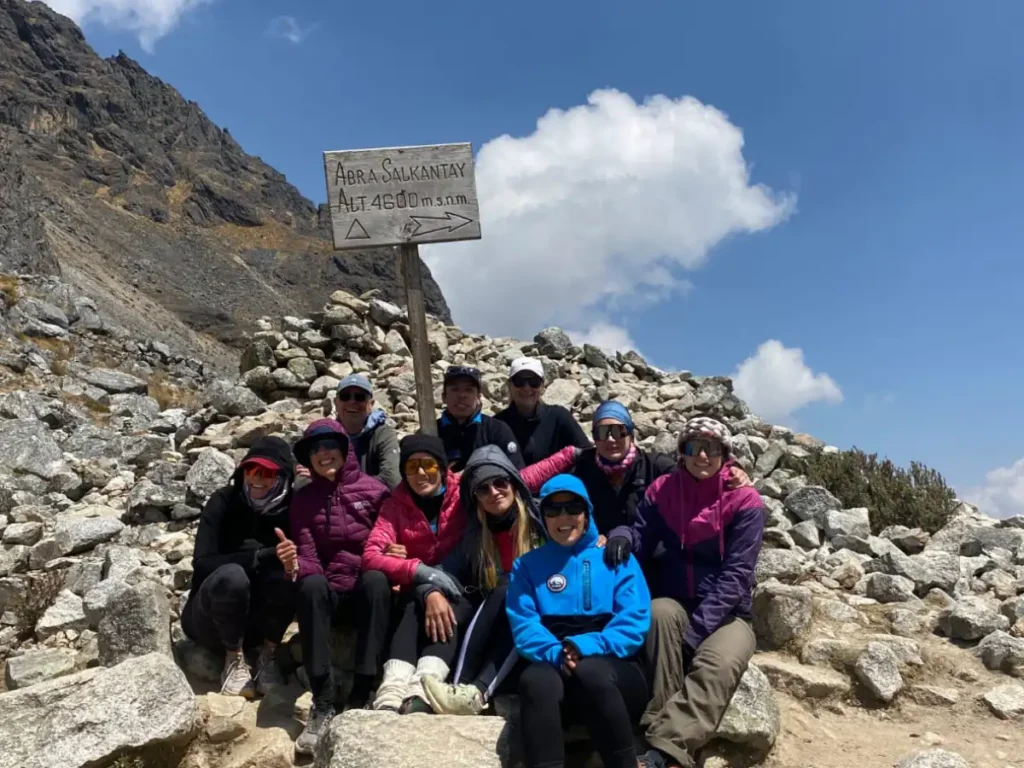
- If you do the Salkantay trek: this 5-day, 4-night trek culminates precisely with the visit to Machu Picchu, so you’ll need to add these 5 full days to your time in Cusco city and the Sacred Valley.
For a clear reference on how to combine all of this into a single, comprehensive itinerary, check out our Cusco & Machu Picchu in 6 days package, which allows enough time for both the city and the visit to the citadel arriving by train.
If your trip includes other destinations in Peru besides Cusco, such as Lima, the Colca Canyon, or the Amazon, we also recommend checking out our guide on how many days you need in Peru to plan your complete itinerary across the country.
Recommendation
If we had to give a general recommendation, 4 to 5 days in Cusco city and its surroundings (not counting Machu Picchu) is usually the sweet spot for most travelers: enough time to acclimatize properly, explore the historic center at a relaxed pace, tour the Sacred Valley without feeling rushed, and add at least one additional excursion like the Rainbow Mountain or Palccoyo.
If your time is more limited, 3 days can work, but you’ll need to prioritize and will probably have to sacrifice one of the experiences mentioned above. And if you have more time available, you can always add extra days to explore more deeply, whether that means other Sacred Valley towns, food-focused activities, or simply a slower pace that lets you enjoy the region without the pressure of a packed itinerary.
Before finalizing your planning, don’t forget to check out our guide to the Cusco Tourist Ticket, which will help you understand which sites you need to cover and how to optimize your itinerary based on the available options.
Figuring out how many days you need in Cusco ultimately depends on your specific priorities and interests, but we hope these reference itineraries give you a solid foundation for planning your trip with realistic expectations. Always remember to factor in acclimatization and add the corresponding days for your visit to Machu Picchu, whether you’re arriving by train or via a trekking route.
Ready to plan your trip to Cusco? Plan your Cusco itinerary with us through our Peru packages, and we’ll help you design the perfect route based on how much time you have available.