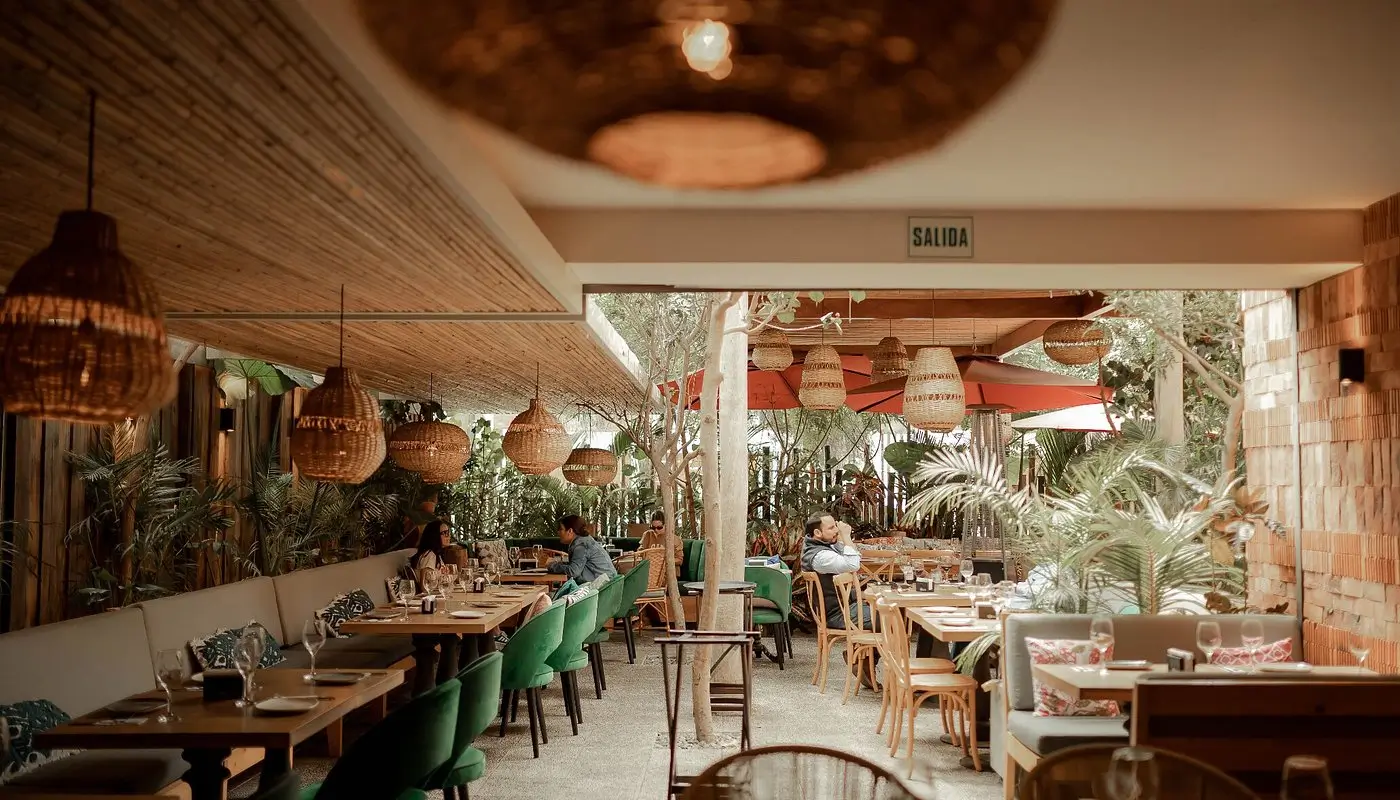
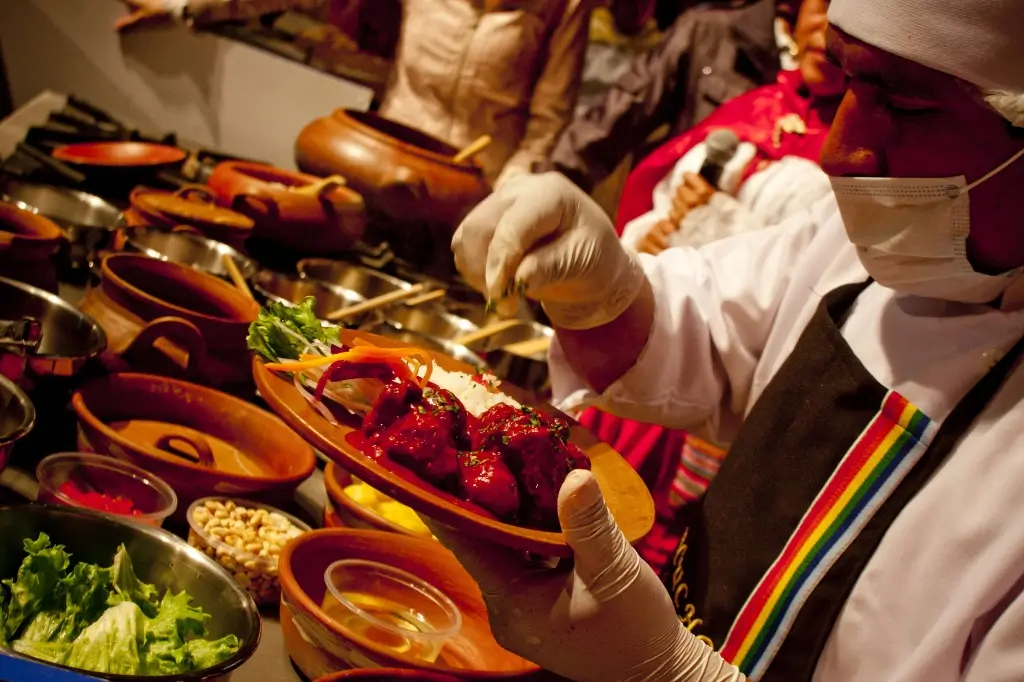
This Lima food guide exists because, for many travelers, food is the main reason to spend a few days in the Peruvian capital. In a single city you will find neighborhood cevicherías, internationally recognized chef-driven restaurants, markets full of produce from the coast, the Andes and the Amazon, and street stalls that have served the same dishes for decades.
Below you will find why Lima has this reputation, which dishes not to miss and how to choose where to eat in Lima by neighborhood, budget and the kind of experience you want. To fit these stops into a broader plan, see our guide on what to do in Lima.
Why Lima is a food capital
The title of food capital is not accidental. It rests on several factors that reinforce each other:
An exceptional pantry: Peru spans coast, high Andes and Amazon, and Lima receives ingredients from all of these ecosystems. Fresh Pacific fish, hundreds of potato varieties, chili peppers, colored corn, quinoa and Amazonian fruit all end up on the same table.
A blend of cuisines: to Andean and Creole traditions were added African, Spanish, Chinese, Japanese and Italian migrations. From this came chifa (Chinese-Peruvian) and nikkei (Japanese-Peruvian) cooking, two signatures of the city.
A strong everyday food culture: fine dining coexists with set-menu lunch spots, neighborhood cevicherías and corner carts, and Limeños take both seriously.
Chefs with global reach: the city trains cooks who then spread Peruvian food around the world, feeding a cycle of high standards and creativity.
The result is that in Lima you can eat very well on a tight budget or over a long, multi-course dinner.
Dishes you must try
If it is your first visit, this list covers the essentials of Peruvian food, Lima style:
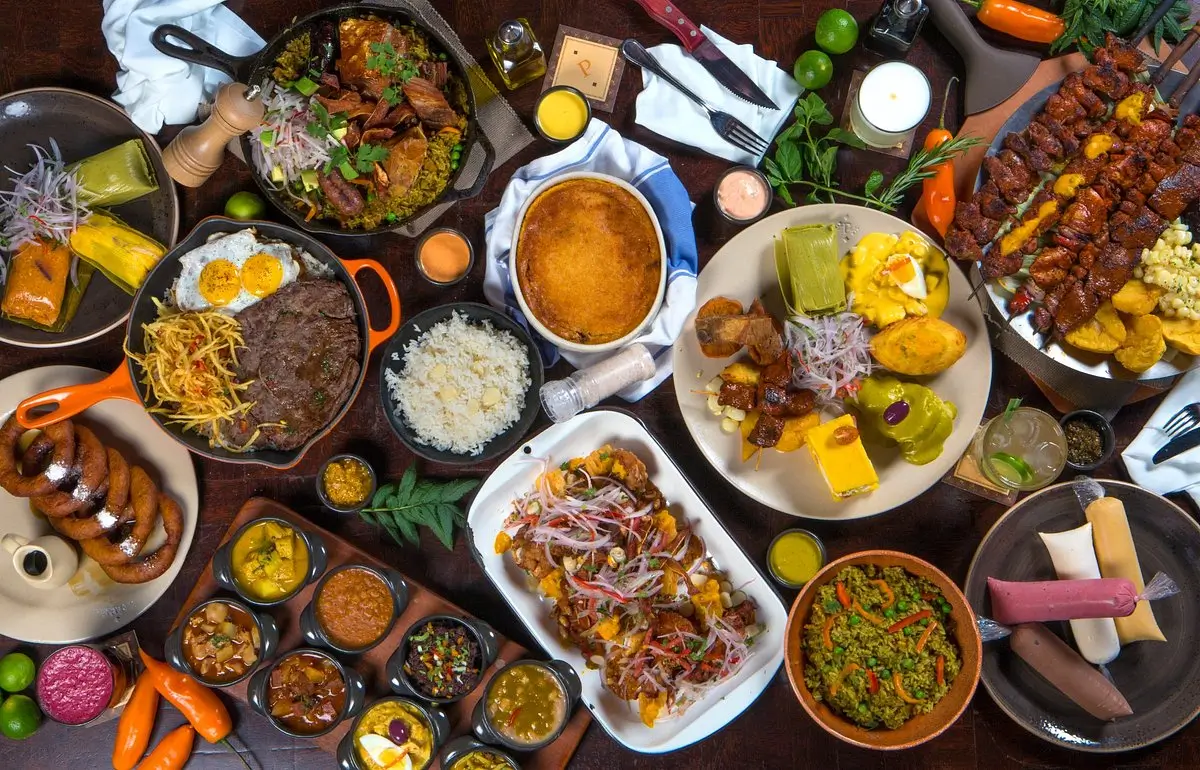
Ceviche: fresh fish in cubes, marinated in lime with chili, onion and salt, served with sweet potato and large-kernel corn. In Lima, ceviche is traditionally eaten at midday, when the fish is freshest.
Tiradito: similar to ceviche, but with the fish cut in thin slices and served with a creamy chili sauce.
Lomo saltado: strips of beef stir-fried with onion, tomato and chili, served with fries and rice. It is the clearest example of the Chinese fusion.
Ají de gallina: shredded chicken in a cream of yellow chili, bread and cheese, served with potato and rice.
Causa limeña: a cold terrine of yellow potato with lime and chili, filled with chicken, tuna or vegetables.
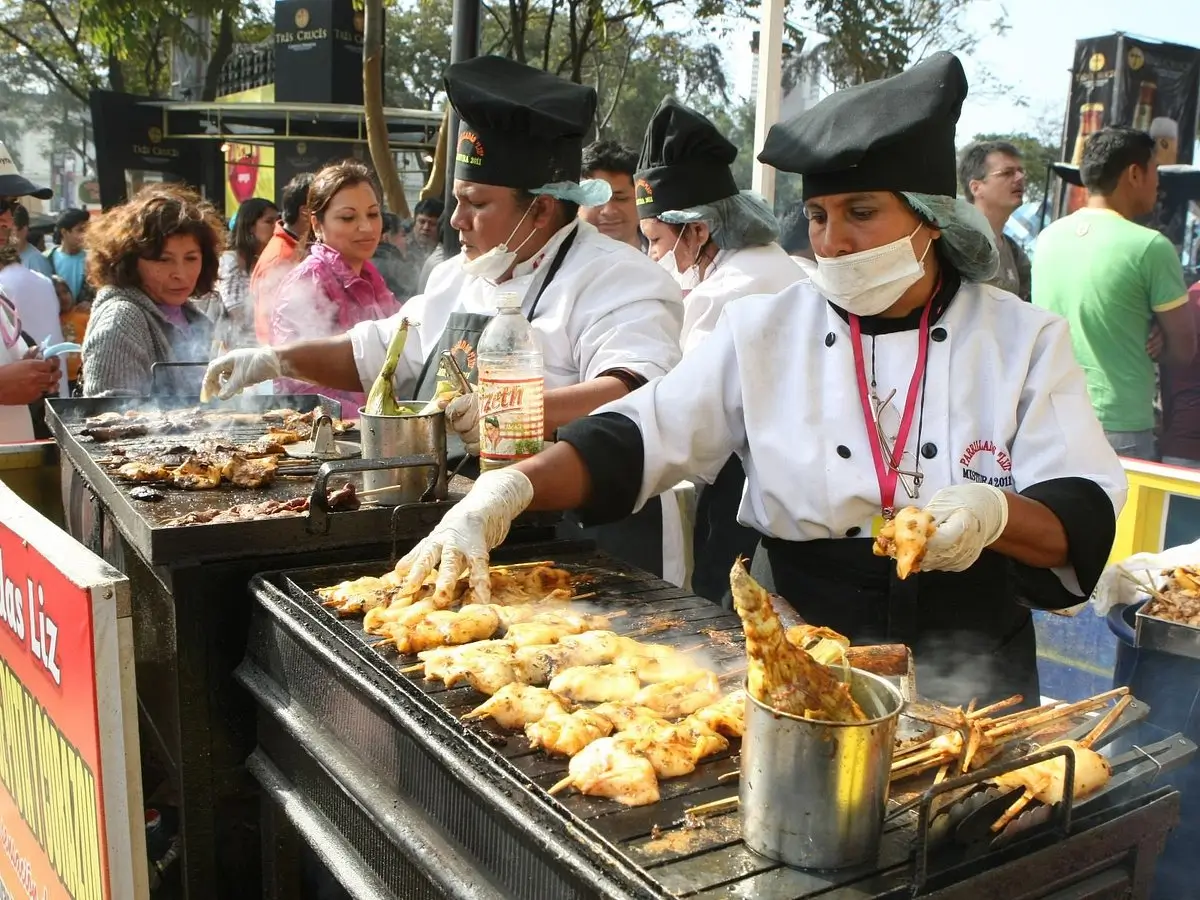
Anticuchos: marinated, grilled skewers, traditionally of beef heart, very popular at street stalls.
Arroz con mariscos and tacu tacu: hearty dishes of Creole heritage, ideal for an unhurried meal.
Picarones and suspiro limeño: two classic desserts, the first fried and drenched in chancaca syrup, the second creamy and sweet.
Pisco sour: the signature cocktail, made with pisco, lime, syrup and egg white. Try it, but go easy on the first day if you are coming off a long flight.
A tip: if you are short on time, prioritize ceviche, lomo saltado and a dessert. Those three dishes give you a good sample of the city.
Where to eat in Miraflores and Barranco
These two districts hold much of the offering designed for visitors, with good variety and an area that is easy to cover on foot or by short taxi ride.
Miraflores
Cevicherías: from simple, traditional places that often close by mid-afternoon to modern restaurants with broad menus. If you want the freshest ceviche, choose a place that opens in the morning and closes early.
Restaurants with ocean views: along the boardwalk there are options for dinner with the Pacific as a backdrop, though they tend to cost more than those inland.
Nikkei and chifa cuisine: Miraflores has good examples of both, from casual to chef-driven.
Cafés and bakeries: ideal for a relaxed breakfast with fruit juices, Peruvian coffee and fresh bread.
Barranco
Bohemian-style restaurants: old mansions turned into venues with Creole and contemporary menus, with terraces and courtyards.
Bars and peñas: places for a pisco sour or signature cocktails, sometimes with live music.
Cafés and ice cream shops: perfect for a pause while you wander the mural-lined streets.
A practical way to organize it: ceviche lunch in Miraflores, a walk along the boardwalk and dinner in Barranco. Because names and quality change over time, check recent reviews and opening hours before going, and book ahead if you travel on a weekend.
Fine dining vs huariques
One of the most useful decisions when planning your meals is when to go for a chef-driven restaurant and when for a huarique, the popular name for simple neighborhood spots where you eat very well at accessible prices.
Fine dining
Multi-course tasting menus, with modern techniques and local ingredients from different regions.
They require reservations, often weeks in advance, and are usually a significant investment.
They are ideal for a special occasion or for anyone who wants to see how far contemporary Peruvian cooking goes.
Huariques
Small places, sometimes with only a few tables, serving one or two specialties done very well.
Low prices and an everyday atmosphere, with local clientele.
They often offer lunch menus with starter, main and drink at a fraction of the cost of a tourist restaurant.
You do not have to choose one or the other. A common combination among travelers is to dedicate one meal of the stay to fine dining and fill the remaining days with huariques, markets and neighborhood cevicherías. It is the best way to see both faces of Lima’s food scene, and to look after your budget.
Markets and street food
To understand where everything served in restaurants comes from, it is worth stopping by a market.
Markets
Neighborhood produce markets: stalls of fruit, vegetables, fish and spices, with inner food counters serving simple breakfasts and lunches.
Gourmet markets and fairs: they bring producers and cooks together in one place, with tastings and takeaway dishes. They often run on certain days of the week, so check opening times.
Peruvian fruit: take the chance to try cherimoya, lúcuma, passion fruit or granadilla, hard to find fresh outside the country.
Street food
Anticuchos and corn with cheese at corner stalls, especially at night.
Sandwiches and empanadas at bakeries and carts.
Juices and emolientes: hot or cold drinks sold on the street, typical of morning and evening.
To eat on the street with peace of mind, choose stalls with plenty of customers and turnover, where food is prepared on the spot, and avoid anything that has sat out for hours. If you have a sensitive stomach or are coming off a long flight, start with cooked dishes and branch out gradually.
Tips for foodies
Book early for chef-driven and well-known restaurants, especially in high season and on weekends.
Eat ceviche at midday: it is the local custom and usually when the fish is at its best.
Ask about spice: chili is an essential part of Peruvian cooking. You can ask for the sauce on the side.
Mention allergies or restrictions: Peruvian cuisine offers vegetarian and gluten-free options, but it is wise to say so clearly, especially with seafood preparations.
Mix styles: combine fine dining, a huarique, a market and a pisco bar for a complete picture.
Watch water and ice: drink bottled water and, if in doubt, ask how juices and ice are prepared.
Leave room for Cusco: if you continue to the Andes, keep in mind that at altitude it is wise to eat lightly the first days.
Add food experiences to your trip
Eating in Lima is much easier when someone helps you choose well, book in advance and fit each meal into your itinerary. If you would like us to build your route with food stops, add food experiences to your trip with Aura Travel Experience. You can also browse our Peru packages or explore our exclusive experiences for travelers who want something more personalized.