7 min read
40 vistas
Inca Trail in August
August wraps up the busiest quarter of the year for the Inca Trail, alongside June and July. It’s...
Leer articuloChoosing between the dry season in Peru and the rainy season in Peru is more than a simple weather decision. It influences how smoothly your journey unfolds, how you experience each destination, and ultimately, how memorable your trip becomes.
Peru is a country of contrasts. From the Andean highlands to the Amazon rainforest, each region responds differently to the seasons. A visit to Machu Picchu, for instance, can feel entirely different depending on the time of year.
Rather than asking “when is the best time to visit Peru,” the real question is:
what kind of travel experience are you looking for?
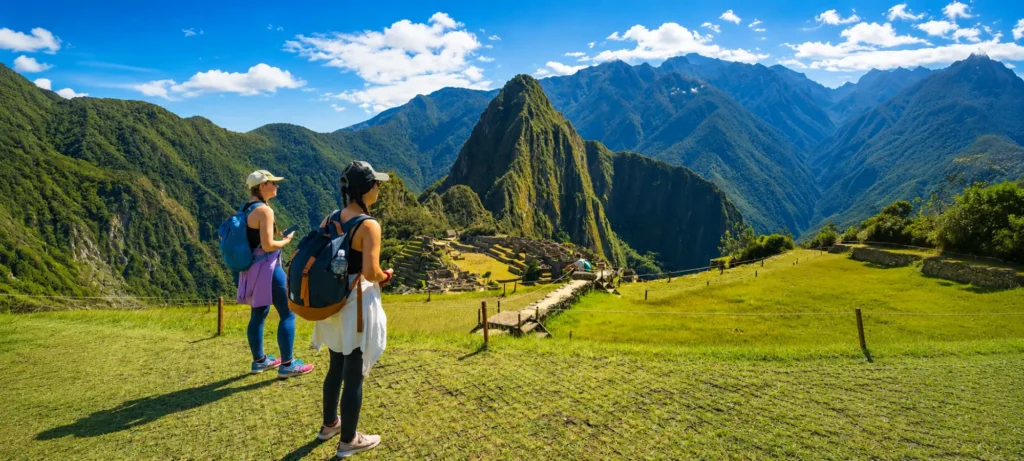
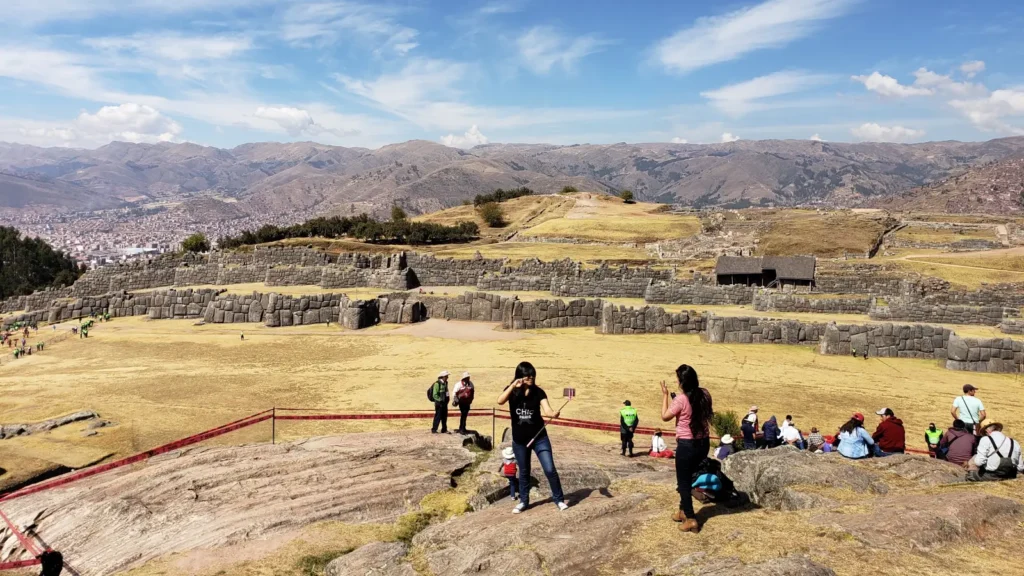
From May to October, much of the Andean region enters the dry season. This period is known for its clear skies, consistent weather, and reliable travel conditions.
Days are typically bright and sunny, making it ideal for exploring cultural sites, walking tours, and scenic routes. In places like Cusco and the Sacred Valley, the atmosphere feels crisp and open, offering excellent visibility across the landscape.
Traveling during this time tends to feel more structured. Schedules run smoothly, outdoor plans are rarely interrupted, and the overall experience is easier to manage especially for those who prefer well-organized journeys.
It is also the most popular time to visit Peru, which means higher demand and the need for early planning.
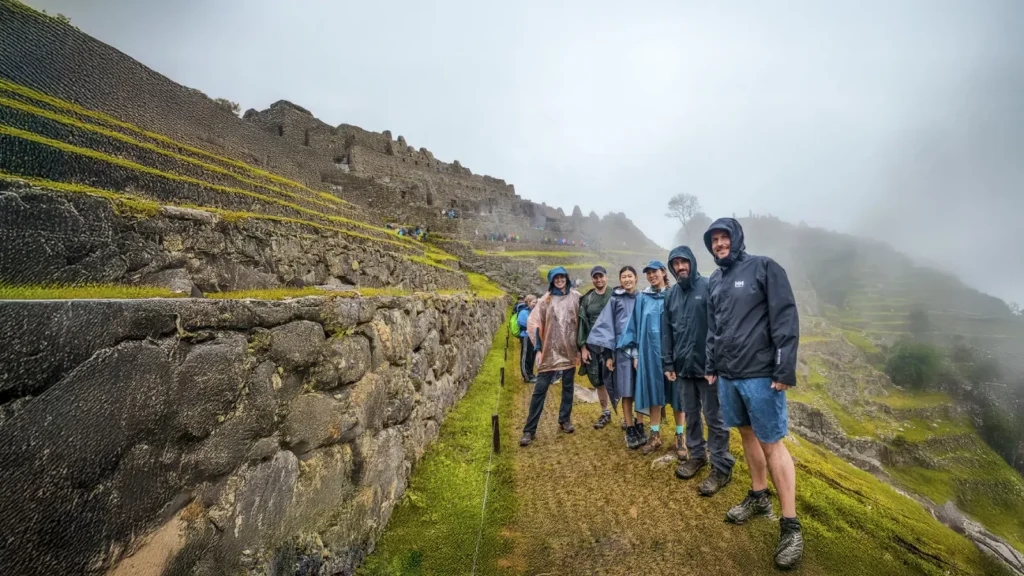
Between November and April, Peru transitions into the rainy season, particularly in the highlands and rainforest regions.
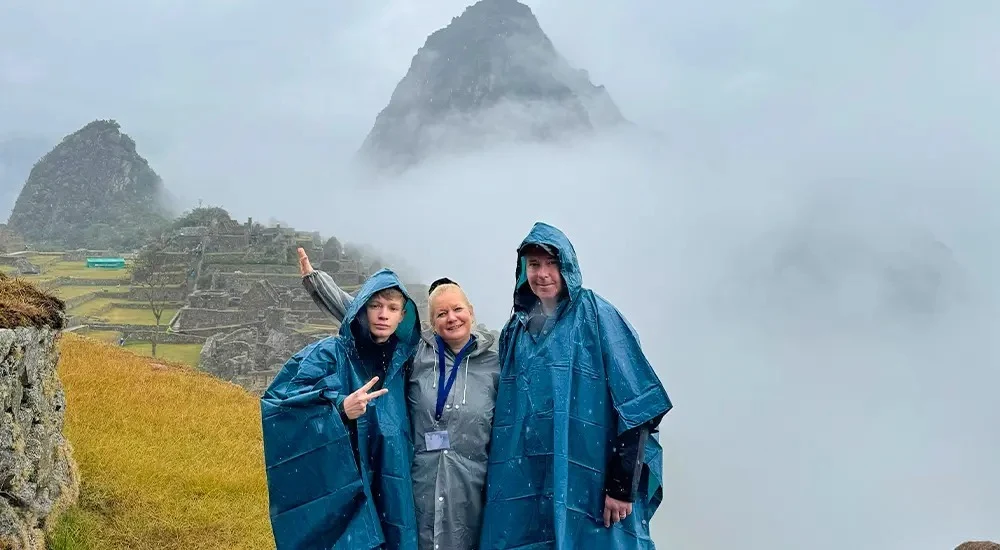
During these months, the landscape transforms. Valleys become intensely green, rivers flow stronger, and the scenery feels more vibrant and alive. Mist and cloud cover can add a dramatic atmosphere, especially around mountain areas and archaeological sites.
Rainfall is often concentrated in the afternoons or evenings, though it can vary. Traveling at this time requires a more flexible mindset, but it also offers a quieter and more relaxed experience.
Fewer visitors, greater availability, and a sense of calm make this season appealing to those who prefer to avoid crowds and travel at a gentler rhythm.
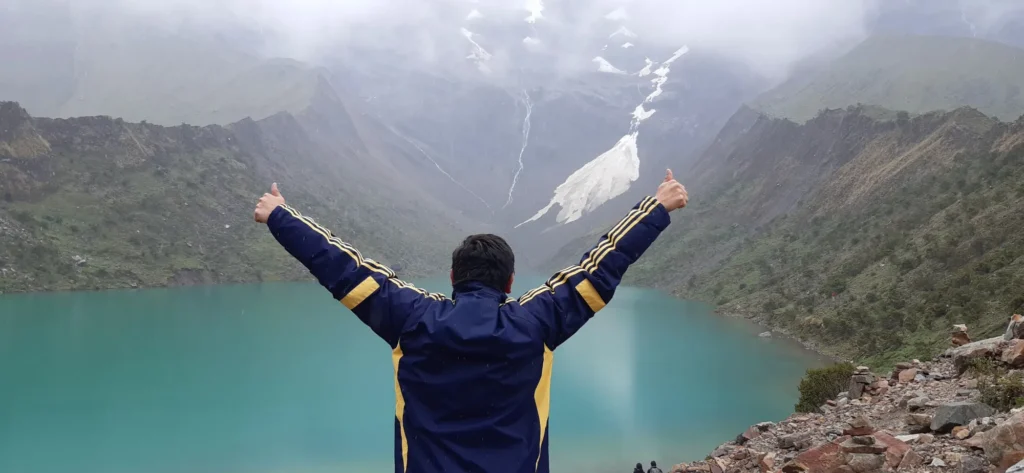
Understanding the contrast between these seasons helps you align your expectations with your travel style.
Main distinctions to consider:
The best time to visit Peru depends less on the calendar and more on how you want to experience the country.
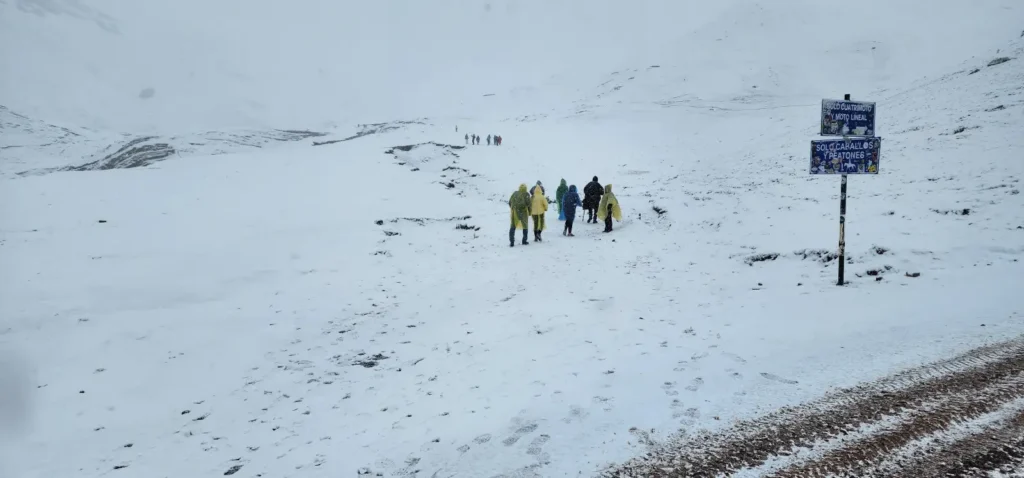
If your focus is on visiting iconic destinations such as Cusco, the Sacred Valley, and Machu Picchu, the dry season offers the most comfortable conditions. Travel flows more easily, and daily plans are less likely to change.
For travelers drawn to landscapes and natural beauty, the rainy season reveals a more vivid side of Peru. The scenery feels fuller, richer, and more dynamic.
If you value seamless logistics, well-paced itineraries, and minimal disruptions, the dry season is typically the preferred choice. It allows for precise planning and a more refined travel experience.
For those seeking privacy, space, and a more intimate connection with destinations, the rainy season offers a noticeable advantage. The atmosphere is calmer, and popular sites feel less congested.
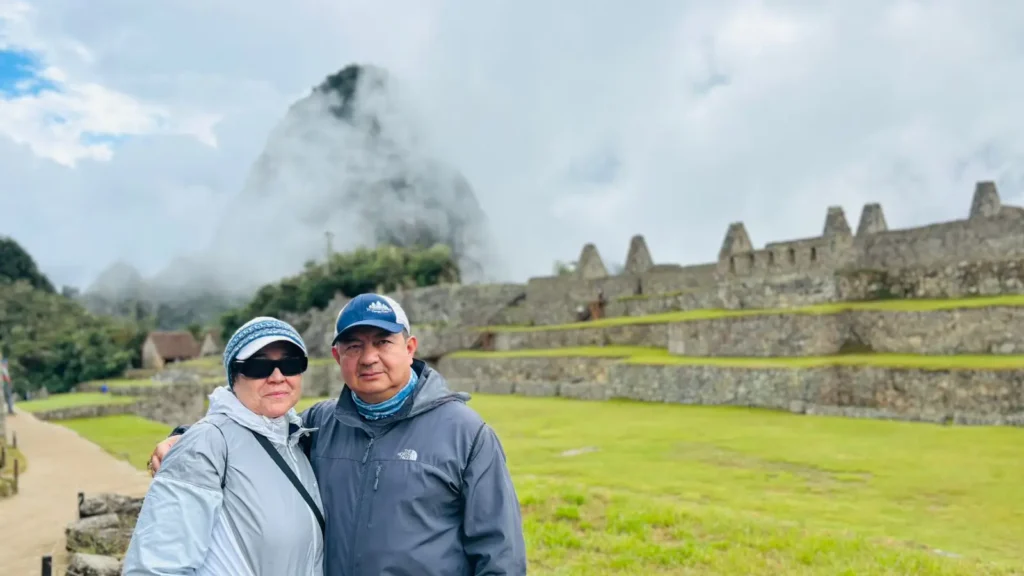
One of the most important aspects of planning a trip to Peru is understanding that the climate varies significantly by region.
This diversity allows for flexible travel planning, even within the same trip.
Before choosing your travel dates, keep in mind:
There is no single “best time” to visit Peru. There is, however, a right time for the kind of journey you want to experience.
The dry season in Peru offers clarity, structure, and ease.
The rainy season in Peru brings depth, color, and a more relaxed pace.
Both are valid choices. The key is selecting the one that aligns with your expectations and travel style.
También te puede interesar
August wraps up the busiest quarter of the year for the Inca Trail, alongside June and July. It’s...
Leer articulo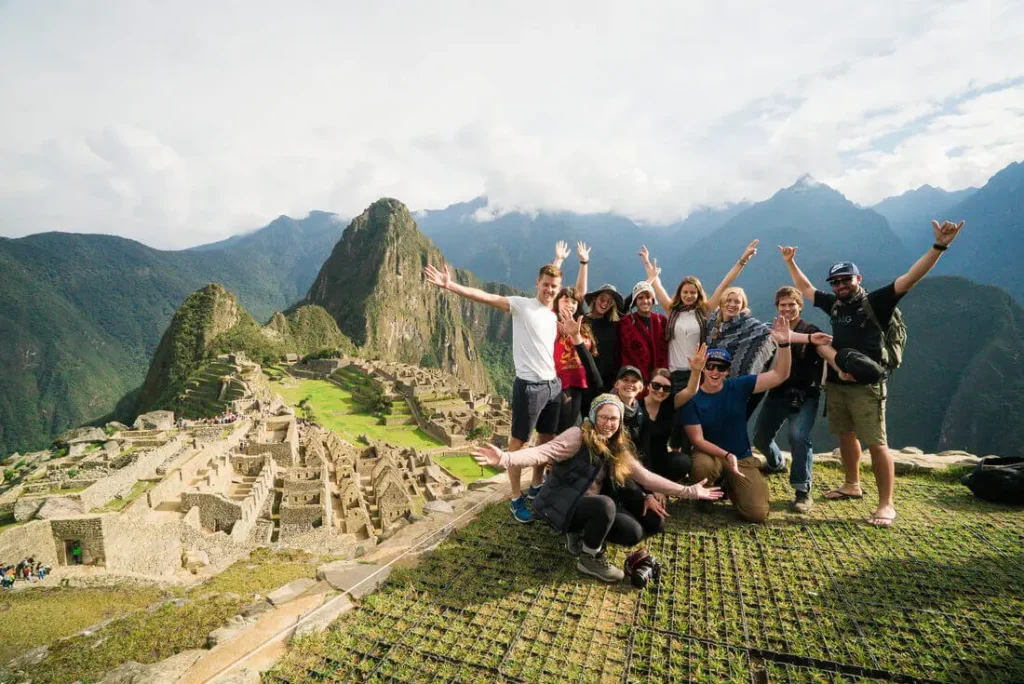
July is, along with June and August, one of the busiest months of the year for the Inca...
Leer articulo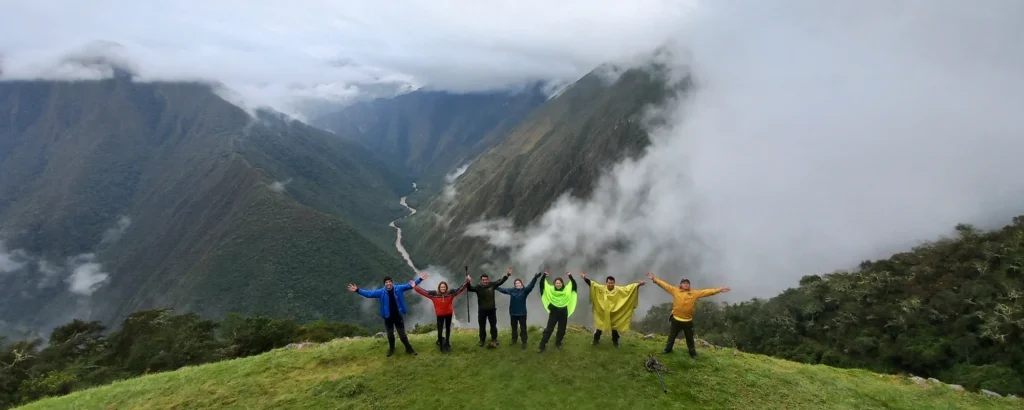
If you’re planning a trip to Machu Picchu and your dates fall in February, there’s something important you...
Leer articulo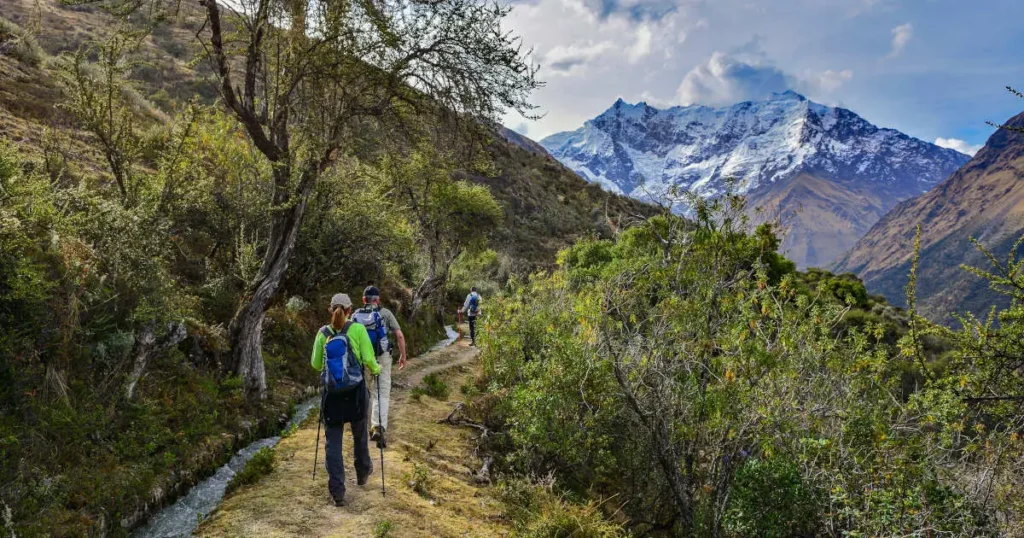
The Salkantay Trek is one of the most rewarding alternatives to the classic Inca Trail, but it’s also...
Leer articulo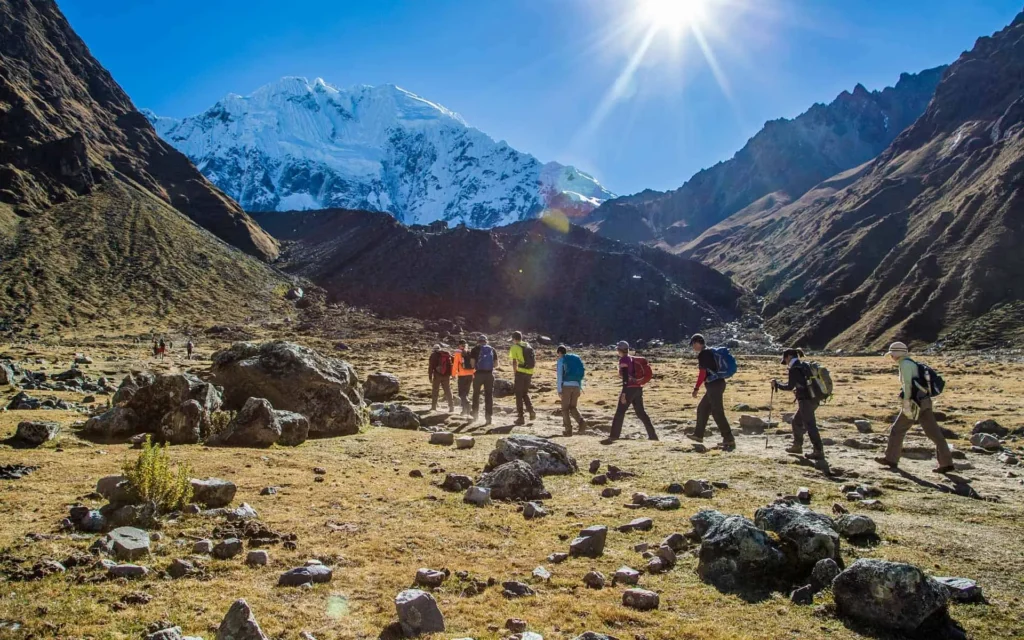
If you’re planning the Salkantay trek, chances are you’ve asked yourself whether it’s worth doing it without a...
Leer articulo
Building a solid Peru itinerary is what separates a trip that flows smoothly from one that turns into...
Leer articulo
If this is your first time planning a trip to South America, it’s completely normal to feel a...
Leer articulo
Figuring out your Peru trip cost is one of the most important steps before booking anything. The good...
Leer articulo