7 min read
77 vistas
Inca Trail in August
August wraps up the busiest quarter of the year for the Inca Trail, alongside June and July. It’s...
Leer articuloFiguring out the best time to visit Peru is one of the first (and most important) decisions you’ll make before planning your itinerary. Peru doesn’t have just one climate — it has dozens, depending on the region, altitude, and time of year.
That’s why, before booking flights, it’s worth understanding how the weather behaves across the country. In this guide, we break down everything you need to know to decide when to travel to Peru, month by month and region by region.
Broadly speaking, Peru has two main seasons:
Keep in mind: this division applies mainly to the Andes. The coast and the Amazon follow their own weather patterns, which we’ll cover below.
If you want a deeper look at temperature and rainfall for each month, check out our Peru weather by month breakdown, with detailed highs and lows for each city.
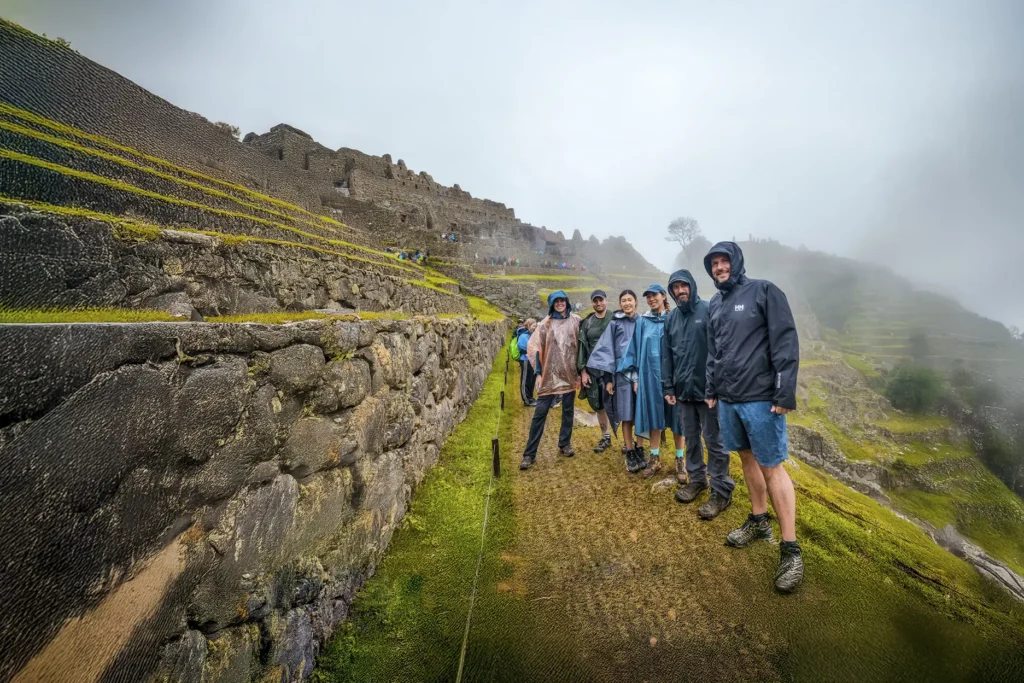
This is, without a doubt, the best time to visit Peru if your priority is Cusco, Machu Picchu, and Andean treks.
Key features:
July and August are the driest months, but also the busiest, thanks to Northern Hemisphere summer vacations and Peru’s Independence Day celebrations (July 28–29). That means higher prices and the need to book well in advance, especially for the Inca Trail.
April, May, September, and October are excellent alternatives: they still fall within the dry season, but with fewer crowds and more affordable rates.
To fully understand the differences between both periods, read our detailed comparison of the dry and rainy season.
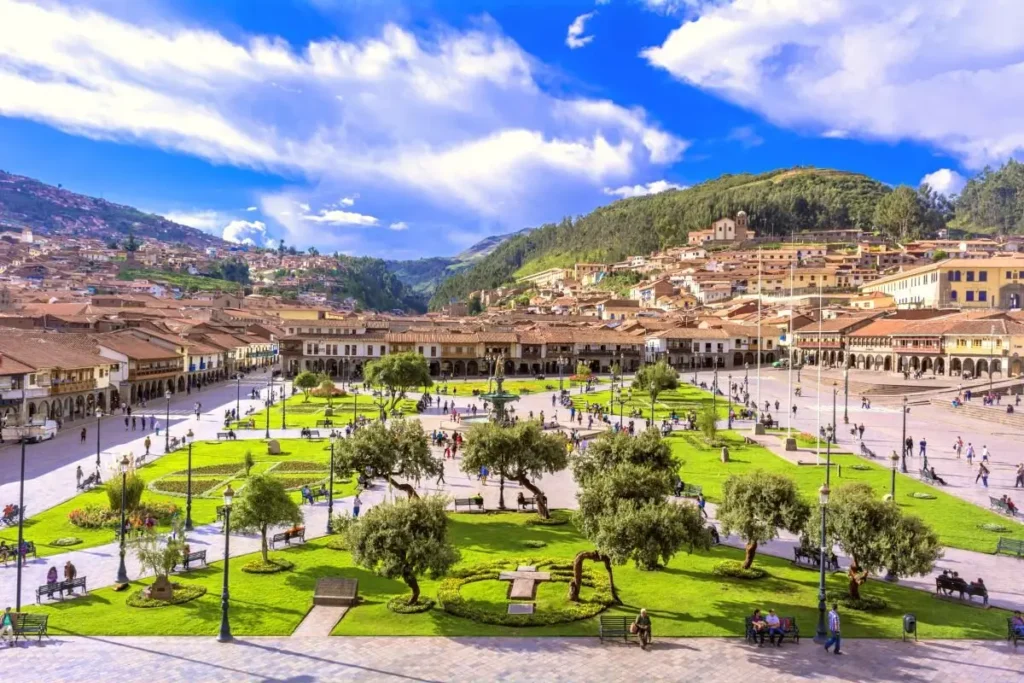
This period isn’t all downsides — it has its own appeal and some real advantages.
What to expect:
December, January, and February see the heaviest rainfall in Cusco and the Sacred Valley. In fact, February is the only month of the year when the classic Inca Trail closes for maintenance — something to keep in mind if that trek is part of your plan.
November and March are transition months: there’s rain, but it’s more sporadic, and you can still enjoy plenty of sunny days.
If avoiding crowds is your priority and you don’t mind packing a rain jacket, this season can be a great opportunity to explore Peru at a slower pace.
Peru is a country of extreme geographic contrasts, so the best time to visit varies quite a bit depending on where you’re headed.
The ideal window is April to October, with July and August being the driest but also the most crowded months. If you’re after a balance between good weather and fewer visitors, aim for May, June, September, or October.
The climate here is warm and humid year-round, but there’s still a drier season (May to October) and a wetter one (November to April). During the dry season, river levels drop, making it easier to spot wildlife along the banks. During the rainy season, rivers rise and allow boats to reach more remote areas.
This region follows the same Andean pattern: April to October brings clearer skies and very cold nights (especially in June and July, when nighttime temperatures can be extreme). The rainy season brings greener landscapes to the floating Uros Islands and Taquile.
The Peruvian coast works almost in reverse compared to the highlands. Coastal summer (December to March) brings sun, warmth, and ideal beach weather for Lima, Paracas, or Máncora. Coastal winter (June to September) tends to be overcast and gray in Lima, though without heavy rain.
This is one of the reasons many travelers combine regions: while the highlands are in dry season, the coast may be cloudy, and vice versa. That’s why it’s worth plan your trip to Peru with the full route in mind, not just a single destination.
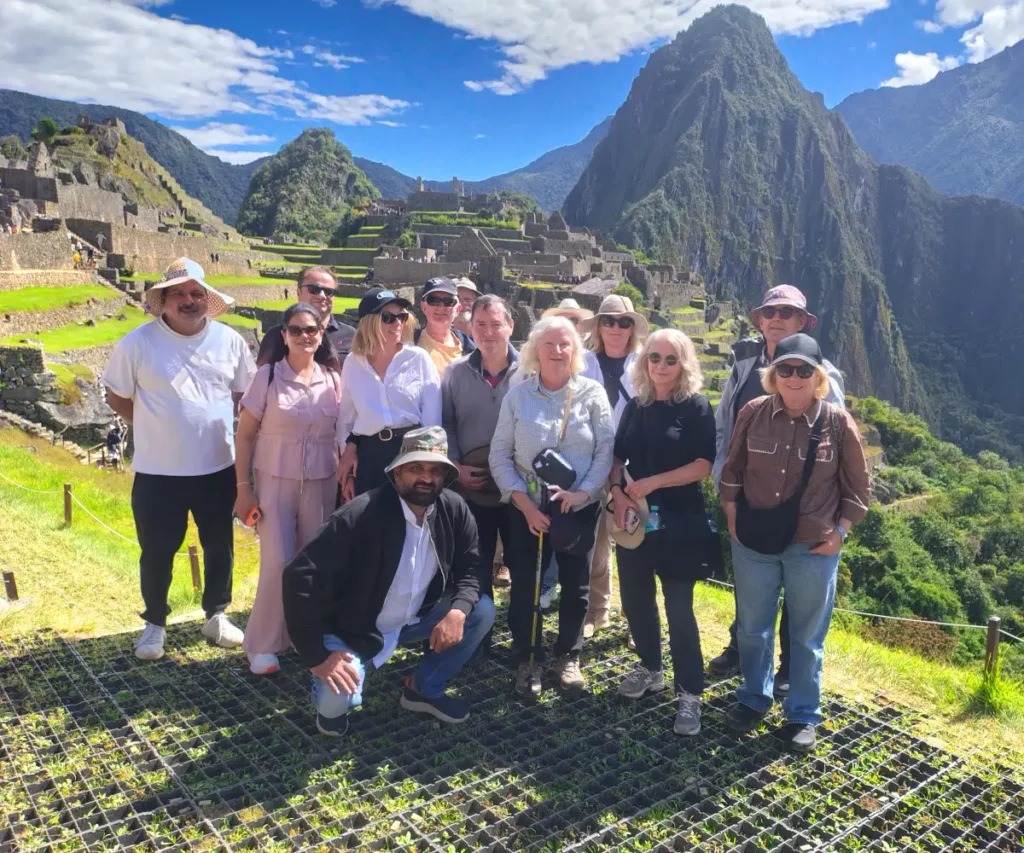
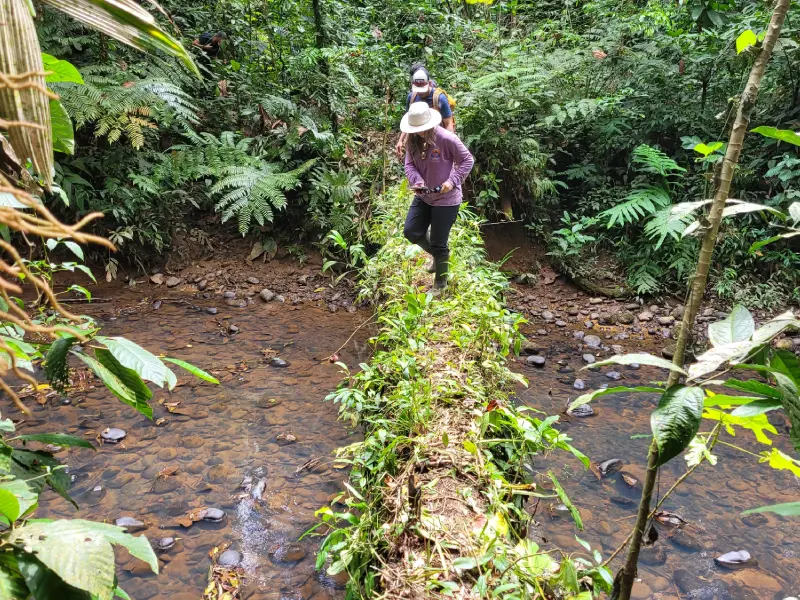
Here’s a quick reference to help you find the best month to visit Peru based on your priorities:
If overtourism is a concern for you, especially at Machu Picchu, there are certain dates worth avoiding or planning far ahead for:
If you’re after a quieter experience, consider May, September, or the first days of November. You’ll get good weather, fewer people at archaeological sites, and better accommodation rates.
It’s also worth thinking about the overall length of your trip when choosing dates, since some itineraries need extra buffer time to account for weather-related delays. Check out how many days you need in Peru to plan realistically.
If we had to sum up the best time to visit Peru in one sentence, it would be this: April to October, with May, June, and September as the most balanced months in terms of weather, availability, and price.
That said, there’s no single right answer. It all depends on what you’re prioritizing:
At Aura Travel Experience, we work with you to design an itinerary tailored to the season you choose, taking care of every detail based on weather, your interests, and your budget.
Ready to lock in your dates? Explore our Peru packages and build your trip on the best dates.
También te puede interesar
August wraps up the busiest quarter of the year for the Inca Trail, alongside June and July. It’s...
Leer articulo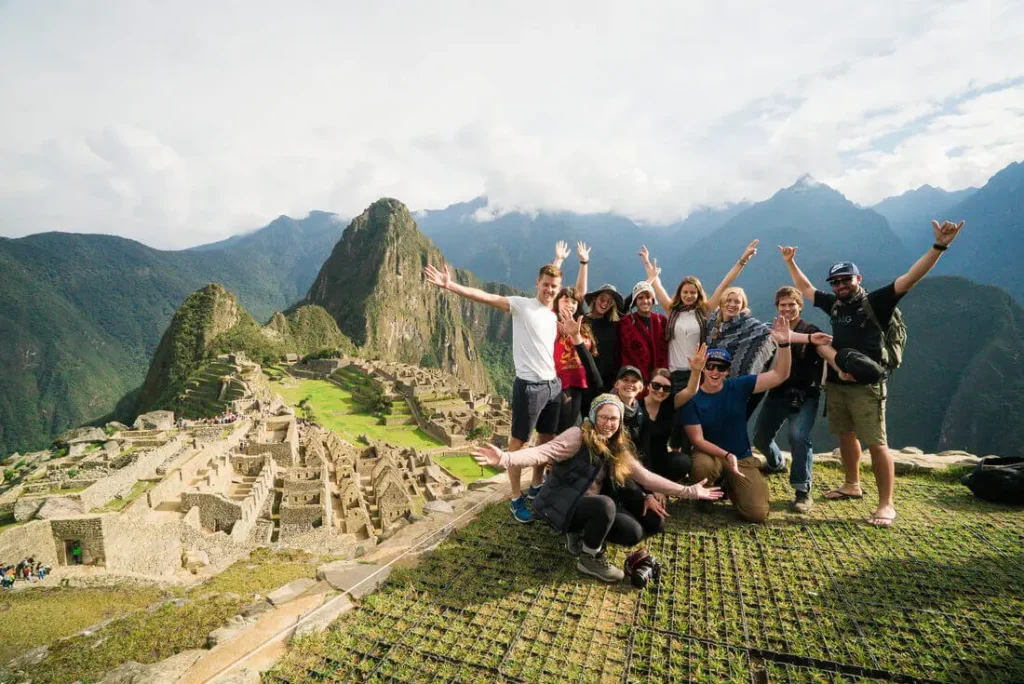
July is, along with June and August, one of the busiest months of the year for the Inca...
Leer articulo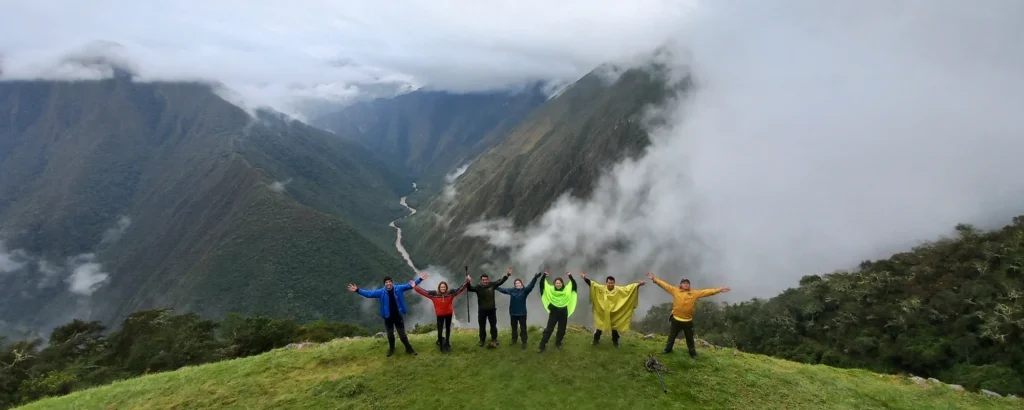
If you’re planning a trip to Machu Picchu and your dates fall in February, there’s something important you...
Leer articulo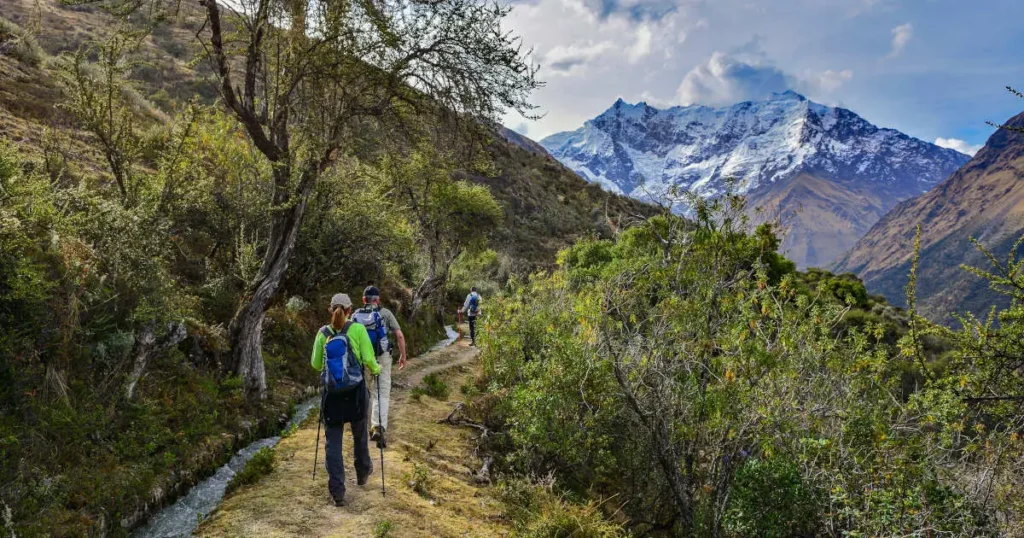
The Salkantay Trek is one of the most rewarding alternatives to the classic Inca Trail, but it’s also...
Leer articulo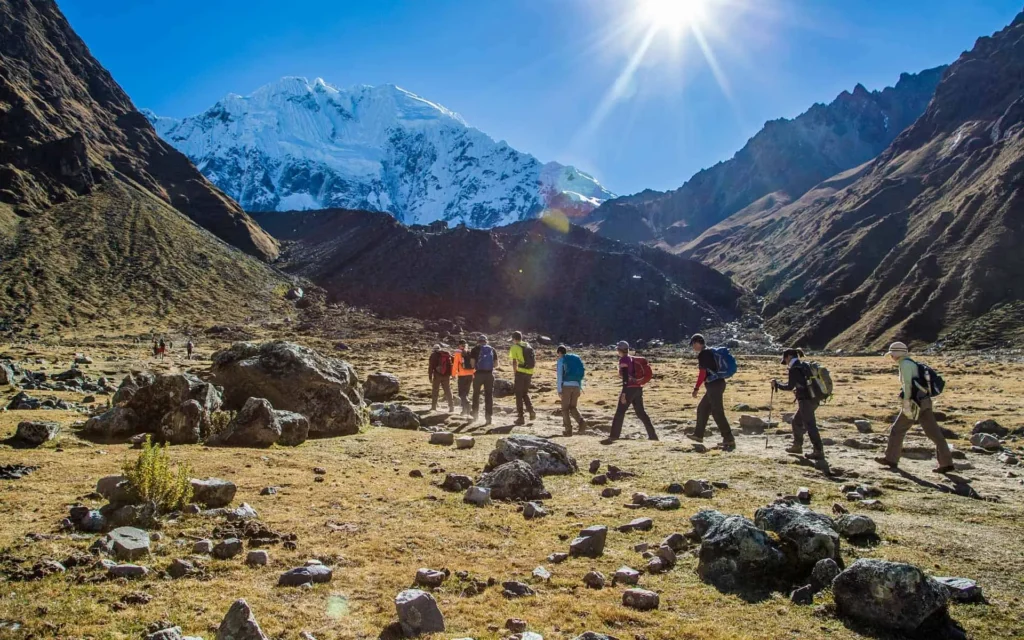
If you’re planning the Salkantay trek, chances are you’ve asked yourself whether it’s worth doing it without a...
Leer articulo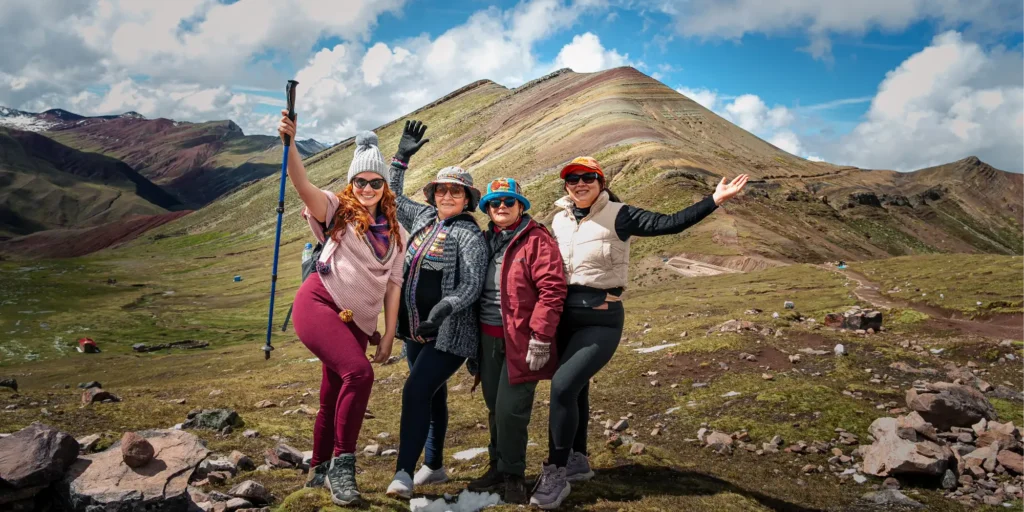
Building a solid Peru itinerary is what separates a trip that flows smoothly from one that turns into...
Leer articulo
If this is your first time planning a trip to South America, it’s completely normal to feel a...
Leer articulo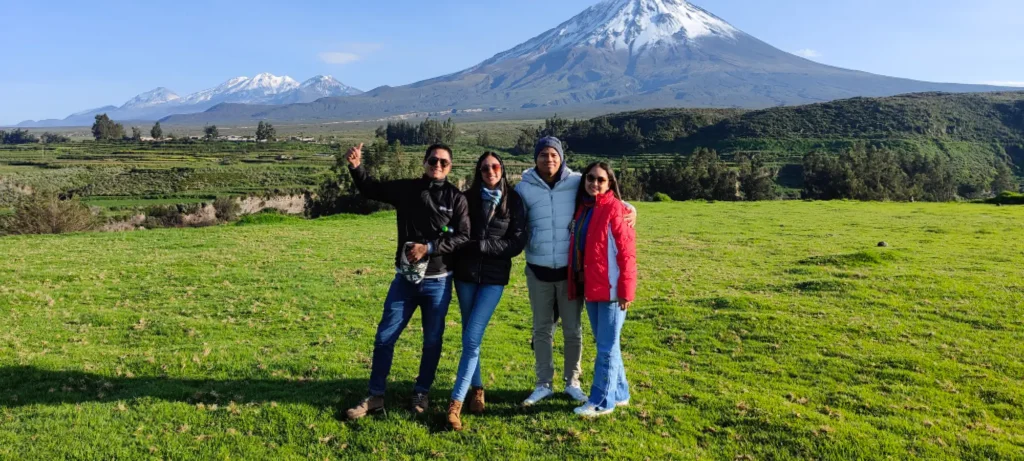
Figuring out your Peru trip cost is one of the most important steps before booking anything. The good...
Leer articulo