7 min read
77 vistas
Inca Trail in August
August wraps up the busiest quarter of the year for the Inca Trail, alongside June and July. It’s...
Leer articuloIf this is your first time planning a trip to South America, it’s completely normal to feel a bit overwhelmed by the options. Peru has jungle, desert, mountains, lakes, ancient ruins, and one of the best food scenes in the world, all within one country.
In this guide, we’ll walk you through what to see in Peru so you can build an itinerary that’s actually worth it, without missing the must-see places or overloading your trip with unnecessary stops.
Before diving into detail, here’s a quick overview of the destinations almost every first-timer should consider:
You don’t need to visit all of them on a single trip. What matters is understanding what each place offers so you can decide which ones best fit your interests and available time.
For most travelers, Cusco is the natural starting point. It was the capital of the Inca Empire and today blends colonial architecture built on Inca foundations, traditional markets, and a vibrant cultural scene.
Walking its cobblestone streets, visiting the Plaza de Armas, the Qorikancha temple, and the San Blas neighborhood is a perfect introduction to Peruvian history. Cusco also serves as the logistical base for exploring the Sacred Valley and reaching Machu Picchu.
One important detail: Cusco sits above 3,400 meters (11,150 feet), so it’s worth setting aside at least one day to acclimatize before tackling demanding physical activities. You’ll find all the practical details in our Cusco travel guide.
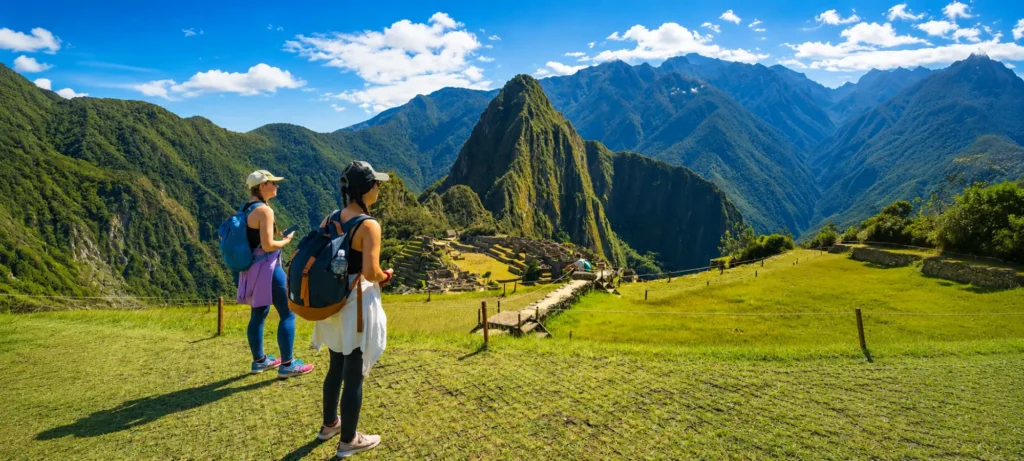
No “what to see in Peru” list starts — or ends — without Machu Picchu. The Inca citadel, built in the 15th century and rediscovered by the Western world in 1911, is one of the Seven Wonders of the Modern World and, arguably, the main reason many travelers choose Peru as a destination.
What makes Machu Picchu unique isn’t just its architecture, but its setting: perched between mountains, wrapped in mist and lush vegetation. No photo does it justice until you see it in person.
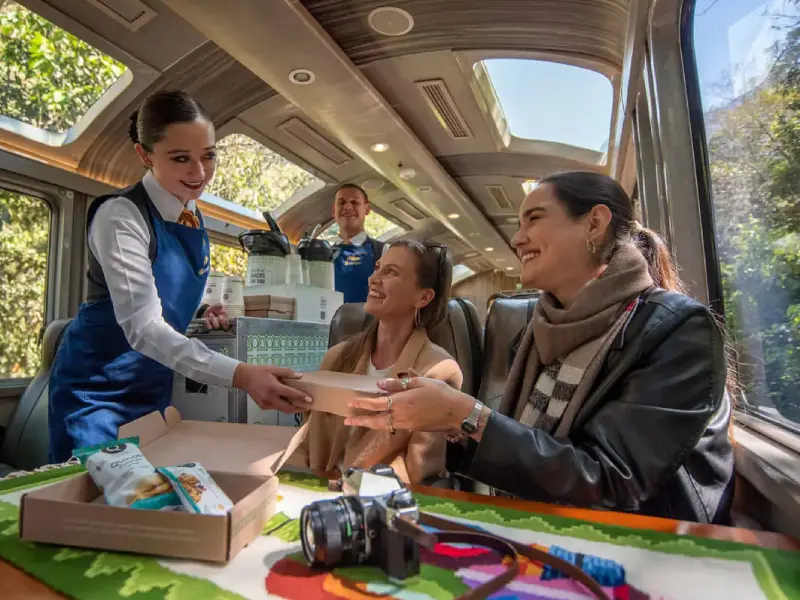
There are several ways to get there: by train from Cusco or the Sacred Valley, or on foot along the classic Inca Trail (4 days) or alternative routes like Salkantay. Whichever option you choose, it’s essential to book entrance tickets in advance, since there’s a daily limit on visitors.
Halfway between Cusco and Machu Picchu lies the Sacred Valley of the Incas, a region of Andean towns, agricultural terraces, and archaeological sites that often gets overshadowed by Machu Picchu’s fame.
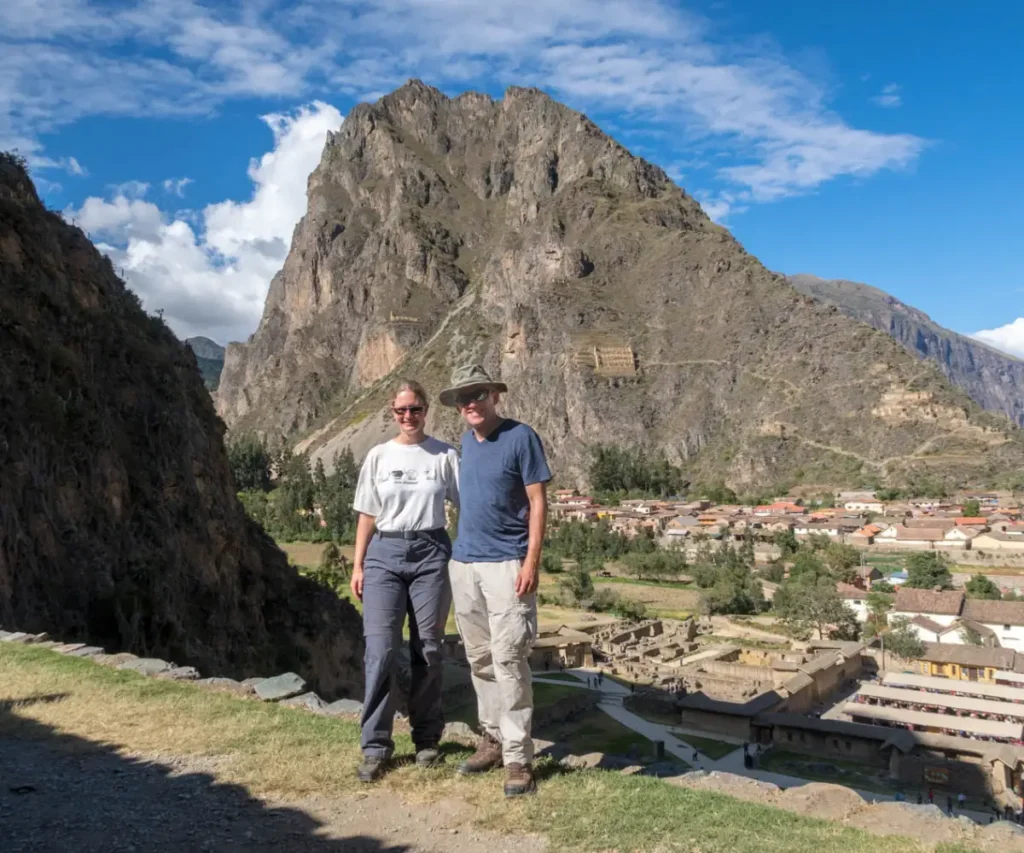
Here you can visit Pisac, with its craft market and impressive Inca terraces; Ollantaytambo, one of the few towns where you can still see original Inca urban planning; and Chinchero, famous for its traditional textiles.
The Sacred Valley also offers a milder climate than Cusco, making it a good option for acclimatizing before heading to higher altitude. We recommend exploring the Sacred Valley in more detail to plan how many days to dedicate to it.
Shared between Peru and Bolivia, Lake Titicaca is the highest navigable lake in the world and one of the country’s most singular destinations. From Puno, you can visit the floating Uros Islands, built entirely from totora reeds, where local communities preserve ancestral traditions.
You can also reach islands like Taquile or Amantaní, where it’s possible to stay with local families and get a close look at their way of life, based on weaving, fishing, and high-altitude farming.
Titicaca’s landscape, with its clear skies and intensely blue waters, contrasts sharply with the rest of the Peruvian highlands. Find all the details in our guide to Lake Titicaca in Puno.
Known as the “White City” for its buildings made of volcanic sillar stone, Arequipa is one of the best-preserved colonial cities in South America. Its historic center, a UNESCO World Heritage Site, and the impressive Santa Catalina Monastery are must-visits.
From Arequipa, most travelers head to Colca Canyon, one of the deepest canyons in the world (more than twice as deep as the Grand Canyon in the US). Beyond its spectacular scenery, Colca is one of the best places in South America to watch Andean condors in flight, especially at the Cruz del Cóndor viewpoint in the early morning hours.
If your itinerary includes southern Peru, don’t miss our complete guide to Colca Canyon in Arequipa.
The Peruvian Amazon often flies under the radar for many first-timers, but it makes up over 60% of the country’s territory and holds extraordinary biodiversity. Destinations like Puerto Maldonado, Iquitos, or the Manu Reserve offer very different experiences from one another, from lodges accessible within a few hours of travel to deeper jungle expeditions.
Common activities include night walks, birdwatching and wildlife spotting from canopy towers, canoe rides along lakes and tributaries, and visits to local communities.
If your itinerary has enough time, adding 2-3 days in the Amazon pairs really well with an Andes-focused trip, showing a completely different side of the country.
Many travelers use Lima only as an entry or exit point, but Peru’s capital deserves at least a couple of days of exploring. It’s, without exaggeration, one of the most important culinary capitals in the world, home to several internationally acclaimed restaurants.
Neighborhoods like Miraflores and Barranco offer a mix of oceanfront boardwalks, street art, galleries, and interesting nightlife. The historic center, meanwhile, preserves stunning colonial architecture, with the Plaza Mayor and the Convento de San Francisco as highlights.
Lima is also an excellent base for visiting key museums, like the Larco Museum, which offers useful historical context before heading to Cusco and Machu Picchu.
South of Lima, the Peruvian coast turns into a vast desert dotted with oases and archaeological mysteries. Ica is the gateway to this region, known for its pisco and wine bodegas.
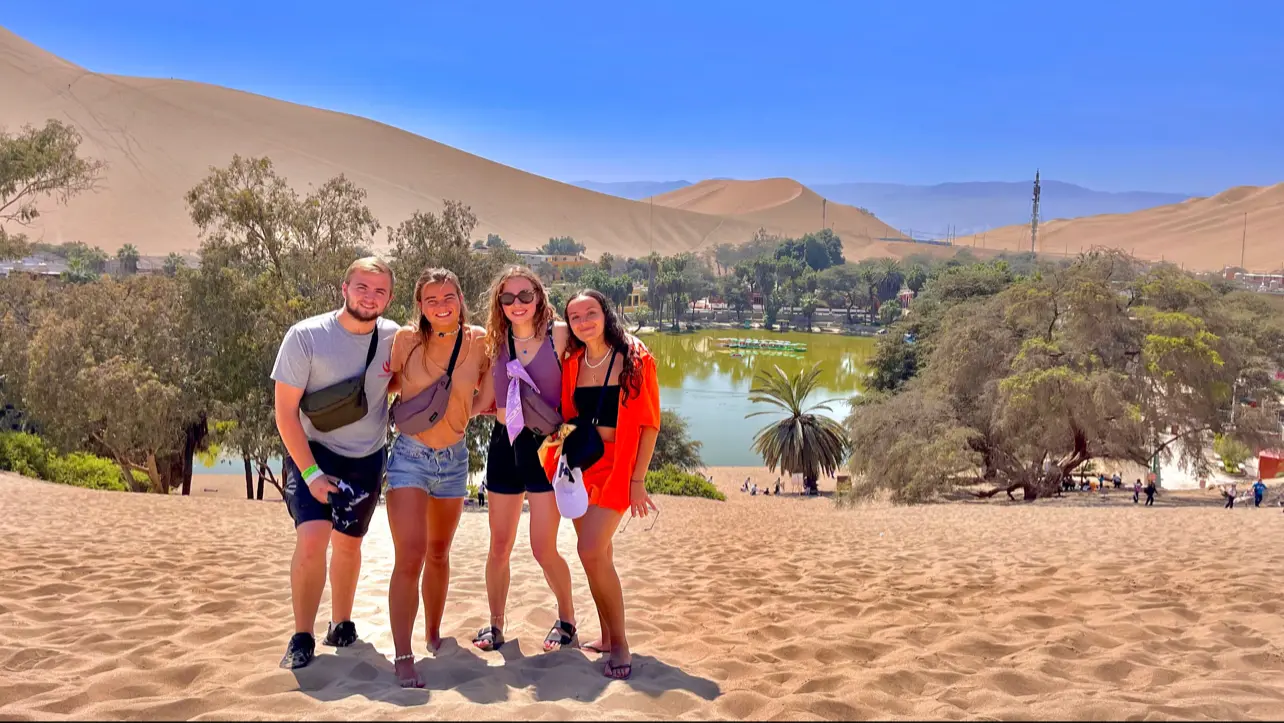
A few minutes away lies Huacachina, an oasis surrounded by massive sand dunes where you can go sandboarding and take dune buggy rides through the desert — an experience quite different from the rest of the country.
Further south, Nazca holds one of the world’s greatest archaeological mysteries: the Nazca Lines, giant geoglyphs that can only be fully appreciated from the air. Flying over them in a small plane is one of the most unique experiences Peru has to offer.
Check out all the practical details in our guide to Ica and Huacachina.


With so many incredible destinations, the logical question is: which ones should you choose, and in what order? The answer depends on how many days you have available, but here are some common combinations:
Logistics matter a lot in Peru, since distances between regions can be considerable and some routes require domestic flights. That’s why, before booking anything, we recommend checking out how to build your Peru itinerary, where we go deeper into routes, travel times, and how to optimize each stage of the trip.
Peru offers so much that it’s tempting to try to see it all in one trip, but the experience is usually much better when you prioritize quality over quantity. It’s better to enjoy 3-4 destinations at a relaxed pace than to rush through 8 places back to back.
If it’s your first time in the country, our suggestion is to start with the classic circuit — Lima, Cusco, Sacred Valley, and Machu Picchu — and, if time allows, add one more region based on your interests: nature and adventure (Colca or the Amazon), ancient culture (Titicaca), or unique landscapes (Ica and Nazca).
At Aura Travel Experience, we design tailor-made itineraries that combine the places that interest you most, taking care of travel times, acclimatization, and pacing so you can enjoy every destination without rushing.
Ready to discover Peru? Discover these places with us and build the ideal itinerary for your first trip.
También te puede interesar
August wraps up the busiest quarter of the year for the Inca Trail, alongside June and July. It’s...
Leer articulo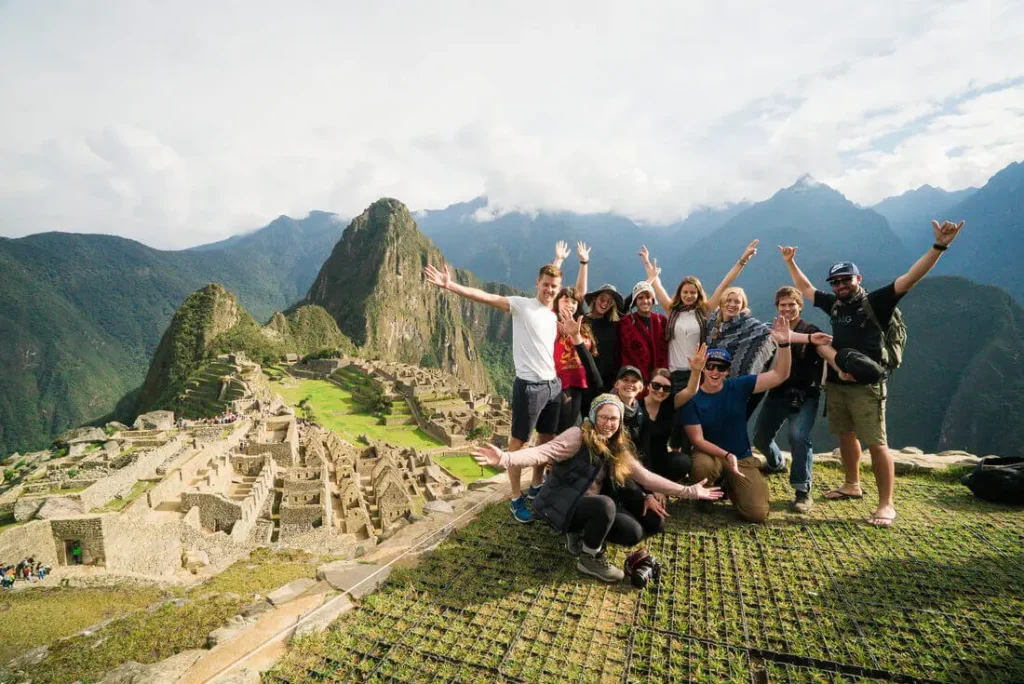
July is, along with June and August, one of the busiest months of the year for the Inca...
Leer articulo
If you’re planning a trip to Machu Picchu and your dates fall in February, there’s something important you...
Leer articulo
The Salkantay Trek is one of the most rewarding alternatives to the classic Inca Trail, but it’s also...
Leer articulo
If you’re planning the Salkantay trek, chances are you’ve asked yourself whether it’s worth doing it without a...
Leer articulo
Building a solid Peru itinerary is what separates a trip that flows smoothly from one that turns into...
Leer articulo
Figuring out your Peru trip cost is one of the most important steps before booking anything. The good...
Leer articulo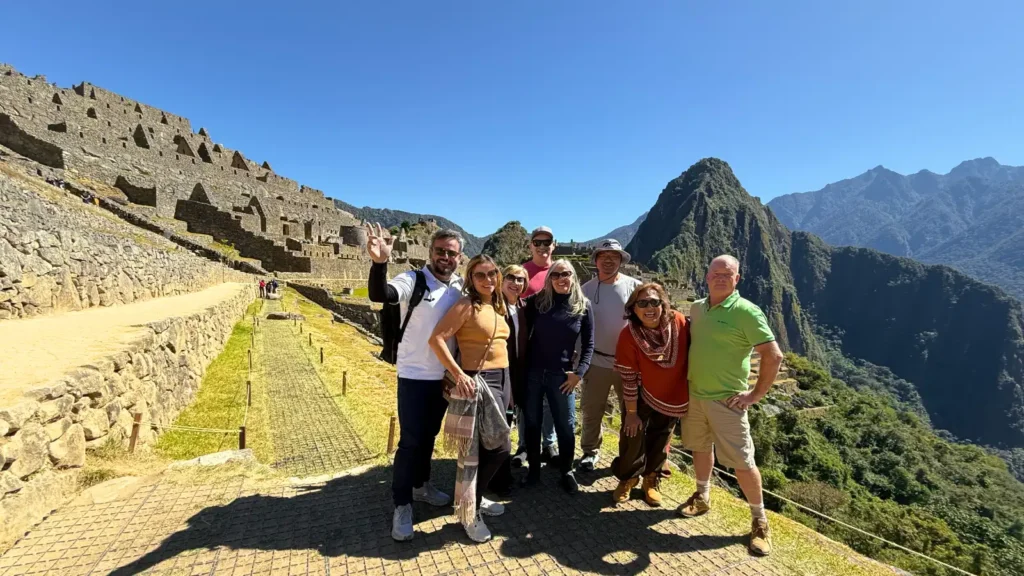
Figuring out the best time to visit Peru is one of the first (and most important) decisions you’ll...
Leer articulo