7 min read
76 vistas
Inca Trail in August
August wraps up the busiest quarter of the year for the Inca Trail, alongside June and July. It’s...
Leer articuloBuilding a solid Peru itinerary is what separates a trip that flows smoothly from one that turns into a race against the clock. Peru is a large, geographically complex country: distances between regions are considerable, altitude varies dramatically, and not every route can be covered by road.
In this guide, we’ll walk you step by step through how to plan your route, with concrete examples based on how many days you have available, so you can reach every destination without feeling rushed and make the most of your time.
Before looking at maps and building a wish list of places, it’s worth thinking through your itinerary based on three key questions:
With clear answers to these, it’s much easier to cut destinations that “look nice on the list” but don’t actually fit your trip. A well-built itinerary prioritizes quality of experience over the number of places visited.

Trip length is the factor that shapes everything else: which regions you can visit, how much travel time you’ll need, and the pace of your day-to-day.
As a general reference:
If you’re still not sure about the ideal length for your trip, we recommend reading in detail about how many days you need in Peru, where we go deeper into how to decide based on your priorities.
Ideal if your time is limited and you want to focus on the essentials:
Adds Lima to the classic circuit, ideal if you also want to explore the country’s culinary capital:
You can see a fully designed example in our Peru in 9 days package.
With more room to work with, you can add one more region without cutting time at the main destinations:
With two weeks, you can build a much more complete route, combining highlands, coast, and jungle:
You’ll find a detailed, ready-made example in our Peru in 14 days package.
A good itinerary doesn’t just depend on which places you choose, but on how efficiently you connect them. These are the three logistical factors that most often affect planning:
Peru has considerable distances between regions, and some routes are far more practical by air than overland. Lima-Cusco, for example, is a short flight that saves a huge amount of time compared to the overland alternative. The same applies to connections to Puerto Maldonado (Amazon) or Arequipa.
Booking domestic flights in advance not only secures better rates but also gives you more flexibility to build the rest of your itinerary around those fixed time slots.
Cusco, the Sacred Valley, and Lake Titicaca all sit at high altitude (Cusco is above 3,400 meters/11,150 feet, and Puno above 3,800 meters/12,450 feet). It’s essential to plan for at least one acclimatization day before demanding physical activities, and to avoid itineraries that push you up in altitude too quickly.
A common strategy is to visit the Sacred Valley first (lower than Cusco) before heading up to the city, which helps with a more gradual acclimatization process.
Not all of Peru’s regions are close to one another, and it’s a common mistake to underestimate travel times. For example, combining Cusco with the country’s northern coast in a short trip can be impractical due to distance and lack of direct connections. Before finalizing your route, it’s worth checking actual flight times and overland travel times between each point.
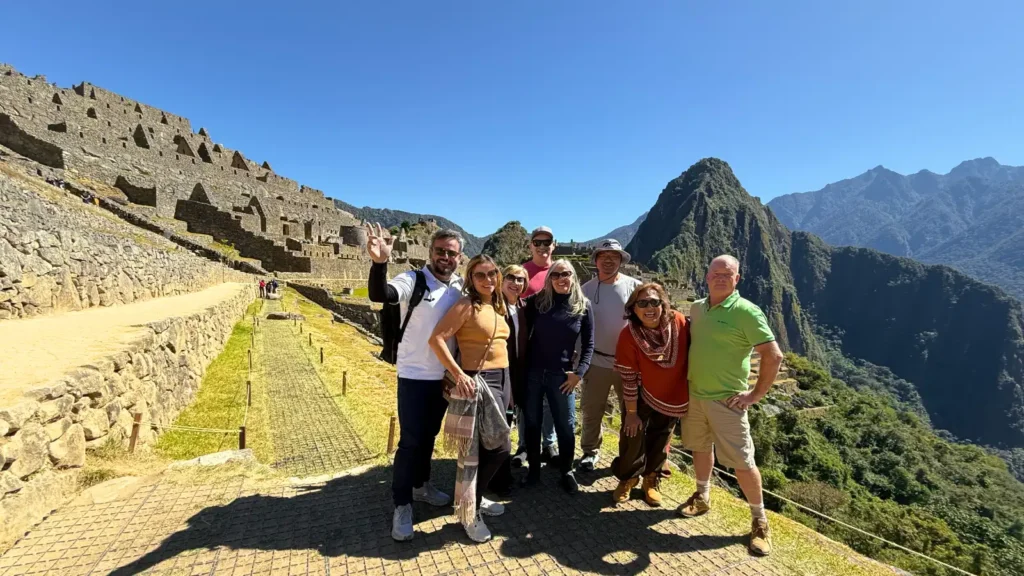
Here are some of the most frequent mistakes we see when travelers build their own itinerary:
If you’d rather not build your itinerary from scratch, Aura Travel Experience has already-designed, tested routes you can use as a base and personalize based on your interests:
You can explore all our packages to see ready-made options, with logistics already sorted and flexibility to adjust dates, activities, and comfort level.
Building a Peru itinerary doesn’t have to be complicated if you follow a logical order: first decide how many days you have, choose the regions that interest you most, check the logistics around transportation and altitude, and leave room for the unexpected.
Remember that a good itinerary isn’t the one that packs in the most places — it’s the one that lets you enjoy every destination without feeling like you’re constantly rushing. Prioritize quality over quantity, and use the suggested routes above as a starting point to adjust based on your time and interests.
If you’d rather leave the logistics to us, at Aura Travel Experience we design tailor-made itineraries, taking care of every detail: flights, acclimatization, travel times, and the experiences that matter most to you.
Ready to plan your route? Let us build your itinerary and enjoy a hassle-free trip.
También te puede interesar
August wraps up the busiest quarter of the year for the Inca Trail, alongside June and July. It’s...
Leer articulo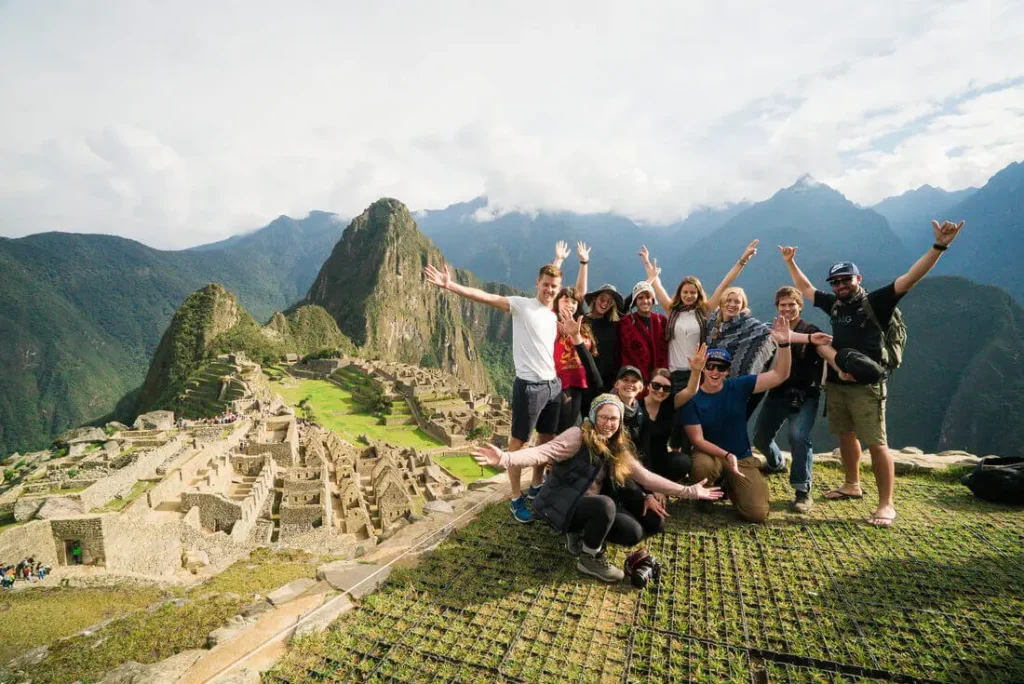
July is, along with June and August, one of the busiest months of the year for the Inca...
Leer articulo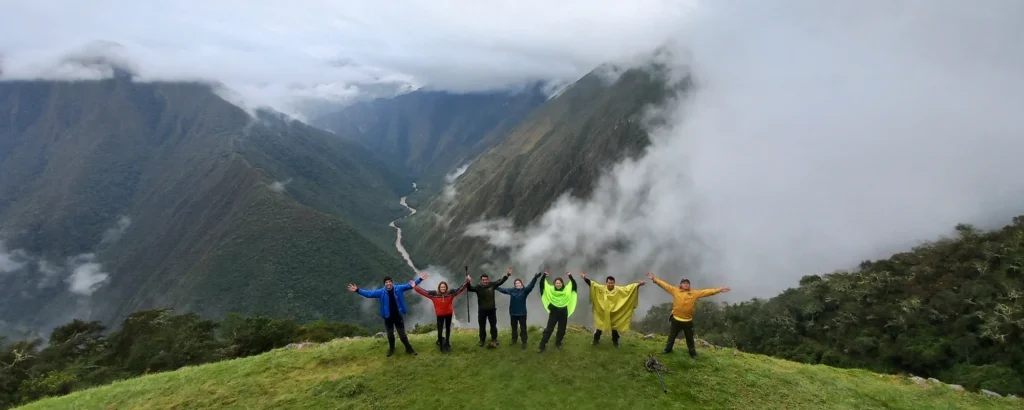
If you’re planning a trip to Machu Picchu and your dates fall in February, there’s something important you...
Leer articulo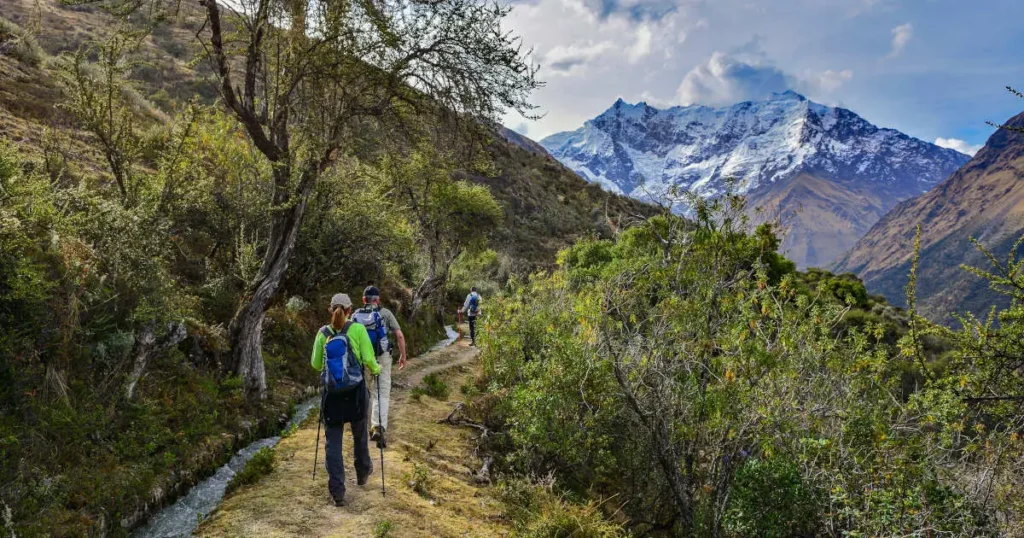
The Salkantay Trek is one of the most rewarding alternatives to the classic Inca Trail, but it’s also...
Leer articulo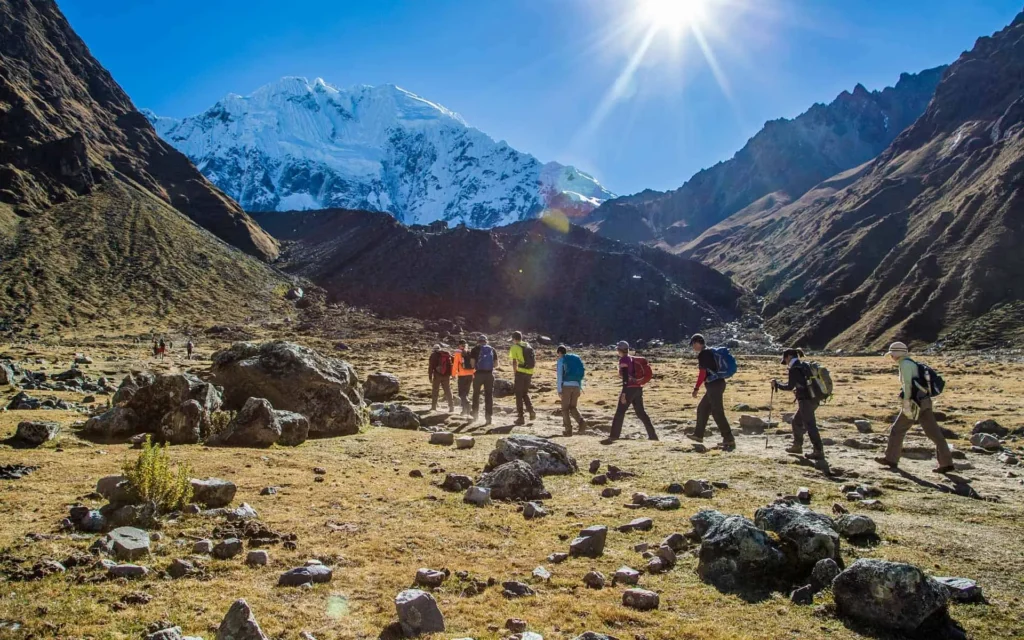
If you’re planning the Salkantay trek, chances are you’ve asked yourself whether it’s worth doing it without a...
Leer articulo
If this is your first time planning a trip to South America, it’s completely normal to feel a...
Leer articulo
Figuring out your Peru trip cost is one of the most important steps before booking anything. The good...
Leer articulo
Figuring out the best time to visit Peru is one of the first (and most important) decisions you’ll...
Leer articulo