

8 min read
35 vistas
Peru in 3 or 4 days: what to see on a short trip
Not everyone has two weeks to spare. Sometimes it is a long weekend, a few vacation days or...
Leer articuloGoing from Lima to Cusco overland is far more than a long transfer. You cross the coastal desert, sleep among sand dunes, see giant figures from the air, descend into a deep canyon and cross the high plateau to a lake at almost 3,800 meters.
This guide explains what the southern Peru route is, which stops matter, how many days you need, how to get around and how to build a southern Peru itinerary that does not wear you out.
The southern Peru route is the overland circuit linking Lima and Cusco, first down the coast and then up into the Andes. The classic version follows this order: Lima, Paracas, Ica, Nazca, Arequipa, the Colca Canyon, Puno and Cusco.
It has two advantages over flying straight there. First, you see very different landscapes and cultures in one trip, from the desert coast to the high plateau. Second, you climb gradually, which helps you adjust to altitude before reaching Cusco.
It suits travelers who prefer to move slowly, and it is done by backpackers, couples and families alike, each at their own comfort level.
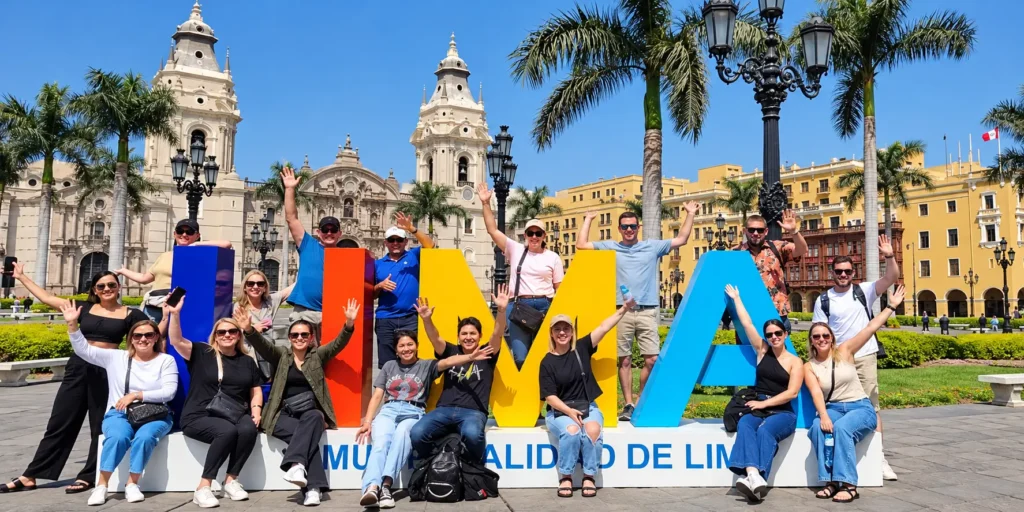
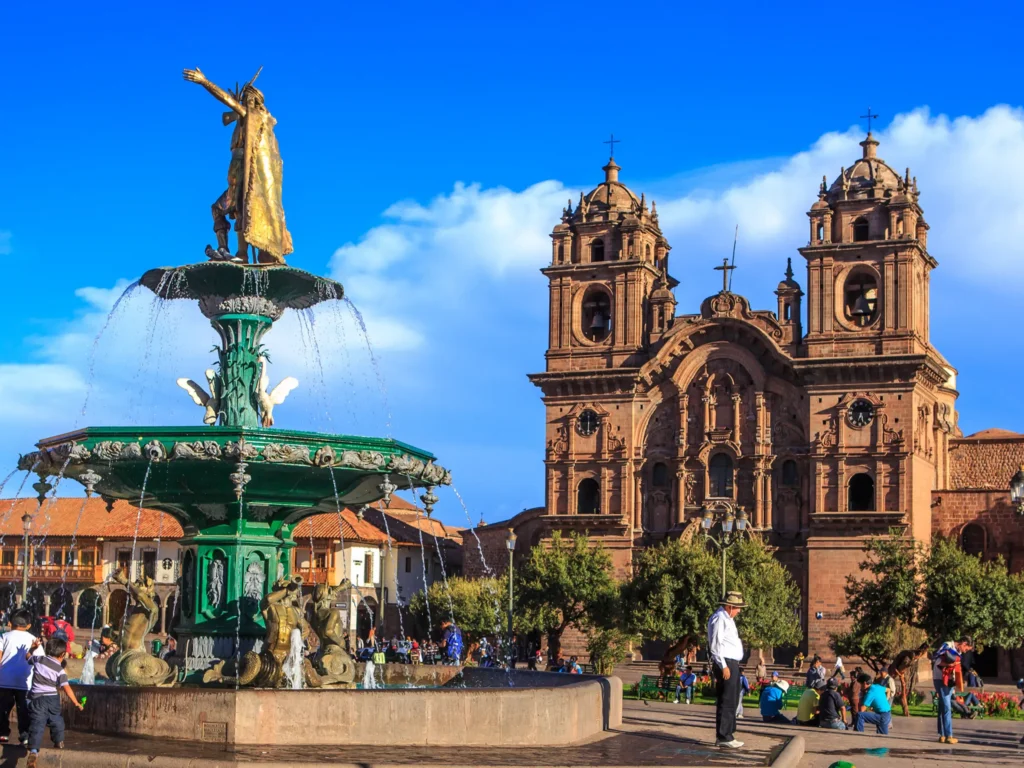
The Paracas Nazca Arequipa Puno route covers the highlights of the south. Here are the stops and why each is worth it.
About 3.5 to 4 hours from Lima, Paracas is the natural first stop. It offers marine wildlife and coastal desert scenery. Everything you need is in our guide to Paracas and the Ballestas Islands. Nearby, Ica and the Huacachina oasis add dunes and wineries if you have a spare day.
This is the geoglyph stop. The Nazca Lines are best seen from the air on a short flight, usually done in the morning. One night in town gives you enough time.
The “White City” is the first stop at altitude: at roughly 2,300 meters it is a good place to start adjusting. It has a historic center built of volcanic stone, the Santa Catalina Monastery and a well-regarded food scene.
A few hours from Arequipa, the Colca offers viewpoints, Andean villages, hot springs and a chance to see condors. Many travelers do a two-day excursion. To plan it, use our Arequipa & Colca guide.
Puno is the base for visiting the world’s highest navigable lake, with the floating Uros islands and the islands of Amantaní and Taquile. You will find more details in Puno and Lake Titicaca. From here the route continues to Cusco across the high plateau, with stops at sights along the way.
It depends on how much you want to see and how many hours of bus you can take. Here are three approximate guides:
| Pace | Days | What it includes |
|---|---|---|
| Fast | 8 to 9 | Paracas, Nazca, Arequipa, Puno and Cusco, without the Colca |
| Balanced | 11 to 13 | All the stops, with one night in each |
| Relaxed | 14 or more | Ica and Huacachina, a two-day Colca trip and free time |
If you have less than a week, consider combining overland legs with a flight, for example between Arequipa and Cusco. The overland route is long: almost every leg is over 5 hours, and some run 9 or 10. That is why it pays not to squeeze the calendar.
There are three ways to do the route, and the best one depends on your travel style and budget.
| Tourist bus | Private | |
|---|---|---|
| Flexibility | High, on a fixed route | Total |
| Comfort | Medium | High |
| Pace | Set by the bus schedule | You decide |
| Cost | Medium | Higher |
| Best for | Independent travelers | Couples, families and groups |
If you want logistics to take less of your time, how to build your Peru itinerary will help you decide which combination fits your days.
This 12-day southern Peru itinerary balances long legs with time to see each place. Bus times are approximate.
| Day | Route | What to do |
|---|---|---|
| 1 | Lima to Paracas | Leave early (3.5 to 4 h). Afternoon on the seafront |
| 2 | Paracas | Ballestas Islands in the morning, reserve in the afternoon |
| 3 | Paracas to Ica | Dunes and buggies at Huacachina (1 to 1.5 h drive) |
| 4 | Ica to Nazca | About 2 to 2.5 h transfer. Flight early the next morning |
| 5 | Nazca to Arequipa | Long bus day (9 to 10 h), with an early start |
| 6 | Arequipa | Historic center and Santa Catalina |
| 7 | Arequipa to Colca | Road to the canyon, with hot springs |
| 8 | Colca | Condor viewpoint, then back to Arequipa or on to Puno |
| 9 | Colca to Puno | Long drive across the high plateau (6 to 7 h) |
| 10 | Puno | Uros and Taquile islands on the lake |
| 11 | Puno to Cusco | Tourist route with stops (about 8 to 10 h in total) |
| 12 | Cusco | Arrival and time to adjust to the altitude |
If you have fewer days, skip Ica or the Colca. If you have more, add a night in Nazca or in the canyon.


The route starts at sea level and climbs gradually, which helps you adjust. Figures are approximate:
| Place | Approximate altitude |
|---|---|
| Lima and Paracas | Sea level to about 150 m |
| Ica | About 400 m |
| Nazca | About 600 m |
| Arequipa | About 2,300 m |
| Chivay (Colca) | About 3,600 m |
| Cruz del Cóndor | About 3,700 m |
| Puno | About 3,800 m |
| Cusco | About 3,400 m |
The biggest jump comes after Arequipa: the road to the Colca crosses a pass above 4,800 meters. To cope better, drink water, eat lightly, avoid alcohol on your first day at altitude and rest. If you take medication or have a health condition, check with your doctor first.
Our advice: do the route from the coast up to the highlands, not the other way round, and allow at least 11 or 12 days if you want to include the Colca and Puno without rushing. Two nights in Arequipa help you adjust before the Colca and Puno, and a short flight to Cusco is a valid option if you are short on days.
Also leave slack on the long legs and book ahead in high season. A route this varied is best enjoyed slowly.
If you would rather not handle bookings, transfers and schedules, plan your southern route with us. We design the itinerary around you, at the pace and comfort level you want. You can see all the options in our Peru packages.
También te puede interesar
Not everyone has two weeks to spare. Sometimes it is a long weekend, a few vacation days or...
Leer articulo
Aguas Calientes, also called Machu Picchu Town or Machu Picchu Pueblo, is the small town at the foot...
Leer articulo
The Inca Jungle Trail is the most active way to reach Machu Picchu: you coast downhill by bike...
Leer articulo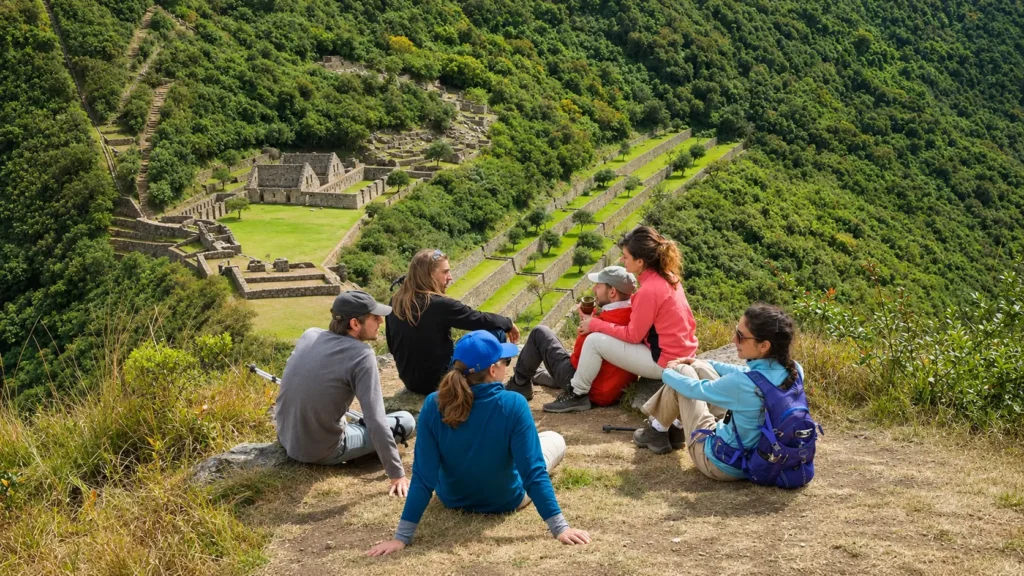
Choquequirao is a vast Inca citadel hidden on a mountainside above the Apurímac canyon, and you can only...
Leer articulo
This is probably one of the most common questions among those starting to plan their trip to Peru:...
Leer articulo