
8 min read
35 vistas
Peru in 3 or 4 days: what to see on a short trip
Not everyone has two weeks to spare. Sometimes it is a long weekend, a few vacation days or...
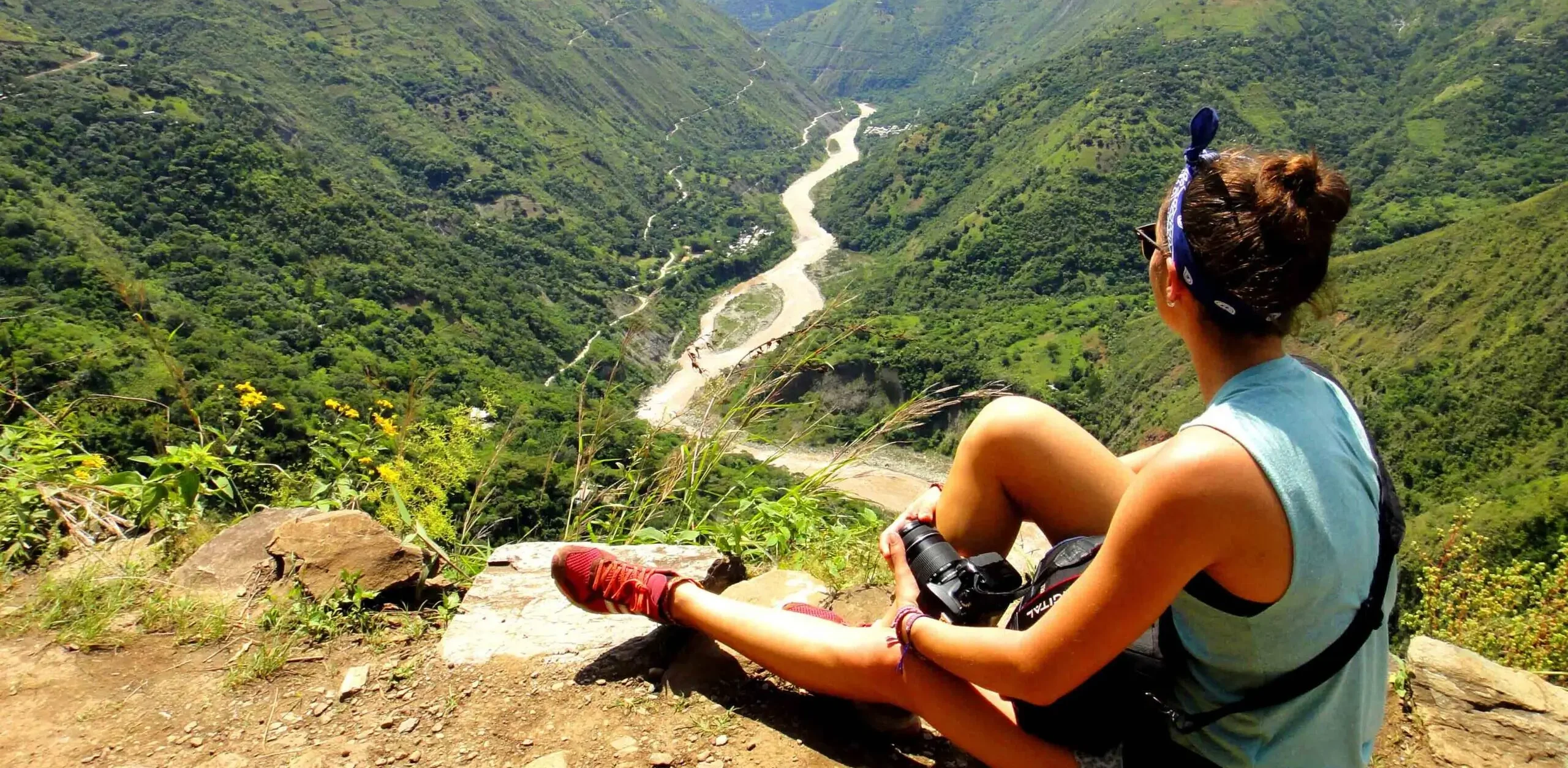
Leer articuloThe Inca Jungle Trail is the most active way to reach Machu Picchu: you coast downhill by bike from a high Andean pass, hike through cloud forest, soak in hot springs and arrive at the citadel after three or four days. It is not the classic stone-paved Inca route, but a mixed adventure whose scenery shifts from cold mountains to warm, humid valley.
This guide covers the activities, the day-by-day plan, how hard it really is, how many days to allow, and how it compares with other treks to Machu Picchu.
The Inca Jungle to Machu Picchu is a multi-adventure route. It combines a downhill bike ride from the Abra Málaga pass, hikes through high jungle, optional activities such as rafting and zipline, hot springs near Santa Teresa and a visit to Machu Picchu. It normally lasts 3 or 4 days.
What sets it apart is variety: in one trip you move from the cold of the mountains to the warm, humid valley, sleeping in small villages along the way. The exact activities depend on the operator, the season and the state of the river, so always confirm what is included.

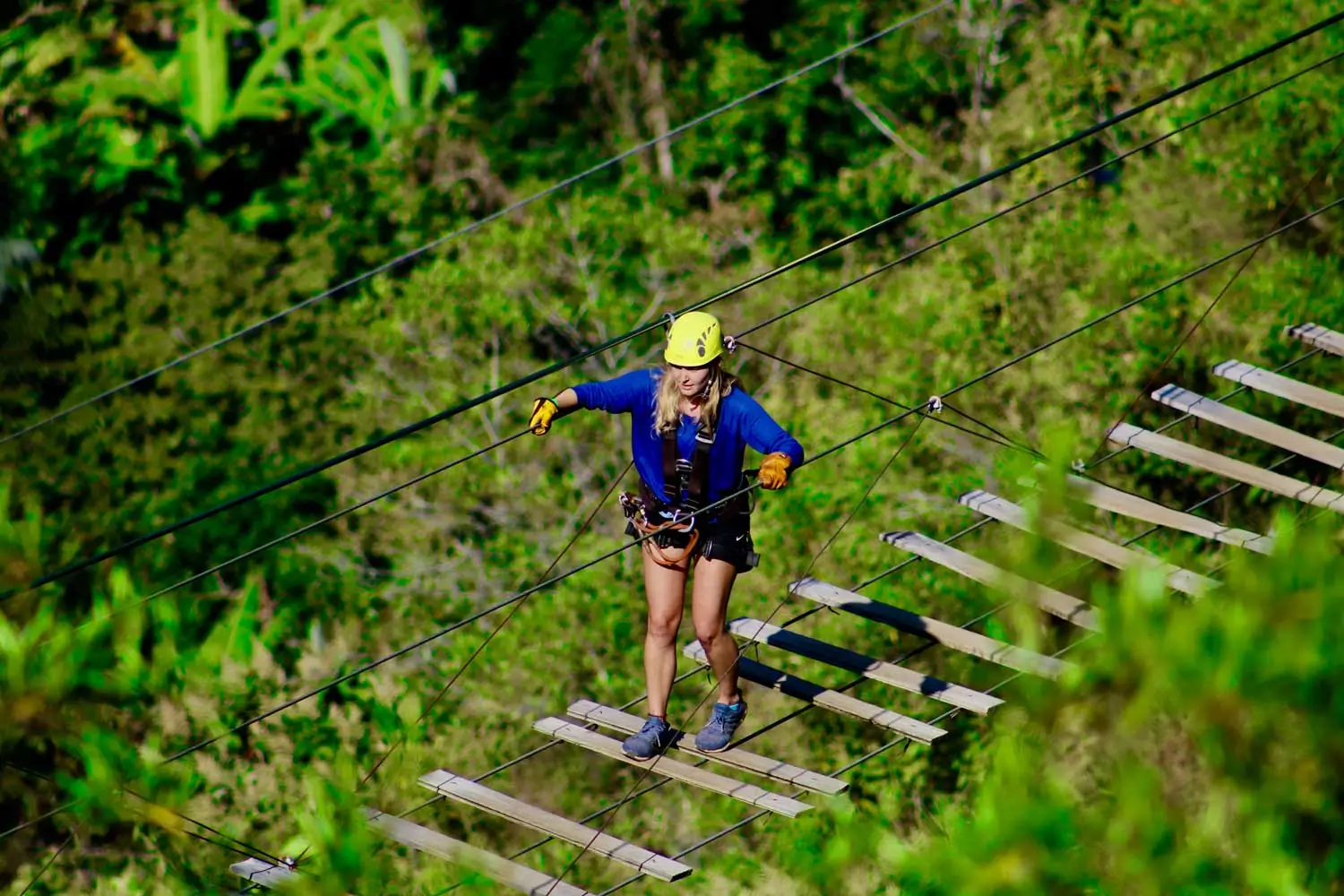
Biking, rafting and zipline make this route famous, but each operator organizes them differently. These details come from two operators we checked:
The 4-day, 3-night version is the most common and the most relaxed. This is the typical sequence; distances and times vary by operator and route.
| Day | Route | Night |
|---|---|---|
| 1 | Cusco, Abra Málaga, downhill biking and, depending on the operator, rafting | Santa María or a rural lodge in the valley |
| 2 | Jungle hike of about 4 to 8 hours (7 to 15 km depending on the operator), Cocalmayo hot springs, optional zipline | Santa Teresa or Lucmabamba |
| 3 | Climb to Llactapata, descent to Hidroeléctrica and final stretch to Aguas Calientes; 17 to 25 km and 8 to 9 hours depending on the operator | Aguas Calientes |
| 4 | Guided visit to Machu Picchu (2,430 m), then train to Ollantaytambo and transfer to Cusco | — |
Day 3 is the hardest of the route. From Hidroeléctrica you can walk the railway tracks to Aguas Calientes (about 3 hours) or take the optional train if you are tired. On day 4 you can go up to Machu Picchu by bus or on foot, which is a demanding staircase climb.
How many days? The 3-day, 2-night version compresses the same route: biking and rafting on day 1, zipline if time allows and the hike to Aguas Calientes on day 2, and Machu Picchu on day 3. Some options use a vehicle for part of the hike. It is often cheaper but leaves less margin for weather or fatigue. For a first time, 4 days is the more comfortable choice.
Sources rate it moderate to challenging. The effort comes less from sustained altitude, since only the start is at the cold pass, and more from the sum of activities: about 29 to 35 km of hiking in total, heat and humidity, and a third day of 8 to 9 hours.
April to October is usually drier and more stable, and it is the window the operators we checked recommend. From November to March expect more rain, mud and high rivers, which can affect rafting and the climb to Llactapata; one operator does not guarantee that hike in the rainy season.
Rafting is also offered only from April to December with at least one operator. If your dates fall in the rainy months, ask what alternatives exist.

The list mixes cold weather at the start with warm, humid weather later. Confirm with your operator what gear is provided.
The operators we checked usually provide the bike, helmet, gloves and rafting equipment.
The main difference is the kind of experience. The Inca Jungle prioritizes adventure and changing scenery; the other treks prioritize the mountains or archaeology.
Not sure which to choose? Compare all three in Salkantay, Lares or Inca Trail.
Book early, especially because of the Machu Picchu entry: one operator advises reserving at least three months ahead for the circuit it includes. Before confirming, ask:
To plan the return, see how to get to Machu Picchu by train, since not every tour includes the train.
Ready to plan it? Experience the Inca Jungle with us: tell us your dates, your activity level and how many days you have, and we will help you choose between 3 and 4 days.
También te puede interesar
Not everyone has two weeks to spare. Sometimes it is a long weekend, a few vacation days or...
Leer articulo
Aguas Calientes, also called Machu Picchu Town or Machu Picchu Pueblo, is the small town at the foot...
Leer articulo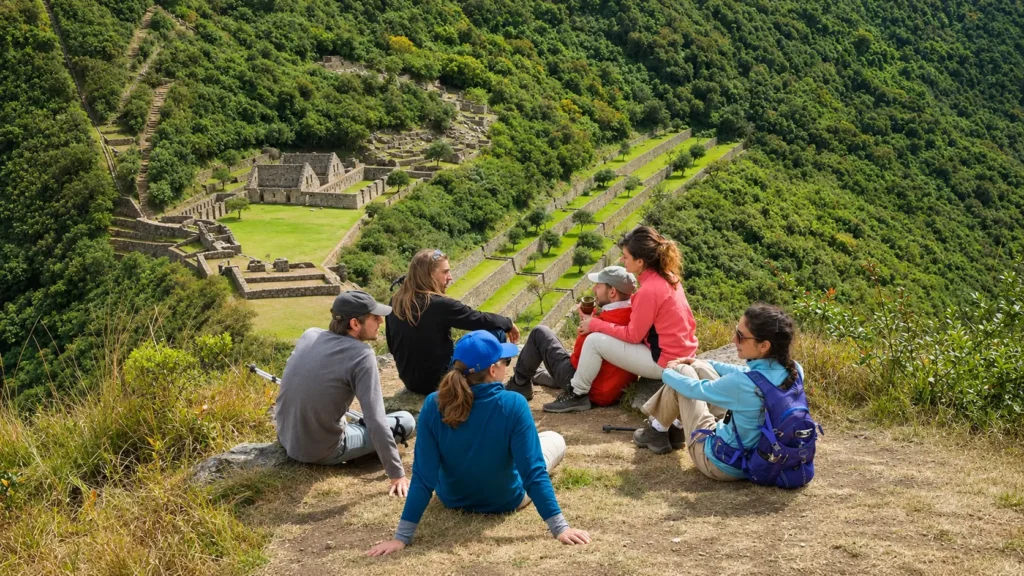
Choquequirao is a vast Inca citadel hidden on a mountainside above the Apurímac canyon, and you can only...
Leer articulo
Going from Lima to Cusco overland is far more than a long transfer. You cross the coastal desert,...
Leer articulo
This is probably one of the most common questions among those starting to plan their trip to Peru:...
Leer articulo