8 min read
67 vistas
Salkantay vs Lares vs Inca Trail: which is the best trek to Machu Picchu
Anyone planning a trip to Cusco eventually asks the same question: what is the best trek to Machu...
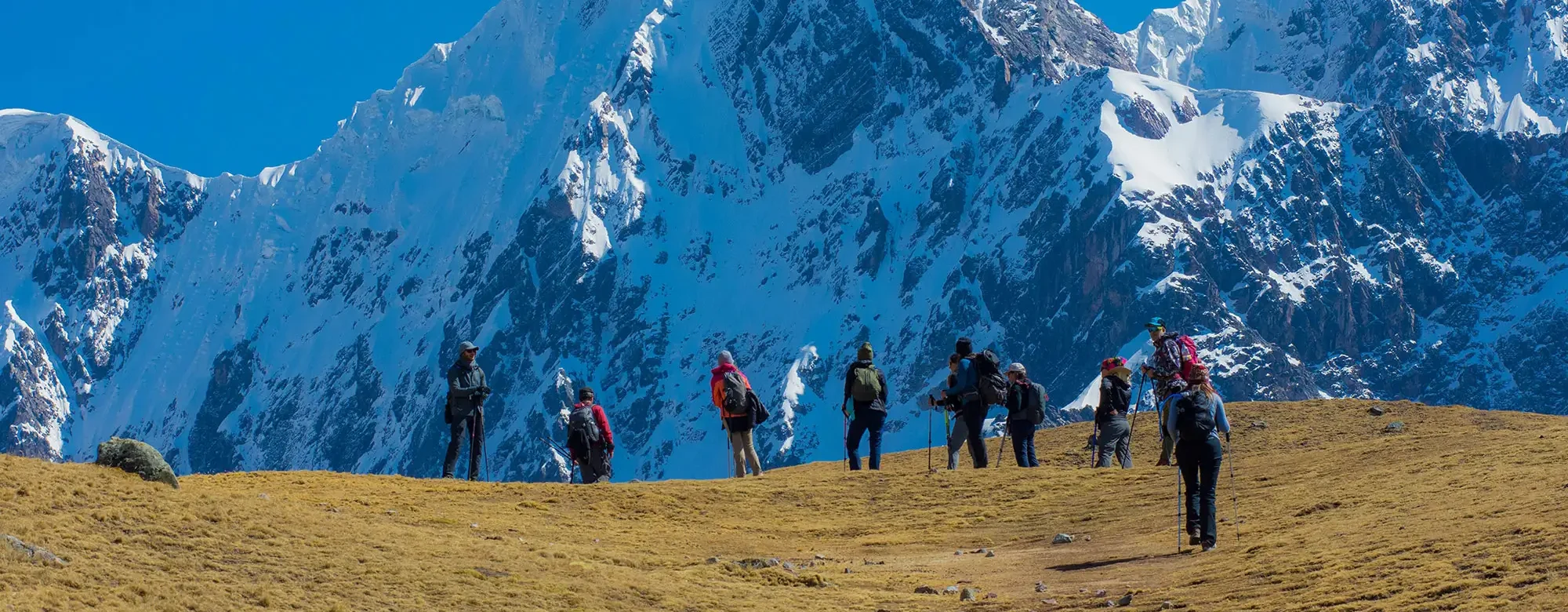
Leer articuloThe Ausangate trek is the high-mountain alternative to the classic Cusco routes: glaciers, turquoise lakes and red-striped hills around a 6,384 m peak, with a wilder feel than the Inca Trail. It is also one of the most demanding hikes in the region, because almost all of it sits above 4,300 m.
This guide separates the one-day “7 lakes” outing from the full multi-day trek, so you can choose the one that fits your fitness and your time to acclimatize. It also covers difficulty, the best season, what to pack and how to combine Ausangate with Vinicunca.
Ausangate is the highest peak of the Vilcanota range in the Cusco region, at about 6,384 m, and a mountain revered as an apu (sacred protector) in Andean tradition. Around it you find glaciers, turquoise lakes, hot springs and high pastures where local communities herd alpacas and llamas.
When travelers say “the Ausangate trek” they usually mean the circuit around the mountain: roughly 69 km (43 miles) with about 4,000 m of climbing and descent in total, nearly all of it above 4,300 m. Because the full circuit is so demanding, many visitors choose the one-day 7 lakes hike instead.


The short version: the 7 lakes is a long, tough day hike; the full Ausangate trek is a multi-day camping expedition. Neither is technical, but both are physically demanding because of the altitude.
One operator’s day tour picks you up around 4:00 a.m. and returns to Cusco around 6:30–7:30 p.m. The hike starts at Pacchanta, covers about 15 km and reaches roughly 4,850 m at its highest point. It is rated challenging, not technical.
The lakes usually named on this route are Azul Cocha, Otorongo Macho, Otorongo Hembra, Puca Cocha, Alqa Cocha, Qomer Cocha and Pata Cocha, although names and the exact lakes visited can vary by operator. Many tours offer an optional stop at the Pacchanta hot springs, with an entrance fee paid locally. It is a very long day, so do it only after you have spent several days acclimatizing in Cusco.
The full circuit is typically 4 to 5 days with camping. This 5-day itinerary from one operator shows the pattern; other operators differ in route, distances and timings.
| Day | Route | Distance | Walking time |
|---|---|---|---|
| 1 | Cusco to Pampa Arapa | 10 km | 6–7 h |
| 2 | Arapa Pass to Ananta Pata | 12 km | 7–8 h |
| 3 | Vinicunca to Ausangate Qocha (pass above 5,000 m) | 14 km | 9–10 h |
| 4 | Palomani Pass to Qampa | 10 km | 7–8 h |
| 5 | Qampa Pass (5,020 m) to Pacchanta, then Cusco | 11 km | 7–8 h |
Day 5 ends at Pacchanta, where hot springs are a common reward. Day 3 is the hardest in most descriptions of the route.
Ausangate is demanding, and the reason is altitude, not technical terrain. Sources describe the walking itself as fairly moderate, but you spend days between roughly 4,300 and 5,200 m, in cold, thin air, far from the nearest road.
| Place | Approximate altitude |
|---|---|
| Cusco | 3,300 m |
| Highest point of the 7 lakes day | 4,850 m |
| Passes on the full circuit | 4,700–5,200 m (sources differ, especially for Palomani) |
| Ausangate summit | 6,384 m |
Read our guide to altitude sickness in Cusco before you go, and talk to a doctor if you have heart, lung or other health conditions.
Some multi-day itineraries route Day 3 past Vinicunca, so the colored hills become one stop on the trek instead of a separate day trip. In the 5-day itinerary above, that day also crosses a pass above 5,000 m, which makes it long and tiring.
If you only want the colors, Rainbow Mountain (Vinicunca) works as its own outing. If you want Ausangate’s lakes and glaciers as well, the combined trek saves you a second trip, but you pay for it in days at altitude.
Not sure which multi-day route suits you? Compare it with Salkantay, Lares or Inca Trail, which are generally lower in altitude.


The dry season, from May to September, is the best window for Ausangate: clearer skies and more stable conditions for camping and mountain views. April and October are shoulder months, and November to March is the rainy season, with more cloud, mud and risk of storms.
Even in the dry season, nights at this altitude are cold, so plan for freezing temperatures at camp.
This is a general checklist; confirm with your operator what is included, especially camping gear.
How to get to Ausangate. The trailheads are in the mountains southeast of Cusco, around 3–4 hours by road according to operators, so departures are very early. You normally go with a tour or trek operator that handles transport, rather than trying to reach the start by yourself.
Before you book, ask:
If you are still building your itinerary, our Cusco travel guide covers where to stay and how to plan your days before a high-altitude trek.
Ready to plan it? Ask about the Ausangate trek: tell us your dates, your fitness level and how many days you will spend in Cusco beforehand, and we will help you choose between the 7 lakes day and the full circuit.
También te puede interesar
Anyone planning a trip to Cusco eventually asks the same question: what is the best trek to Machu...
Leer articulo
If you are planning a trip to Machu Picchu, sooner or later the big question appears: Inca Trail...
Leer articulo
Pisac is one of those Sacred Valley destinations that manages to combine, in a single day’s visit, two...
Leer articulo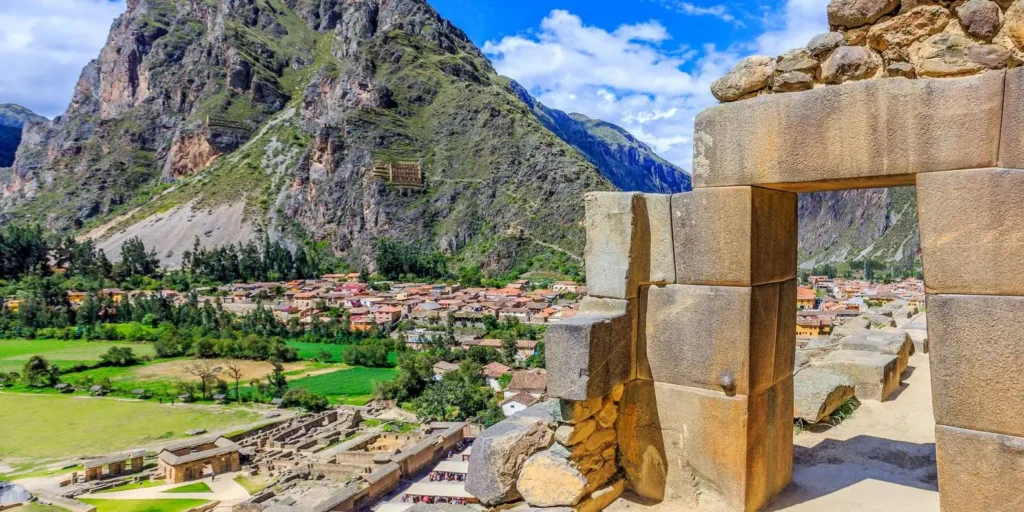
Ollantaytambo is, arguably, the most special town in the entire Sacred Valley of the Incas. Unlike other archaeological...
Leer articulo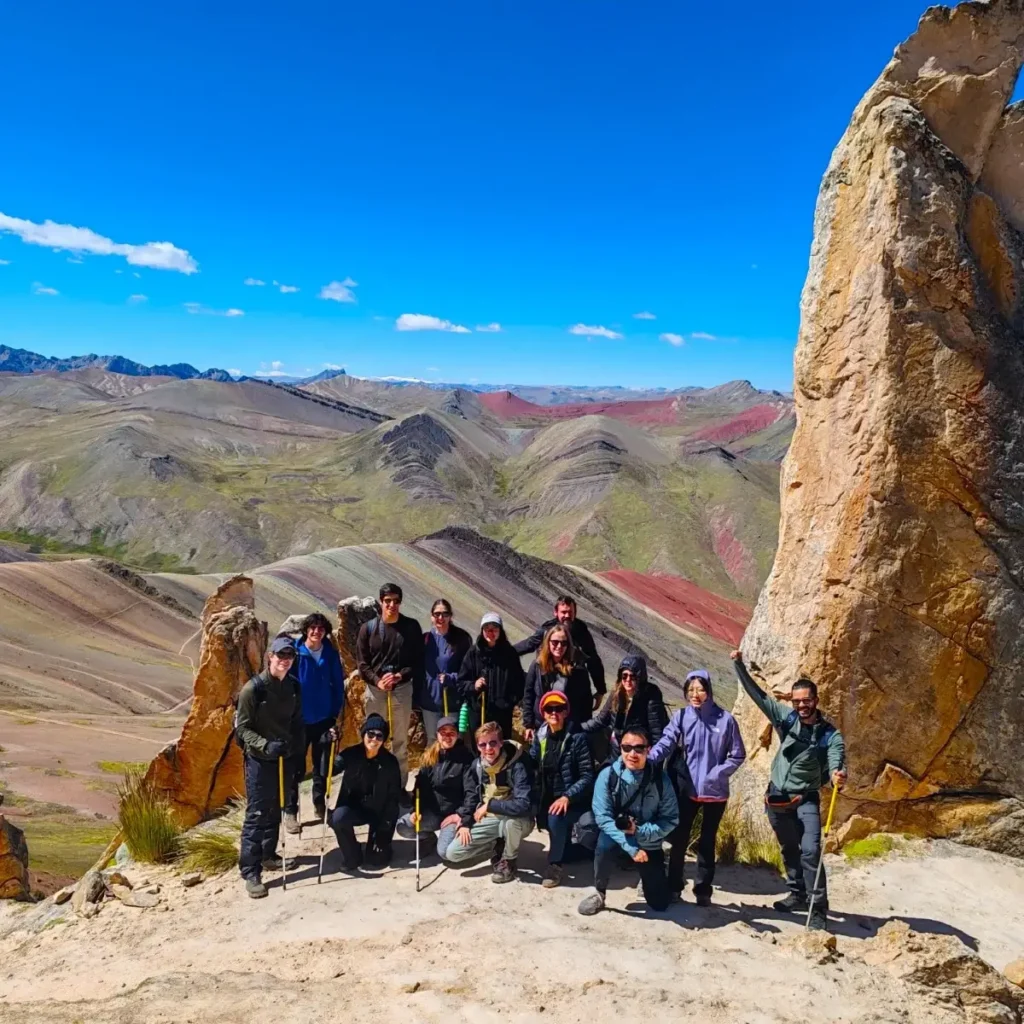
If you’ve been researching the famous rainbow mountains near Cusco, you’ve probably already come across Vinicunca, the Rainbow...
Leer articulo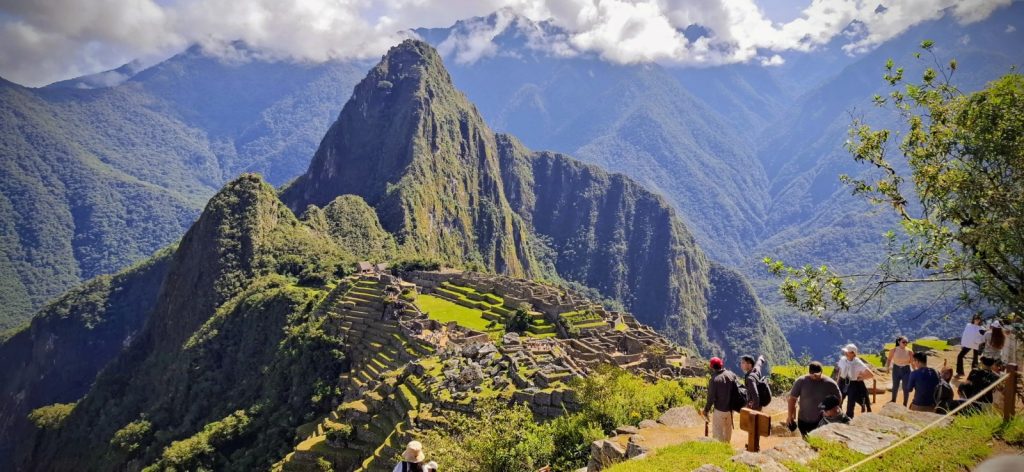
If you’ve already secured your Machu Picchu ticket and are thinking about adding an extra hike up one...
Leer articulo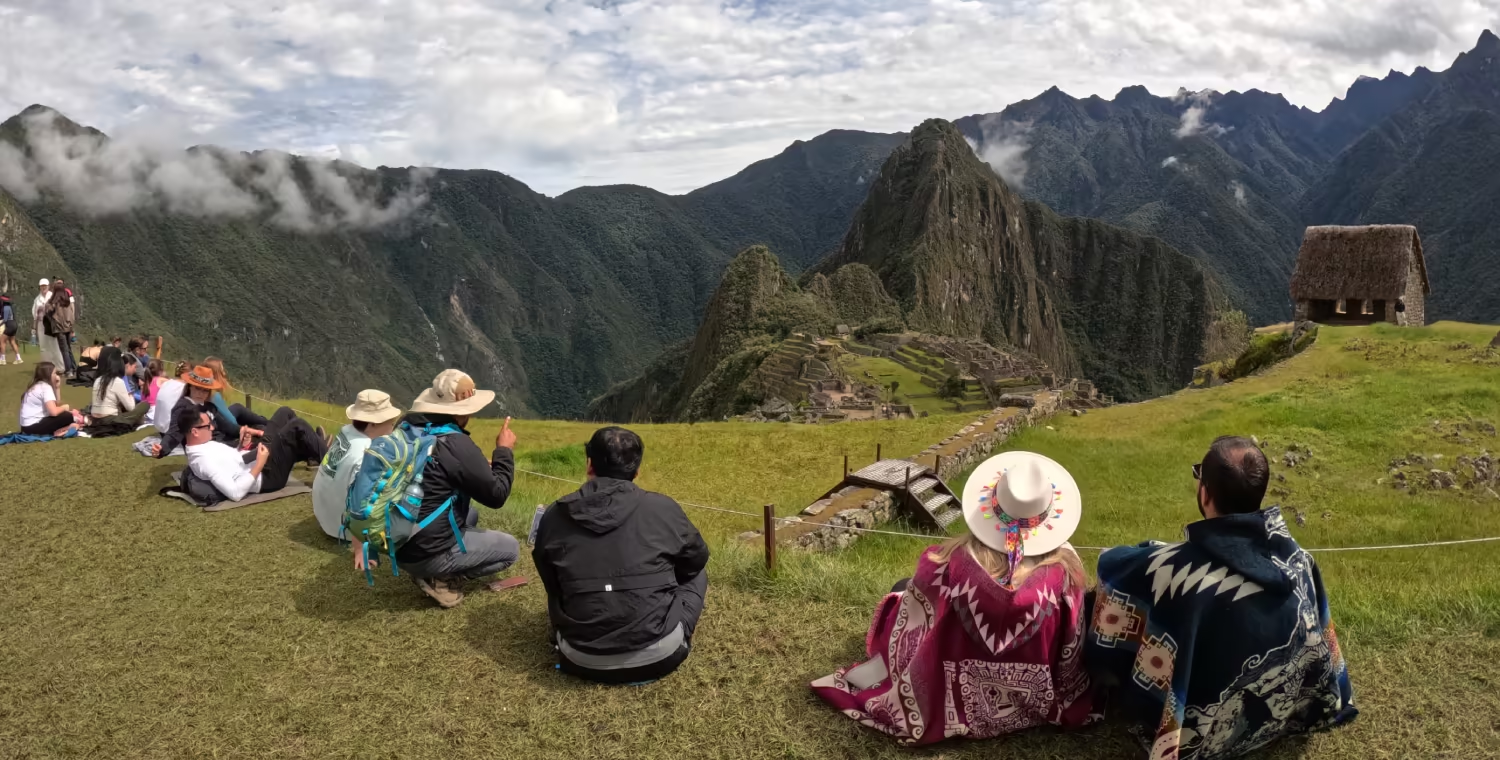
If you’re planning your visit to Machu Picchu, you’ve probably run into a term that causes quite a...
Leer articulo
If you’re looking for detailed information on the Salkantay Trek itinerary, you’ve come to the right place. This...
Leer articulo