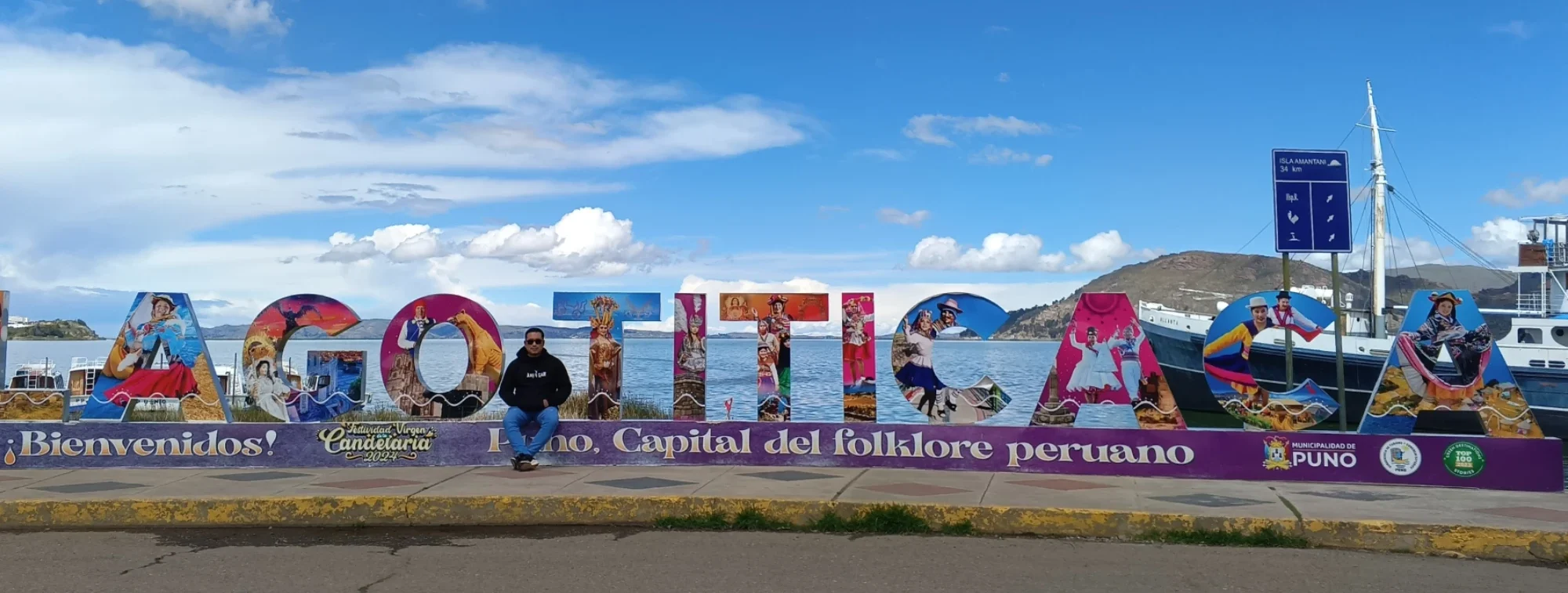

9 min read
96 vistas
How many days do you need to travel Peru?
Una de las primeras preguntas que surge al planificar un viaje a este país es, precisamente, cuántos días...
Leer articuloThe Lake Titicaca islands are the reason many travelers stay more than one night in Puno. At 3,812 meters (12,507 feet) above sea level, the highest navigable lake in the world holds islands made of reeds that float on the water, an island where the men do the knitting, and a community that welcomes you into their home for the night.
This guide explains what each island offers, how to choose between a 1-day and a 2-day tour, and what you should know about altitude before you step onto the boat. If you want the bigger picture of the region, see our Puno & Lake Titicaca guide.
The lake has many islands, but tourism concentrates on three, all reached by boat from Puno:
| Island | Approx. distance from Puno | Main highlight | Visited on |
|---|---|---|---|
| Uros (floating islands) | 20–30 min | Islands built from totora reeds, Uru culture | 1- or 2-day tour |
| Taquile | 2.5–3 hrs | UNESCO-recognized textile tradition, viewpoints | 1- or 2-day tour |
| Amantaní | 3–4 hrs | Homestay, ceremonial temples, sunset | 2-day tour |
Travel times vary with the type of boat, the wind and lake conditions. Classic tours combine all three stops: the Uros first, Amantaní for the overnight, and Taquile the next day on the way back to Puno.
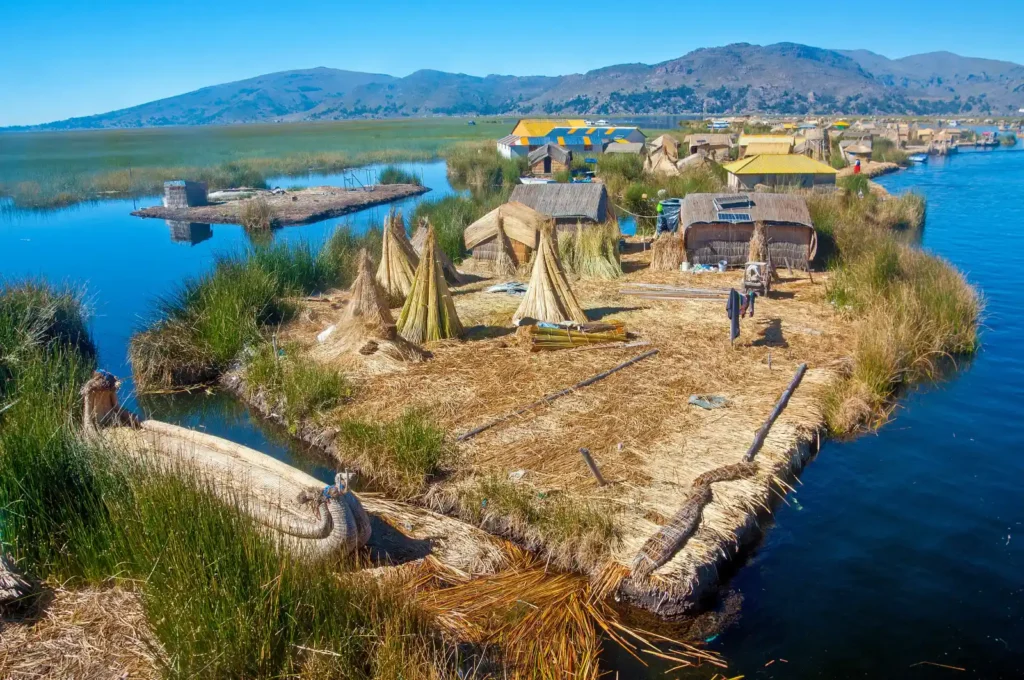
The Uros floating islands are the shortest stop and the most photographed. They are built from layers of totora, a reed that grows in the shallow edges of the lake, and they are constantly refreshed with new reeds because the bottom layers rot in the water.
The Uru people adopted this way of life centuries ago as a refuge on the water. Today you can:
A note on visiting respectfully: the visit is part of the families’ livelihood. Buying a handicraft directly from the person who made it, such as an embroidered piece or a small reed figure, helps more than any tip. For more detail on this stop, see our page on the Uros islands.
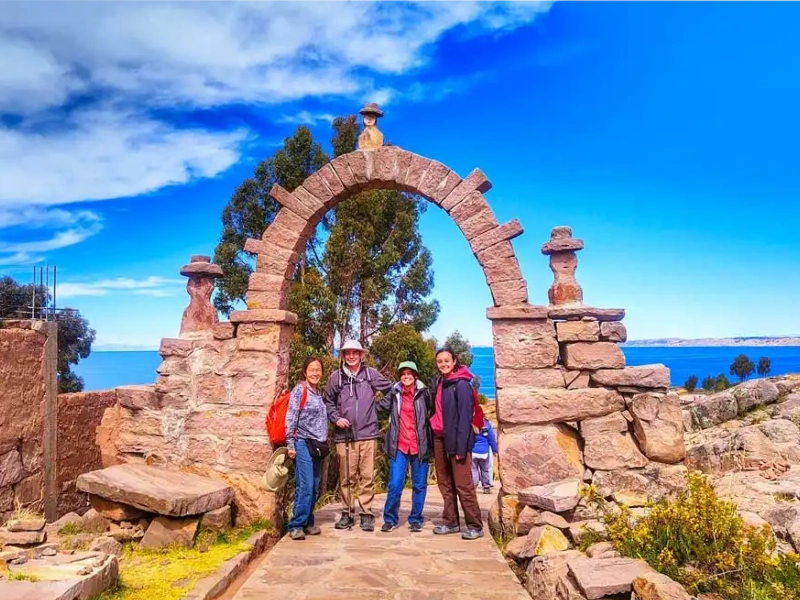
Taquile Island is one of the most distinctive on the lake, and its fame comes mostly from the hands of its people. Here, knitting is a tradition with social meaning: the men knit, and UNESCO recognized Taquile and its textile art in 2005 as a Masterpiece of the Oral and Intangible Heritage of Humanity, now part of the Intangible Cultural Heritage list.
One way to understand the island is to look at the clothing. The hats (chullos) and belts worn by islanders communicate marital status or role in the community, and that reading is still in use.
What to expect on arrival:
Taquile is also the most comfortable island to visit in a single day, and it pairs well with the Uros on a short tour. It is a living community, not a museum, so it is polite to ask permission before photographing people.
If Taquile is the island of textiles, Amantaní Island is the island of staying over. It is a round, quiet island organized into communities, and almost every 2-day tour spends the night here.
The homestay means sleeping in the home of a local family, who welcome you and feed you. It is not a hotel, and that is exactly its value:
Homestay tips: bring cash in soles for purchases or tips, a flashlight or headlamp (there is little night lighting), and small food items to share. Before bringing gifts, ask your operator what the community prefers, since distribution is coordinated so it stays fair.
Choosing between them depends on your time and the kind of trip you want.
1-day tour (Uros + Taquile)
2-day, 1-night tour (Uros + Amantaní + Taquile)
Our recommendation if you have the time: choose the 2-day tour. The difference between seeing the islands and experiencing them is the night. To compare itineraries, see our Lake Titicaca tour from Puno.
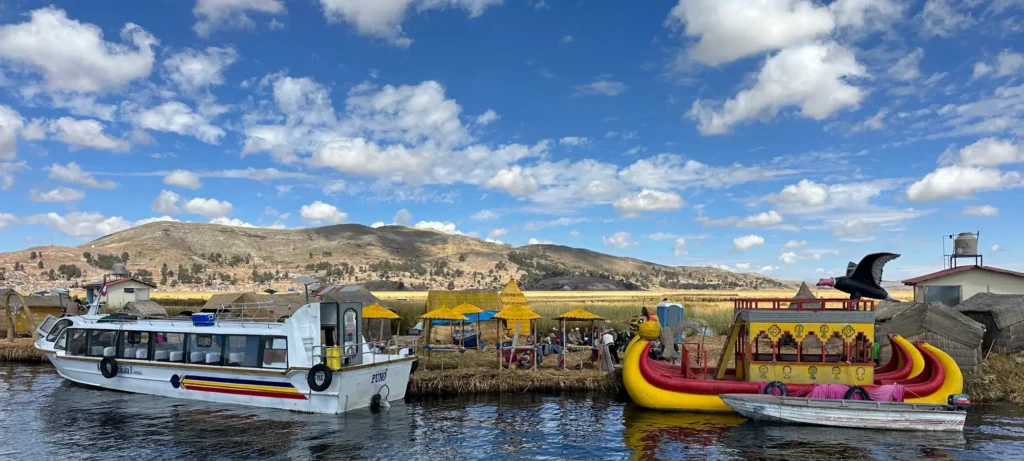
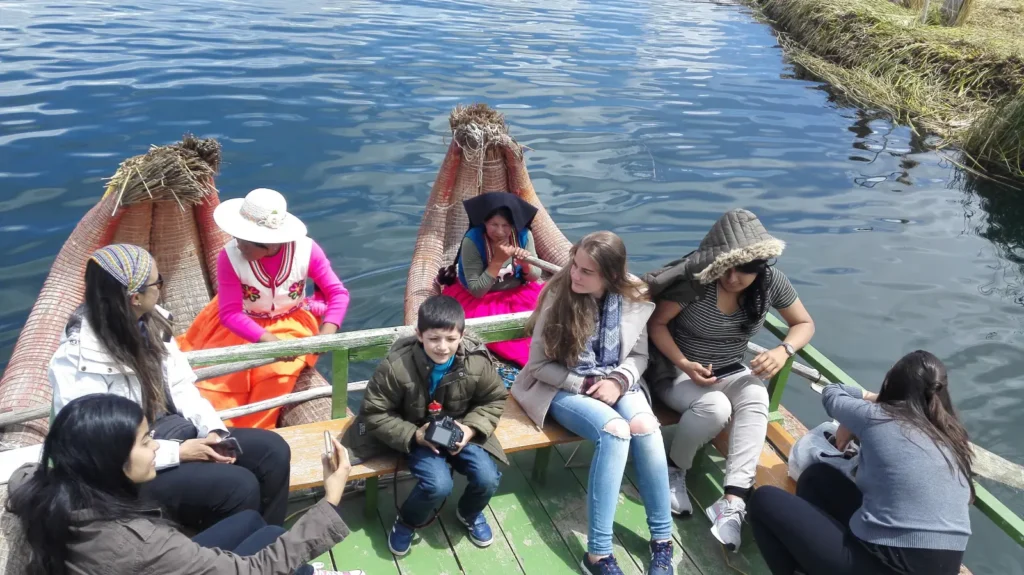
Booking a Titicaca islands tour is simple, but it is worth choosing operators that work directly with the communities, so the money reaches the families.
When booking, confirm:
What to bring:
If you have not yet planned the trip to the city, here is how to get to Puno by plane, bus or train from Cusco and Arequipa.
Puno sits at about 3,830 meters (12,566 feet) and the islands lie between roughly 3,800 and almost 4,100 meters, so altitude is the topic that worries travelers most, and rightly so.
The Lake Titicaca islands fit beautifully after Cusco and Machu Picchu, or as the closing chapter of a southern Peru route. If you would like us to build the full journey with transfers, hotels and tours, add Titicaca to your trip with Aura Travel Experience, or browse our Peru packages to see ready-made itineraries.
También te puede interesar
Una de las primeras preguntas que surge al planificar un viaje a este país es, precisamente, cuántos días...
Leer articulo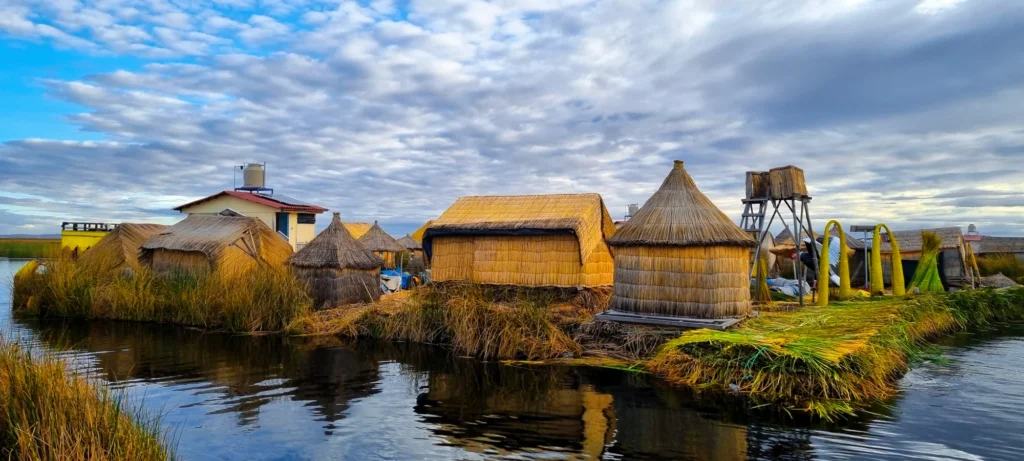
The Uros Islands Peru are one of the most unique cultural experiences on Lake Titicaca. Located near the...
Leer articulo
Hello, bloggers. Visiting Lake Titicaca from Puno is one of the most memorable experiences in southern Peru. Surrounded...
Leer articulo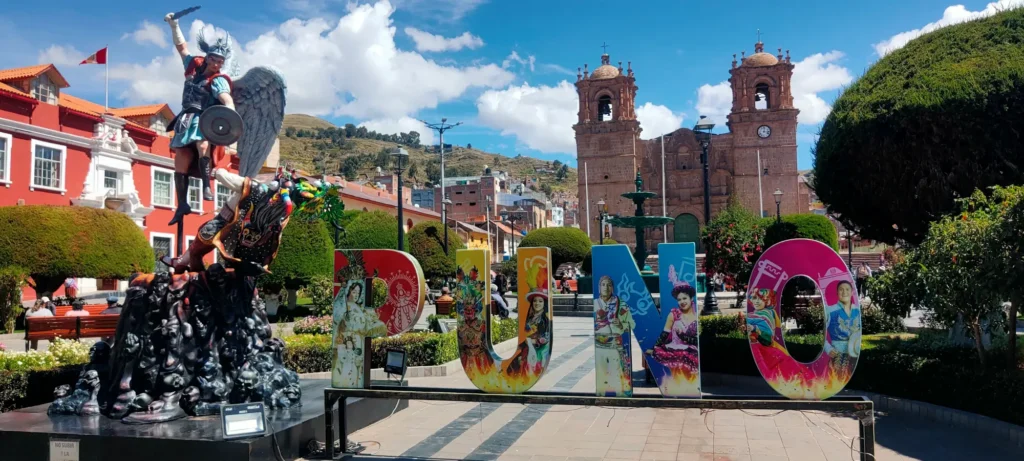
Knowing how to get to Puno is an important part of planning a well-organized trip through southern Peru....
Leer articulo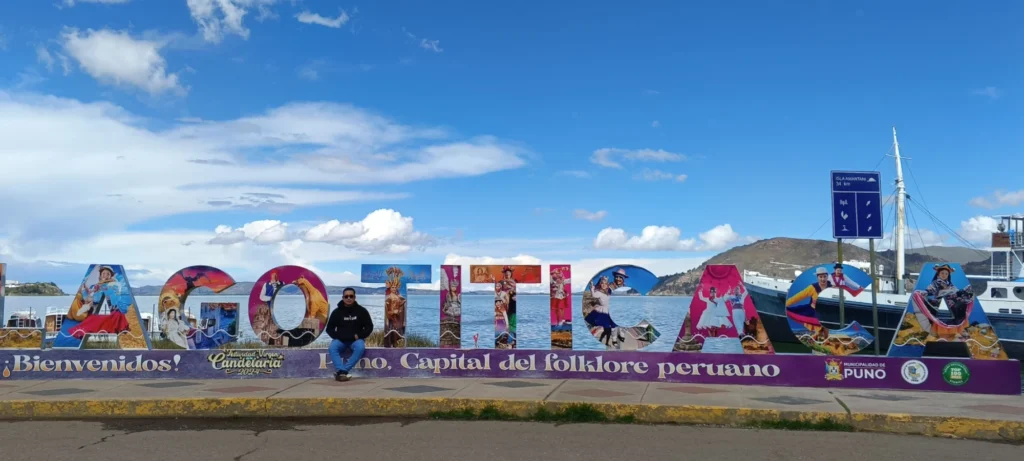
Hello, bloggers. Some destinations are visited. Others are felt long after the journey ends. The Lake Titicaca belongs...
Leer articulo