7 min read
21 vistas
How many days do you need in Arequipa and Colca
If you are building a route through southern Peru, you are probably asking how many days in Arequipa...
Leer articuloIf you are wondering what to do in Arequipa, the short answer is: walk slowly. This city in southern Peru, built from pale volcanic stone and watched over by three volcanoes, is best enjoyed by wandering through colonial cloisters, sitting down in a traditional picantería, and watching El Misti change color at sunset. This guide gathers the Arequipa attractions that are truly worth your time, with practical tips to help you plan your visit.
Arequipa, known as the White City, sits at about 2,335 meters (7,660 feet) above sea level. Its nickname comes from sillar, a light volcanic rock used to build churches, mansions and arcaded walkways, which glows under the strong Andean sun. Its historic center was named a UNESCO World Heritage Site in 2000, and the volcanoes Misti, Chachani and Pichu Pichu frame the skyline.
What sets Arequipa apart from other Peruvian destinations is the combination: a unique mestizo architecture, one of the best cuisines in the country, sunny weather most of the year, and the gateway to one of the deepest canyons on the planet.
If you want the quick version of things to do in Arequipa, here are the 10 must-sees:
For more detail before you travel, see our Arequipa & Colca guide, which covers each area in depth.
No itinerary on what to do in Arequipa is complete without the Santa Catalina Monastery. Founded in 1579, it is a true citadel within the city: it covers more than 20,000 square meters and remained closed to the outside world for four centuries, until it opened to the public in 1970.
Walking its cobbled lanes, named Toledo, Córdoba or Sevilla, feels like stepping into an Andalusian village painted in indigo blue and terracotta red. You will find cloisters, nuns’ cells, a communal laundry with huge clay vessels, an art gallery and corners overflowing with geraniums that beg to be photographed.
Tips for visiting:
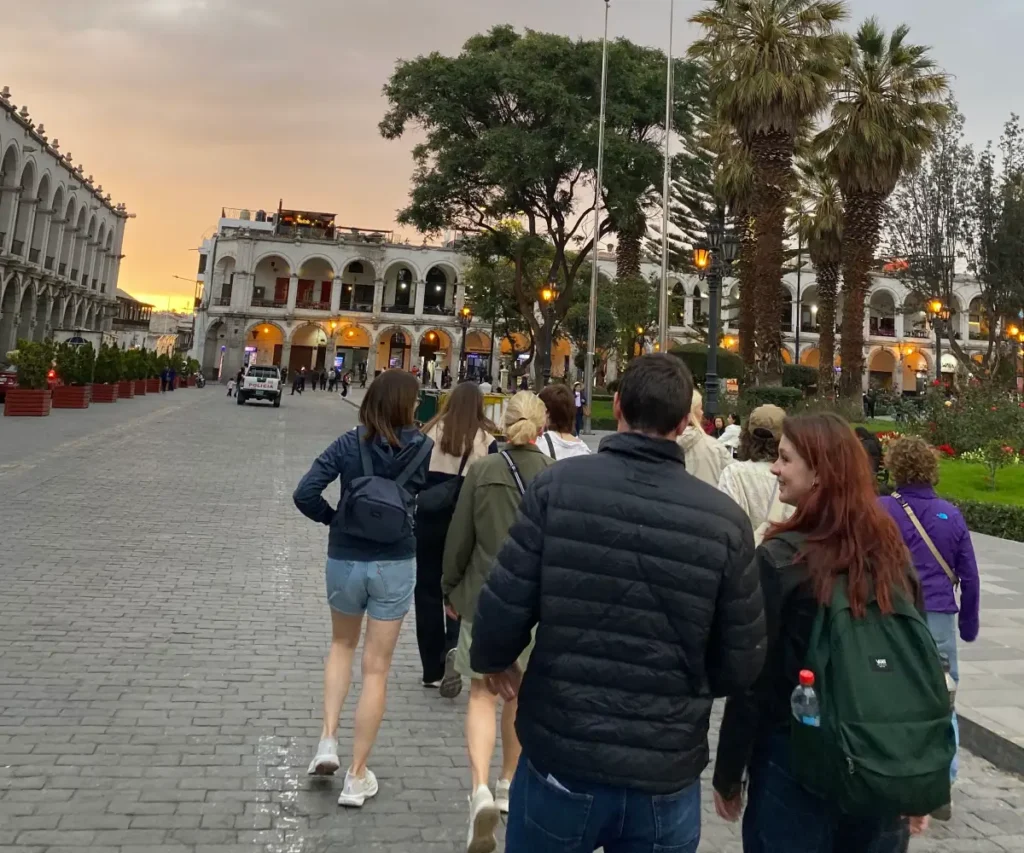
The Arequipa Plaza de Armas is the heart of the city and one of the most beautiful public squares in Peru. Its sillar arcades surround a wide plaza with palm trees, benches and a central fountain, and the Cathedral stretches along one entire side, something few cathedrals in the country can claim. From its terraces you also get a great view over the rooftops and the volcanoes.
A few steps away stands the Church of the Society of Jesus, a gem of Arequipa’s mestizo baroque. Its façade shows how local artisans blended European motifs with Andean flora and fauna. Don’t miss the San Ignacio Chapel, with its painted dome, or the adjoining cloister, now home to small shops and cafés.
From the plaza you can keep strolling along streets like Mercaderes, Santa Catalina or San Francisco, lined with colonial mansions and hidden courtyards. Other worthwhile stops in the center:
Eating is one of the best plans in Arequipa. The city boasts its own culinary tradition, born in the picanterías: family-run restaurants serving hearty, spicy, slow-cooked dishes, which historically poured chicha de jora for farm workers.
Dishes you should try:
Lunch is the main meal in Arequipa, so look for neighborhood picanterías and avoid places that feel too touristy. Ask for the dish of the day first; it is usually the freshest and most authentic. If you can’t handle spice, say so beforehand: many dishes can be toned down.
Once you are done with the center, head out for some fresh air. Arequipa offers viewpoints and farmland landscapes that show another side of the city.
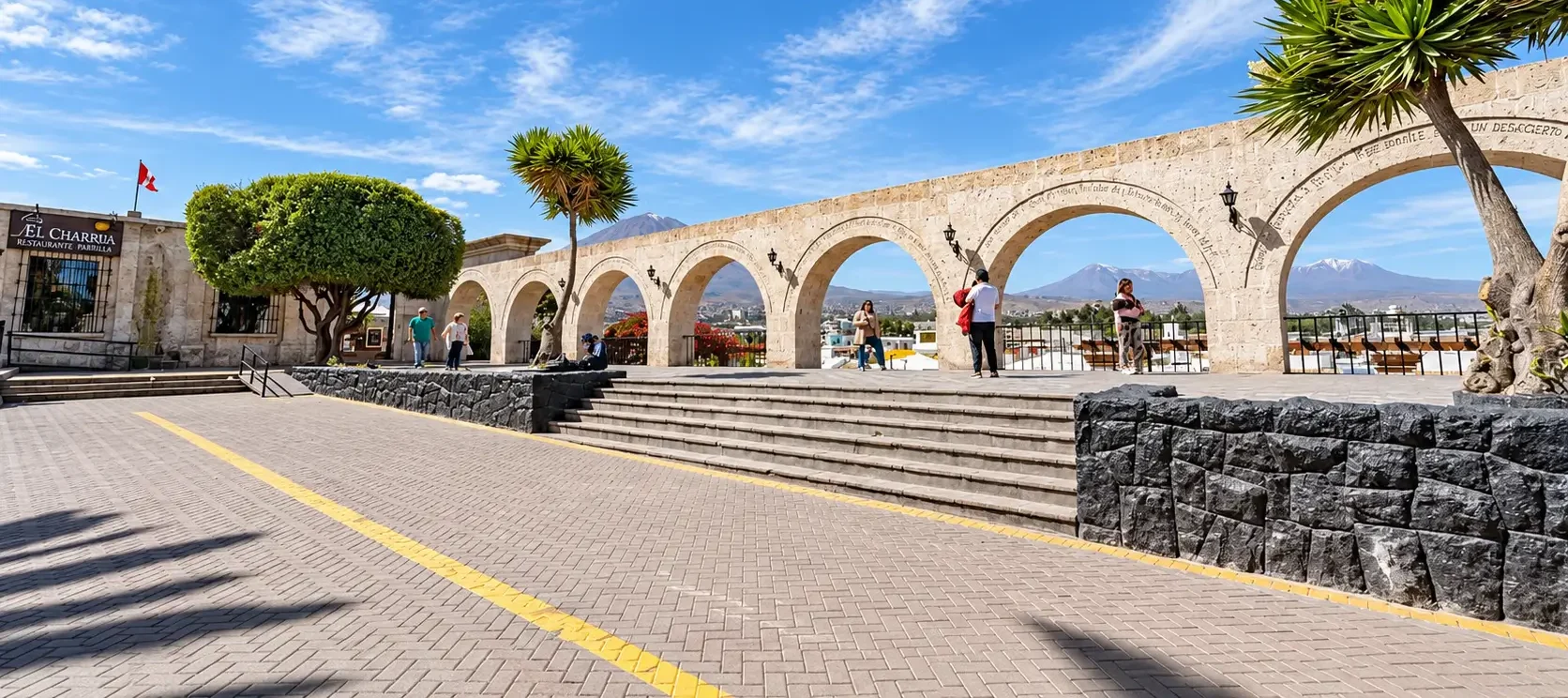
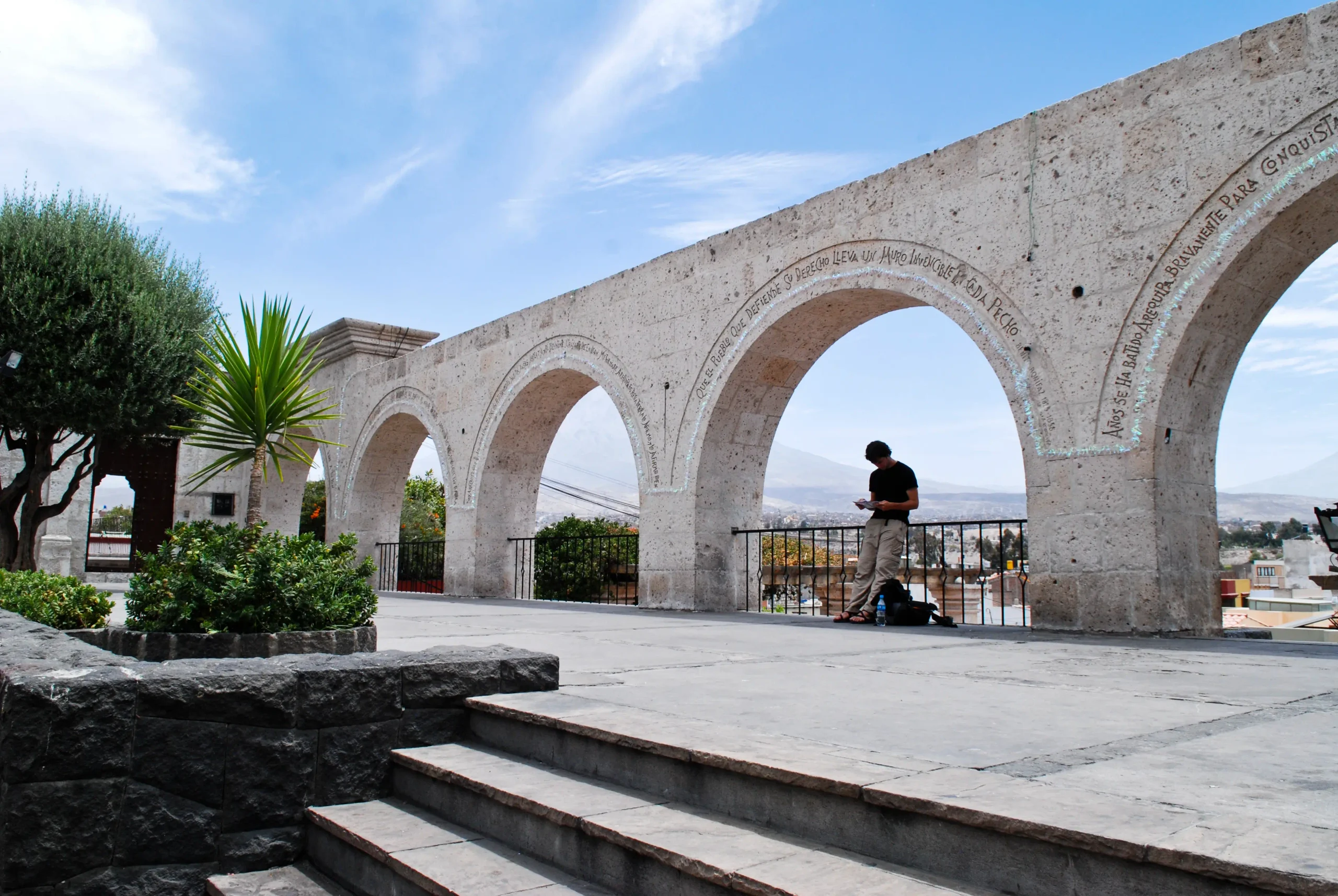
Yanahuara viewpoint. Just minutes from downtown, this lookout is famous for its sillar arches framing El Misti. It is the classic spot for sunset. The San Juan Bautista church sits beside it, and several ice cream shops and cafés nearby invite you to linger.
Carmen Alto and Sachaca viewpoints. Quieter than Yanahuara, they offer panoramas of the countryside and the terraces that descend toward the Chili River valley.
Sabandía Mill. This 17th-century mill, surrounded by green fields, shows how water power was used to grind grain. It is a short, relaxed outing that you can combine with Paucarpata and the surrounding area.
Adventure activities. If you want to be active, options near the city include rafting on the Chili River, hiking and countryside walks. Climbing peaks like Misti or Chachani requires specialized operators and proper acclimatization.
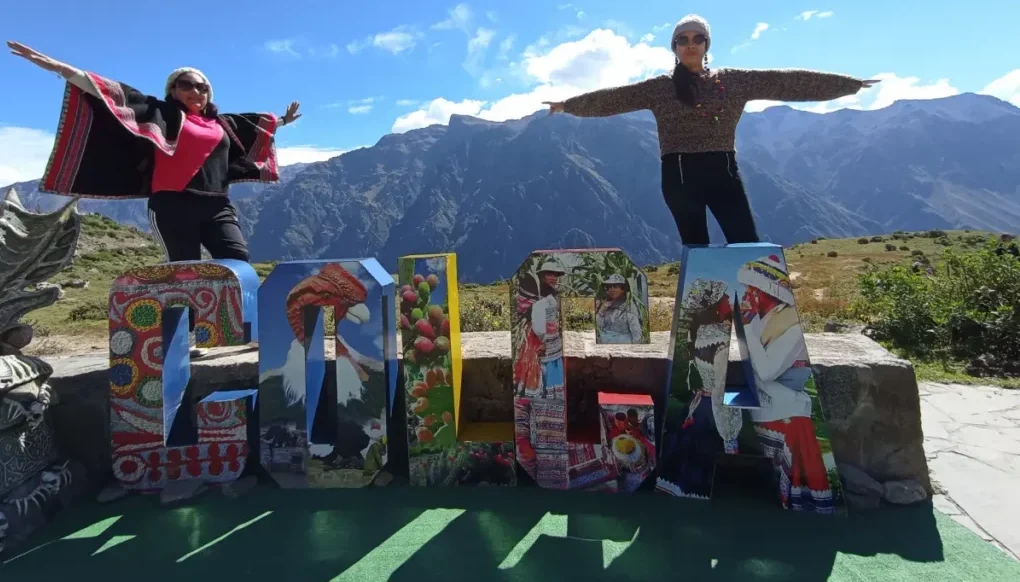
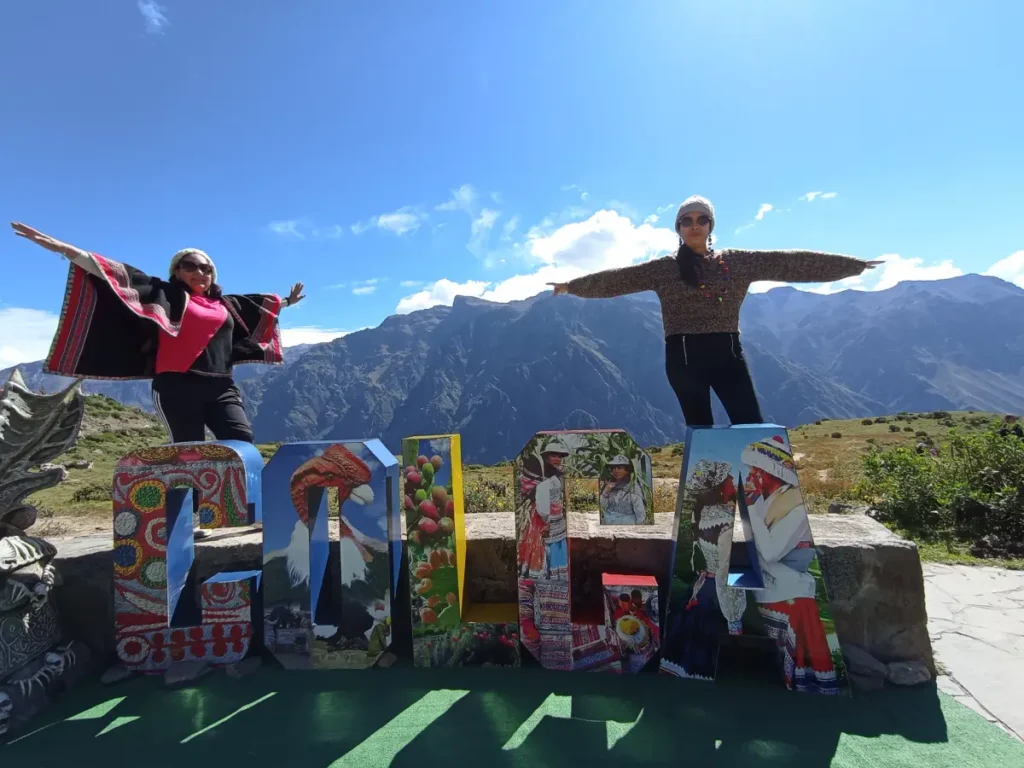
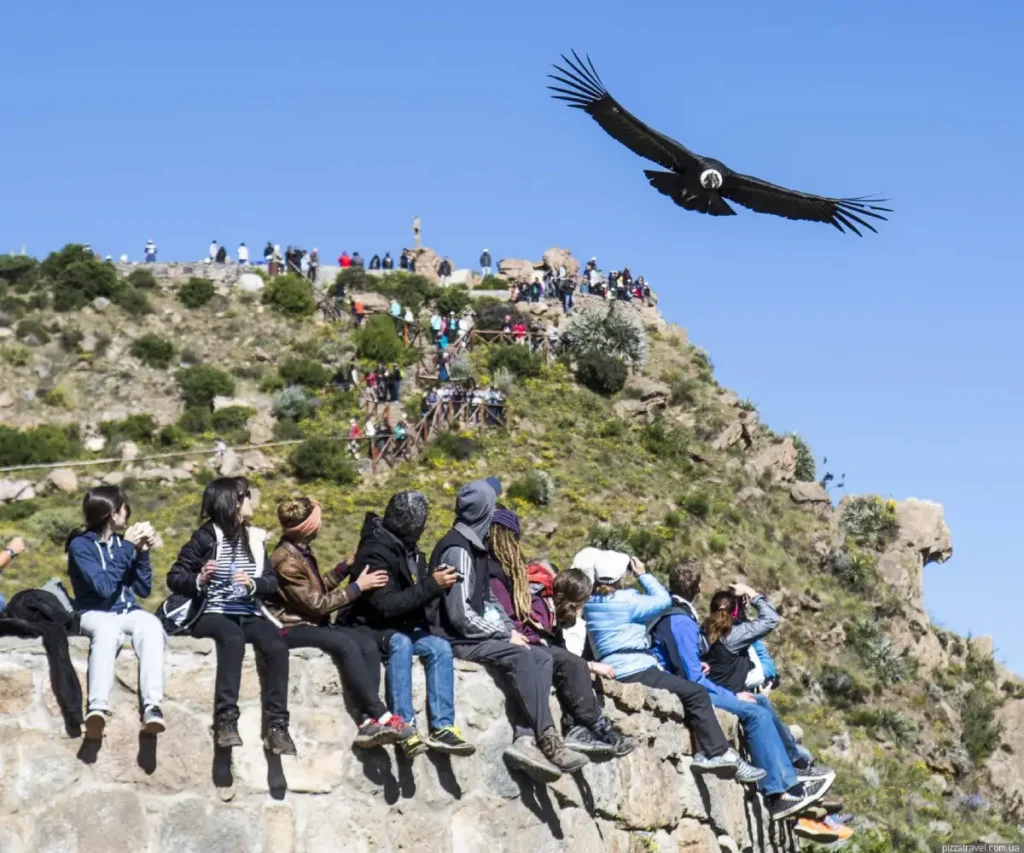
The most popular excursion from the city is the Colca Canyon, one of the deepest in the world, with walls dropping more than 3,000 meters. Its biggest draw is the Cruz del Cóndor viewpoint, where Andean condors glide on the canyon’s thermal currents early in the morning.
The route from Arequipa crosses the Salinas y Aguada Blanca National Reserve, where you may spot vicuñas and alpacas, and climbs mountain passes above 4,800 meters before descending to Chivay, the base town of the valley. Along the way you will pass traditional villages like Yanque and Maca, with colonial churches and ancient agricultural terraces, and the La Calera hot springs make a perfect reward after the journey.
Most common formats:
To plan it in detail, read our full guide to the Colca Canyon, with routes, altitude, weather and tips for every type of traveler.
To see the essentials of the city, two days are enough: one for Santa Catalina Monastery, the Plaza de Armas and museums, and another for viewpoints, countryside and food. If you add the Colca, plan on three or four days in total.
A suggested itinerary:
Practical tips:
Before booking flights or buses, check our information on how to get to Arequipa, covering options from Lima, Cusco, Puno and other cities.
Arequipa combines heritage, flavors and landscapes, and it is best enjoyed when someone else handles the details: transfers, guides, well-located hotels and Colca excursions at a comfortable pace. If you want to pair it with Cusco, Machu Picchu or Lake Titicaca, browse our Peru packages and choose the one that fits your dates.
Ready to discover the White City? Plan your Arequipa trip with the team at Aura Travel Experience.
También te puede interesar
If you are building a route through southern Peru, you are probably asking how many days in Arequipa...
Leer articulo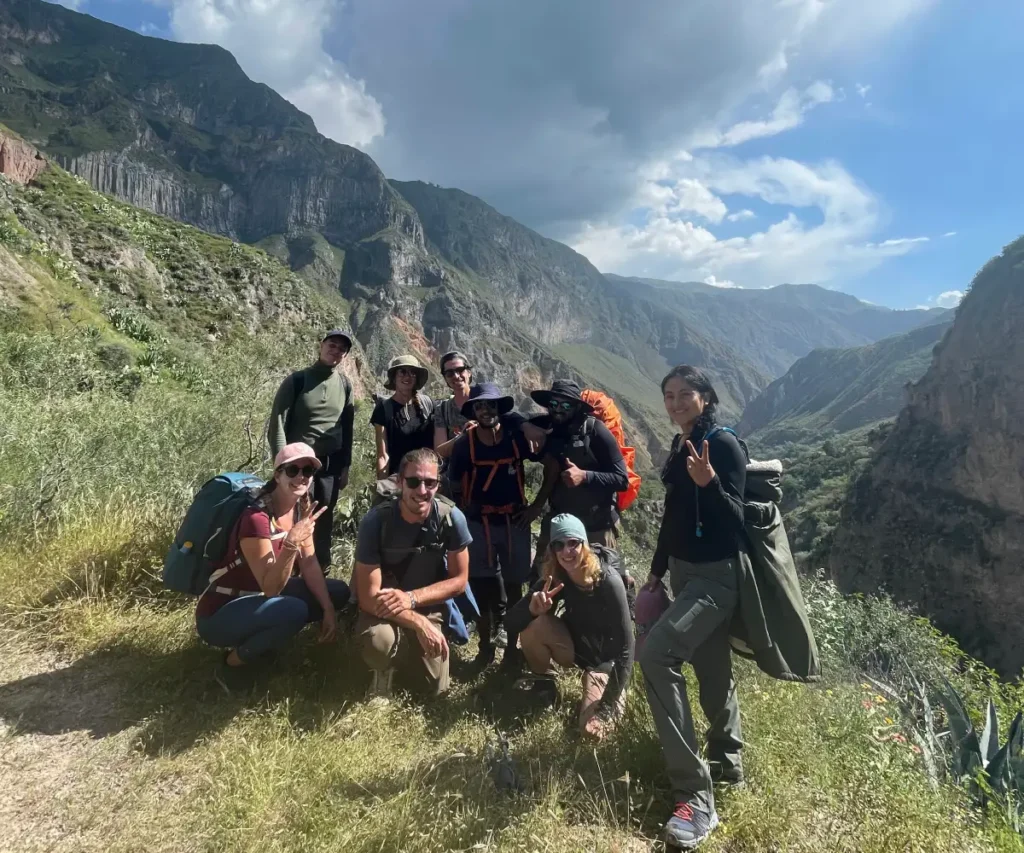
Colca Canyon is one of those places that makes you go quiet for a moment. Walls drop thousands...
Leer articulo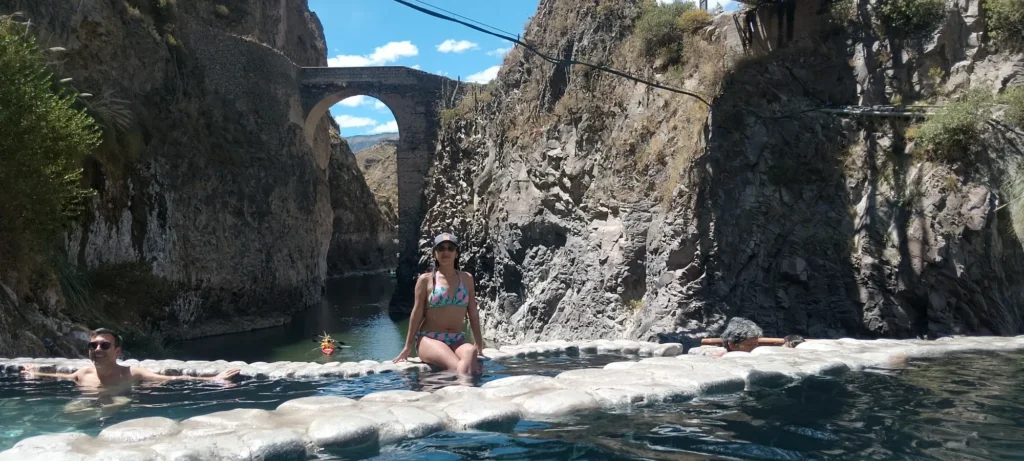
The Colca hot springs are one of the most relaxing experiences to include during a trip to the...
Leer articulo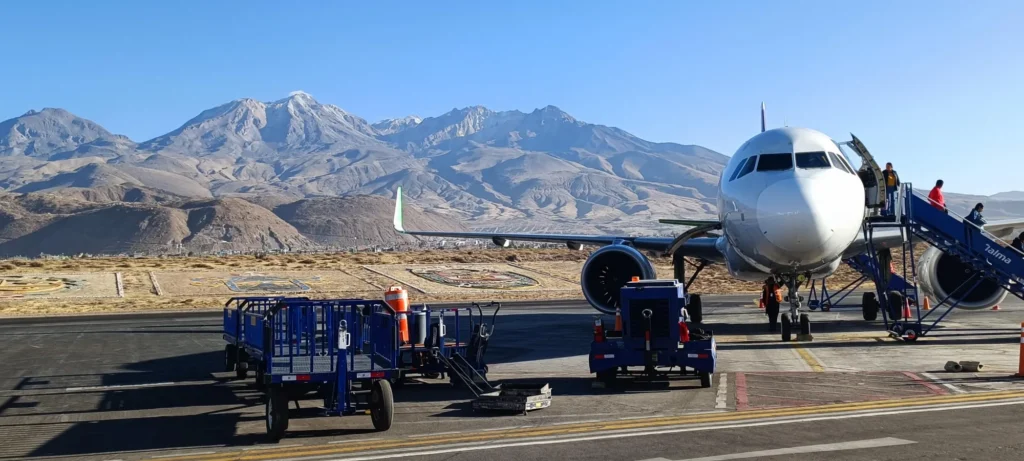
Hello, bloggers. If you’re planning a trip through Peru, figuring out how to get to Arequipa is a...
Leer articulo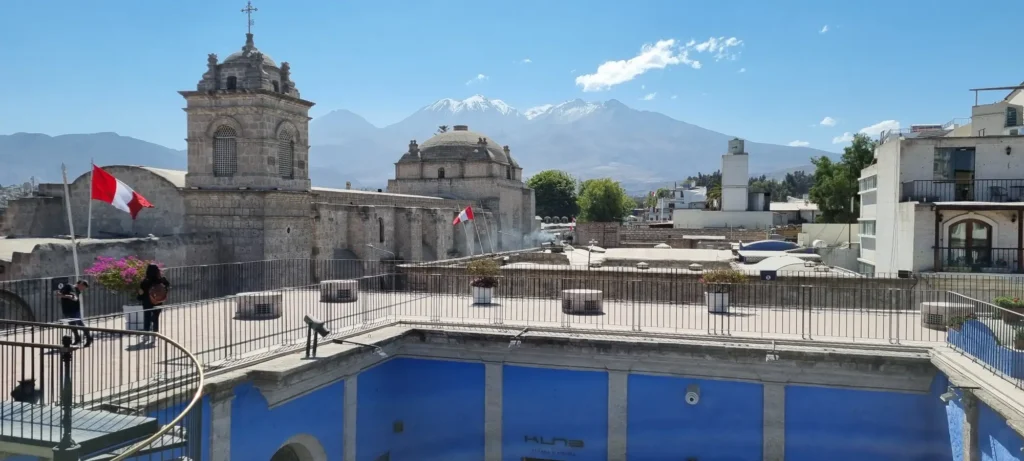
Hello, bloggers. In the world of Arequipa tourism, few destinations balance elegance, history, and dramatic landscapes as effortlessly...
Leer articulo