7 min read
73 vistas
Inca Trail in August
August wraps up the busiest quarter of the year for the Inca Trail, alongside June and July. It’s...
Leer articuloIf you’re planning this legendary route to Machu Picchu, understanding the real Inca Trail cost is essential before booking. Unlike other treks in the region, the Inca Trail has an important characteristic: access is regulated by the Peruvian government, with a limited number of daily permits, which directly affects how pricing is structured and how far in advance you need to book.
In this article, we break down how much the Inca Trail costs, what’s typically included in packages, what extra expenses you should factor in, and most importantly why you should be cautious with unusually cheap offers. If you’re not yet familiar with the full route, we recommend checking out our complete Inca Trail guide first.
The Inca Trail cost varies depending on several factors, but unlike the Salkantay or other alternative routes, the margin of variation here is more limited. That’s because the Peruvian government regulates the number of available permits (roughly 500 per day, including guides and porters), which restricts supply and keeps prices within a relatively stable range compared to unregulated treks.
Generally speaking, you’ll find the Inca Trail 4 days priced across a range that goes from basic options in larger groups to premium services with greater comfort. The main difference between these options usually isn’t the permit itself which has a fixed cost set by the government but the quality of service: group size, camping equipment quality, guide experience, and the level of attention throughout the trek.
It’s worth noting that, due to high demand and the limited number of spots, Inca Trail prices don’t usually come with major last-minute discounts the way other treks sometimes do. Booking in advance not only secures your spot, it also gives you access to better rates before permits sell out.
A complete, well-structured Inca Trail package should include, at minimum, the following components:
When comparing proposals from different agencies, check that each of these elements is clearly specified. A vague or poorly detailed list can be a sign that some of these components aren’t actually included.
Beyond the basic components, there are additional expenses you’ll typically need to plan for separately:
Having clarity on these additional expenses will help you accurately calculate your total trip budget, beyond the package’s base price.
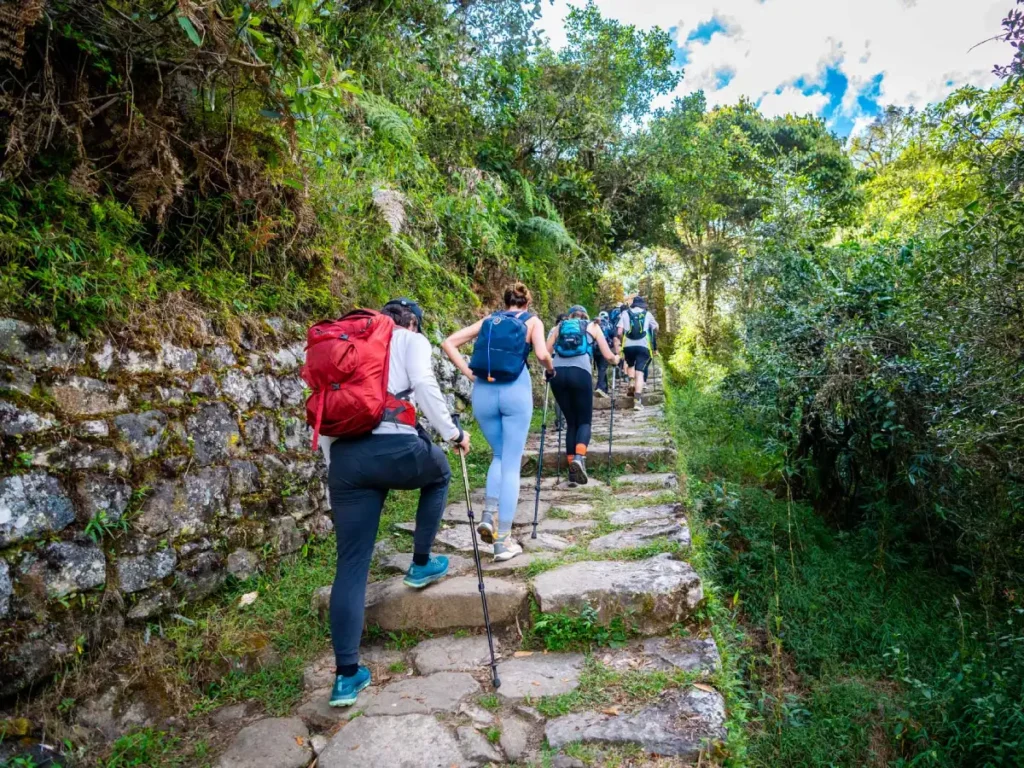
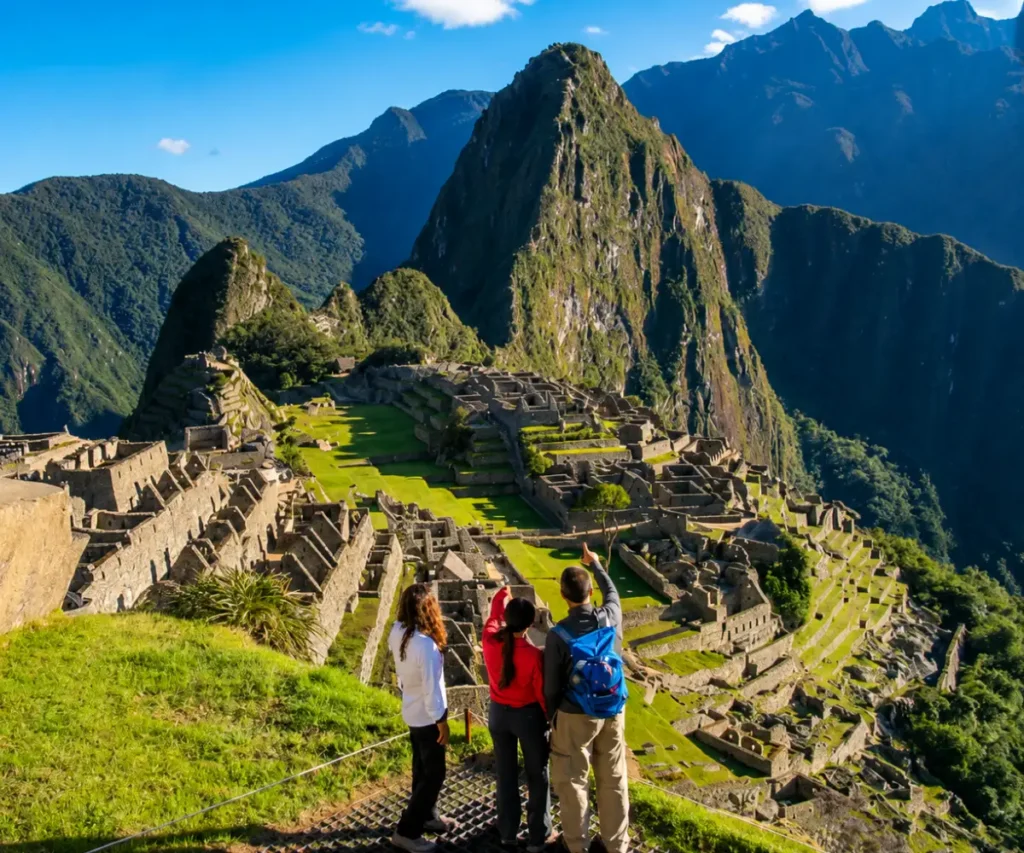
Although the official permit has a fixed cost, several factors explain the price differences between agencies for the Inca Trail 4 days:
Before booking, it’s also worth checking permit availability, since the Inca Trail sells out months in advance during peak season. You can find more details in our guide on Inca Trail permits.
This is one of the most important points to keep in mind when comparing Inca Trail prices. Because the official permit has a fixed cost set by the government, an unusually low price compared to the market average usually means the agency is cutting costs somewhere else in the service and in many cases, that cut falls directly on the working conditions of the porters.
Porters are the backbone of this trek: they carry the camping equipment, the food, and much of the logistics that make the experience possible. Unfortunately, some agencies that offer extremely low prices achieve them at the expense of:
As responsible travelers, it’s worth asking the agency directly about its policies toward porters before booking. A transparent agency won’t have any trouble explaining how weight is distributed, what the working conditions for its team look like, and how it ensures fair treatment. Choosing a slightly more expensive option with clear ethical policies not only improves your own experience, it also contributes to more responsible tourism in the region.
To make an informed decision when comparing Inca Trail prices, we recommend following these steps:
Booking in advance not only secures your spot on this highly sought-after route, it also gives you enough time to compare options calmly and choose an agency that offers quality service and fair treatment for its entire team.
Want to know the exact price for your dates? Request your quote and our team will send you a detailed proposal, with permit availability and no hidden costs, tailored to your travel preferences.
También te puede interesar
August wraps up the busiest quarter of the year for the Inca Trail, alongside June and July. It’s...
Leer articulo
July is, along with June and August, one of the busiest months of the year for the Inca...
Leer articulo
If you’re planning a trip to Machu Picchu and your dates fall in February, there’s something important you...
Leer articulo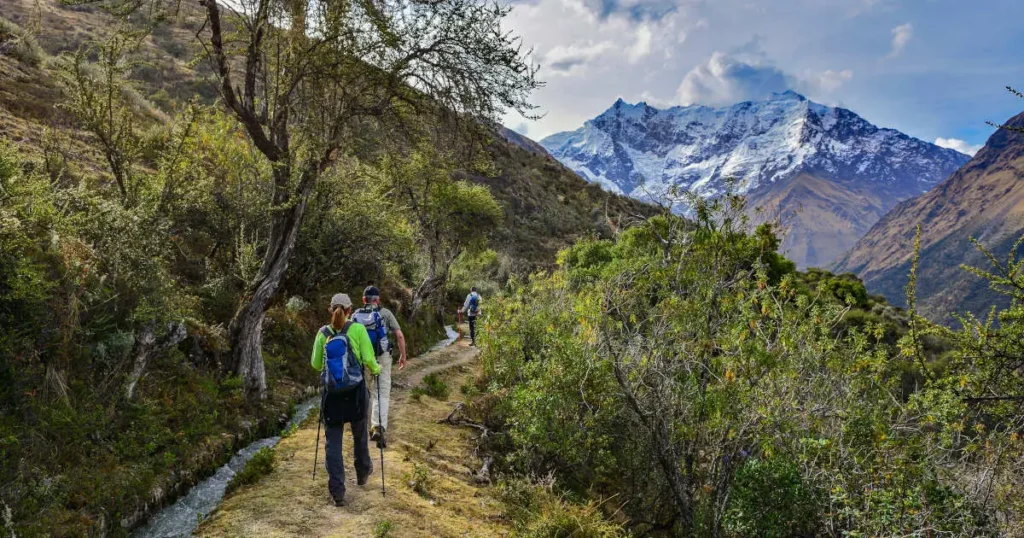
The Salkantay Trek is one of the most rewarding alternatives to the classic Inca Trail, but it’s also...
Leer articulo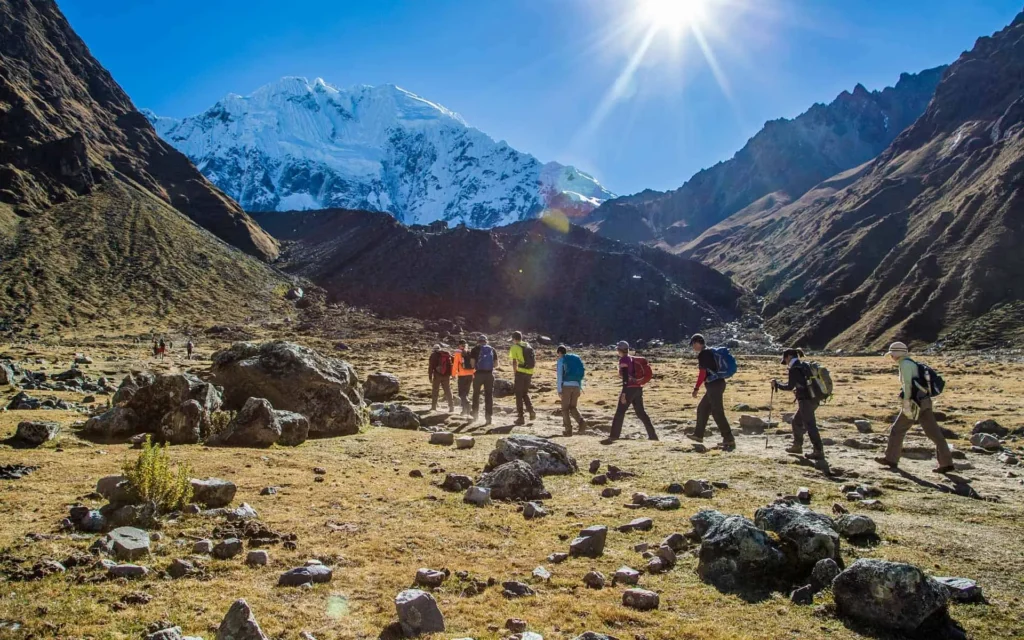
If you’re planning the Salkantay trek, chances are you’ve asked yourself whether it’s worth doing it without a...
Leer articulo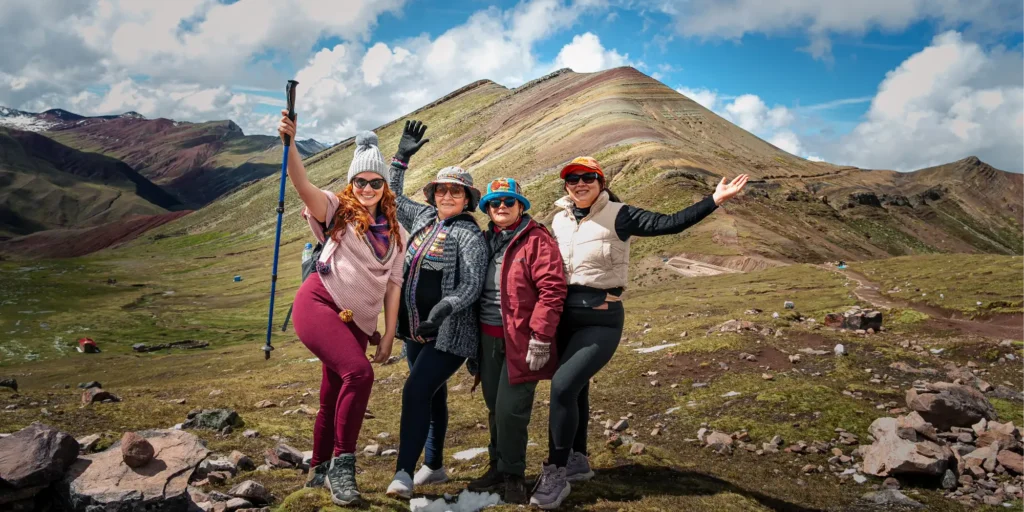
Building a solid Peru itinerary is what separates a trip that flows smoothly from one that turns into...
Leer articulo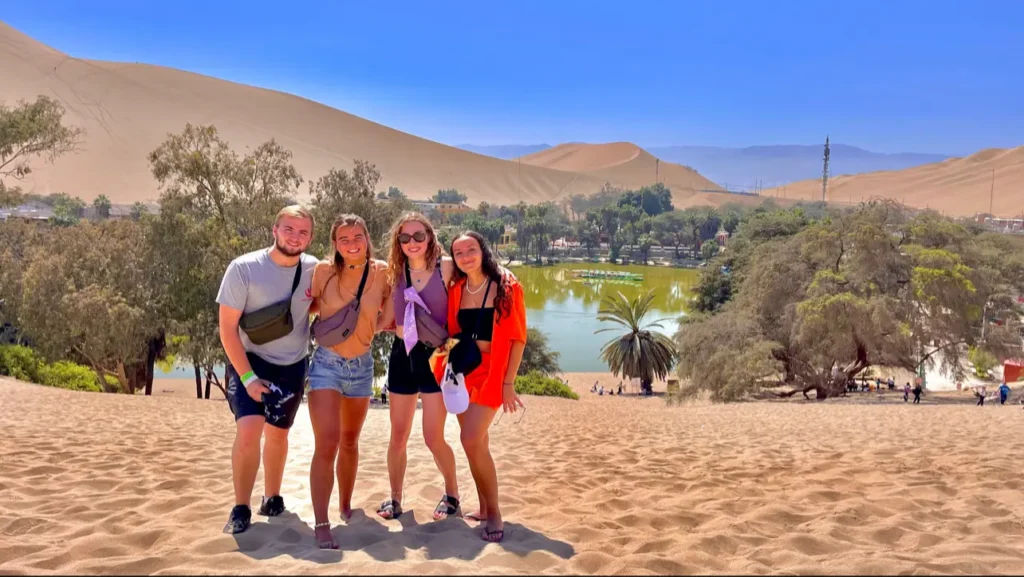
If this is your first time planning a trip to South America, it’s completely normal to feel a...
Leer articulo
Figuring out your Peru trip cost is one of the most important steps before booking anything. The good...
Leer articulo