7 min read
77 vistas
Inca Trail in August
August wraps up the busiest quarter of the year for the Inca Trail, alongside June and July. It’s...
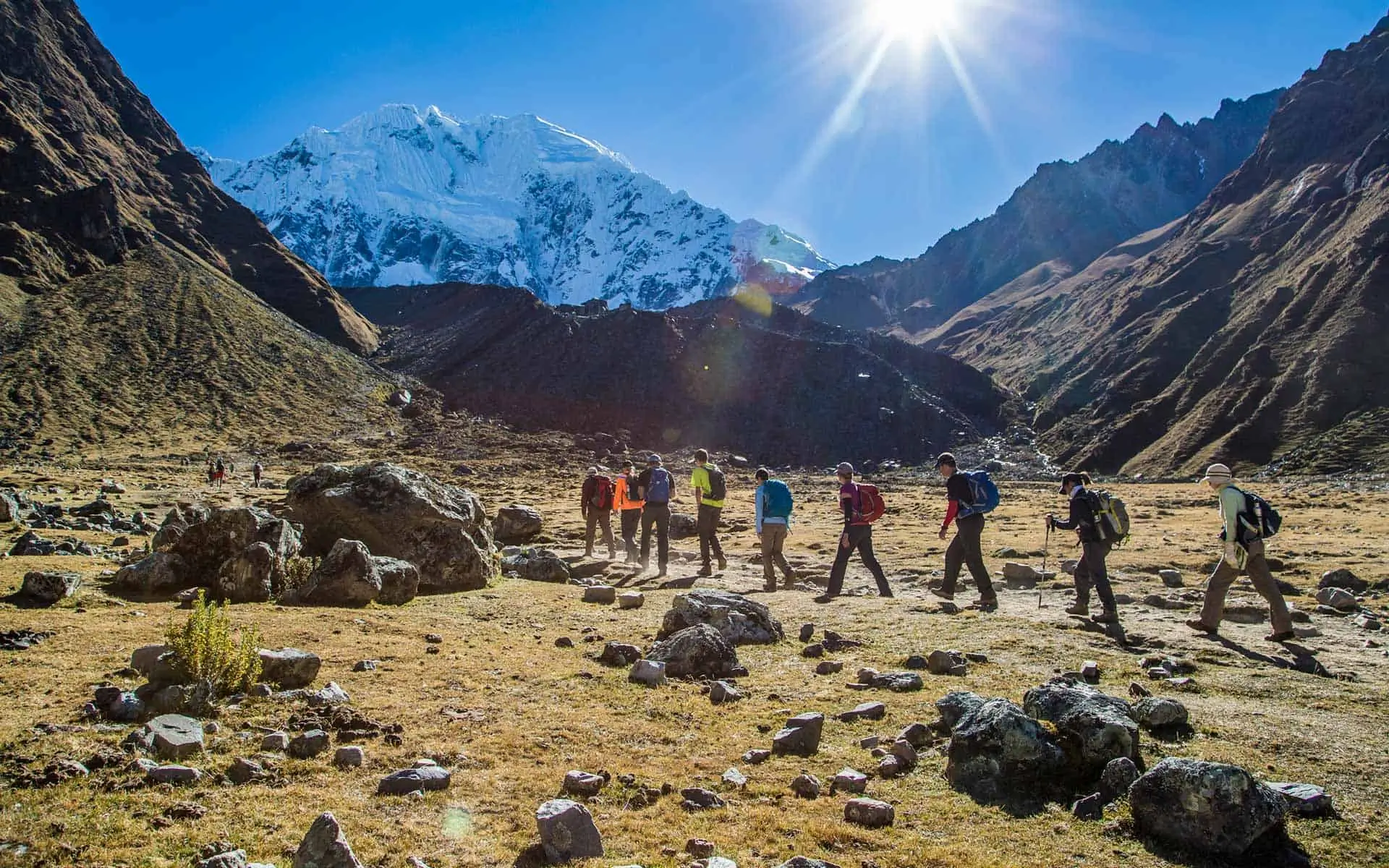
Leer articuloIf you’re planning the Salkantay trek, chances are you’ve asked yourself whether it’s worth doing it without a guide or booking with an agency. The honest answer is: it depends on your experience, your budget, and what kind of trip you’re looking for.
In this article, we break down both options with no sugarcoating — real costs, concrete pros and cons — so you can make an informed decision. If you’re not yet familiar with the basics of the route, start with our complete Salkantay guide.
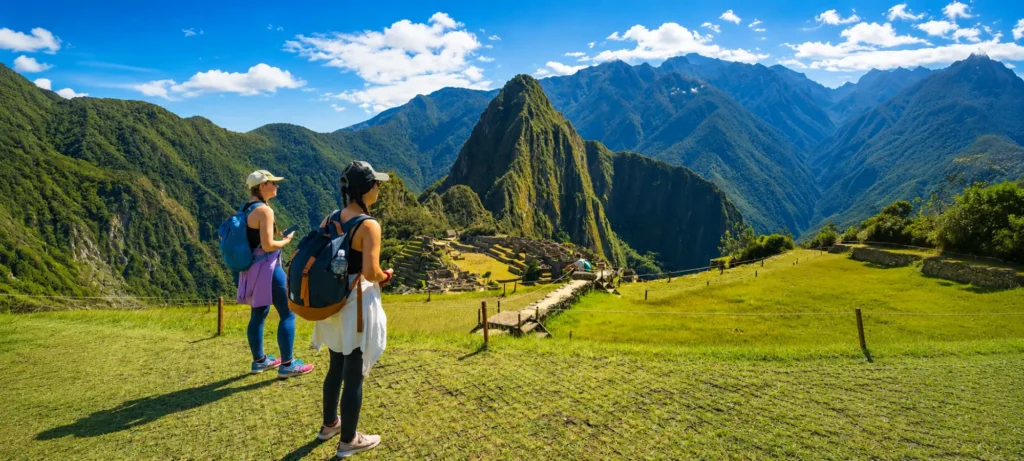
Yes, it’s technically possible to do the Salkantay independently. Unlike the classic Inca Trail, which requires limited permits and can only be done with authorized operators, the Salkantay is an open route that doesn’t require booking with an agency or reserving months in advance.
This makes it an appealing option for experienced trekkers looking for more independence, flexibility in pace, and potentially some savings.
That said, “being able to do it” isn’t the same as “it being easy.” Going independent means taking on responsibilities that an agency normally handles for you, and that changes the nature of the trip quite a bit.
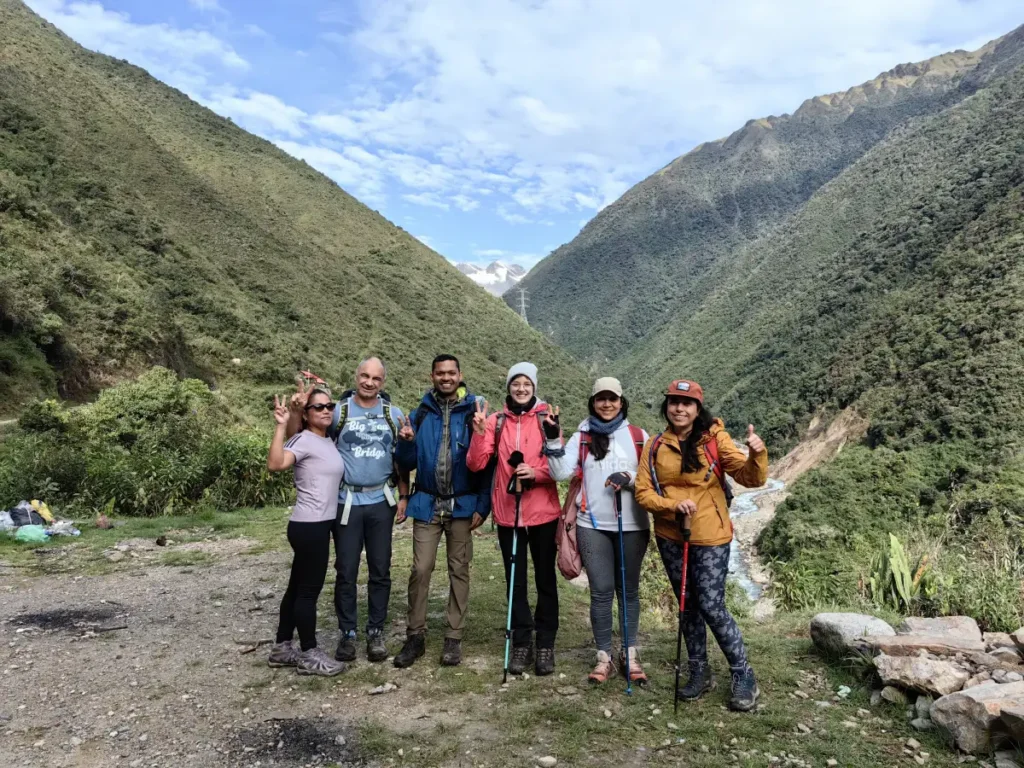
Before deciding, it’s important to understand exactly what you’ll need to handle on your own.
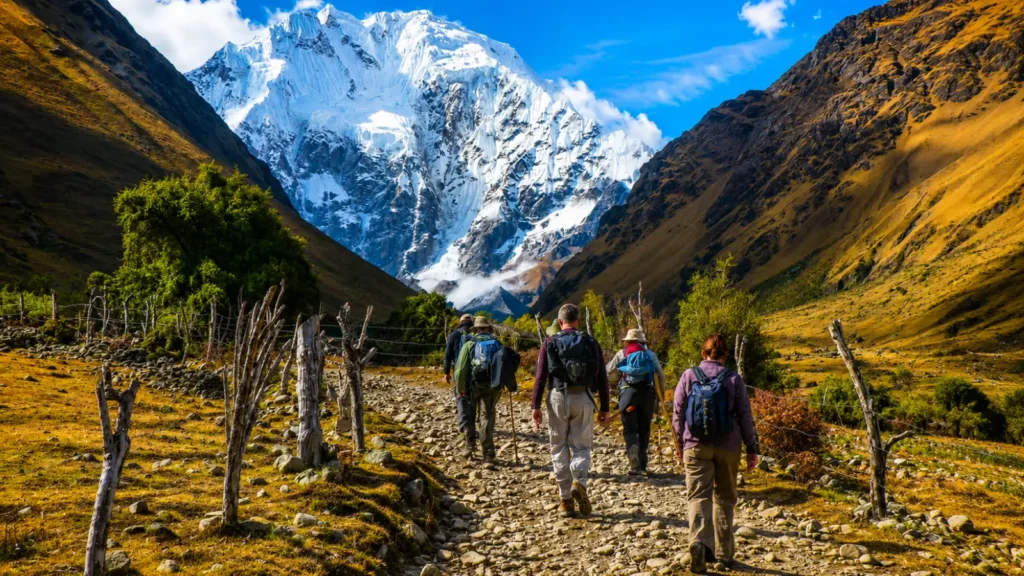
Signage on the Salkantay varies by section. Some stretches are well marked, but others require using pre-downloaded GPS maps (since there’s essentially no cell signal for much of the route) or checking with locals to confirm you’re on the right path.
Along the route there are camping areas and some basic lodging options like hostels or independent “glamping,” which you can book on your own with varying degrees of advance notice depending on the season. If you’re bringing your own camping gear, you’ll need to carry it yourself or arrange separate cargo transport.
This is one of the most underestimated parts of going independent. You need to plan and carry your own food for several days at high altitude, or rely on the small shops along the way (which don’t always have guaranteed stock, especially outside of peak season).
Getting to the trek’s starting point and arranging your departure from Aguas Calientes also requires organizing transportation on your own, something agencies typically include as part of the package.
In favor of going independent:
Against going independent:
In favor of going with an agency:
Against going with an agency:
One of the most common myths is that doing the Salkantay independently is always much cheaper. The reality is more nuanced.
If you already own camping gear (tent, sleeping bag, portable stove) and have the experience to be self-sufficient, the savings can be real, though not as large as they might seem at first glance once you factor in transportation, food for several days, and occasional lodging.
If, on the other hand, you need to rent or buy gear, add a local guide for part of the route, or simply value your planning time, the cost difference compared to an agency shrinks considerably. In many cases, once you add up all the expenses (gear, food, transportation, lodging), the difference ends up being smaller than most people expect.
On top of that, an agency’s price usually includes insurance, Machu Picchu entrance permits, organized transportation, and full logistical support — services that carry real value beyond their simple monetary cost.
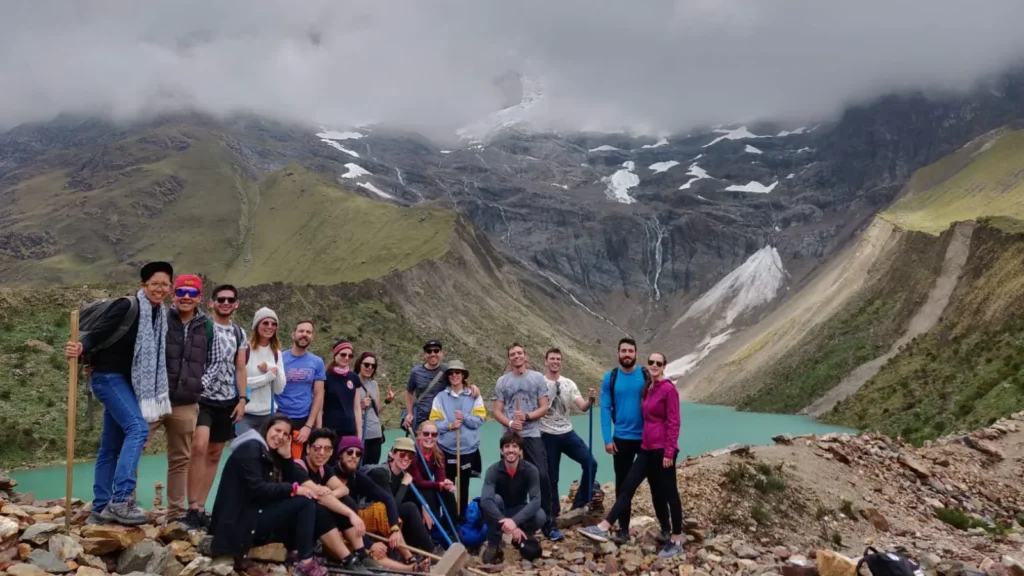
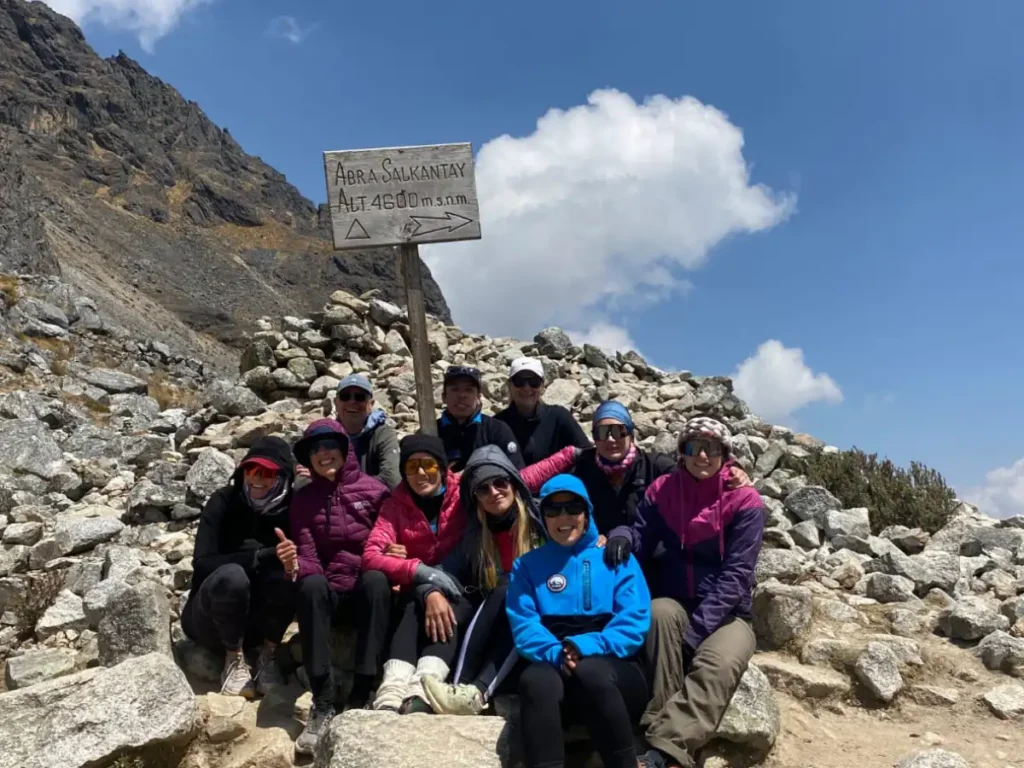
This is, in our view, the most important factor to consider. The Salkantay reaches altitudes of over 4,600 meters (15,090 feet) at its highest point (the Salkantay pass), and altitude sickness can affect anyone, regardless of their physical condition.
If you go independent, it’s essential to have dedicated enough days to acclimatization before the Salkantay, know the symptoms of altitude sickness, and have a clear plan in case you need to descend or seek medical help.
It’s also worth being honest with yourself about your level of physical preparation. Salkantay trek difficulty shouldn’t be underestimated: it’s several days of trekking with demanding stretches, considerable altitude changes, and weather conditions that can shift quickly.
Going with an agency doesn’t eliminate these risks entirely, but it does add an important layer of safety: guides trained in first aid, communication with emergency teams, and prior experience handling similar situations.
Going independent can be a good option if:
Going with an agency is probably better if:
There’s no universally correct answer — both options are valid depending on your profile as a traveler. What we can say honestly is that the Salkantay is a demanding route, and underestimating the altitude, the logistics, or your own physical preparation is the most common mistake we see, both among those who go independent and those who choose the wrong agency.
If you have solid mountain experience and enjoy self-sufficiency, going independent can be a rewarding experience. But if it’s your first high-altitude trek, or you’d simply rather enjoy the trail without worrying about logistics, a reliable agency makes a real difference in safety and peace of mind.
At Aura Travel Experience, we run the Salkantay Trek 5 days with certified guides, full support staff, and all the logistics handled, so you can focus on enjoying every step of the trail.
Would you rather go with everything taken care of? Do the Salkantay worry-free and let us handle the details.
También te puede interesar
August wraps up the busiest quarter of the year for the Inca Trail, alongside June and July. It’s...
Leer articulo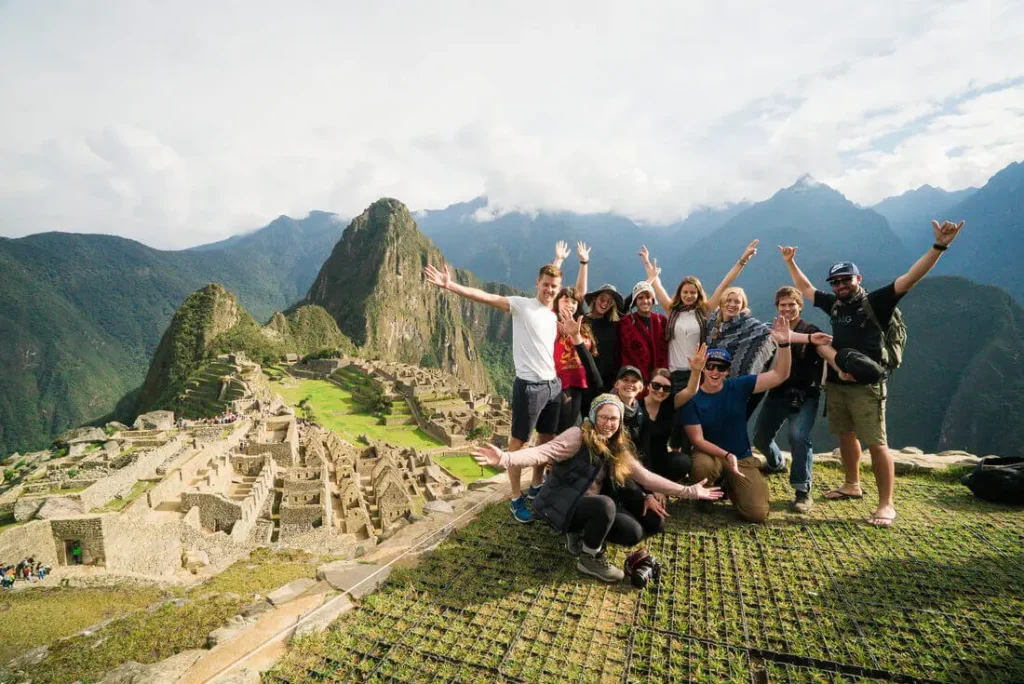
July is, along with June and August, one of the busiest months of the year for the Inca...
Leer articulo
If you’re planning a trip to Machu Picchu and your dates fall in February, there’s something important you...
Leer articulo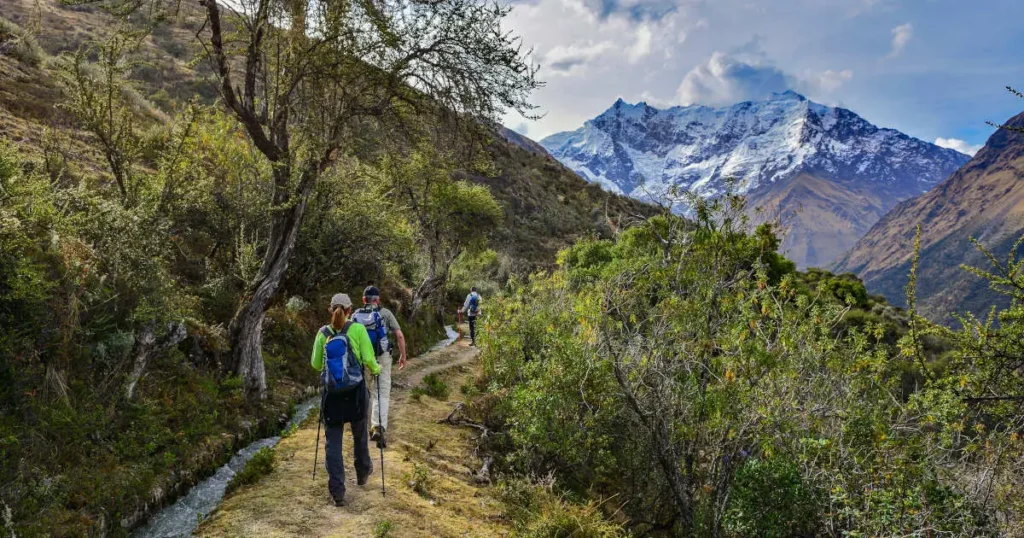
The Salkantay Trek is one of the most rewarding alternatives to the classic Inca Trail, but it’s also...
Leer articulo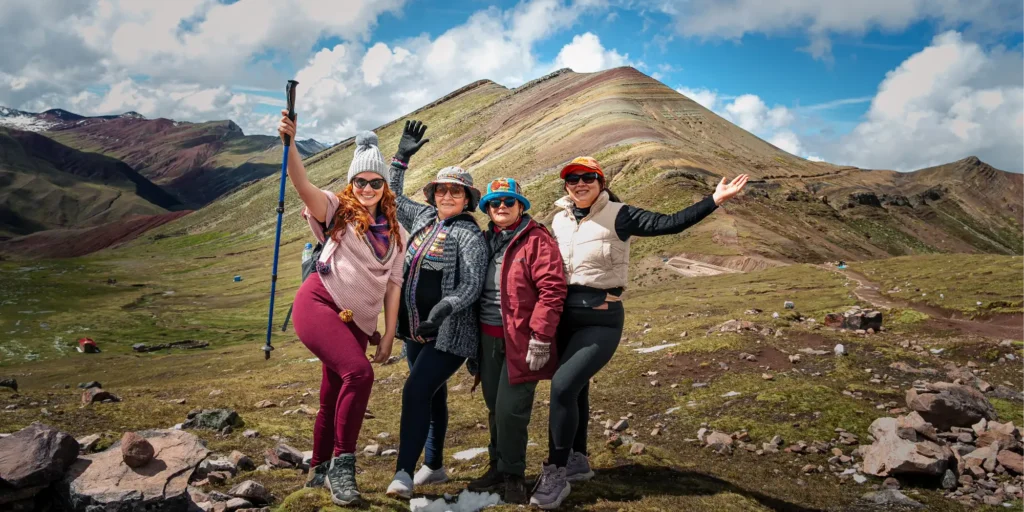
Building a solid Peru itinerary is what separates a trip that flows smoothly from one that turns into...
Leer articulo
If this is your first time planning a trip to South America, it’s completely normal to feel a...
Leer articulo
Figuring out your Peru trip cost is one of the most important steps before booking anything. The good...
Leer articulo
Figuring out the best time to visit Peru is one of the first (and most important) decisions you’ll...
Leer articulo