7 min read
77 vistas
Inca Trail in August
August wraps up the busiest quarter of the year for the Inca Trail, alongside June and July. It’s...
Leer articuloThe Salkantay Trek is one of the most rewarding alternatives to the classic Inca Trail, but it’s also a physically demanding route that climbs well above 4,000 meters (13,123 feet). Proper Salkantay acclimatization is the single most important thing you can do to enjoy the trek instead of suffering through it. This guide walks you through how many days to spend in Cusco beforehand, what altitude sickness feels like, practical tips to acclimatize well, and the altitude profile of the trek itself — so you know exactly what to expect at every stage.
If you haven’t yet mapped out your itinerary, our complete Salkantay guide covers routes, packing lists, and logistics in detail. This article focuses specifically on preparing your body for the altitude.
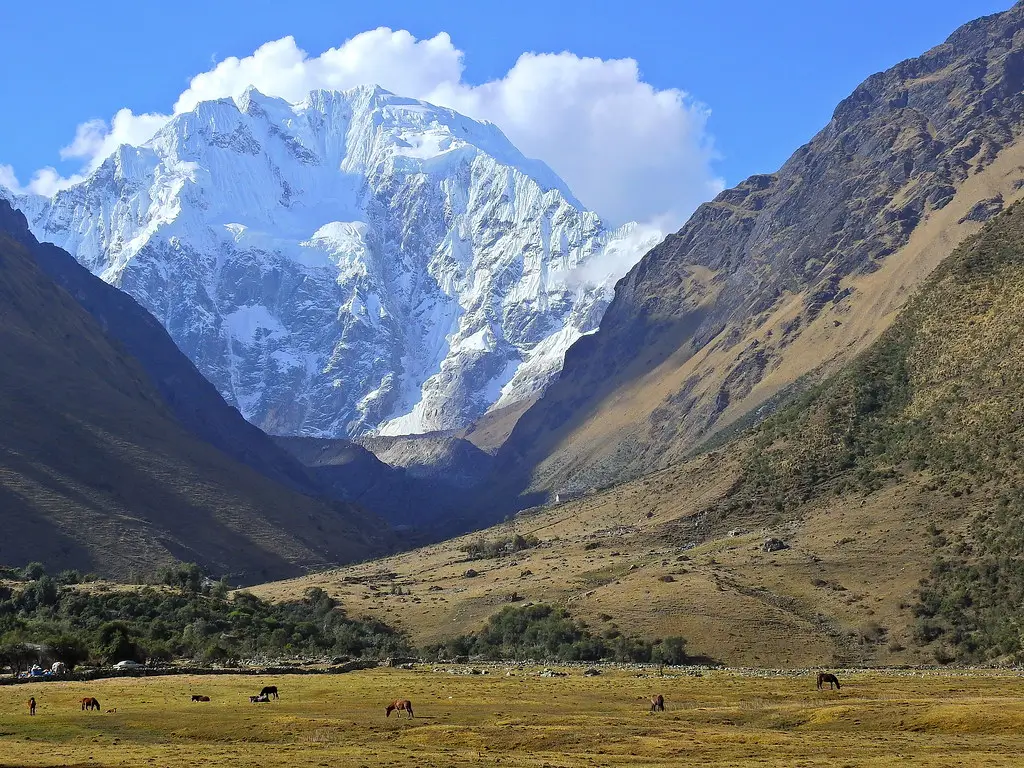
Cusco sits at roughly 3,400 meters (11,150 feet) above sea level, and the Salkantay Trek’s highest point — the Salkantay Pass — reaches about 4,630 meters (15,190 feet). At these elevations, the air contains significantly less oxygen than at sea level, and your body needs time to adjust its breathing rate, heart rate, and red blood cell production to compensate.
Skipping acclimatization is the number one reason travelers struggle on the trail. Fatigue that would normally be manageable becomes overwhelming, headaches intensify, and in some cases altitude sickness can force trekkers to turn back or need emergency evacuation. The good news is that with a few days of preparation, most healthy travelers adapt well and complete the trek comfortably. Acclimatizing isn’t about how fit you are — even experienced athletes get altitude sickness if they ascend too quickly.
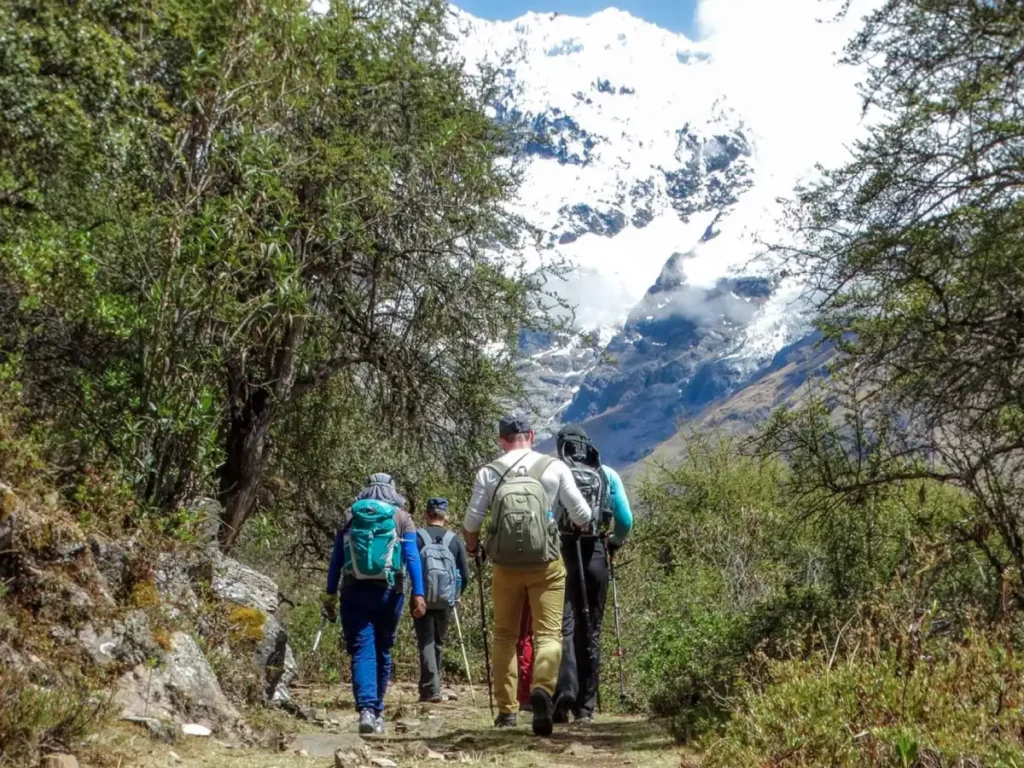
A common question is: how many days to acclimatize in Cusco before starting the trek? As a general guideline:
A useful strategy is to spend your first night or two in the Sacred Valley (around 2,800–2,900 meters), which sits lower than Cusco, before moving up into the city itself. This gradual ascent approach — sometimes called “climb high, sleep low” in reverse — gives your body a gentler introduction to altitude than flying straight into Cusco and starting a trek the next day.
Altitude sickness, also known as acute mountain sickness (AMS), can affect anyone regardless of age or fitness level. Recognizing the symptoms early is key to managing them safely. Common signs include:
These symptoms typically appear within the first 12–24 hours at higher elevation and usually resolve as your body adjusts. However, if symptoms worsen — including confusion, severe headache unrelieved by rest, persistent vomiting, or difficulty walking in a straight line — this may indicate a more serious condition that requires immediate descent and medical attention.
For a deeper look at symptoms, causes, and prevention specific to this region, see our dedicated article on altitude sickness in Cusco.
This article provides general wellness information and is not a substitute for medical advice. If you have a pre-existing heart, lung, or other chronic condition, consult your doctor before undertaking high-altitude travel.
There’s no way to eliminate the effects of altitude entirely, but you can make the adjustment much smoother. Here’s how to acclimatize before Salkantay effectively:
1. Arrive early and rest. Don’t schedule strenuous activities on your first day in Cusco. Let your body settle in before doing much walking or sightseeing.
2. Stay hydrated. Drink more water than usual — dehydration amplifies altitude symptoms. Coca tea, a traditional Andean remedy, is widely available and many travelers find it helpful.
3. Limit alcohol and heavy meals. Alcohol dehydrates you and can worsen symptoms; rich, heavy foods are harder to digest at altitude. Eat light, frequent meals instead.
4. Increase activity gradually. Use your acclimatization days for short walks around Cusco’s plazas and nearby ruins rather than long hikes. Save intense exertion for after your body has adjusted.
5. Consider a short day hike. A gentle excursion to nearby sites like Sacsayhuamán or the Sacred Valley can help acclimatize your body under controlled conditions before tackling the trek itself.
6. Sleep at a lower elevation when possible. If your itinerary allows, spend a night in the Sacred Valley before moving to Cusco.
7. Talk to a pharmacist or doctor about altitude medication. Some travelers use over-the-counter or prescription remedies to ease symptoms; a healthcare professional can advise on what’s appropriate for you.
8. Listen to your body. Mild discomfort is normal, but don’t push through worsening symptoms. Rest, hydrate, and give yourself more time if needed.
Understanding where the elevation gains happen helps you mentally and physically prepare for each day of the trek. While itineraries vary slightly by operator, a typical Salkantay Trek 5 days itinerary follows this general profile:
Because the trek’s hardest physical day coincides with its highest point, most of the altitude challenge is front-loaded early in the route. Trekkers who arrive well-acclimatized tend to handle Day 2 far more comfortably than those who arrive straight from sea level. For a full breakdown of what each day demands physically, check out our guide to Salkantay trek difficulty.
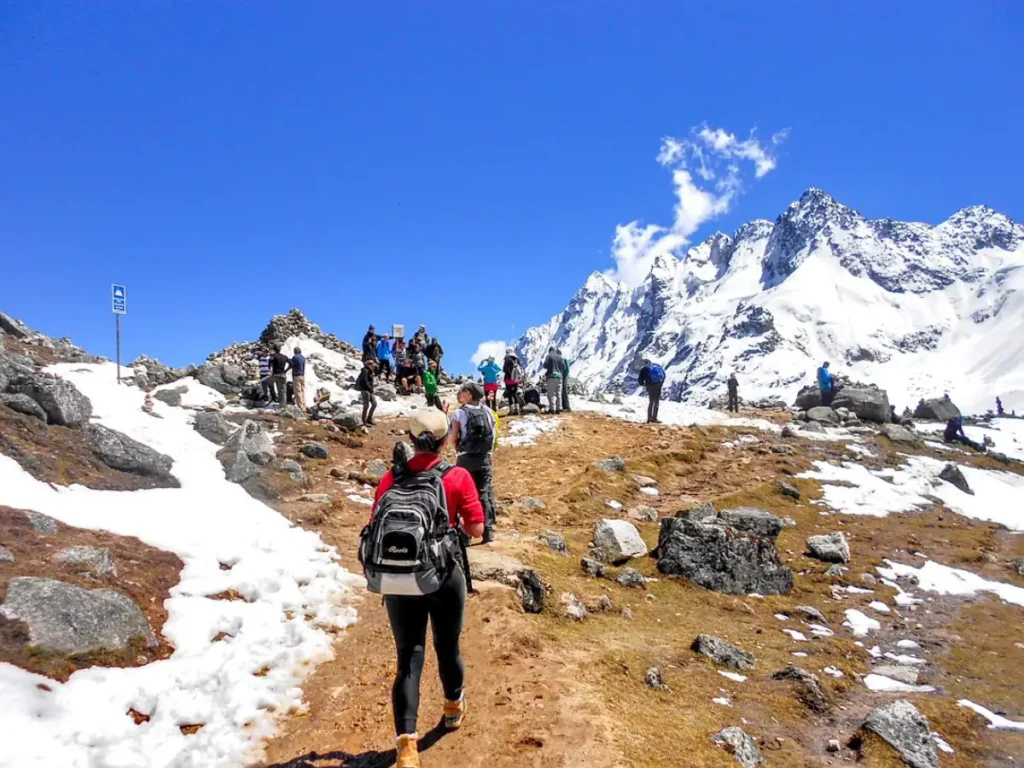
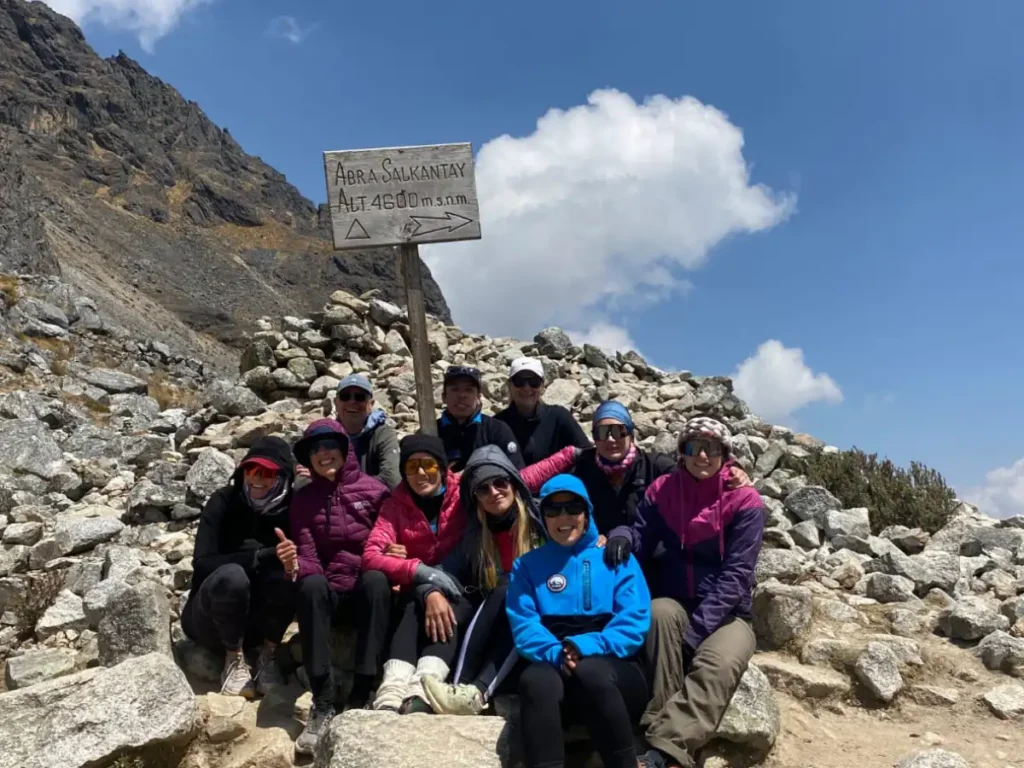
If you start experiencing altitude symptoms during your acclimatization days or on the trail itself, don’t ignore them. Here’s a general approach:
Reputable tour operators carry basic first-aid and oxygen on the Salkantay route precisely because altitude response varies from person to person. Never hesitate to speak up if something feels wrong — a good guide would always rather pause or adjust the plan than have you push through a serious symptom.
Preparing for the altitude is one of the most important parts of planning your trip, and a little extra time in Cusco can make the difference between an exhausting climb and a trek you’ll actually remember fondly. If you’d like personalized advice on how many days to build into your itinerary or which route best matches your fitness level, get ready with our team — we’re happy to help you plan a Salkantay experience suited to you.
También te puede interesar
August wraps up the busiest quarter of the year for the Inca Trail, alongside June and July. It’s...
Leer articulo
July is, along with June and August, one of the busiest months of the year for the Inca...
Leer articulo
If you’re planning a trip to Machu Picchu and your dates fall in February, there’s something important you...
Leer articulo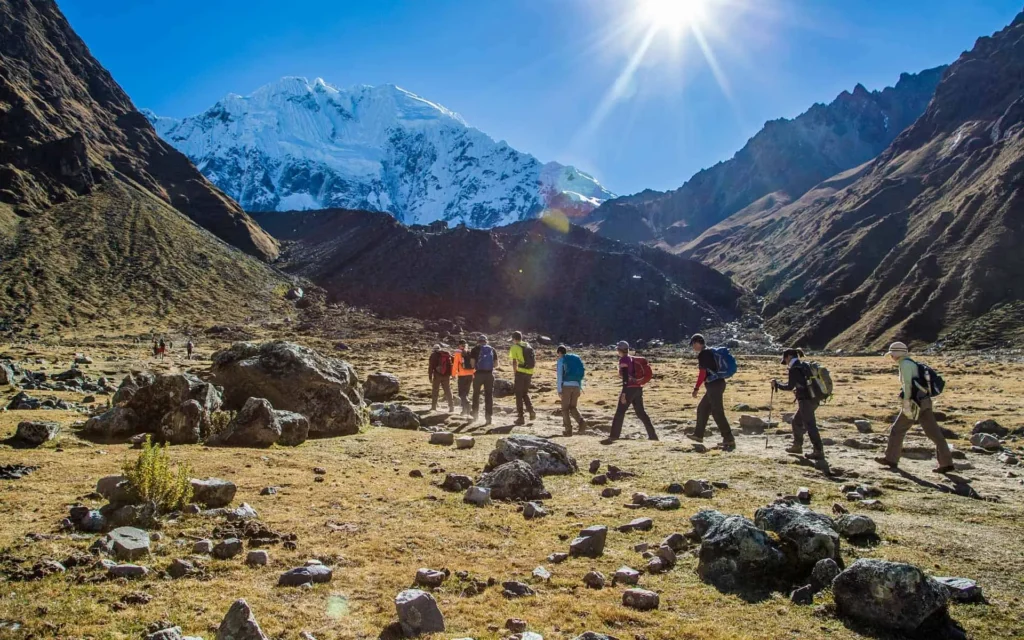
If you’re planning the Salkantay trek, chances are you’ve asked yourself whether it’s worth doing it without a...
Leer articulo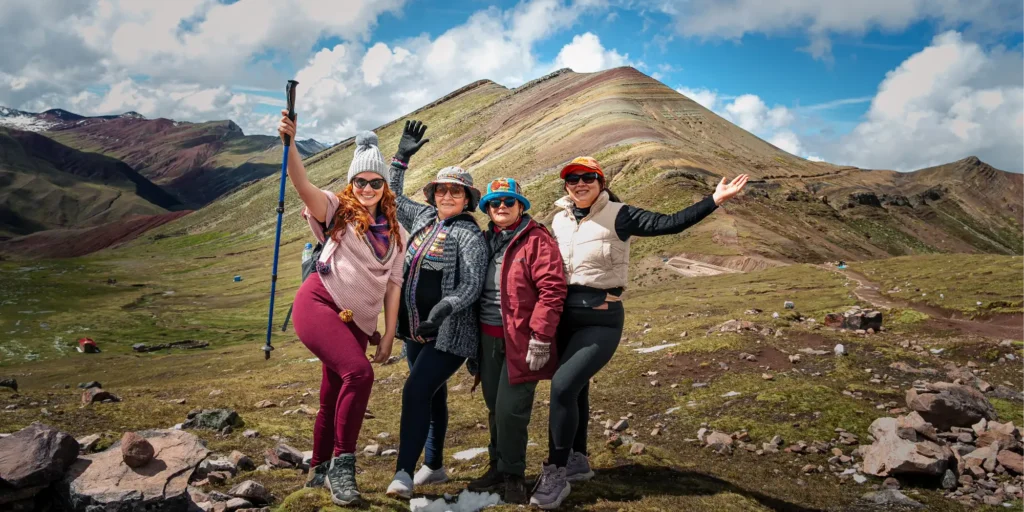
Building a solid Peru itinerary is what separates a trip that flows smoothly from one that turns into...
Leer articulo
If this is your first time planning a trip to South America, it’s completely normal to feel a...
Leer articulo
Figuring out your Peru trip cost is one of the most important steps before booking anything. The good...
Leer articulo
Figuring out the best time to visit Peru is one of the first (and most important) decisions you’ll...
Leer articulo