7 min read
78 vistas
Inca Trail in August
August wraps up the busiest quarter of the year for the Inca Trail, alongside June and July. It’s...
Leer articuloIf you’re planning a trip to Machu Picchu and your dates fall in February, there’s something important you need to know now, before you book flights: the classic Inca Trail closes for the entire month for maintenance. This catches many travelers off guard, often after they’ve already purchased tickets, so in this article we explain exactly why the closure happens, what dates it covers, whether you can still visit Machu Picchu during that time, and which trekking alternatives are your best options.
The good news is that Inca Trail February doesn’t have to mean canceling your trip. With the right information and a bit of planning, you can still have a memorable experience — whether by arriving via train or by choosing an alternative multi-day trek.
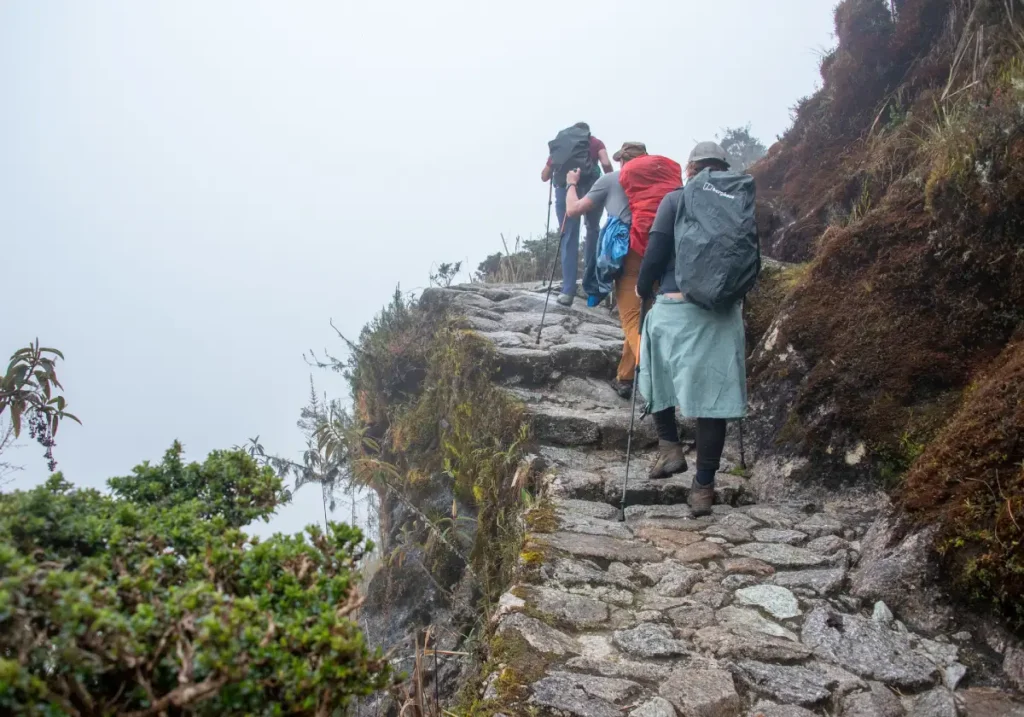
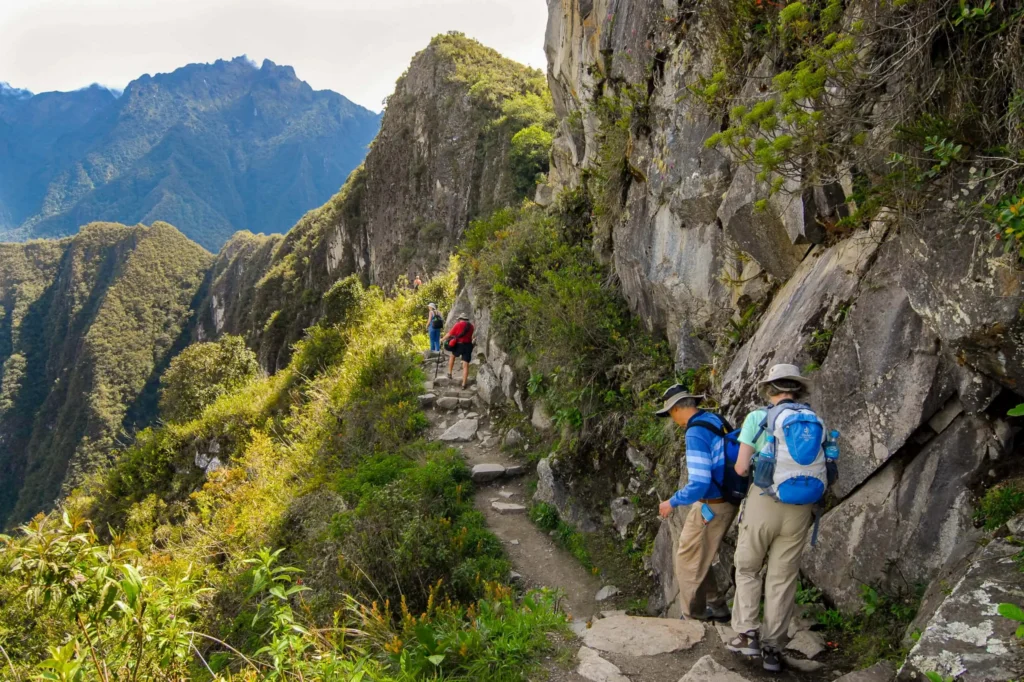
The Inca Trail is a route over 500 years old, with sections of original stonework built by the Incas themselves. The constant foot traffic of thousands of trekkers each year, combined with intense rainfall during the Andean wet season, causes significant wear on the trail, retaining walls, and archaeological structures along the route.
For this reason, Peru’s Ministry of Culture, through the regulatory body overseeing the Machu Picchu Archaeological Park, closes the classic Inca Trail throughout February every year. This closure serves two main purposes:
This closure applies specifically to the classic 4-day route (and short variants like the 2-day Inca Trail). If you’d like to explore the full route details, variants, and the rest of the operating calendar, check out our complete Inca Trail guide.
The Inca Trail closed February period covers the entire month, with no exceptions, from February 1 through February 28 (or 29 in leap years). This means:
It’s worth remembering that Inca Trail permits are limited (around 500 per day, including staff) and sell out months in advance during high season. If your trip falls outside February but near popular dates, booking 4 to 6 months ahead is still essential — something we cover in detail in our article on the best time to hike the Inca Trail.
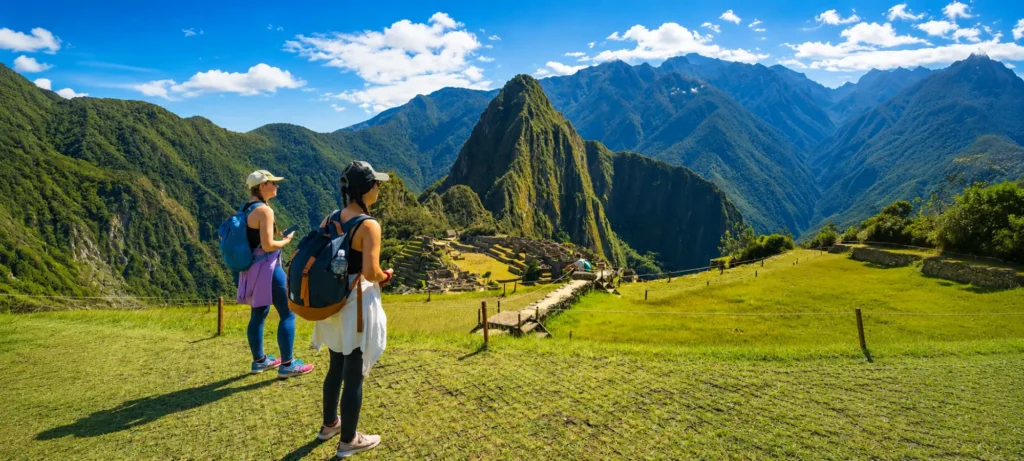
Here’s the part that reassures most travelers: even though the Inca Trail itself is closed, Machu Picchu in February remains fully open to visitors. The citadel does not close at any point during the year (aside from rare, specific maintenance closures of the site itself, which are separate from the trail closure).
This means you can still reach Machu Picchu in February the way most visitors do year-round: by train from Cusco, Ollantaytambo, or the Sacred Valley to Aguas Calientes (Machu Picchu Pueblo), followed by a short bus ride up to the citadel entrance.
A few things to keep in mind when visiting in February:
In short, skipping the Inca Trail on foot in February doesn’t mean giving up on Machu Picchu. The train route remains an excellent option, especially for travelers who want fewer crowds and don’t mind unpredictable weather.
If your goal was to experience a multi-day trek to Machu Picchu rather than simply arriving by train, there are alternative routes that remain open throughout February. Here are your best options:
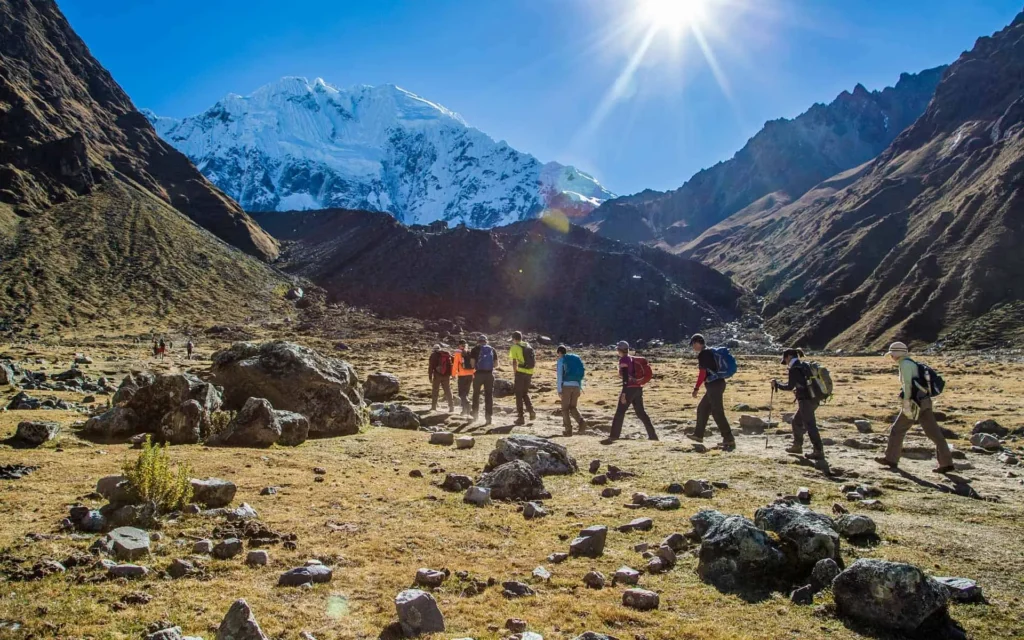
The Salkantay Trek (open year-round) is by far the most popular alternative to the Inca Trail. It’s a high-mountain trekking route that doesn’t require limited permits like the Inca Trail does, so it can be booked with much more flexibility — even at short notice.
The route passes by the towering Salkantay mountain, reaching elevations of up to 4,630 meters (15,190 feet) at its highest point, before descending into cloud forest landscapes on the way to Aguas Calientes. While February does bring more rain on this route as well, most operators continue offering the trek with appropriate adjustments to gear and itinerary. You can review all the logistical details in our complete Salkantay guide.
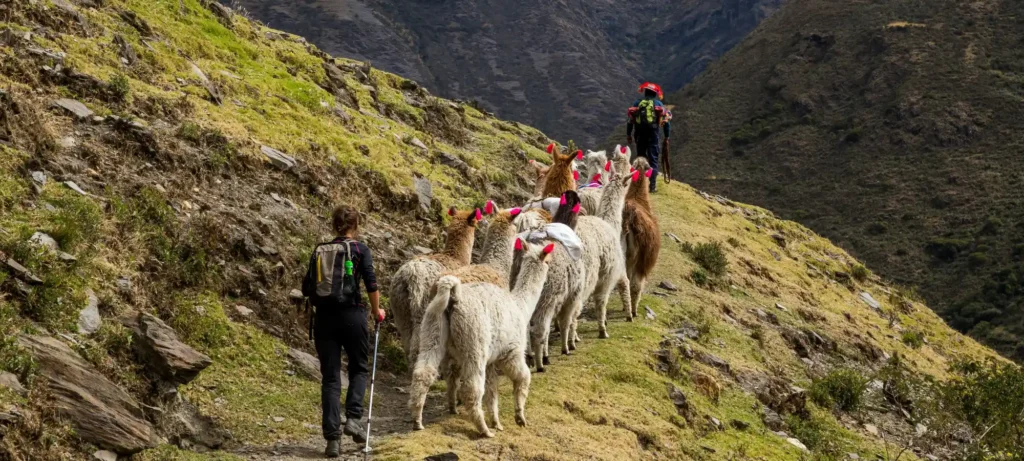
Another excellent alternative is the combination of Lares and short Inca Trail, which passes through traditional Andean communities, high-altitude lagoons, and rural landscapes rarely visited by tourists, before connecting to a short trail segment and taking the train to Aguas Calientes.
This route offers a deeper cultural experience, with direct contact with Quechua-speaking communities that maintain ancestral textile and herding traditions. It’s a gentler option with less physical demand than Salkantay, ideal for travelers who prioritize cultural immersion over physical challenge.
Both alternatives remain fully operational throughout February, offering a genuine multi-day trekking experience without the permit restrictions or closure that affect the classic Inca Trail.
If your travel dates fall in February, here’s a roadmap for organizing your visit without complications:
Traveling to Machu Picchu in February shouldn’t be a source of worry — it can actually be a different and rewarding way to experience the region. If your priority is hiking to the citadel, the Salkantay Trek is our top recommendation: it’s open year-round, offers spectacular high-mountain scenery, and doesn’t depend on limited permits that sell out months in advance. If you’re looking for something more cultural and less physically demanding, Lares combined with the short Inca Trail is an excellent alternative.
And if you simply want to reach Machu Picchu without trekking, the train remains a reliable option throughout February, with the added benefit of smaller crowds.
Every travel situation is different, and choosing the best alternative depends on your exact dates, physical condition, and travel priorities. If you’d like personalized guidance to organize your itinerary, plan your February trip with us — our team knows the ins and outs of this season and can help you design the perfect Machu Picchu experience.
También te puede interesar
August wraps up the busiest quarter of the year for the Inca Trail, alongside June and July. It’s...
Leer articulo
July is, along with June and August, one of the busiest months of the year for the Inca...
Leer articulo
The Salkantay Trek is one of the most rewarding alternatives to the classic Inca Trail, but it’s also...
Leer articulo
If you’re planning the Salkantay trek, chances are you’ve asked yourself whether it’s worth doing it without a...
Leer articulo
Building a solid Peru itinerary is what separates a trip that flows smoothly from one that turns into...
Leer articulo
If this is your first time planning a trip to South America, it’s completely normal to feel a...
Leer articulo
Figuring out your Peru trip cost is one of the most important steps before booking anything. The good...
Leer articulo
Figuring out the best time to visit Peru is one of the first (and most important) decisions you’ll...
Leer articulo