7 min read
31 vistas
Inca Trail in January
January sits right in the heart of the rainy season in the Peruvian Andes, making it one of...
Leer articuloSeptember marks the tail end of the dry season on the Inca Trail, and for many travelers it’s the sweet spot of the entire year: the stable, rain-free weather of the peak months is still firmly in place, but the crowds that define July and August have largely thinned out. In this article, we cover what to expect from the weather, how permit demand compares to peak season, what to pack, and how to plan your booking to make the most of this transitional month.
If you’re not yet familiar with the general details of the route, check out our complete Inca Trail guide first, which covers the itinerary, difficulty level, and overall logistics.
Where June, July, and August compete for the title of busiest month, September quietly offers what many trekkers actually want: reliable weather without the saturation.
This combination — dry-season reliability plus a lighter crowd — is exactly why many specialized guides and agencies rank September among the best months to hike the Inca Trail, alongside April and October. You can compare it against the rest of the calendar in our guide to the best time for the Inca Trail.
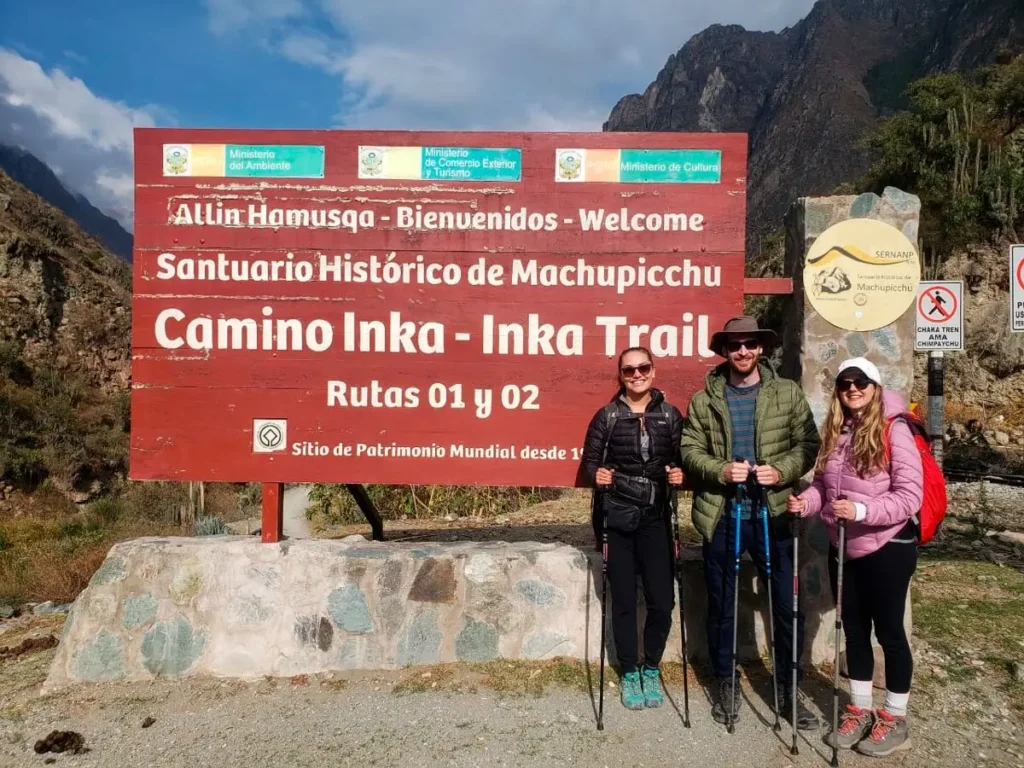
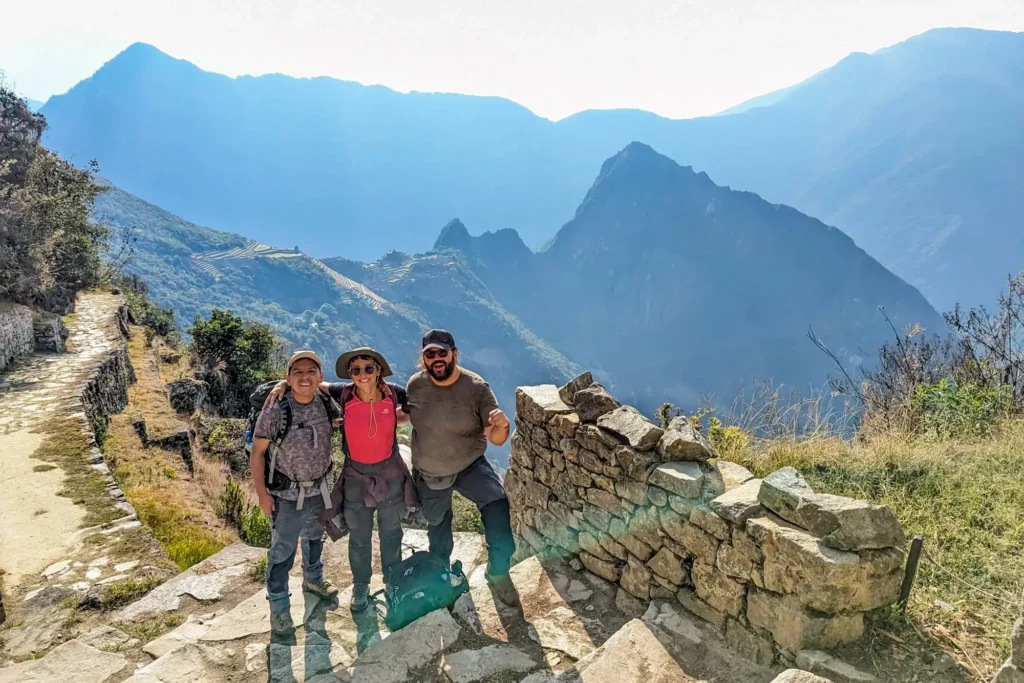
Permits for the classic Inca Trail are limited to 500 people per day (including guides and porters), and they’re allocated well in advance regardless of the month. September is no exception in requiring early planning, but demand here is noticeably softer than during peak season:
If hiking the classic Inca Trail in September is your goal, booking 3 to 5 months ahead gives you a solid shot at your preferred dates, with more flexibility than you’d have in peak season. For a month-by-month breakdown of how permit demand shifts throughout the year, see our best time for the Inca Trail guide.
Gear for September follows the same dry-season logic as the peak months, with a bit more room for lighter layers during the day:
Since September offers a favorable mix of good weather and lighter demand, these recommendations help you make the most of it:

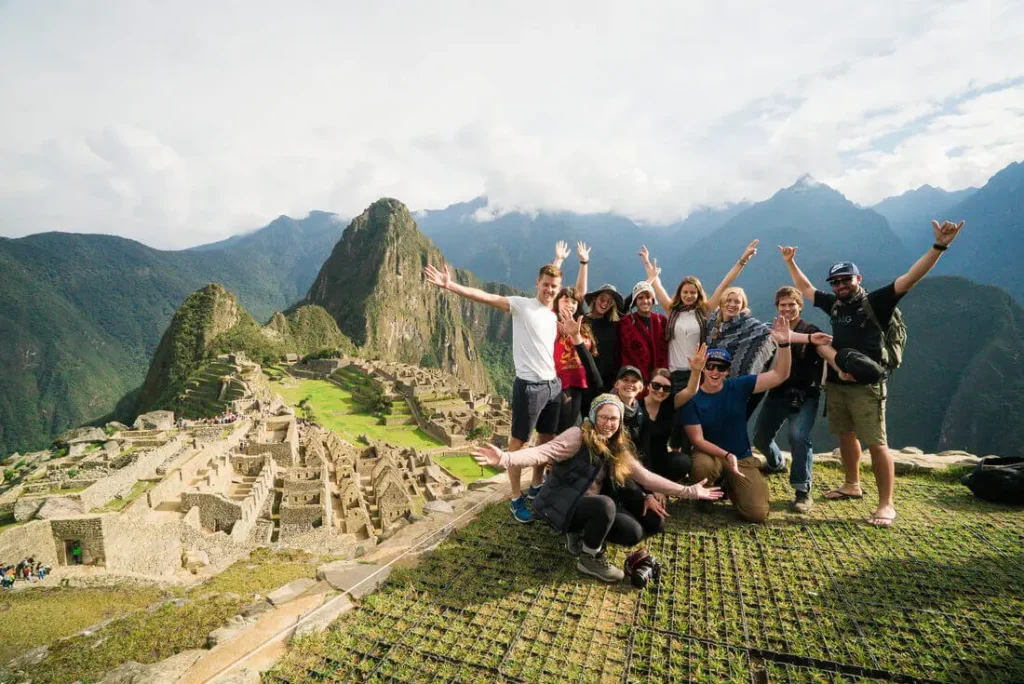
If, while planning your trip, you discover that September permits are already sold out for your dates, there are excellent alternatives with no quota restrictions.
The Salkantay Trek (open year-round) is the most popular alternative, with spectacular high-mountain scenery and full booking flexibility, even at the last minute. You can check out all the details in our complete Salkantay guide.
You might also consider the Lares Trek combined with a short Inca Trail, which offers a deep cultural experience through traditional Andean communities before connecting to a short stretch of the classic Inca Trail on the way to Machu Picchu.
Both routes let you enjoy September’s excellent weather without depending on the classic Inca Trail’s limited permit availability.
September offers what might be the best overall balance of the year on the Inca Trail: the dry, stable weather of peak season, paired with noticeably fewer crowds and a bit more flexibility on permits. If hiking the classic Inca Trail in September is your priority, book 3 to 5 months ahead and pack for both sunny days and the occasional light shower as the season begins to turn.
If you’d rather have even more flexibility, or permits are already sold out for your dates, the Salkantay Trek or Lares combined with the short Inca Trail let you enjoy the same favorable weather without the classic route’s quota restrictions.
Every traveler has different priorities, and choosing the best option depends on your dates, your tolerance for crowds, and your previous trekking experience. If you’d like personalized help planning your Inca Trail trip in September, contact us and we’ll help you secure your spot on the ideal dates.
También te puede interesar
January sits right in the heart of the rainy season in the Peruvian Andes, making it one of...
Leer articulo
August wraps up the busiest quarter of the year for the Inca Trail, alongside June and July. It’s...
Leer articulo
For many travelers, June is the quintessential month for the Inca Trail. It marks the height of the...
Leer articulo
May is, for many travelers and local guides, one of the most recommended months to hike the Inca...
Leer articulo
If you’re wondering how to prepare for the Inca Trail, the honest answer is this: you don’t need...
Leer articulo