6 min read
50 vistas
Inca Trail in September
September marks the tail end of the dry season on the Inca Trail, and for many travelers it’s...
Leer articuloJanuary sits right in the heart of the rainy season in the Peruvian Andes, making it one of the least-chosen months to hike the Inca Trail. For the traveler who knows what to expect and packs accordingly, though, January has real appeal: lush, intensely green landscapes, far fewer people on the trail, and more affordable rates than any month of the dry season. The one thing to plan carefully around is that January is also the last full month before the classic route closes entirely for maintenance in February.
In this article, we cover what to expect from the weather in January, how to plan your trip knowing that February closes the trail, what to pack for the rain, and what alternatives exist if you’d rather skip the rainy season altogether.
If you’re not yet familiar with the general details of the route, check out our complete Inca Trail guide first, which covers the itinerary, difficulty level, and overall logistics.
January falls right in the middle of the rainy season (November–March), and that brings a very different climate picture than the dry months:
To understand in detail how the dry and rainy seasons compare throughout the year, check out our guide to the dry and rainy season in Peru.
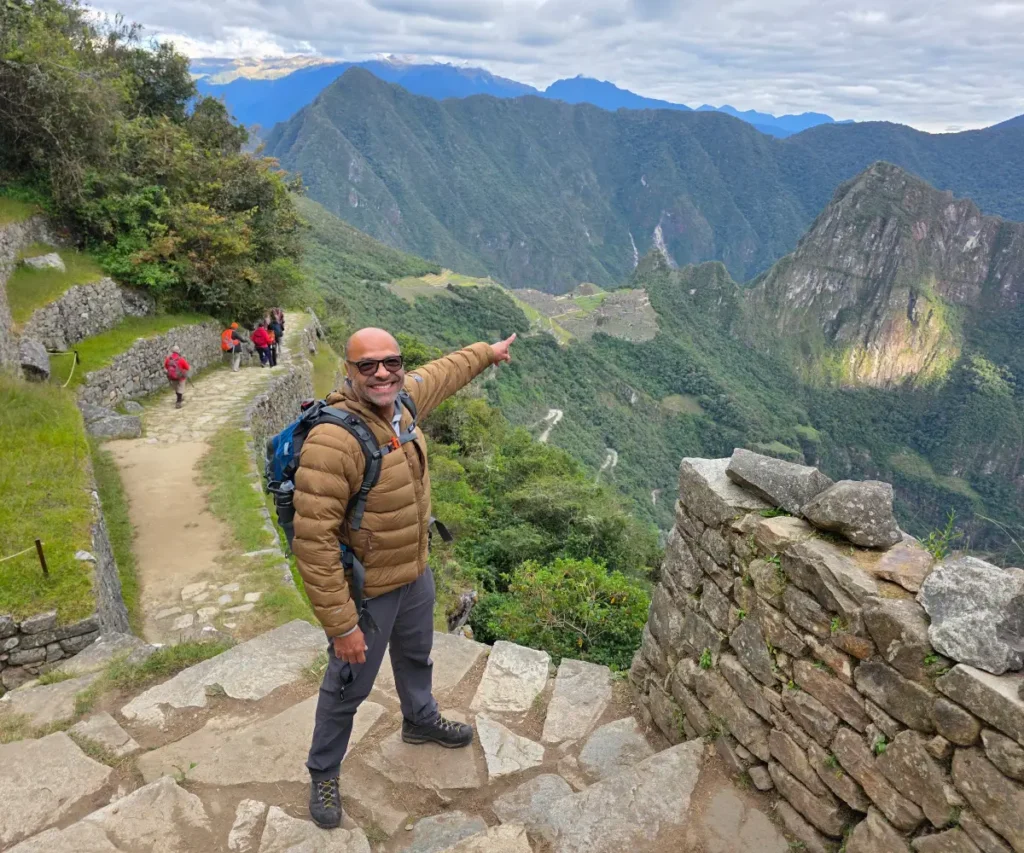
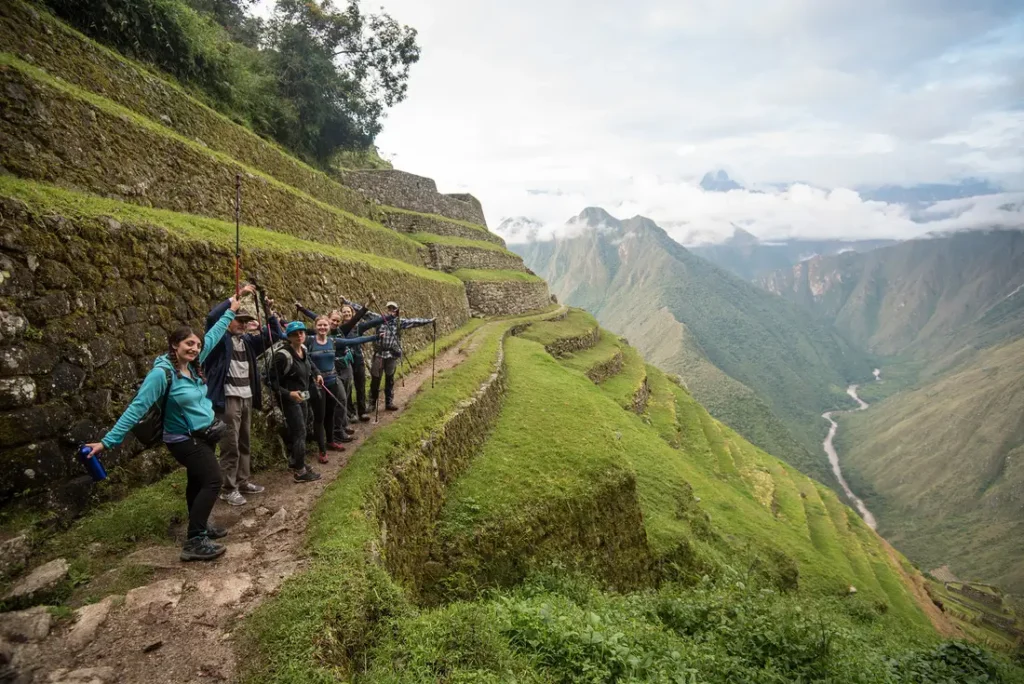
Unlike other rainy-season months, January has one important quirk: it’s the last full month before the classic route closes for maintenance for the entire month of February.
For the full picture of the annual calendar, including the February closure, check out our article on the best time for the Inca Trail.
Being a rainy-season month, January sees considerably lower permit demand than the dry months:
If flexibility is your priority and the possibility of rain doesn’t bother you, January is one of the easiest months of the year to secure last-minute permits.
Gear for January focuses less on extreme cold and more on staying dry and protected from the rain:
Since January combines low demand with the looming February closure, these recommendations will help you plan smart:
If after reading this you’d rather skip the rain altogether, there are alternatives with much more scheduling flexibility.
The Salkantay Trek (open year-round) remains a viable option even in January, though it also crosses through the rainy season; its advantage is that it doesn’t depend on limited permits, so you can adjust your departure date more freely based on the forecast. Check out all the details in our complete Salkantay guide.
You might also consider the Lares Trek combined with a short Inca Trail, which crosses traditional Andean communities before connecting to a short stretch of the classic Inca Trail on the way to Machu Picchu.
If avoiding rain entirely is your main goal, the simplest option is to shift your dates to the dry season (April–October), which you can explore in full in our guide to the best time for the Inca Trail.
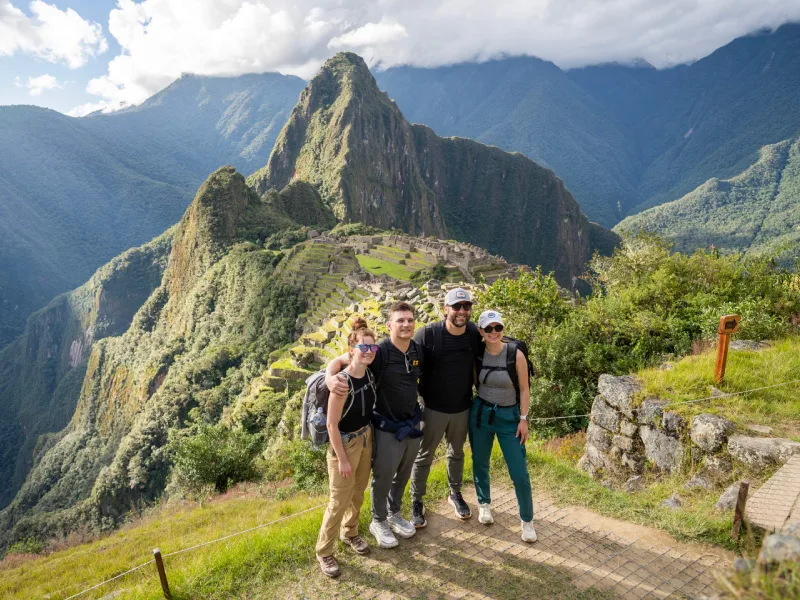
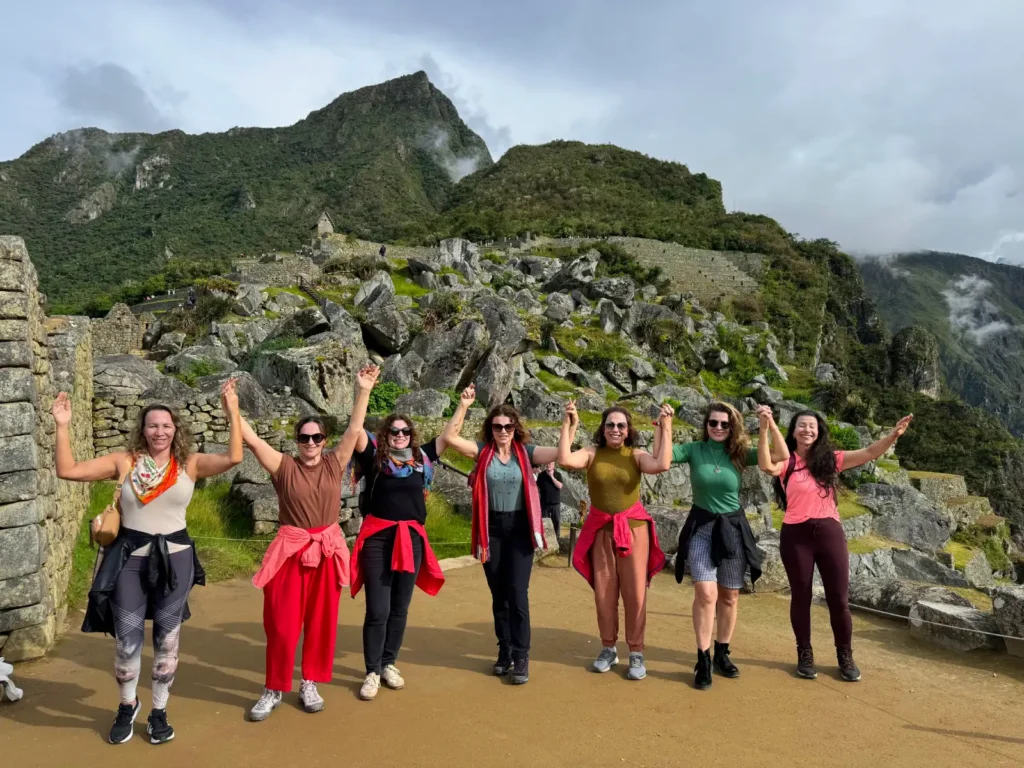
January is a month of contrasts: lush, striking landscapes, far fewer people on the trail, and lower rates, in exchange for frequent rain and the need to plan carefully around the February closure. If you don’t mind getting a little wet and value peace and quiet over perfect weather, January can be a memorable trip, and a very different experience from the rest of the year.
If you’d rather avoid the rain entirely, the dry season (April–October) remains the safest bet, and the Salkantay or Lares with short Inca Trail give you more flexible alternatives at any time of year.
Every traveler has different priorities, and choosing the best option depends on your tolerance for rain, your available dates, and your previous trekking experience. If you’d like personalized help planning your Inca Trail trip in January, contact us and we’ll help you secure your spot on the best dates before the February closure.
También te puede interesar
September marks the tail end of the dry season on the Inca Trail, and for many travelers it’s...
Leer articulo
August wraps up the busiest quarter of the year for the Inca Trail, alongside June and July. It’s...
Leer articulo
For many travelers, June is the quintessential month for the Inca Trail. It marks the height of the...
Leer articulo
May is, for many travelers and local guides, one of the most recommended months to hike the Inca...
Leer articulo
If you’re wondering how to prepare for the Inca Trail, the honest answer is this: you don’t need...
Leer articulo