8 min read
2 vistas
Salkantay Trek in July: Weather, Crowds & Booking
July is, without a doubt, one of the busiest months of the year to hike the Salkantay Trek,...
Leer articuloJune, along with July and August, is one of the three core months of the dry season in the Peruvian Andes, and also one of the most popular times of year to hike the Salkantay Trek. It also coincides with regional Fiestas Patrias celebrations and Inti Raymi in Cusco (June 24), making this month a peak point of tourist activity in the region. If you’re planning to walk to Machu Picchu via this alternative to the Inca Trail, June offers some of the clearest skies of the year, but also some of the coldest nights on the trek and fast-growing booking demand.
In this guide, we’ll give you an honest look at what to expect from the weather, the trail, and the logistics if you decide to do the Salkantay in June, so you can arrive well prepared.
June sits right in the heart of the dry season, which translates to predominantly sunny days with a very low chance of rain along the entire route. During the day, in the lower sections and around the town of Mollepata, temperatures usually range between 18-21°C (64-70°F), with high-altitude sun that can feel very intense at midday due to the reduced cloud cover filtering UV radiation.
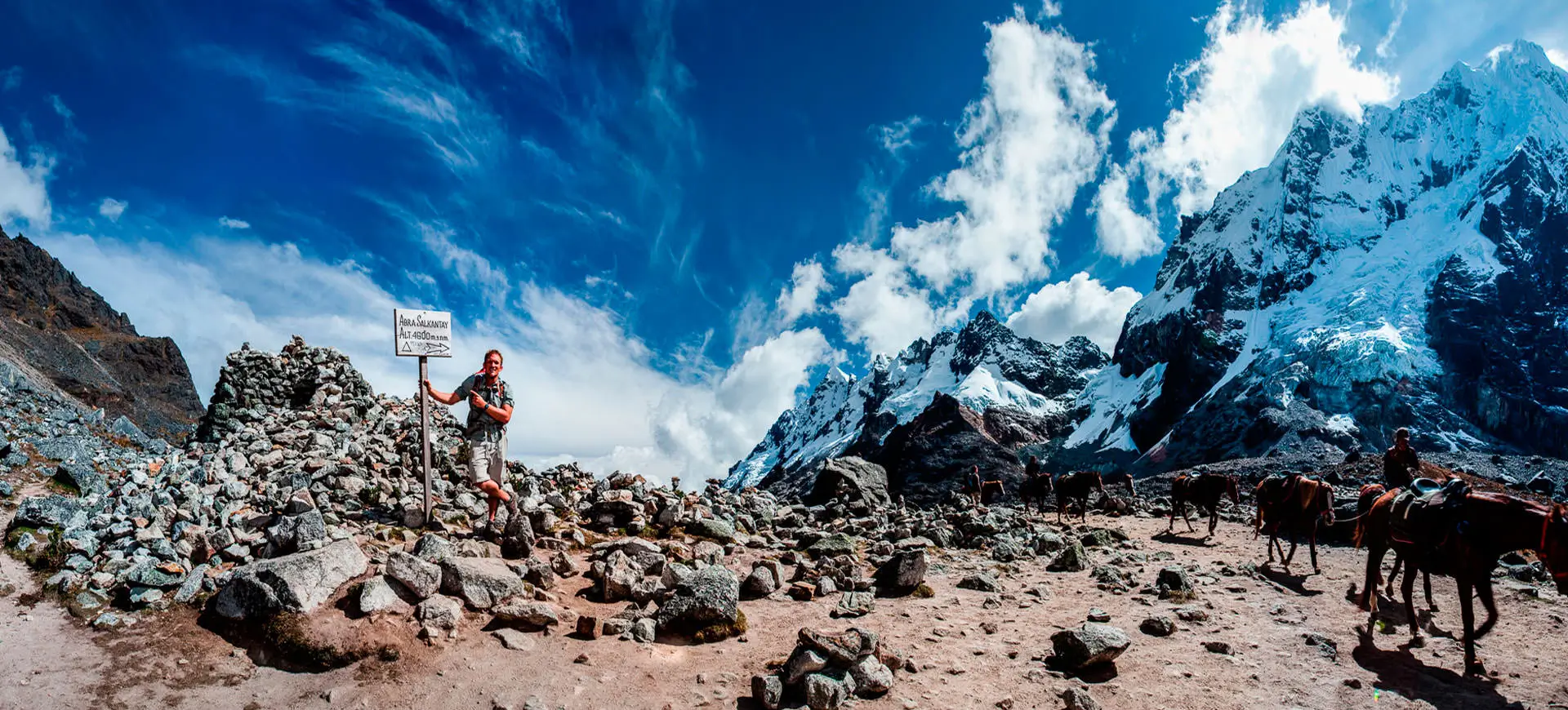
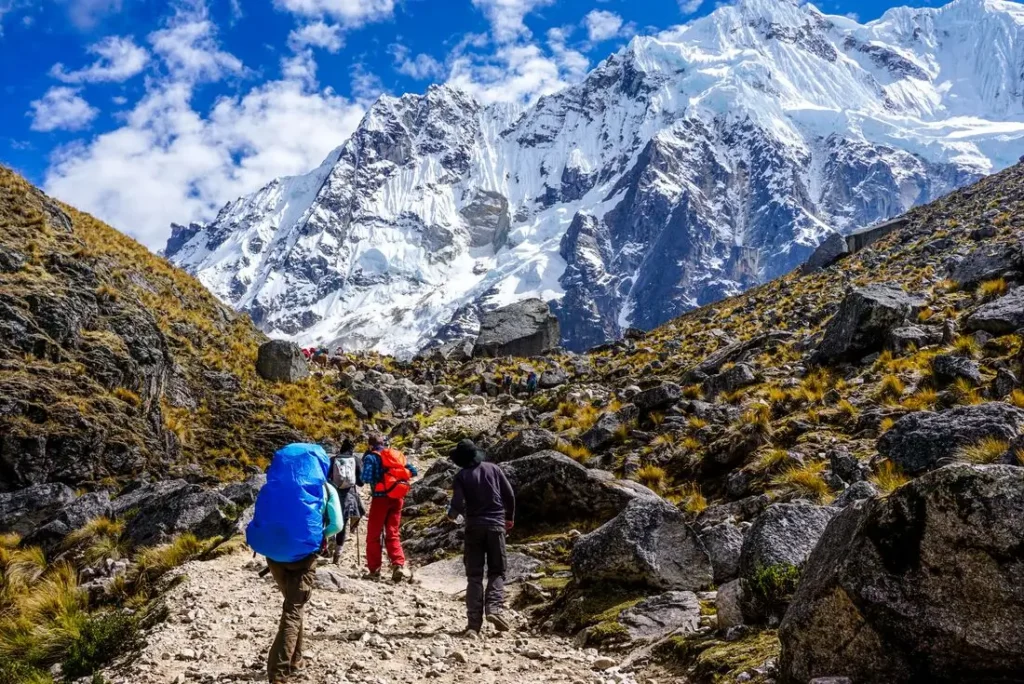
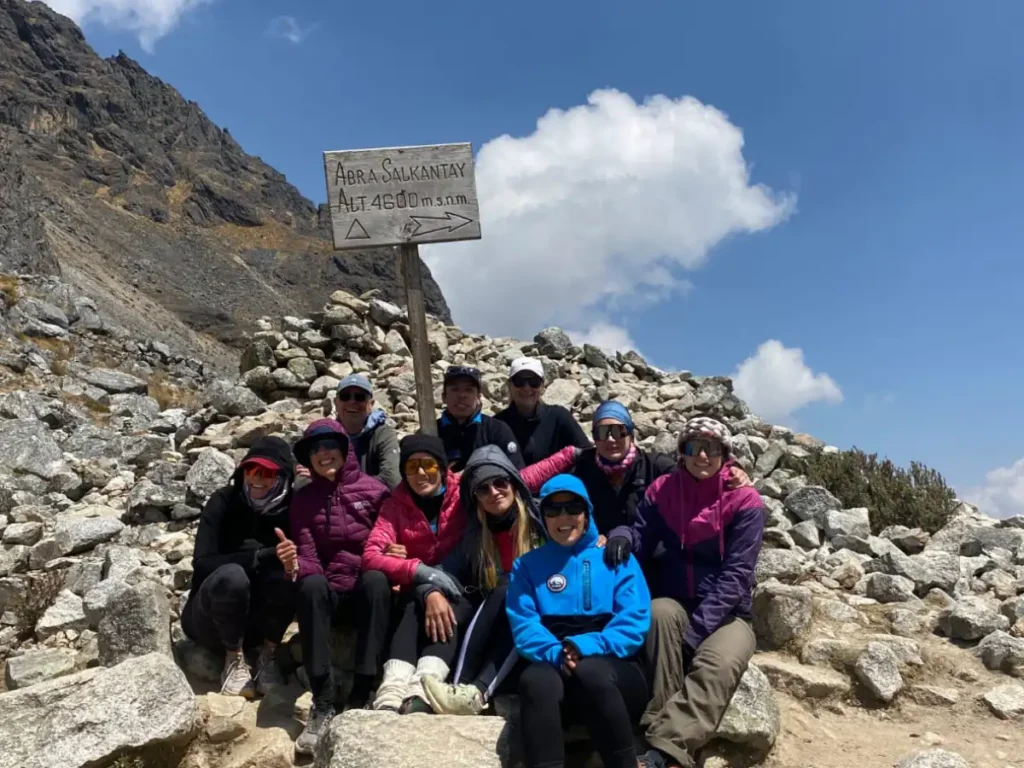
The contrast, however, is striking as you approach Salkantay Pass, the highest point of the route at 4,630 m (15,190 ft). June is, along with July, the month with the coldest nights of the entire year in this area: nighttime temperatures at the higher camps regularly drop below 0°C, and it’s not unusual to see readings between -10°C and -15°C (14°F to 5°F) on the harshest nights, especially at camps near the pass or in Salkantaypampa. This is precisely because of the near-total absence of cloud cover: with no clouds to trap the day’s heat, the ground cools much faster once the sun sets.
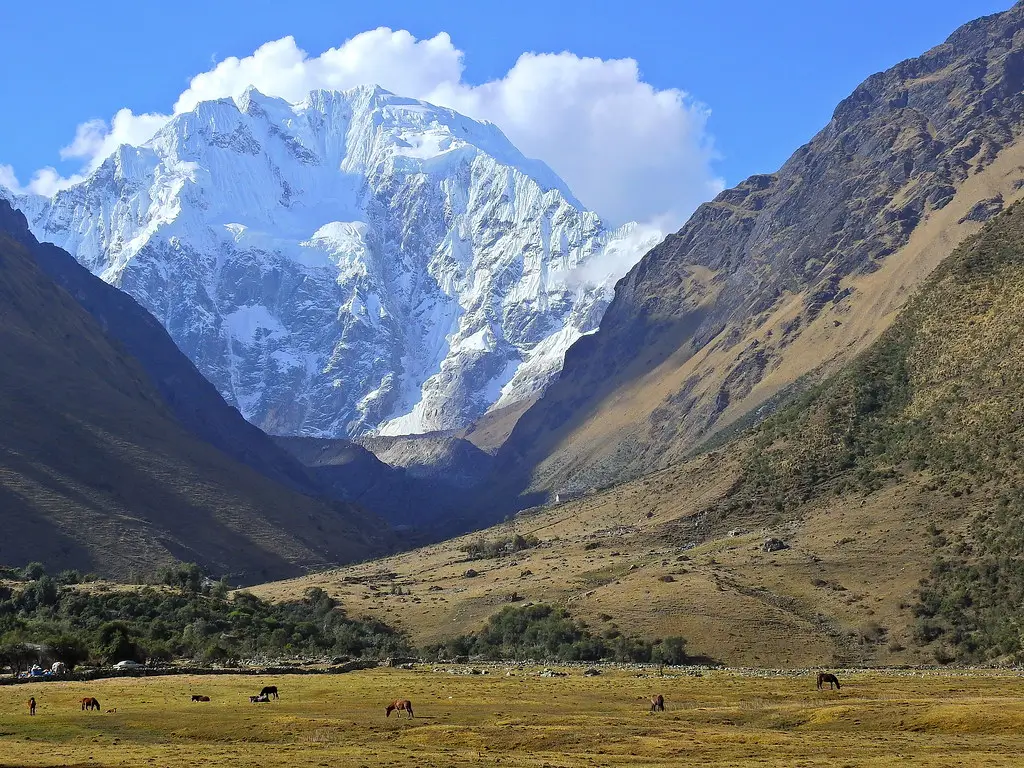
During the day, on the other hand, the dryness of the air and the clear skies make June likely the month with the best visibility of the entire year for admiring Salkantay Mountain (6,271 m / 20,574 ft) and the rest of the range. Completely clear views of the glacier are common, something much harder to come by during the rainy season.
Given this sharp temperature contrast between day and night, prior acclimatization is even more important in June. We recommend checking our Salkantay acclimatization guide before starting the trek, especially if you’re coming from lower elevations and arriving directly in Cusco (3,400 m / 11,152 ft).
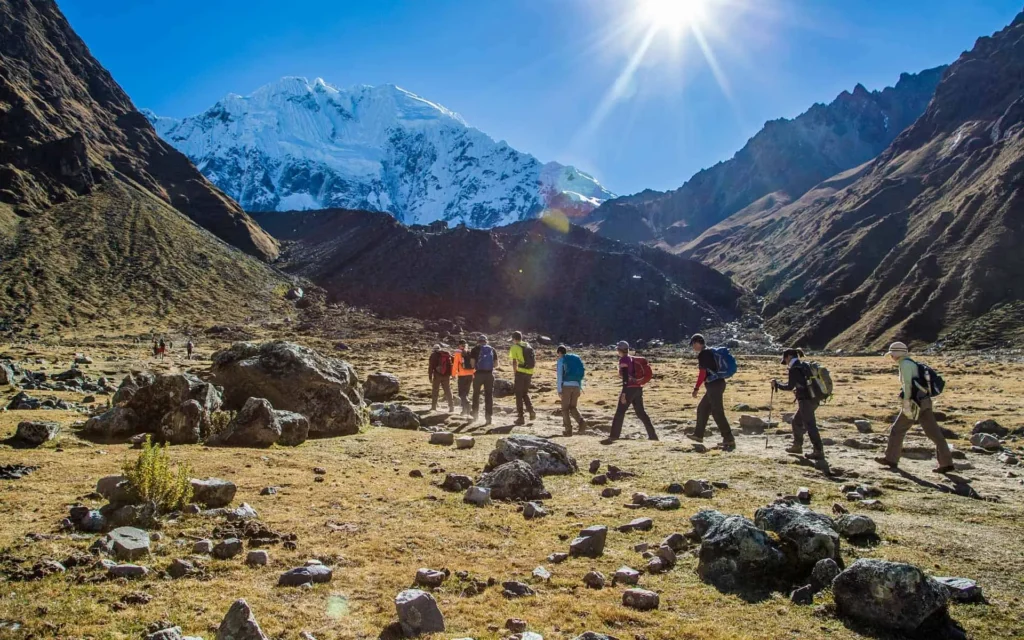
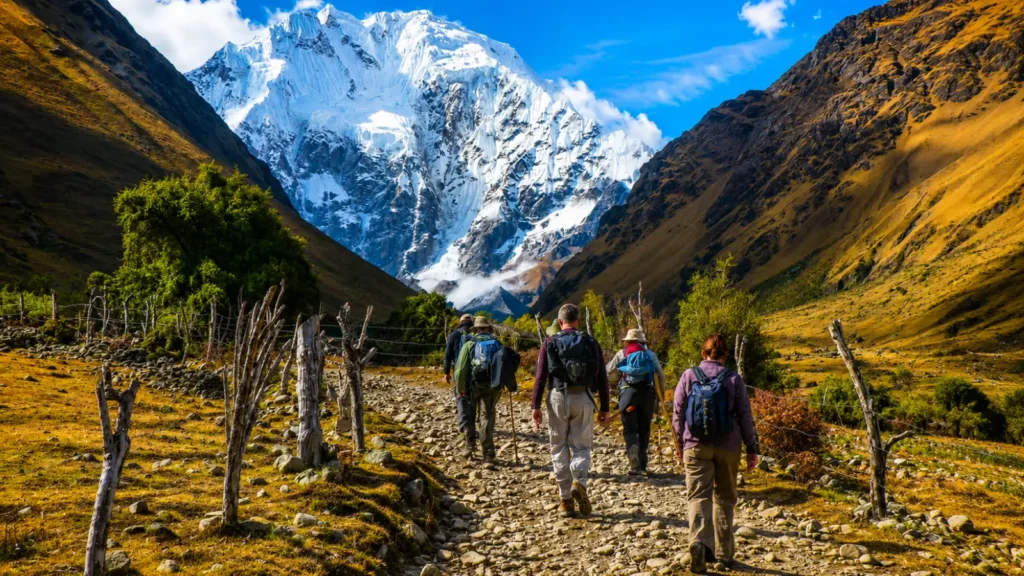
The trail in June is in optimal condition: dry, firm, and free of the muddy stretches you might find in transition months like April or November. This makes the hike technically easier in terms of footing, although altitude and cold remain the main physical challenges.
Humantay Lake, at 4,200 m (13,780 ft), hits one of its best moments of the year for photography in June: the turquoise water contrasts almost perfectly with the clear sky and the Humantay glacier in the background, without the low clouds that in other months can partially block the view. It’s without a doubt one of the best months to visit, whether as a day trip from Cusco or as part of the full 5-day trek.
As for the overall scenery, June marks a point where the greenery of the rainy season gradually begins to fade. The valleys still retain some green, but the vegetation starts taking on drier, more golden tones as the month progresses, a shift that becomes even more pronounced in July and August.
At Salkantay Pass, the odds of a completely clear view of the mountain are among the highest of the year in June. The cost of that clarity, as mentioned, is intense cold: the wind at the top of the pass, combined with low temperatures, makes this one of the most demanding sections of the trek in terms of thermal comfort, although the visual payoff is usually worth it.
June also has its demanding side, and it’s important to know it before booking:
Here’s a detail worth keeping in mind before you book: the Salkantay Trek does not require government-issued permits, unlike the classic Inca Trail, which has a fixed daily quota of 500 people (including staff) regulated by the Peruvian government. In theory, this gives the Salkantay greater booking flexibility compared to its more famous rival.
However, June is, along with July and August, one of the highest-demand months of the year for the Salkantay. The combination of dry season, Northern Hemisphere summer vacations, and the Inti Raymi celebrations means that spots with the best operators, the best-located campsites, and the most convenient departure times fill up quickly, sometimes weeks in advance.
If you’re planning to do the Salkantay in June, we recommend booking at least 6 to 8 weeks in advance, especially if your trip coincides with the last week of the month due to Inti Raymi. You can check all the logistical details in our complete Salkantay Trek guide, and if you’re still unsure whether June is your best option, take a look at our comparison of the best time for the Salkantay Trek.
June’s weather — sunny days but freezing nights — calls for well-thought-out gear:
Yes, absolutely: June is one of the best months of the year to hike the Salkantay Trek if your priority is clear skies and spectacular views of the mountain and Humantay Lake. The near-total absence of rain and excellent visibility make it an ideal month for photography and for enjoying the Andean landscape at its finest.
The price of that clear weather is genuinely cold nights at the pass, which call for quality gear and serious acclimatization, along with high booking demand due to overlapping with Inti Raymi and winter vacations. If you prepare well for the cold and book far enough in advance, June can offer you one of the best possible versions of this trek.
Ready to experience it for yourself? Book your Salkantay trek in June with our 5-day Salkantay Trek to Machu Picchu, or if you have questions about dates, cold-weather gear, or difficulty level, contact us and we’ll help you plan the perfect trek for you.
También te puede interesar
July is, without a doubt, one of the busiest months of the year to hike the Salkantay Trek,...
Leer articulo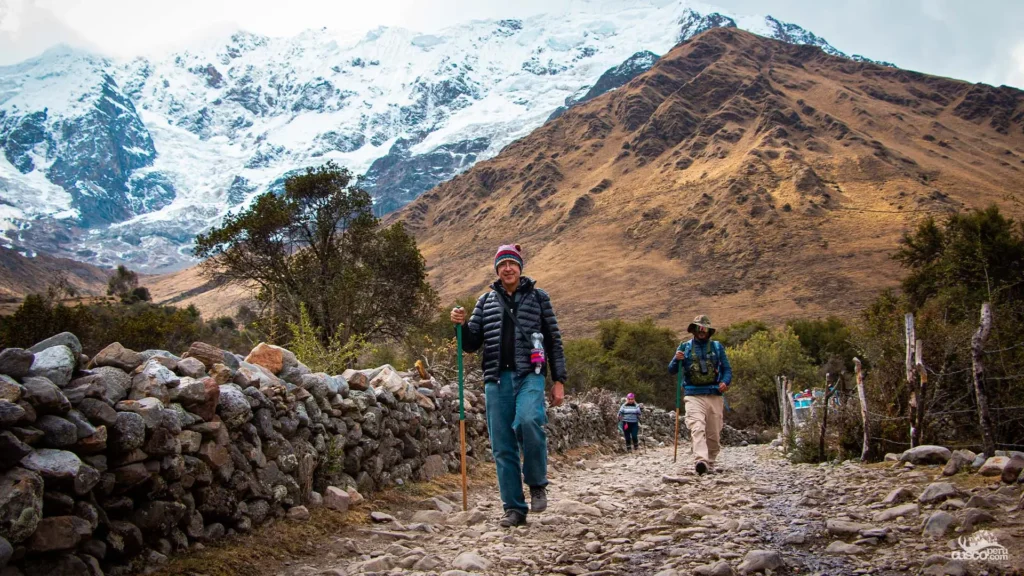
For many experienced guides and travelers, May is the sweet spot for hiking the Salkantay Trek. That’s no...
Leer articulo
January sits right in the heart of the rainy season in the Peruvian Andes, making it one of...
Leer articulo
September marks the tail end of the dry season on the Inca Trail, and for many travelers it’s...
Leer articulo
Una de las primeras preguntas que surge al planificar un viaje a este país es, precisamente, cuántos días...
Leer articulo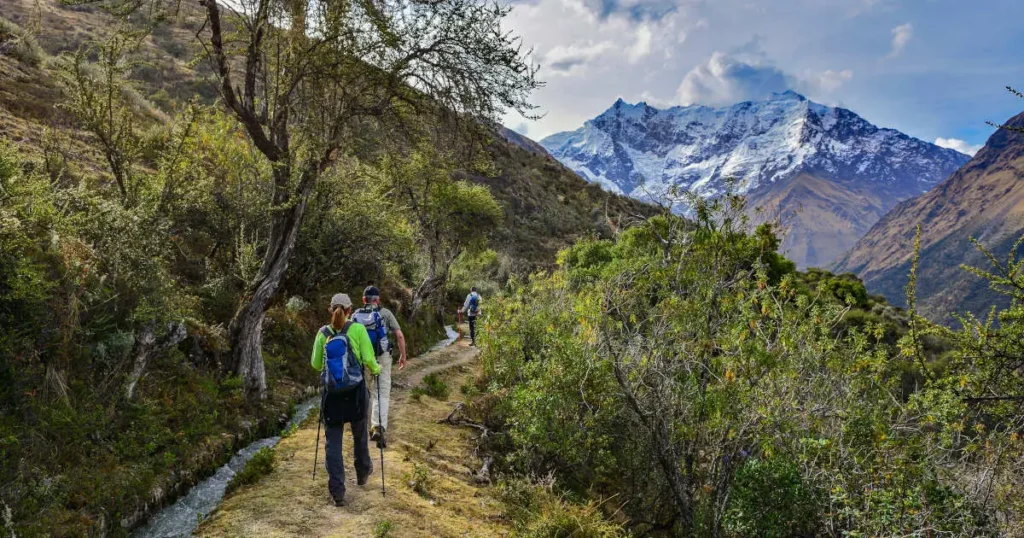
Choosing the best time for the Salkantay Trek is one of the most important decisions before setting out...
Leer articulo
Knowing how to get to Machu Picchu from Cusco is one of the most important steps when planning...
Leer articulo
Hello, bloggers. Visiting Rainbow Mountain from Cusco is one of the most popular day trips for travelers arriving...
Leer articulo