9 min read
52 vistas
How Many Days Do You Need in Cusco
This is probably one of the most common questions among those starting to plan their trip to Peru:...
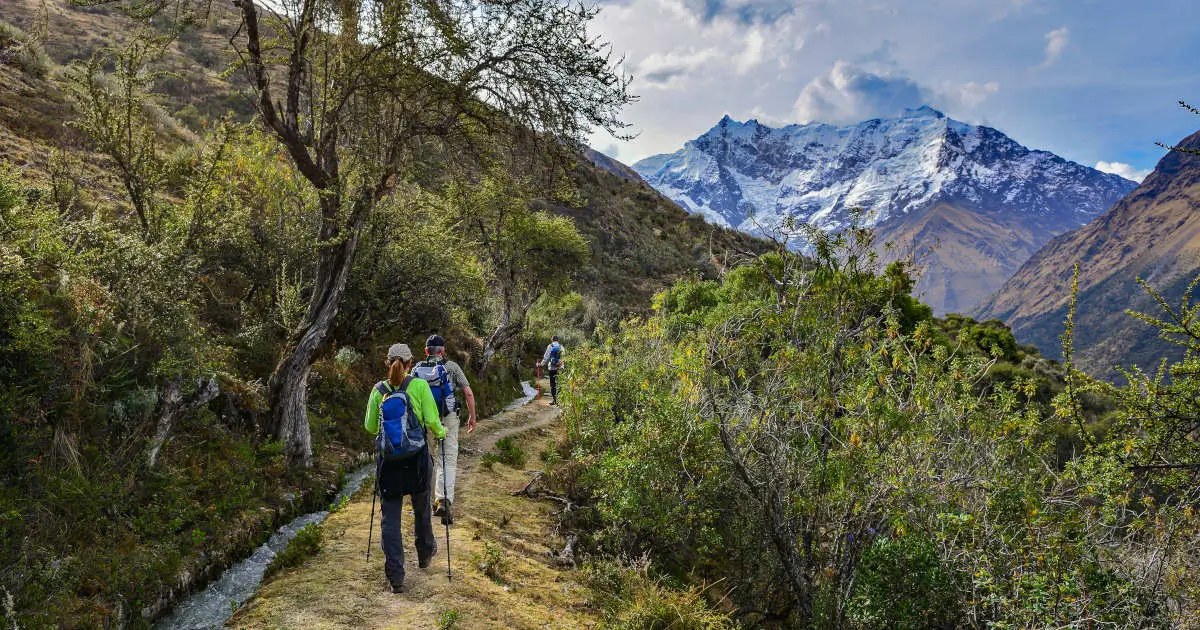
Leer articuloChoosing the best time for the Salkantay Trek is one of the most important decisions before setting out on this adventure through the Peruvian Andes. Weather along the route can vary dramatically depending on altitude — from warm valleys to the imposing Salkantay Pass at over 4,600 meters — so knowing when to do the Salkantay Trek can make the difference between an unforgettable experience and a difficult journey through rain, extreme cold, or muddy trails.
In this guide, we break down the Salkantay weather month by month, explain which is the best month Salkantay for your specific goals (photography, fewer crowds, budget), and cover what you should consider before booking. If you’d like more detail on the full route, check out our complete Salkantay guide.
The dry season, running from April to October, is widely considered by guides and travelers alike to be the best time for the Salkantay Trek. During these months, chances of rain drop significantly, skies tend to stay clearer, and trails remain in better condition — making trekking easier, especially through the high-altitude sections.
June through August marks the peak of the dry season, coinciding with the Andean winter. While daytime temperatures can feel pleasant thanks to intense sun exposure, nights — particularly at high-altitude camps like Soraypampa — can drop well below freezing. That’s why, even during the dry season, proper thermal clothing is essential.
Advantages of traveling during the dry season:
If your priority is stable weather and spectacular scenery, April, May, September, and October are excellent alternatives: they retain the benefits of the dry season while seeing far fewer tourists than the July–August rush.
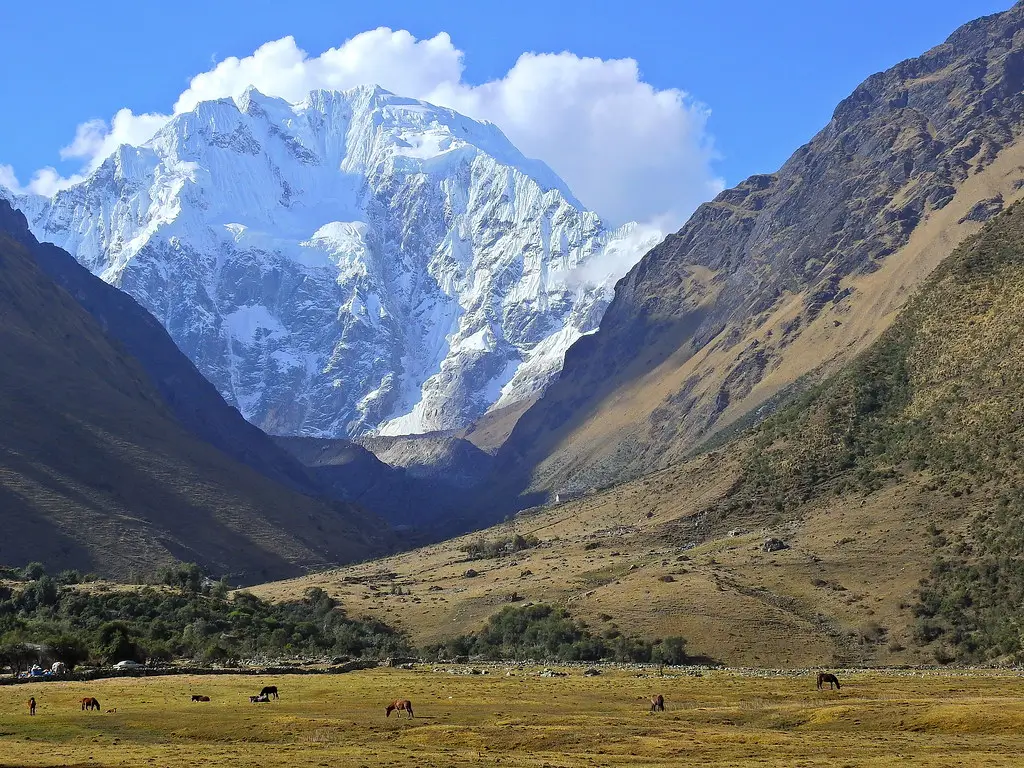
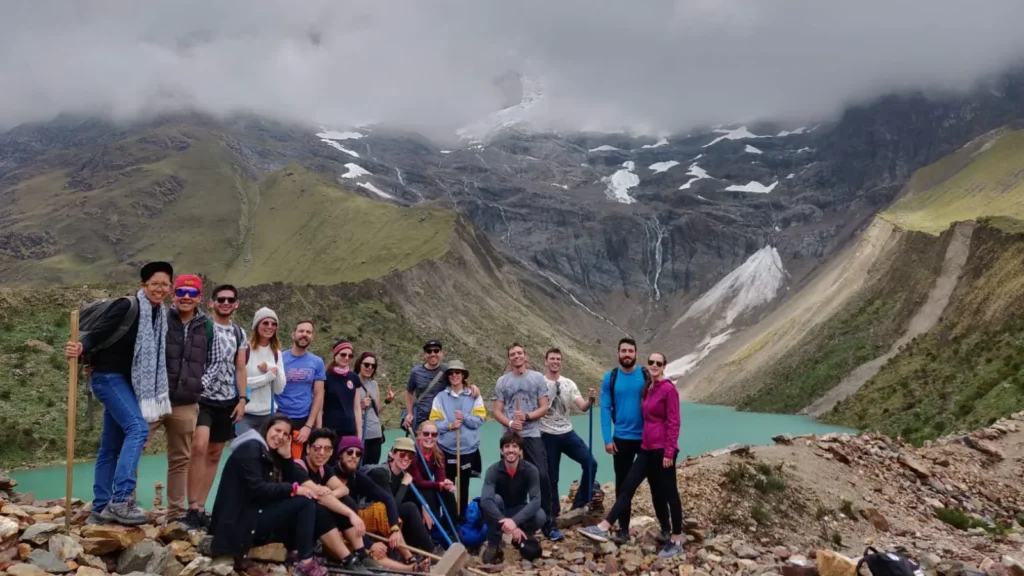
The rainy season on the Salkantay Trek runs mainly from November to March, with the heaviest precipitation between December and March. This period coincides with the southern hemisphere’s summer, and while daytime temperatures can be warmer, rainfall is frequent, especially in the afternoons.
Trekking during this time comes with a few challenges:
That said, the rainy season isn’t synonymous with a bad trip. Many trekkers choose these months precisely because the landscapes turn lush and green, the trail sees fewer travelers, and accommodation and tour prices tend to be more affordable. To better understand how climate patterns differ across regions of the country, take a look at our guide on the dry and rainy season in Peru, since weather behavior varies significantly by geographic zone.
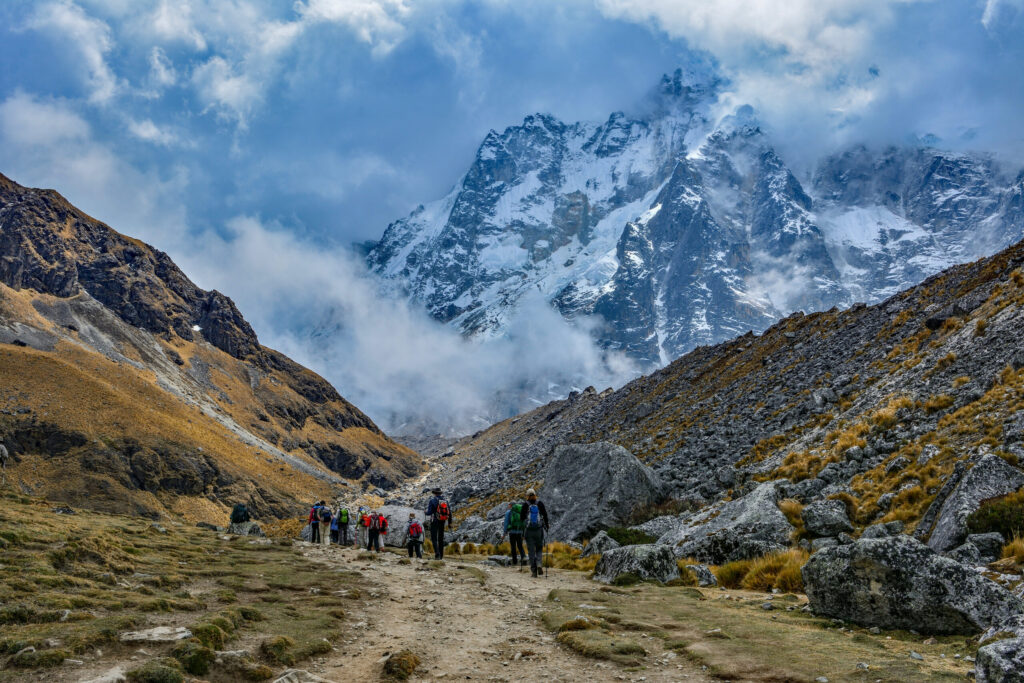
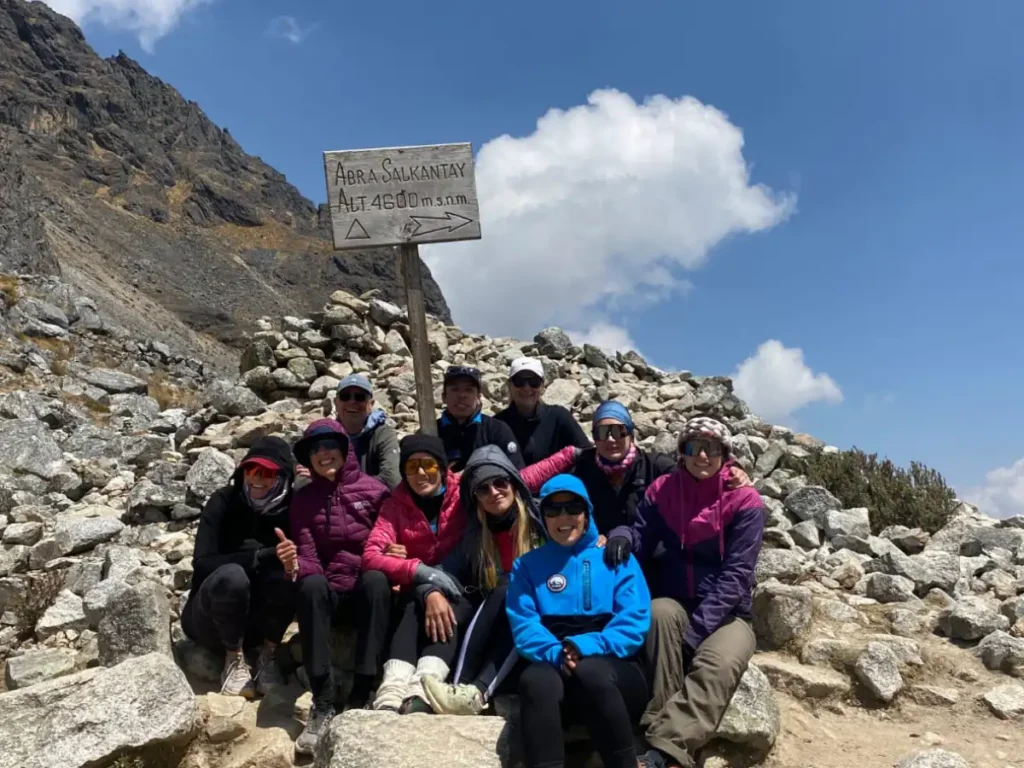
The route’s highest point, the Salkantay Pass (approximately 4,630 m / 15,190 ft), has its own microclimate that can differ sharply from the rest of the trail. Due to the altitude, sub-zero temperatures in the early morning are common regardless of the season.
A few key points about weather at the pass:
No matter which month you choose, it’s recommended to pack layered thermal clothing, a windbreaker, gloves, and a warm hat, and to start the climb toward the pass in the early morning hours, when conditions tend to be more stable.
To help you decide when to do the Salkantay Trek, here’s a general breakdown of seasonal weather patterns:
Overall, the best month Salkantay for most travelers tends to fall between May and September, though each season offers its own advantages depending on your priorities.
If you’re after a quieter experience, away from large groups of trekkers, it’s best to avoid July and August, which coincide with northern hemisphere summer vacations and local festivities like Inti Raymi in Cusco.
The best alternatives for avoiding crowds without giving up too much on weather quality are:
These months tend to offer an ideal balance of favorable weather conditions, less crowded trails, and better rates on accommodations and tourism services.
There’s no single universal “best time” for the Salkantay Trek — the ideal choice depends on your priorities. If you’re after stable weather and clear views, the dry season (April to October) is your best bet, with May and September standing out as the most balanced months. If you prefer lush green scenery, fewer tourists, and more budget-friendly prices, the rainy season can also be a great option, as long as you’re prepared with the right gear.
Keep in mind that, regardless of the month you choose, the Salkantay Trek 5 days requires solid physical preparation, proper acclimatization, and gear suited for mountain conditions. Careful planning will let you make the most of this route, widely regarded as one of the best treks in the world.
Ready to experience this adventure at the perfect time for you? Book your Salkantay on the best dates and let our team help you plan every detail of your trip.
También te puede interesar
This is probably one of the most common questions among those starting to plan their trip to Peru:...
Leer articulo
If you’re planning your visit to Cusco, you’ve likely come across the term “Tourist Ticket” more than once....
Leer articulo
Just a few minutes from Cusco’s Plaza de Armas, on the hills overlooking the city from above, sits...
Leer articulo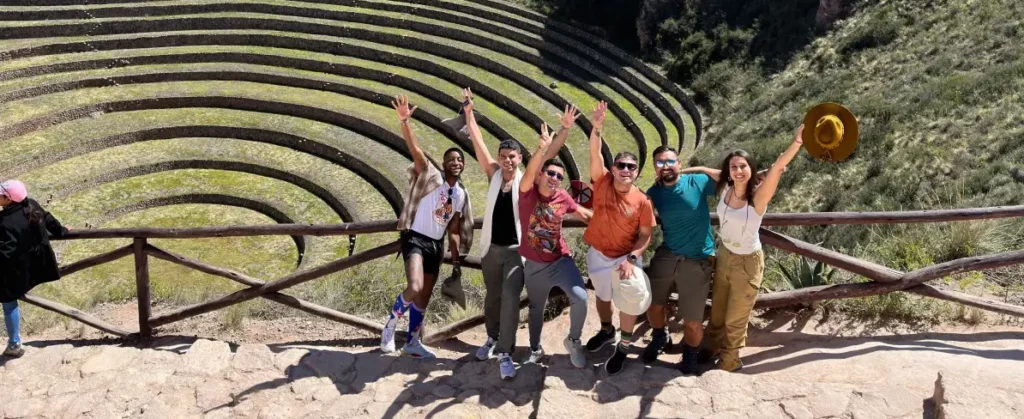
In the Sacred Valley of the Incas, just a short distance from one another, sit two of the...
Leer articulo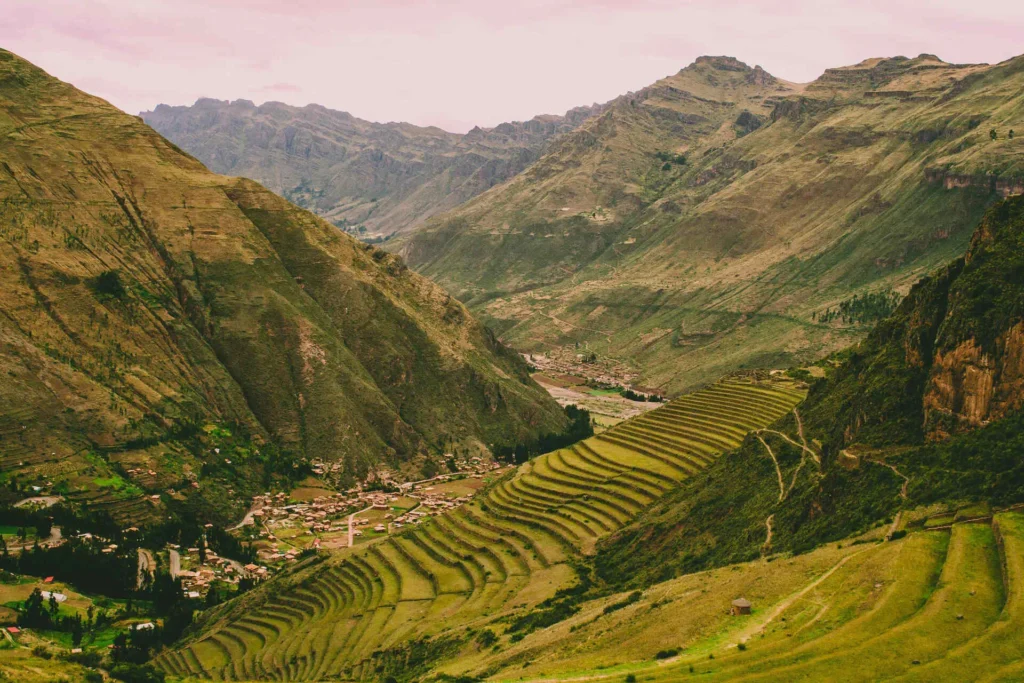
Pisac is one of those Sacred Valley destinations that manages to combine, in a single day’s visit, two...
Leer articulo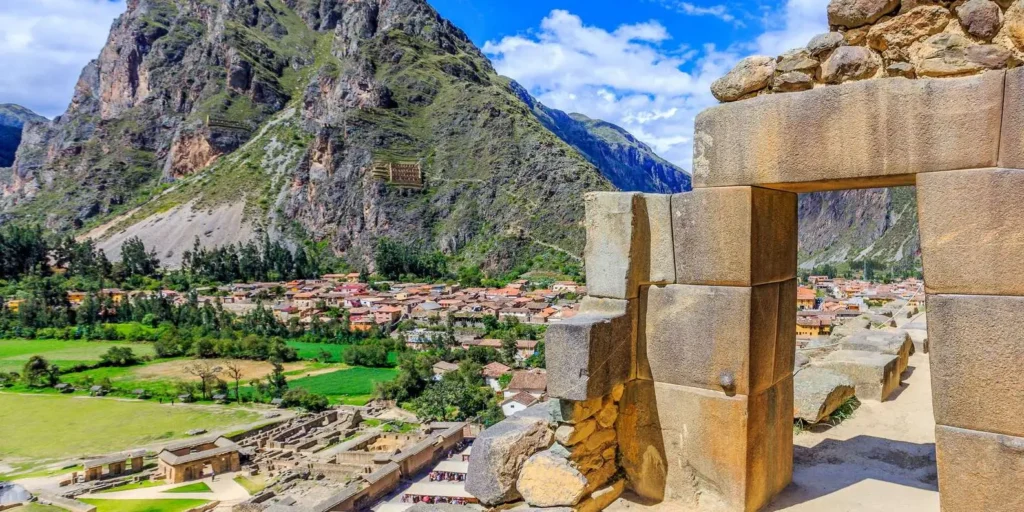
Ollantaytambo is, arguably, the most special town in the entire Sacred Valley of the Incas. Unlike other archaeological...
Leer articulo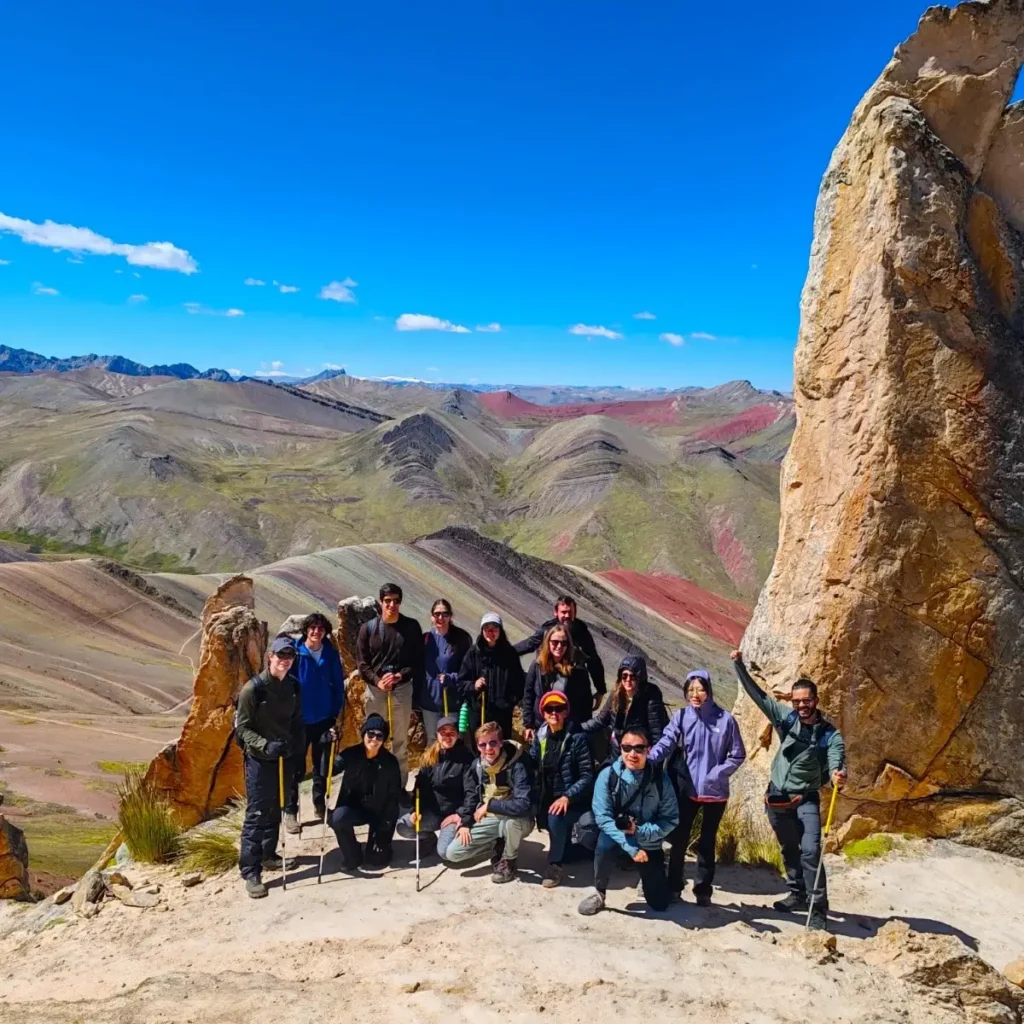
If you’ve been researching the famous rainbow mountains near Cusco, you’ve probably already come across Vinicunca, the Rainbow...
Leer articulo
If you’ve already secured your Machu Picchu ticket and are thinking about adding an extra hike up one...
Leer articulo