8 min read
1 vistas
Salkantay Trek in July: Weather, Crowds & Booking
July is, without a doubt, one of the busiest months of the year to hike the Salkantay Trek,...
Leer articuloFor many experienced guides and travelers, May is the sweet spot for hiking the Salkantay Trek. That’s no accident — it marks the transition between the rainy season and the dry season, meaning you can still enjoy the lush, green landscapes left behind by the Andean summer, while skies grow progressively clearer and the odds of rain drop. If you’re weighing when to walk to Machu Picchu via this alternative to the Inca Trail, May consistently ranks among the top recommendations, alongside April and September.
In this guide, we’ll give you an honest look at what to expect from the weather and the trail if you decide to do the Salkantay in May, plus the practical details you need to book with confidence.
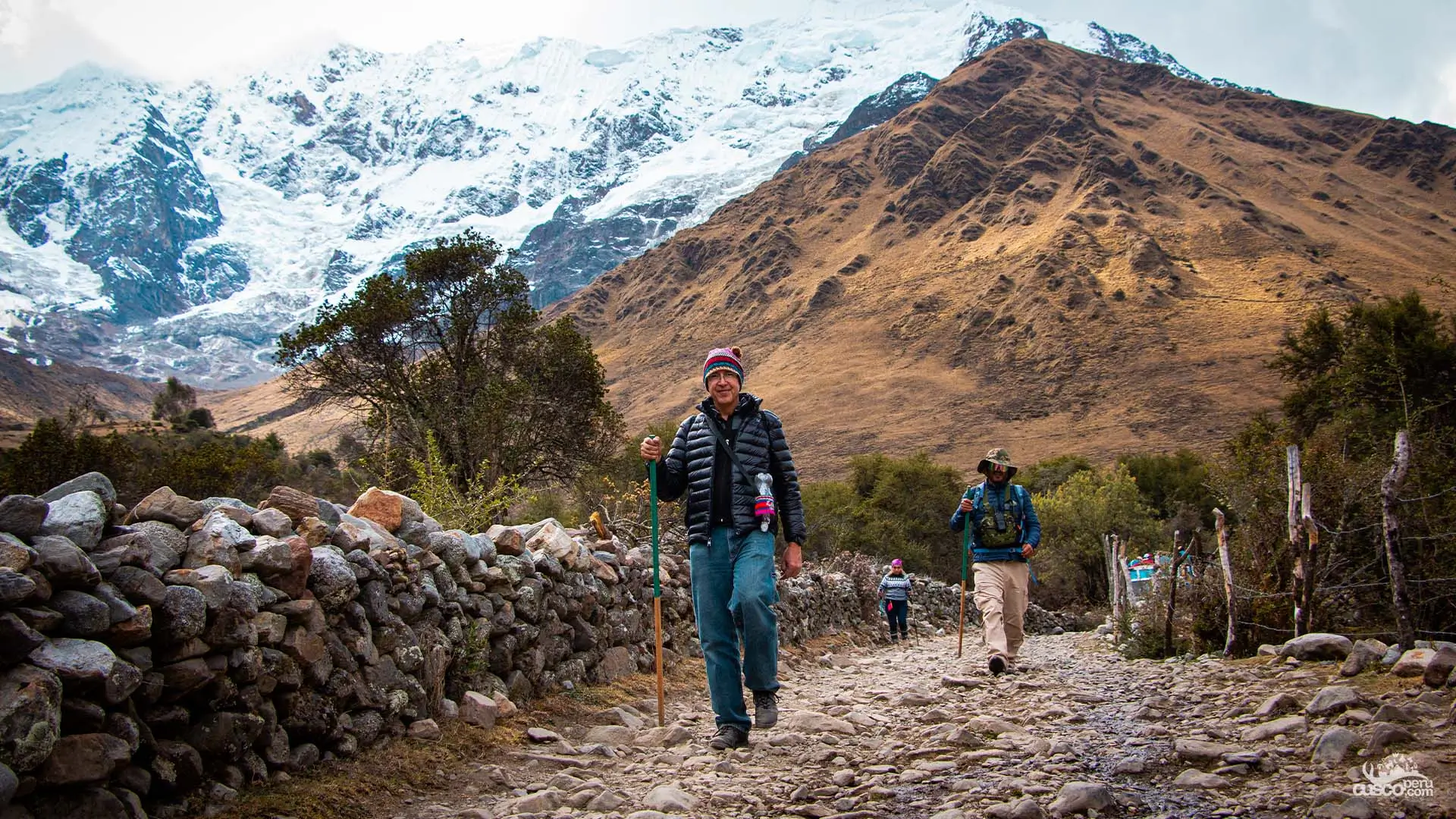
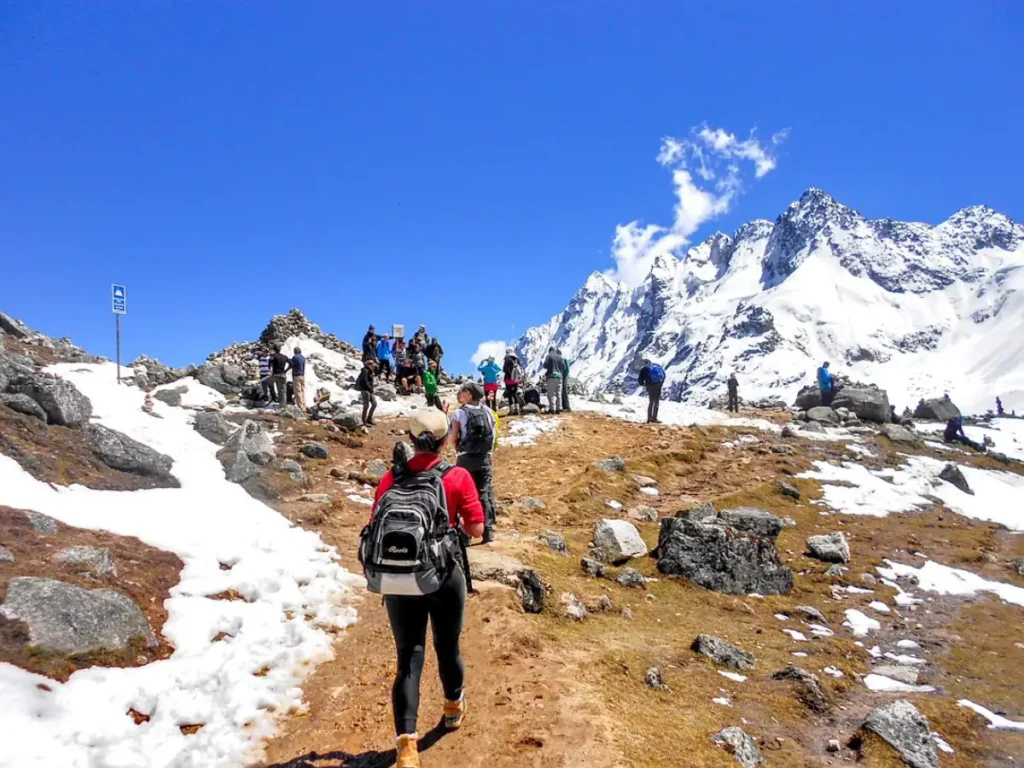
May marks the official start of the dry season in the Peruvian Andes, though “dry” shouldn’t be confused with “warm.” During the day, temperatures in the lower sections and around the town of Mollepata usually hover around 18-20°C (64-68°F), with intense sun that burns quickly at altitude. As you approach Salkantay Pass (the highest point of the trek, at 4,630 m / 15,190 ft), though, the thermometer shifts dramatically: daytime temperatures can drop to 5-8°C (41-46°F), and at night, especially at the higher camps, it’s common for temperatures to fall below freezing, sometimes reaching -5°C to -10°C (23°F to 14°F) on the coldest nights.
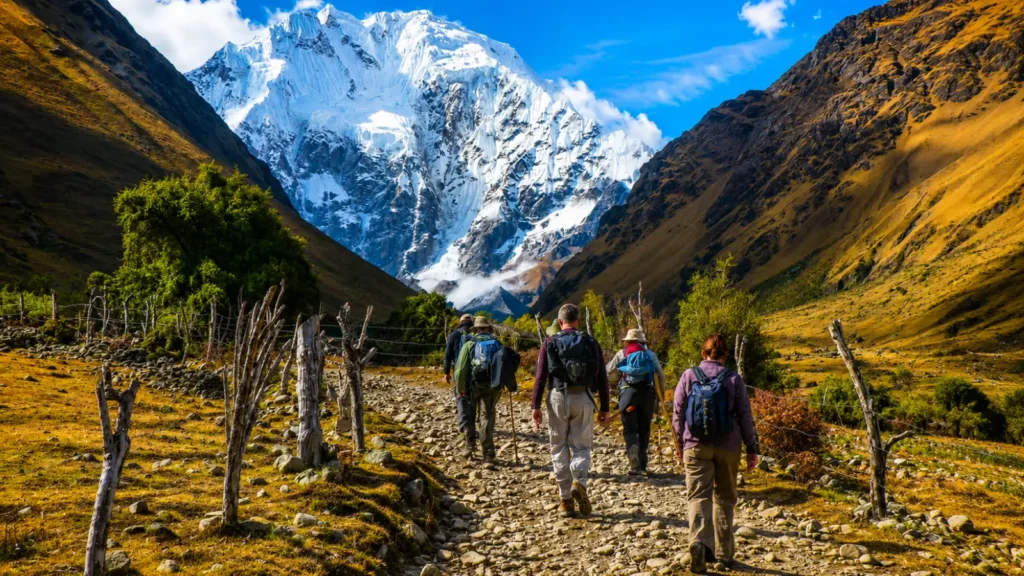
The good news is that rainfall drops considerably compared to March and April. That said, isolated drizzle isn’t unusual, particularly in the early morning or late afternoon, since May still carries some residual humidity from the wet season. Visibility, overall, tends to be good to very good, increasing your chances of seeing Salkantay Mountain (6,271 m / 20,574 ft) clear of clouds — one of the trek’s biggest visual highlights.
One key point: altitude matters just as much as, if not more than, weather when it comes to how you’ll feel on the trail. Before heading out, we recommend checking our Salkantay acclimatization guide, especially if you’re arriving in Cusco (3,400 m / 11,152 ft) directly from lower elevations.
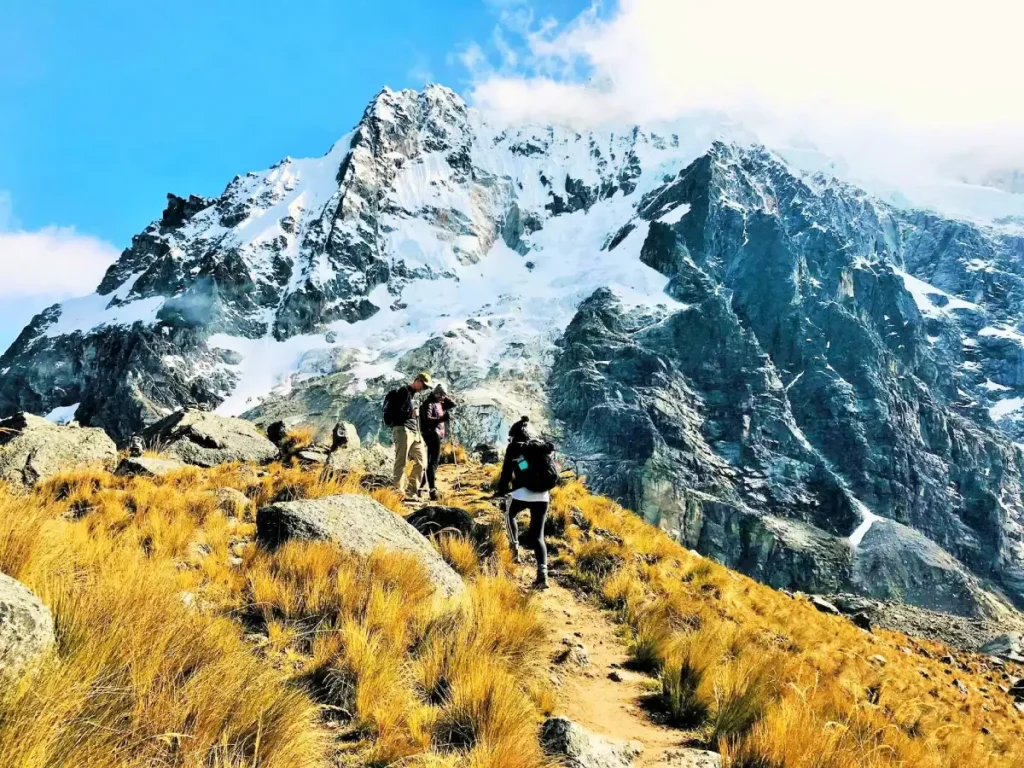
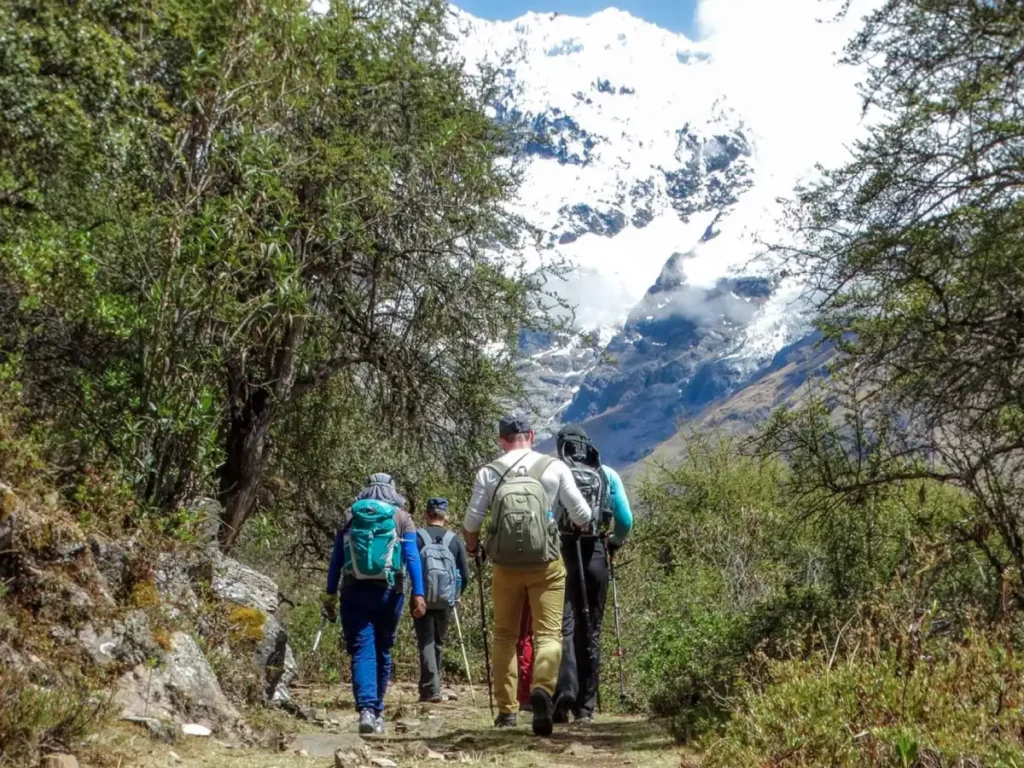
In May, the trail is usually in great shape: the dirt paths that can be muddy or slippery in March or April have largely dried out, making the trek more comfortable — especially on the descents toward the higher jungle sections.
Humantay Lake, the famous turquoise lagoon at 4,200 m (13,780 ft) that many visit as a day trip or as part of the 5-day trek, looks especially spectacular in May. With less cloud cover than during the rainy months, the contrast between the turquoise water, the Humantay glacier, and clear skies tends to be sharper in photos. That said, the hike up to the lake remains demanding due to the altitude, so don’t underestimate the effort just because the weather is on your side.
The overall scenery in May still retains much of the greenery typical of the rainy season: green valleys, streams running full, and lush vegetation contrasting against the snow-capped peaks. From June and July onward, that greenery starts giving way to drier, golden tones, which makes May something of a “sweet spot” visually between both seasons.
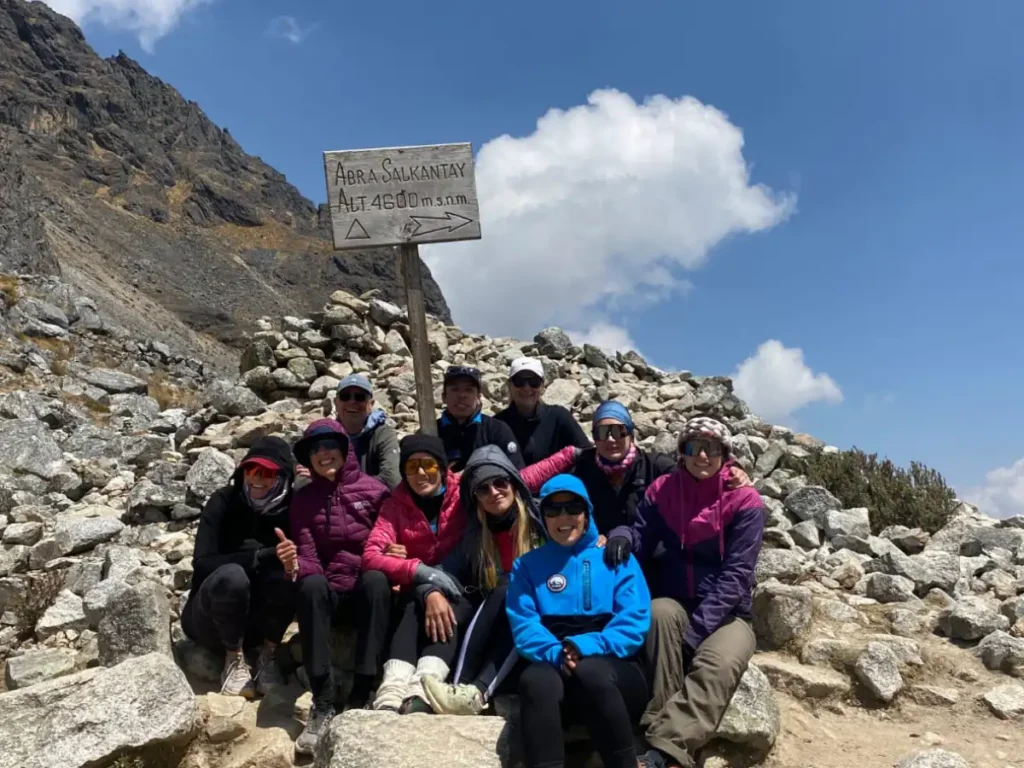
At Salkantay Pass, the trek’s highest point, chances of a clear view of the mountain are reasonably good in May, though winds can be strong and cold, so it’s essential to bring the right gear (full packing list below).
No month is perfect, and May has its own challenges worth knowing before you book:
Here’s an important detail many travelers don’t know: unlike the classic Inca Trail, the Salkantay Trek does not require government-issued permits. This means there’s no fixed daily quota set by the Peruvian government, unlike the Inca Trail (capped at 500 people per day, including staff). In theory, this gives anyone booking the Salkantay much more flexibility, even on short notice.
In practice, though, the high season — running from May to September — still generates strong demand for spots with tour operators, the best-located campsites, and quality services (good guides, well-maintained camping equipment, experienced muleteers/arrieros). May, as the kickoff month of this high season, already starts to see that uptick in bookings, especially in the second half of the month.
If you want to lock in specific dates, good departure times, and avoid missing out on smaller group sizes (which tend to offer a better experience), we recommend booking at least 4 to 6 weeks in advance. You can check all the operational and logistical details in our complete Salkantay Trek guide, and if you’re still deciding between May and other months, our guide to the best time for the Salkantay Trek can help.
For a May trek, with its mix of sunny days and freezing nights, the right gear makes the difference between enjoying the experience and just enduring it:
Yes, absolutely: May is one of the most recommendable months of the year for hiking the Salkantay Trek. It combines the best of both worlds — green landscapes typical of the rainy season and clear skies typical of the dry season — with a considerably reduced chance of rain compared to March or April. And if you’d rather avoid the peak crowds of June through August, May (especially the first half of the month) is a smart choice.
That said, don’t go unprepared: the altitude and nighttime cold are real, and they call for the right gear and solid prior acclimatization. And although the Salkantay doesn’t have the Inca Trail’s limited permit system, high season still means strong demand for spots with good operators, so don’t leave your booking until the last minute.
Ready to experience it for yourself? Book your Salkantay trek in May with our 5-day Salkantay Trek to Machu Picchu, or if you have questions about dates, gear, or difficulty level, contact us and we’ll help you plan the perfect trek for you.
También te puede interesar
July is, without a doubt, one of the busiest months of the year to hike the Salkantay Trek,...
Leer articulo
June, along with July and August, is one of the three core months of the dry season in...
Leer articulo
January sits right in the heart of the rainy season in the Peruvian Andes, making it one of...
Leer articulo
September marks the tail end of the dry season on the Inca Trail, and for many travelers it’s...
Leer articulo
Una de las primeras preguntas que surge al planificar un viaje a este país es, precisamente, cuántos días...
Leer articulo
Choosing the best time for the Salkantay Trek is one of the most important decisions before setting out...
Leer articulo
Knowing how to get to Machu Picchu from Cusco is one of the most important steps when planning...
Leer articulo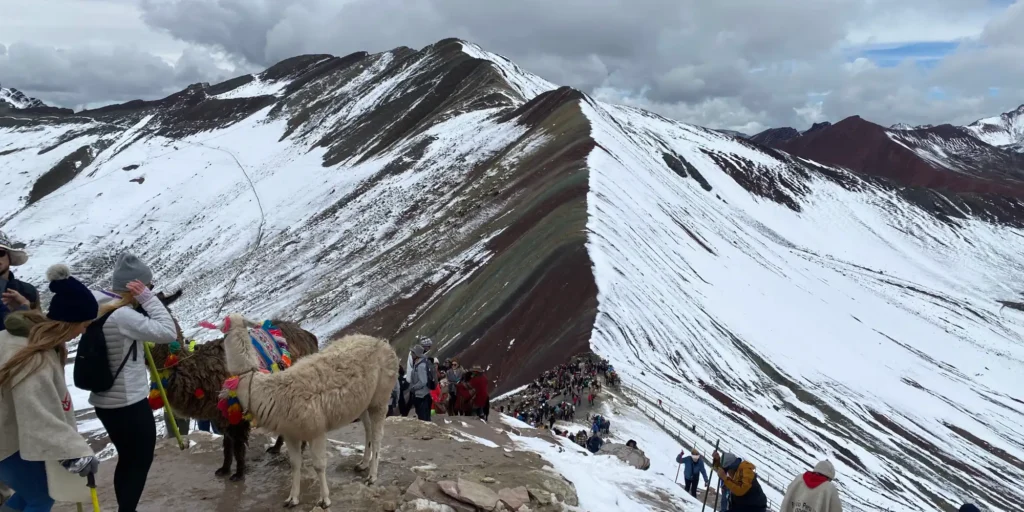
Hello, bloggers. Visiting Rainbow Mountain from Cusco is one of the most popular day trips for travelers arriving...
Leer articulo