
7 min read
47 vistas
What to buy in Peru: souvenirs and crafts
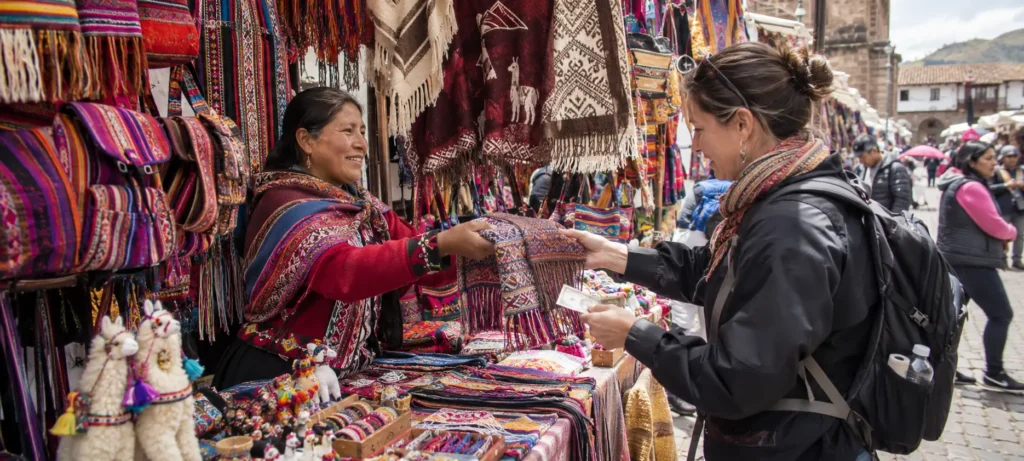
Knowing what to buy in Peru saves you money and keeps you from hauling home souvenirs that were...
Leer articuloEvery June 24, Cusco stops to welcome the sun. Inti Raymi brings hundreds of actors, musicians and dancers together for a staged ceremony that moves through the city and ends on the stone esplanade of Sacsayhuaman, with thousands of people watching from grandstands and hillsides. It is the best-known Festival of the Sun in the Andes and, for many travelers, the reason to choose June.
This guide explains what it is, where it comes from, where it takes place, how to watch it free or with a ticket, when to book and how to plan the rest of your trip. If it is your first time in the city, pair it with our Cusco travel guide.
Inti Raymi means “festival of the sun” in Quechua. Today it is a theatrical reenactment of the ceremony the Incas dedicated to Inti, their most revered deity, around the winter solstice, when days begin to lengthen and the Andean new year was marked.
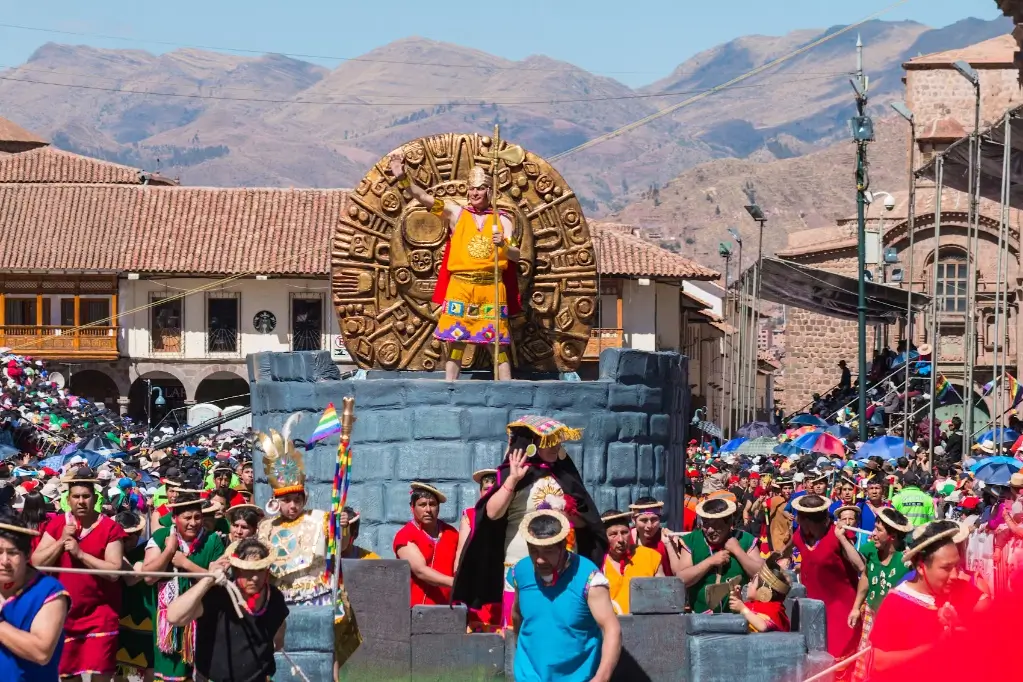
The performance is spoken in Quechua and unfolds across three stages: the Qorikancha, the Plaza de Armas and Sacsayhuaman. Hundreds of performers take part in costumes and rituals inspired by colonial chronicles, and the Inca leads the final ceremony. It is a show rather than an original religious rite, but its cultural weight is real: Peru has recognized it as intangible cultural heritage since 2001.

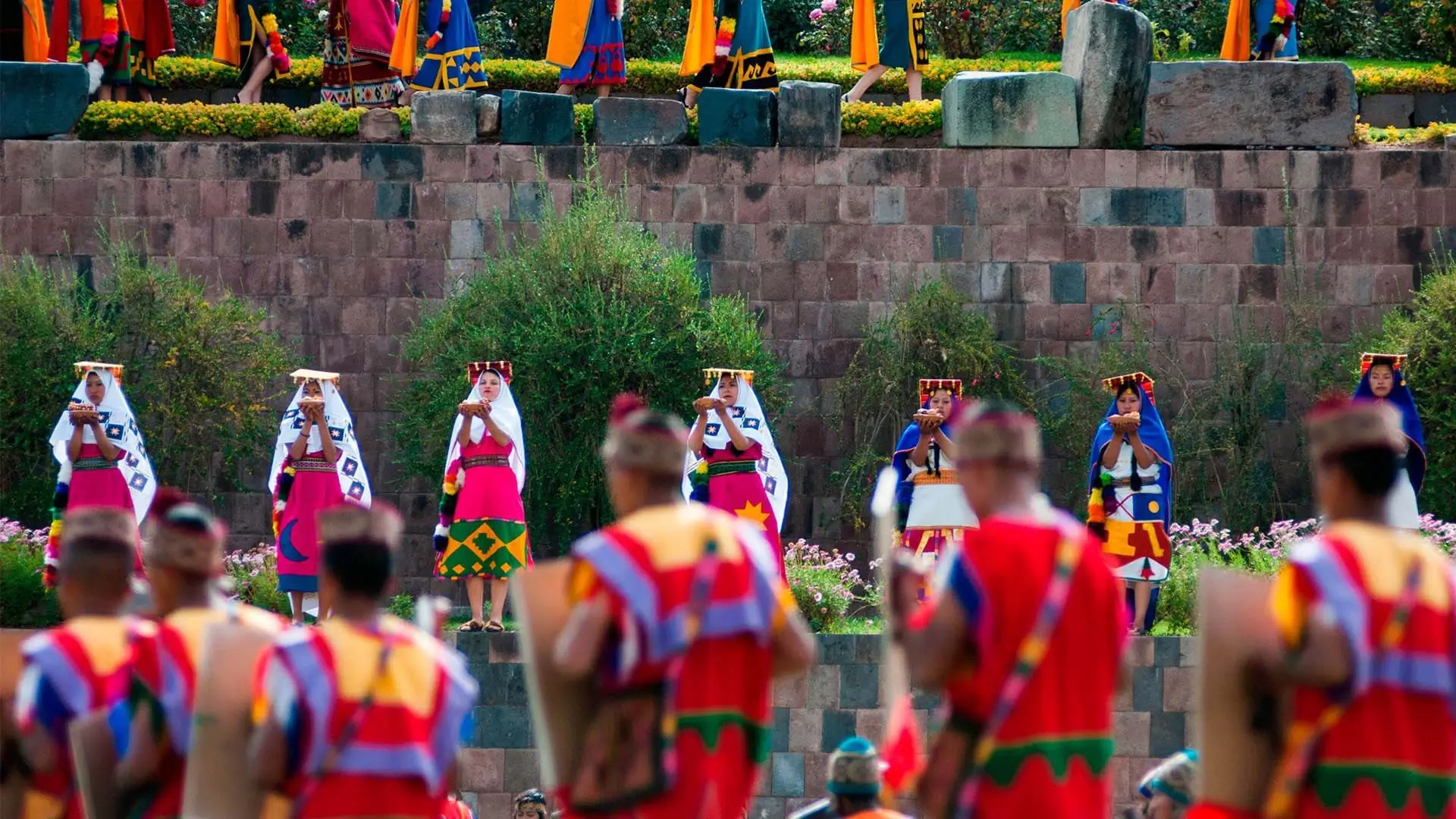
According to the chronicler Garcilaso de la Vega, the festival was established by the Inca ruler Pachacuti. The first celebration is usually dated to 1412, though that is a historical reference rather than a certain date. The Incas held it over several days, with offerings to the sun and to Pachamama to ask for good harvests.
After the Spanish arrived, colonial authorities and the Church banned the ceremony. The last Inti Raymi attended by the Inca emperor is generally placed in 1535. For centuries it disappeared as a ritual, and some communities linked the date to the Christian feast of St. John, which also falls on June 24.
In 1944 it was revived as a civic spectacle directed by Faustino Espinoza Navarro with indigenous actors, based largely on Garcilaso’s writings. It has been staged every year since at Sacsayhuaman, about 2 km from the historic center. It is a reconstruction, not an exact copy: many details are interpreted from colonial-era chronicles.
The day has three stages, in this order:
To get to know the site before the festival, read about Sacsayhuaman. Sources differ on the afternoon schedule: some place the start at Sacsayhuaman around 1:00 p.m. and others around 2:00 p.m. Check the official program a few weeks before you travel.
Free. The Qorikancha and the Plaza de Armas can be watched from the street, but you need to be early: sources recommend arriving two to three hours ahead, and some suggest as early as 5:00 a.m. at the Qorikancha. There are no seats and visibility is limited. At Sacsayhuaman, the nearby hillsides give a free but distant view; arrive before 9:00 a.m., walk up, and bring binoculars.
With a ticket. The grandstands at Sacsayhuaman offer the best view of the main act. They are split into color-coded zones (green, red and orange, the last with a VIP variant), and the Qorikancha has its own small grandstand. Zone names and exact locations vary between sources, so check the seller’s seating map before paying.
Prices change every year and by seller. As a rough guide, industry sources place a Sacsayhuaman grandstand seat between about S/ 300 and S/ 850 per person depending on the zone, and agencies charge more because they bundle services. Those figures come from earlier editions, so confirm the current price through the official channel (tickets are sold through Teleticket and authorized agencies). Be wary of unaffiliated resellers: tickets are usually named and non-refundable.

The date is fixed: June 24. The next edition falls on a Thursday, June 24, 2027. As in past years, the official schedule and ticket sales are typically confirmed a few months ahead, usually between April and June, and the best zones can sell out within days.
A few ways to avoid problems:
June is also dry season, which makes it a great month to travel; see the best time to visit Peru for how it compares with other months. If you would rather not organize everything yourself, the Inti Raymi & Machu Picchu 5-day package pairs the festival with the Inca citadel.
Use your acclimatization days and the days after the festival:
June is dry, sunny by day and very cold at dawn, so pack layers.
If you want the festival, lodging and Machu Picchu handled in one trip, experience Inti Raymi with us.
También te puede interesar
Knowing what to buy in Peru saves you money and keeps you from hauling home souvenirs that were...
Leer articulo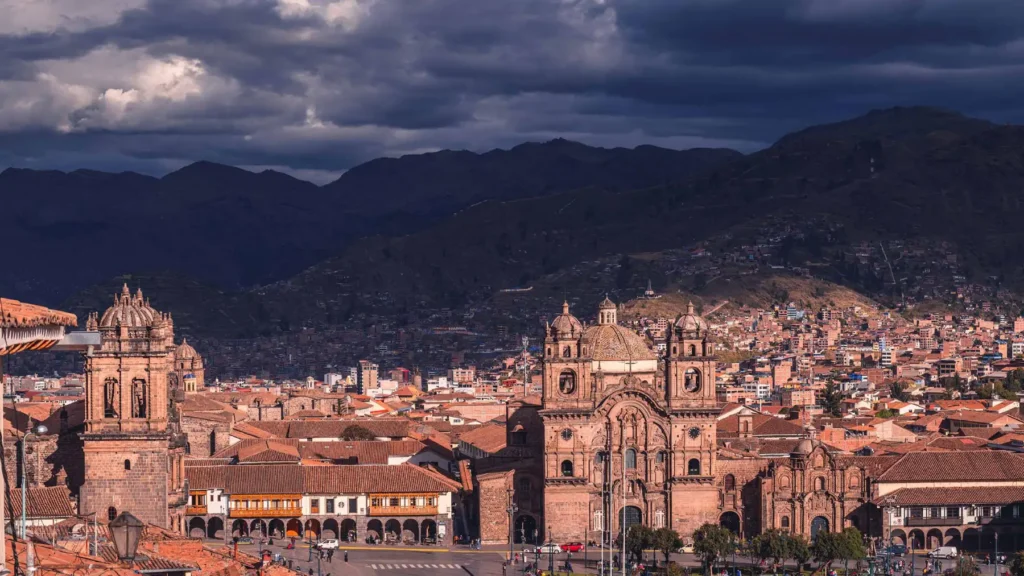
If you’re planning your visit to Cusco, you’ve likely come across the term “Tourist Ticket” more than once....
Leer articulo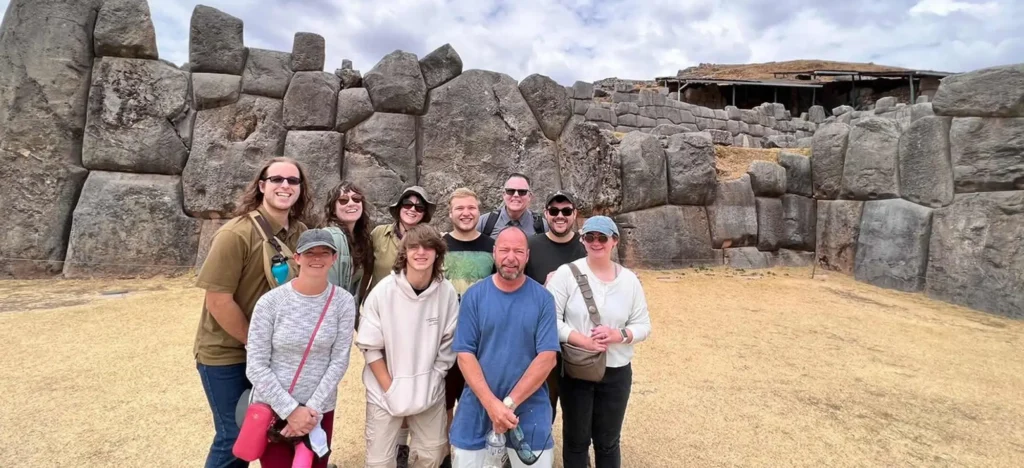
Just a few minutes from Cusco’s Plaza de Armas, on the hills overlooking the city from above, sits...
Leer articulo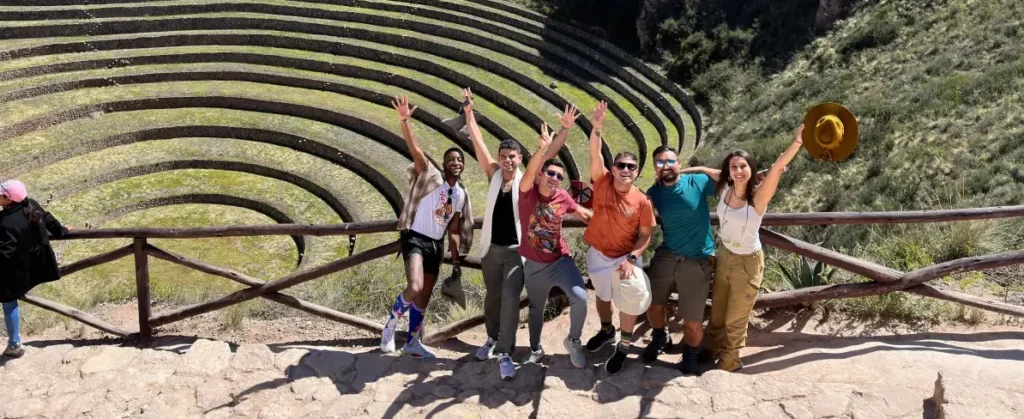
In the Sacred Valley of the Incas, just a short distance from one another, sit two of the...
Leer articulo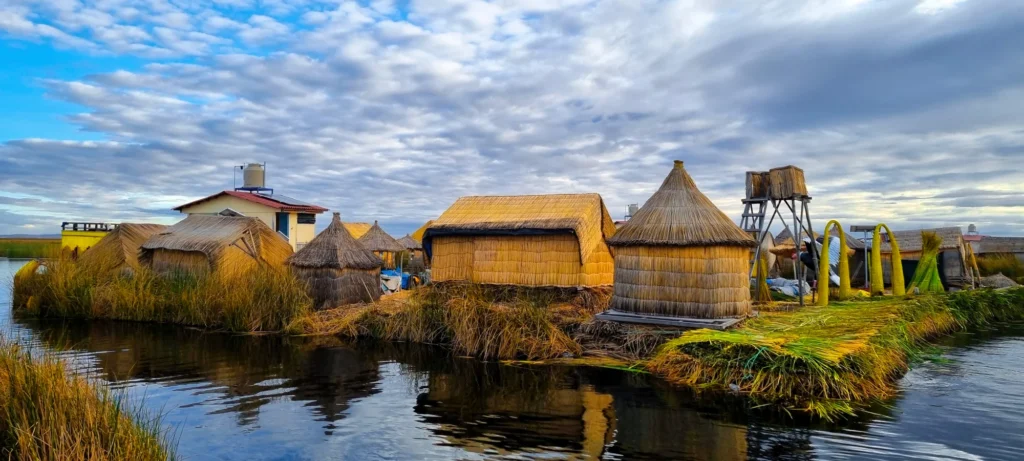
The Uros Islands Peru are one of the most unique cultural experiences on Lake Titicaca. Located near the...
Leer articulo