Inca Trail packing list: what to bring
Travel Guides

Inca Trail packing list: what to bring

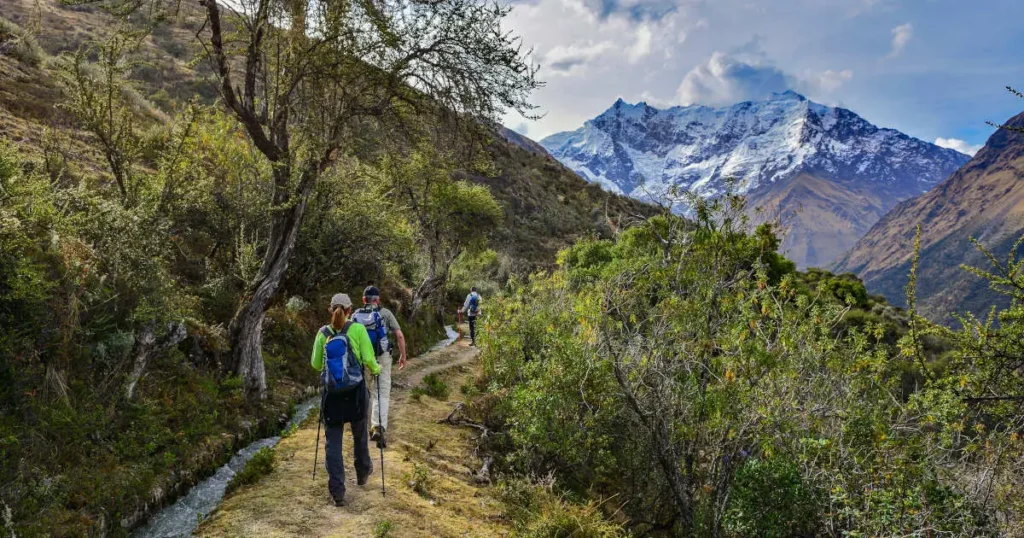
Packing the right gear can be the difference between fully enjoying the Inca Trail and struggling with cold, blisters, or unnecessary weight in your backpack. Over the 4 days of trekking you’ll pass through very different climates: intense cold at high altitude, humid warmth in jungle sections, and possible rain at any time of year.

In this guide, you’ll find a complete, organized Inca Trail packing list so you can bring exactly what you need without overloading yourself. If you’re not yet familiar with the general details of the route, check out our complete Inca Trail guide first.

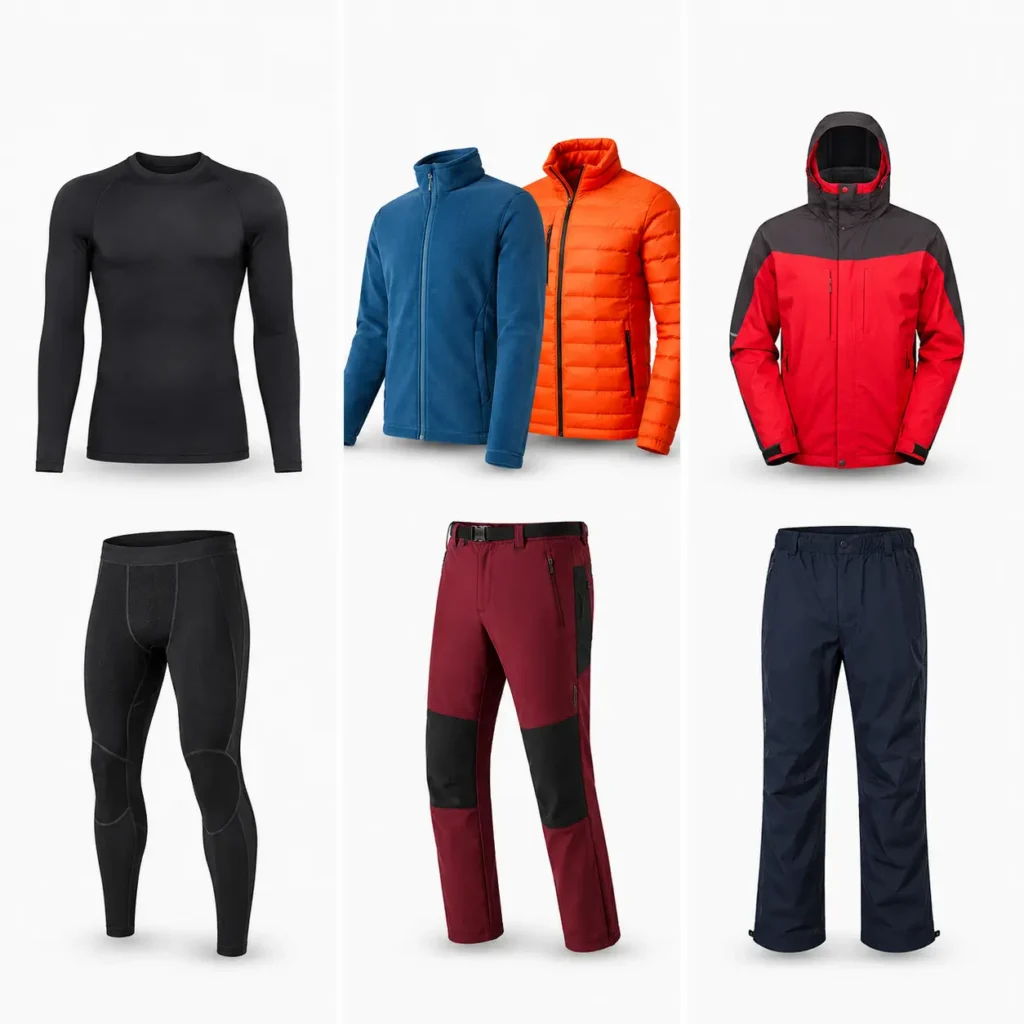
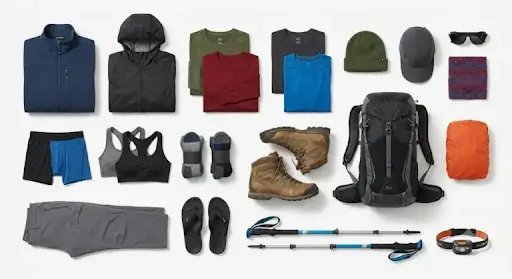
Clothing: the layering system

The key to the Inca Trail isn’t packing “cold weather gear” or “warm weather gear” — it’s a layering system you can adjust as the weather changes throughout the day.

Base layer (against the skin):

  • 2–3 breathable shirts (avoid cotton — it holds moisture and doesn’t dry quickly).
  • 1–2 thermal leggings or base layer bottoms for cold nights.

Mid layer (insulation):

  • A fleece jacket or lightweight down jacket for cold mornings and nights.
  • An extra vest if you tend to feel the cold, especially for day two, the highest point of the route.

Outer layer (protection):

  • A waterproof, windproof jacket — essential year-round.
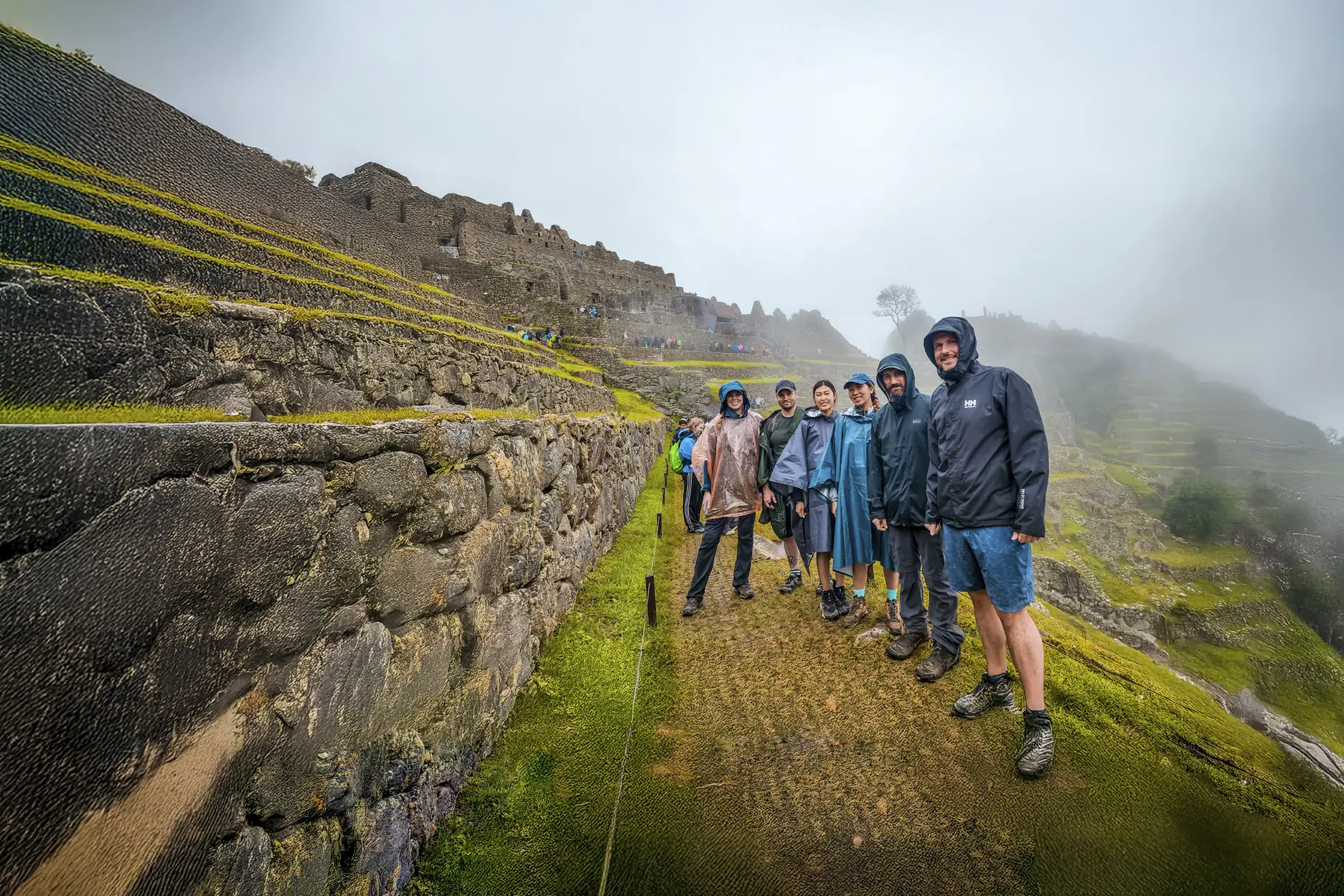
  • Waterproof pants, especially if you’re traveling during the rainy season.

Other clothing:

  • Quick-dry trekking pants (2 pairs).
  • Synthetic underwear (4–5 changes).
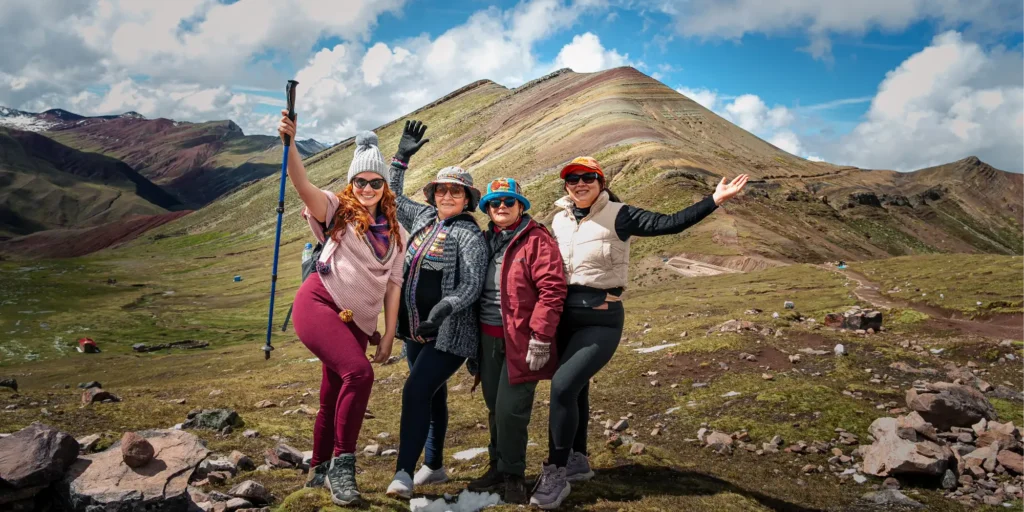
  • A wool hat or buff for the cold, plus a cap or sun hat for the sun.
  • Lightweight gloves for cold nights and the highest pass.
  • Trekking socks (ideally synthetic or merino wool, not cotton), at least 3–4 pairs.

Footwear

Footwear is probably the most important item on your entire list:

  • Waterproof trekking boots, already broken in beforehand (never wear brand-new boots on the trek — it’s a recipe for blisters).
  • Sandals or lightweight shoes to wear at camp after a full day of hiking, giving your feet a break.
  • Enough spare socks to change if yours get wet or damp.

Backpack and gear

  • Daypack (20–30 liters): for carrying with you during the hike (water, snacks, camera, extra layers, sunscreen). This is the only gear you carry yourself.
  • Trekking poles: highly recommended, especially on the descents of Inca stone steps, which can be tough on the knees.
  • Headlamp with spare batteries — essential for camp and early mornings.
  • Reusable water bottle or canteen (1.5 liters capacity minimum).
  • Dry bags or a backpack liner, to protect your belongings in case of rain.
  • A rain cover for your backpack if it isn’t already waterproof.

Sleeping

On most tours, tents, sleeping pads (or mats), and sometimes sleeping bags are included — but it’s important to confirm this with your operator:

  • Sleeping bag rated for below-freezing temperatures (many agencies rent these out if you don’t have your own).
  • Hot water bottle (optional): much appreciated on cold nights at the second campsite.
  • A small inflatable pillow, if extra comfort matters to you (optional but recommended).

Hygiene and health

  • Toilet paper and trash bags (bathrooms along the trail are basic or nonexistent in some sections).
  • Biodegradable wet wipes, useful when shower access isn’t available.
  • High-SPF sunscreen (solar radiation is much more intense at altitude).
  • Insect repellent, especially for the high jungle and cloud forest sections.
  • Basic first-aid kit: painkillers, altitude sickness tablets (if recommended by your doctor), band-aids, and blister treatment.
  • Water purification tablets or a portable filter, if you’d rather not rely solely on the boiled water provided at camps.

If you’re concerned about how your body will react to the altitude before starting the trek, we recommend reading about altitude sickness in Cusco and how to prevent it during your acclimatization days beforehand.
Documents

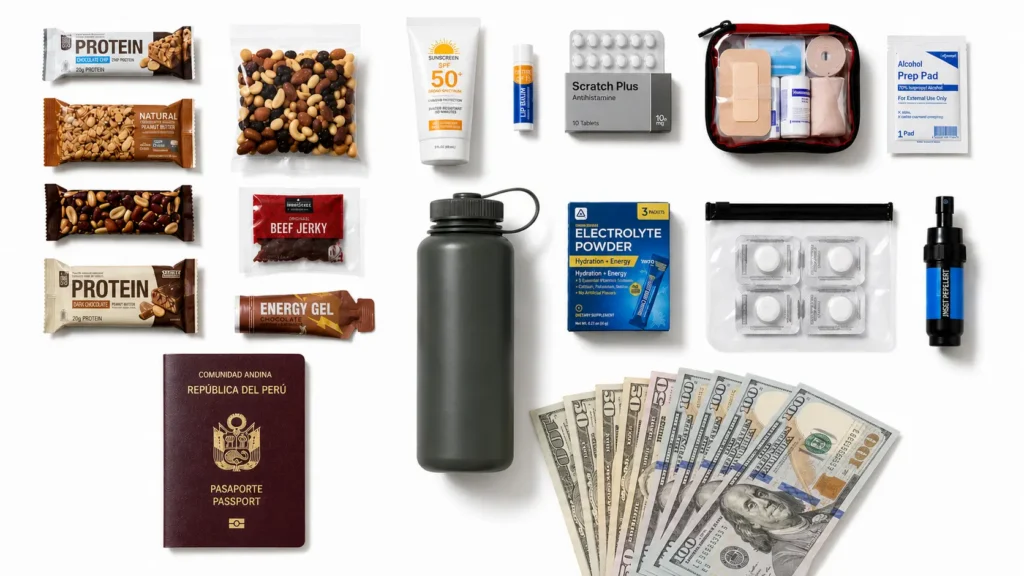
  • Original passport (not a copy): required to enter both the Inca Trail and Machu Picchu, and it must exactly match the name used for your booking.
  • Physical and digital copy of your tour voucher or booking confirmation.
  • Cash in Peruvian soles for porter and guide tips, and small purchases along the way.
  • Travel insurance (highly recommended — some operators require it).
  • Camera or phone accessories (portable battery pack — there’s no electricity at the campsites).
  • Personal energy snacks (bars, nuts, chocolate).
  • A small book or travel journal for evenings at camp.
  • Binoculars, if you’re interested in birdwatching through the cloud forest sections.

What NOT to bring

  • Hard-shell or rolling suitcases: impractical for trekking — use a backpack instead.
  • Too much cotton clothing: it gets wet easily and takes a long time to dry.
  • Drones: their use is prohibited on the Inca Trail and in Machu Picchu without special authorization.
  • Poles without rubber tips: rubber tip protectors are mandatory on many sections of the trail to avoid damaging the Inca stonework.
  • Excess luggage: remember there’s a weight limit for the gear carried by porters (generally 5–7 kg per person).
  • Unnecessary valuables (jewelry, electronics you won’t actually use).

What porters carry

On most booked tours, porters carry the group equipment (tents, kitchen supplies, food) and are permitted to carry a limited amount of your personal gear (typically 5–7 kg, packed in a duffel bag usually provided by the agency).

This means your daypack only needs to hold the essentials for hiking hours: water, extra layers, snacks, sunscreen, camera, and documents. Always confirm the exact weight limit with your operator and whether the duffel bag is included in your package.

Final checklist

Clothing

  • Breathable shirts (2–3)
  • Fleece or down jacket
  • Waterproof jacket and pants
  • Trekking pants (2)
  • Underwear and socks (4–5 pairs)
  • Hat, buff, gloves

Footwear

  • Broken-in trekking boots
  • Sandals for camp

Gear

  • 20–30L daypack
  • Trekking poles with rubber tips
  • Headlamp + spare batteries
  • Water bottle or canteen
  • Backpack rain cover or dry bags

Health and hygiene

  • Sunscreen and insect repellent
  • Basic first-aid kit
  • Toilet paper and wet wipes

Documents

  • Original passport
  • Booking voucher
  • Cash in soles

Physical preparation matters just as much as packing: check out our guide on how to train for the Inca Trail to arrive in good shape for the trek.

If you want to know the full day-by-day itinerary before packing your bag, check out Inca Trail 4 days to see exactly what you’ll need at each stage.

Not sure what’s included in your package? Check what’s included in your trek and we’ll confirm exactly what gear the agency provides and what you should bring yourself.

También te puede interesar

Artículos relacionados

Need help?