8 min read
46 vistas
Peru in 3 or 4 days: what to see on a short trip
Not everyone has two weeks to spare. Sometimes it is a long weekend, a few vacation days or...
Leer articuloPeru is not the most obvious choice for a vacation with children, yet it works remarkably well when planned with care. There is history kids can touch, animals, rainforest, food that young palates tend to enjoy and a culture that treats children with warmth. The key comes down to two things: respecting the altitude and not overloading the itinerary.
This guide covers the essentials of a Peru family trip: what to expect, how to look after children’s health at altitude, which destinations and activities work best, and how to organize your days so the trip is enjoyable for everyone, adults included.
Yes, with some caveats. Peru with kids is especially rewarding from about age 5 or 6, when children can walk with some independence, understand what they are seeing and handle long travel days better. With babies and children under 3 it is possible, but it calls for more caution, mainly because of altitude, and it is wise to talk to your pediatrician first.
What works in its favor:
What requires planning: the altitude of Cusco and its surroundings, the distances between destinations and the need for downtime. A well-built family-friendly Peru itinerary prioritizes fewer places, with more calm.
Altitude is the main consideration. Cusco sits at about 3,400 m (11,150 ft) above sea level, and children can develop altitude sickness symptoms such as headache, fatigue, loss of appetite, nausea or disturbed sleep. There is no rule that predicts who will be affected: it varies from person to person, not simply by age or fitness.
Some general guidelines:
You can read more about altitude sickness in Cusco for symptoms and measures in greater detail. It is also wise to take out travel insurance with medical coverage and confirm with your operator that accommodations have oxygen support.
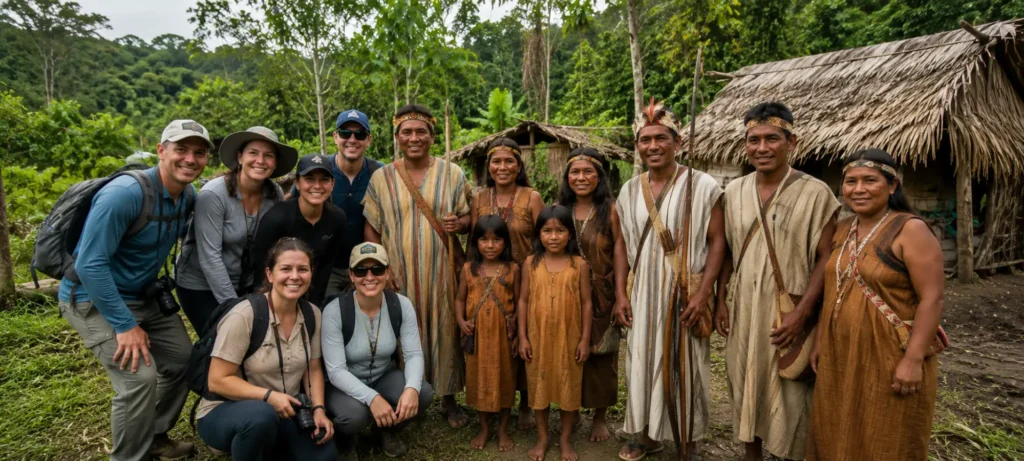
This is probably the best starting point for families. It is lower than Cusco, with open landscapes and activities children remember: visiting communities and weaving workshops, watching pottery being made, feeding llamas and alpacas, exploring the terraces of Ollantaytambo or wandering the market in Pisac. Many lodgings have large gardens where kids can move freely.
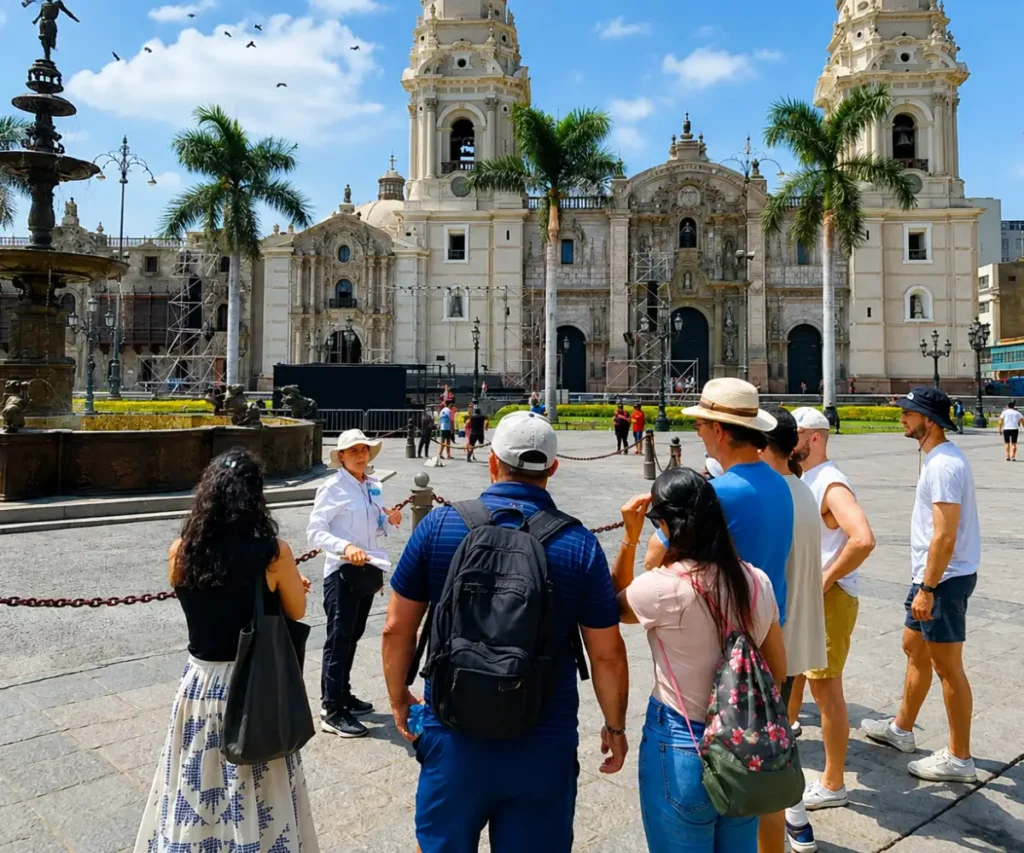
The city offers plazas, markets and museums, and its stone streets make history feel close. It works best in short doses: a morning walk, a visit to a nearby site and free time in the afternoon. Some workshops, such as chocolate-making, are especially popular with children.
Puerto Maldonado brings the rainforest within relatively easy reach. Lodges offer gentle walks, boat rides, birdwatching, monkeys and other wildlife, and explanations from local guides. It is an excellent way to balance a trip that would otherwise be very cultural. Keep in mind the heat, humidity and mosquitoes: ask your pediatrician about protective measures and recommended vaccines for the area, since these depend on age and current conditions.
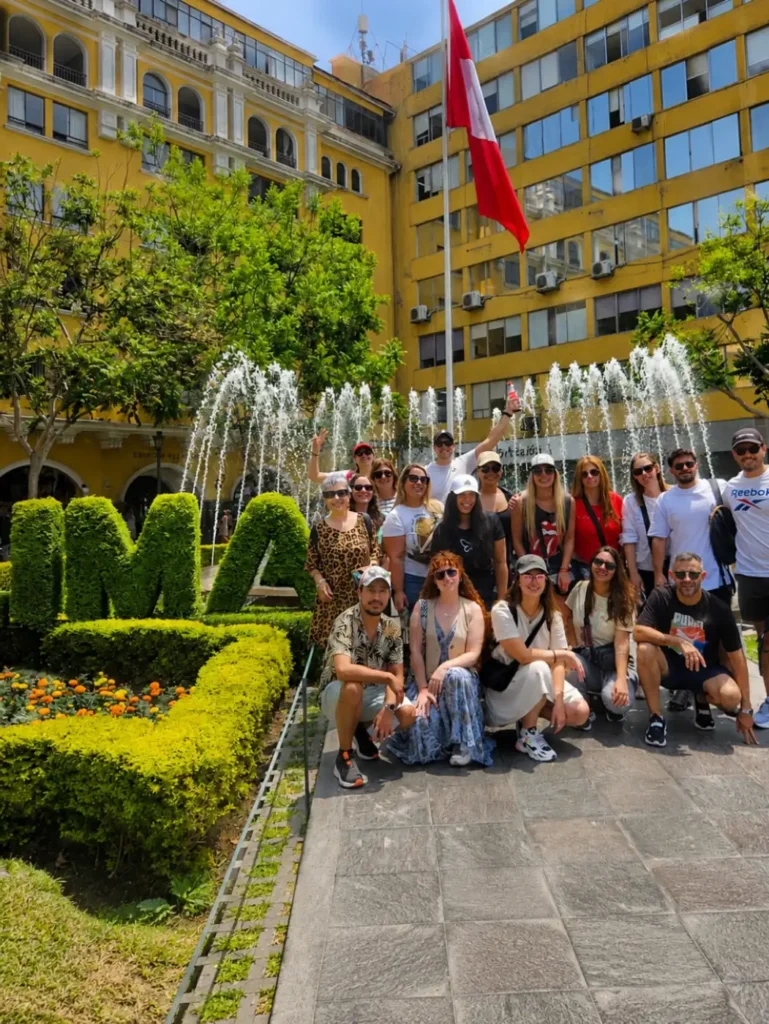
The capital works well at the start or end of the trip. The parks along the Miraflores boardwalk, walks beside the Pacific, interactive museums and some outdoor activities, such as paragliding off the cliffs (with age restrictions) or coastal strolls, offer a contrast to the Andean altitude. Food is an attraction too: many restaurants have simple options for children.
For more ideas on building the itinerary, see our guide to what to see in Peru.
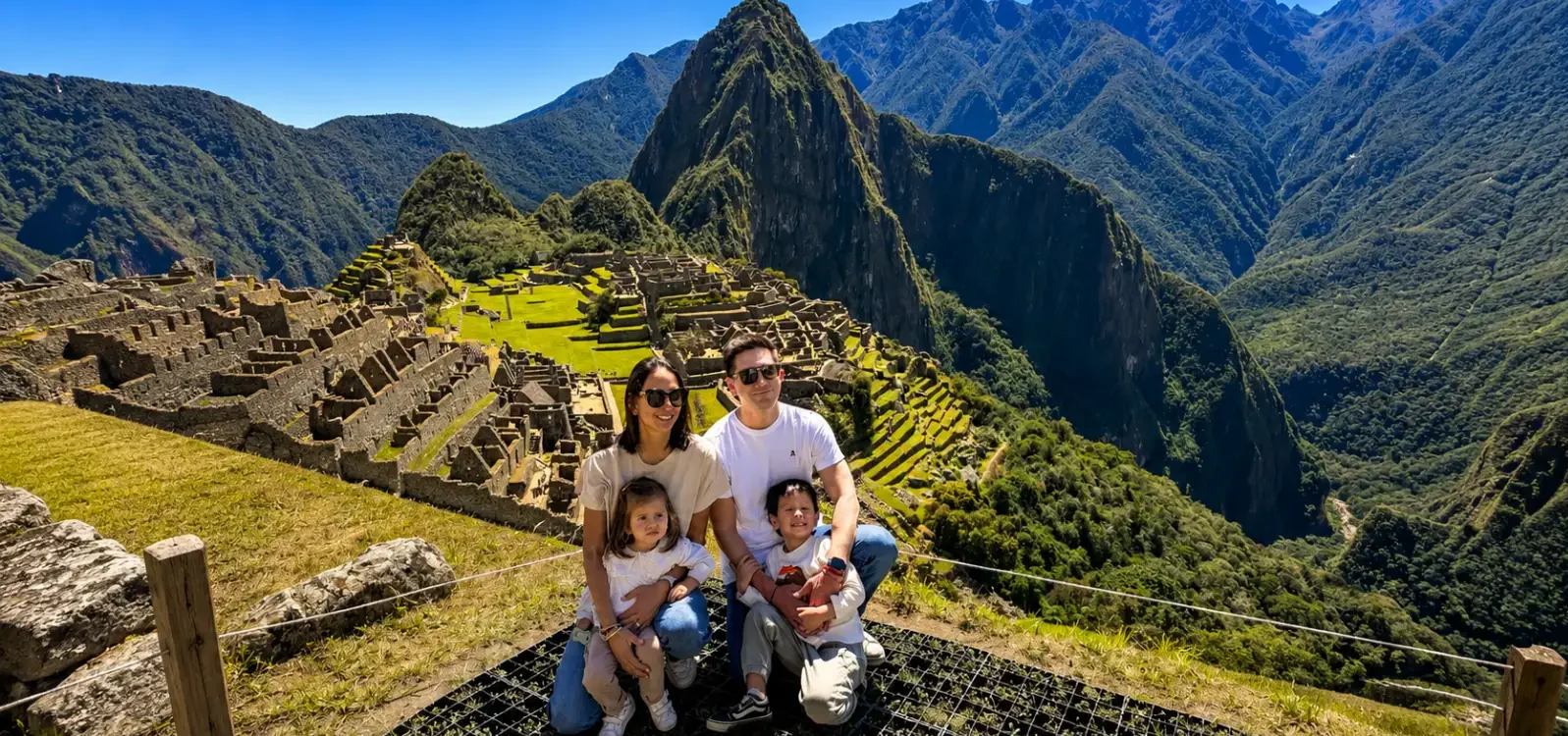
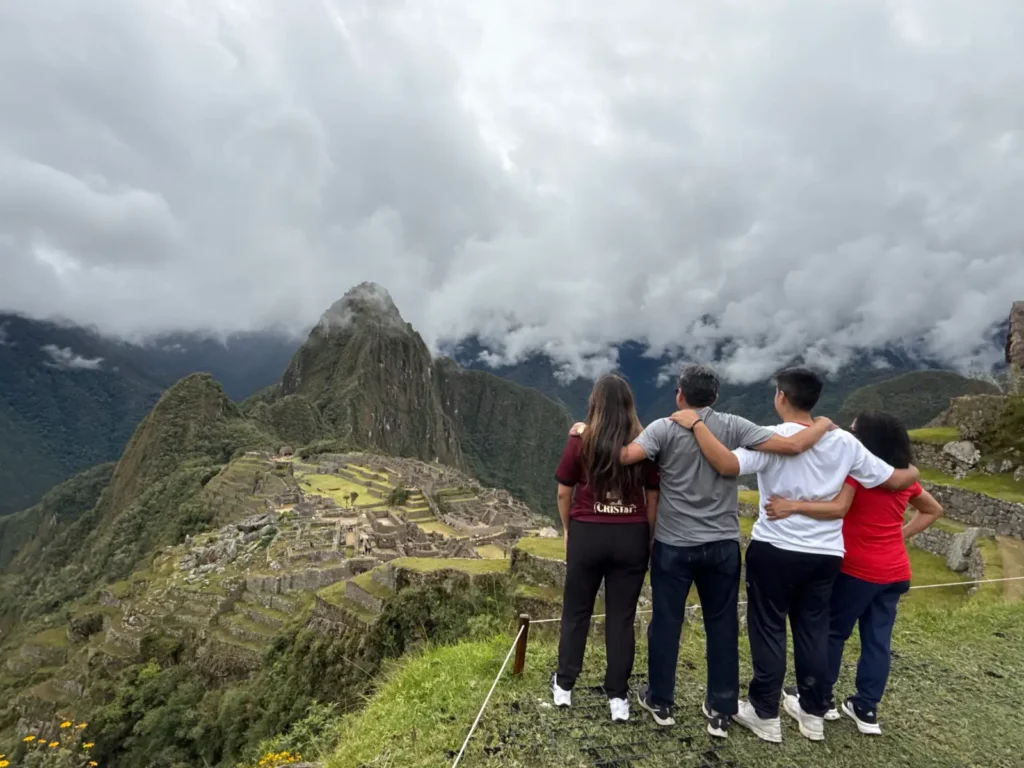
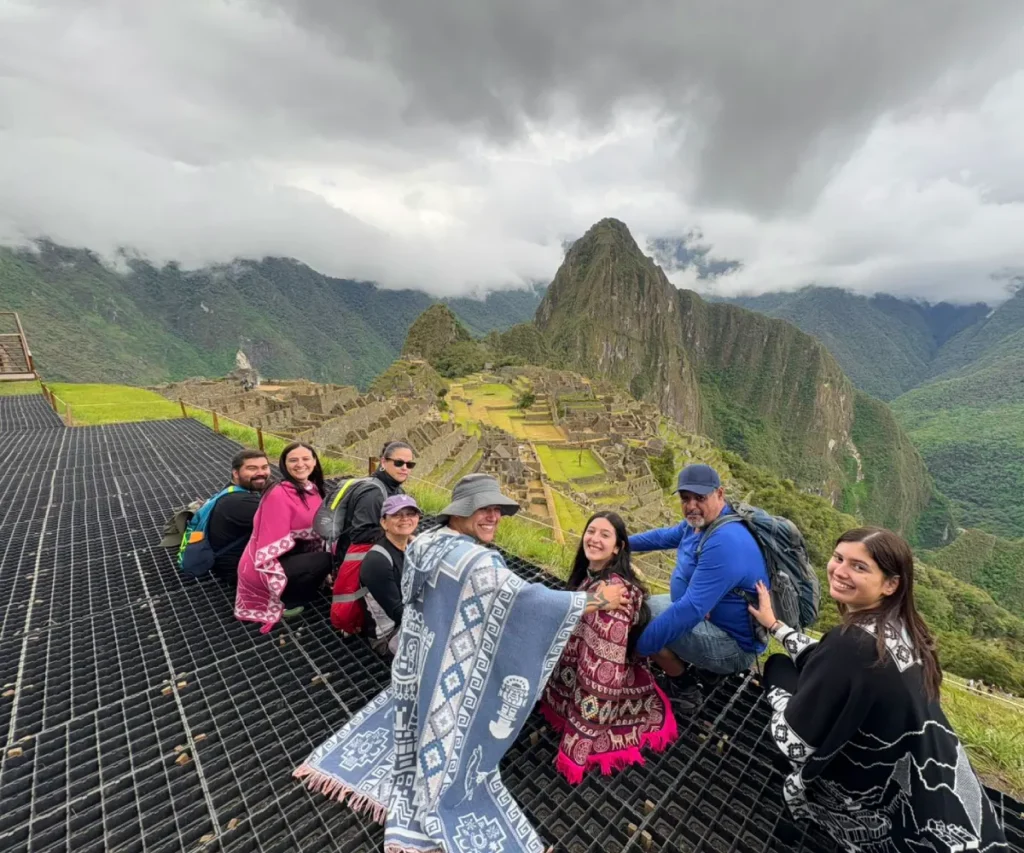
Machu Picchu with kids is entirely doable and is often one of the most memorable parts of the trip. It sits lower than Cusco (around 2,400 m / 7,900 ft), which many families find easier.
Some practical recommendations:
The most common access for families is by train to Aguas Calientes and a bus up to the citadel. Long treks such as the Inca Trail have minimum ages and demand good fitness, so they are not usually the choice for young children.
Successful family trips share one trait: less is more. Some guidelines:
This is a 10-day outline designed for gradual acclimatization and a comfortable pace. It can be adapted to your children’s ages and your dates.
Days 1–2: Lima. Arrival, rest and a walk along the Miraflores boardwalk. Dinner at a restaurant with kid-friendly options.
Day 3: Sacred Valley. Flight to Cusco and direct transfer to the Sacred Valley. Free afternoon at the lodging.
Day 4: Sacred Valley. Visit to a community, a pottery or weaving workshop and a meeting with llamas and alpacas.
Day 5: Ollantaytambo and Aguas Calientes. Visit the fortress in the morning and take the train to Aguas Calientes in the afternoon.
Day 6: Machu Picchu. Early visit at an easy pace with breaks. Return by train to the Sacred Valley or Cusco.
Days 7–8: Cusco. City walk, market, chocolate workshop and free time. One activity per day at most.
Days 9–10: Amazon or Lima. Depending on the family’s interests: two or three nights at a rainforest lodge in Puerto Maldonado, or back to Lima for outdoor activities and a farewell dinner.
If you would rather start from a ready-made proposal and adjust it, you can review our Peru packages. Our team adapts pace, lodging and activities to each child’s age.
When you are ready, plan your family trip with us and let us take care of the logistics.
También te puede interesar
Not everyone has two weeks to spare. Sometimes it is a long weekend, a few vacation days or...
Leer articulo
Money questions are some of the first ones travelers ask before landing in Lima. How much is the...
Leer articulo
A good Peru packing list is hard to write because a single trip can take you from a...
Leer articulo
Knowing what to buy in Peru saves you money and keeps you from hauling home souvenirs that were...
Leer articulo
Cusco’s food is much more than guinea pig and quinoa soup. It is a high-altitude cuisine that blends...
Leer articulo
Every June 24, Cusco stops to welcome the sun. Inti Raymi brings hundreds of actors, musicians and dancers...
Leer articulo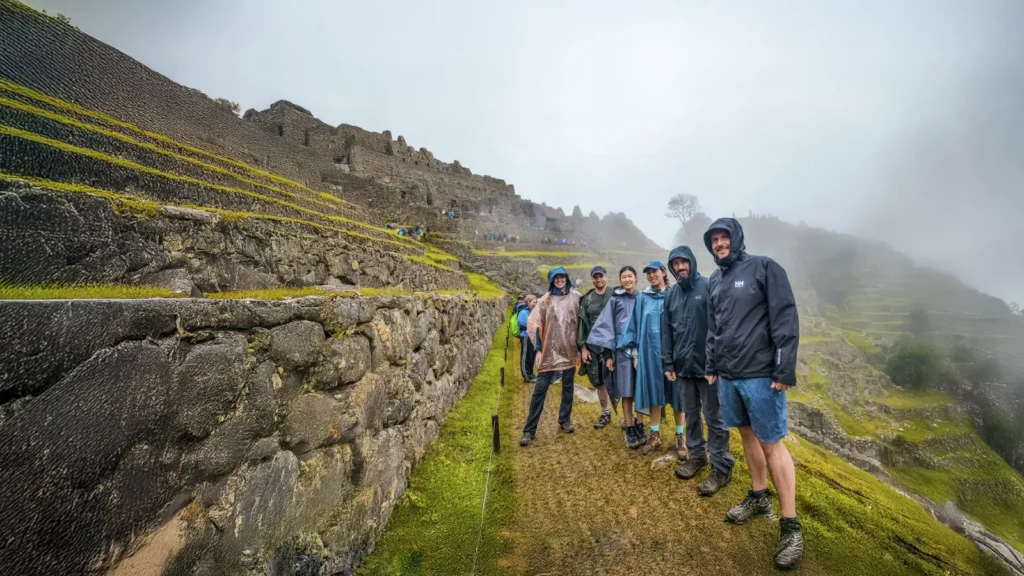
Machu Picchu weather changes less in temperature than in rain: the differences between months show up mostly in...
Leer articulo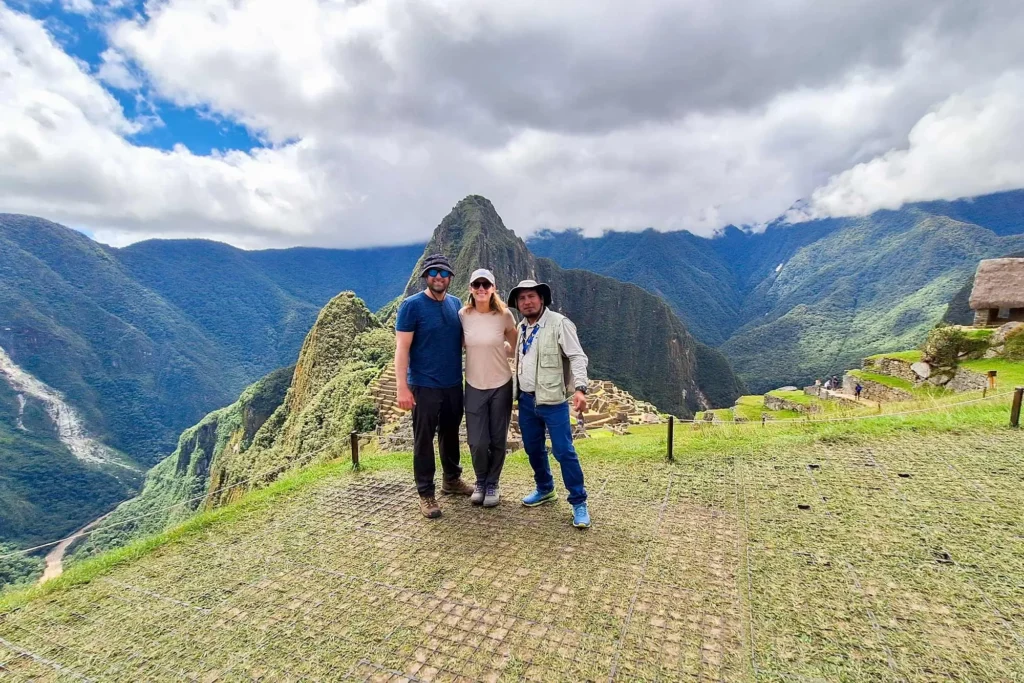
Yes, you can see Machu Picchu in one day from Cusco, but it is a long day with...
Leer articulo