
8 min read
35 vistas
Peru in 3 or 4 days: what to see on a short trip
Not everyone has two weeks to spare. Sometimes it is a long weekend, a few vacation days or...
Leer articuloPeru is one of the best-established stops on the South American backpacker circuit, and for good reason: it packs Inca ruins, desert, high plateau, canyons and rainforest into a country where you can move around on little money if you plan with care. Not everything is cheap, though. Machu Picchu, organized tours and some long transfers can throw a tight budget off balance.
This guide covers the essentials of Peru backpacking: roughly what it costs, how to get around without overspending, where to sleep and eat, what the classic route looks like and how to cut the cost of visiting Machu Picchu without losing the experience.
In relative terms, yes. Compared with Europe or North America, cheap travel in Peru is very doable: local food, overland transport and hostels are moderately priced. A few nuances are worth knowing:
The gap between a very bare-bones trip and a comfortable one can be large. It helps to decide early what is non-negotiable for you and where you are happy to save. For a wider breakdown, see our guide to the Peru trip budget.

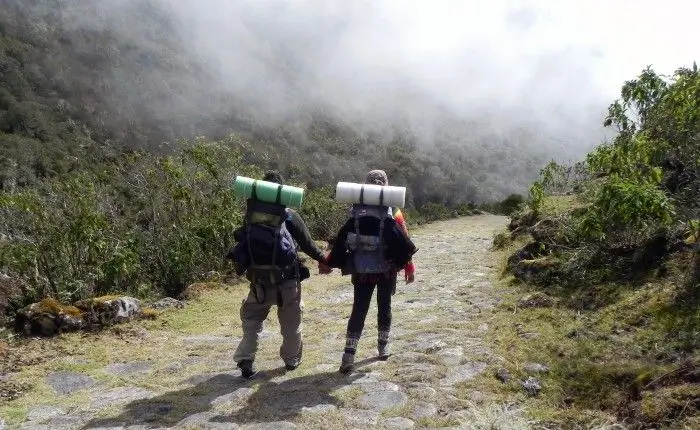
How much to backpack Peru depends on your travel style. The ranges below are rough per-person, per-day guides that exclude Machu Picchu and multi-day tours. Prices shift with inflation, exchange rates and season, so treat them as a reference only and verify before you go.
| Style | What it means | Approx. daily range (USD) |
|---|---|---|
| Bare-bones | Dorm bed, set menu or market meals, buses and public transport | Roughly 25 to 40 |
| Standard backpacker | Well-located hostel, the odd restaurant, a few activities | Roughly 40 to 70 |
| Comfortable backpacker | Simple private room, more activities and varied meals | Roughly 70 to 110 |
These are general estimates, not fixed prices. Tourist hubs such as Cusco tend to cost more than less-visited cities, and activities (tours, entrance fees, excursions) are added on top. Set aside a separate fund for Machu Picchu and for the unexpected.
Overland transport is the backbone of a backpacking trip and is usually the cheapest option.
Before buying, compare prices and schedules at terminals and on booking platforms. In high season, book the most in-demand routes ahead.
Accommodation. The backpacker offering is broad: hostels with dorms, simple private rooms, family guesthouses and community stays. Dorms are the cheapest and make it easy to meet other travelers. Consider location (being near the center often saves on transport), recent reviews on safety and cleanliness, and whether breakfast or a shared kitchen is included.
Food. This is where you can save the most without giving up quality:
The most traveled route links the capital, Andean cities, the high plateau and the colonial south. It can be done in either direction, and the order determines which altitude you meet first.
Lima. The usual arrival point. It deserves a day or two for the historic center, the Miraflores boardwalk, Barranco and its food scene.
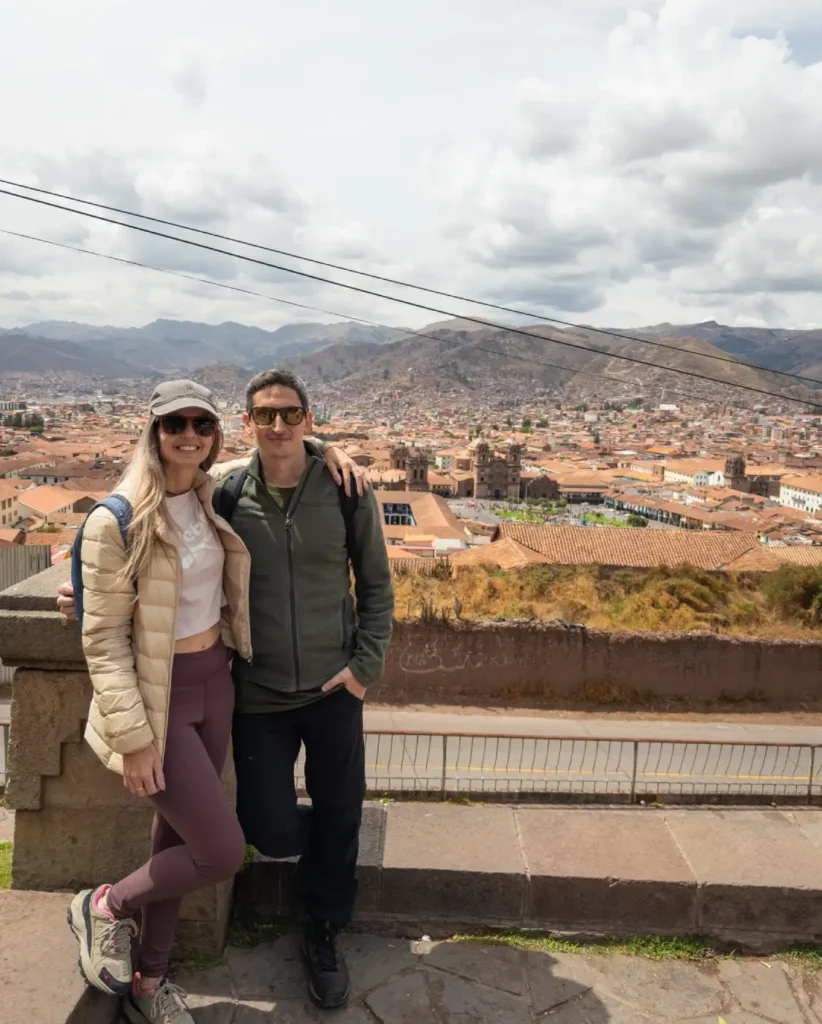
Cusco and the Sacred Valley. The heart of the trip. Cusco sits at about 3,400 m (11,150 ft), so spend your first days acclimatizing. From there you can organize visits to the Sacred Valley, Moray, the Maras salt pans and Machu Picchu. Archaeological sites are often sold on combined tickets, and checking which one fits your itinerary can save money.
Puno and Lake Titicaca. High plateau above 3,800 m (12,500 ft), with the floating Uros islands and Taquile Island. It is cold and very high, so bring warm layers and take it slowly.
Arequipa and Colca Canyon. A colonial city of volcanic stone, lower than Cusco and Puno, with good food and hostel options. From here you can arrange excursions to Colca Canyon, where condors can be seen, usually on one- or two-day tours.
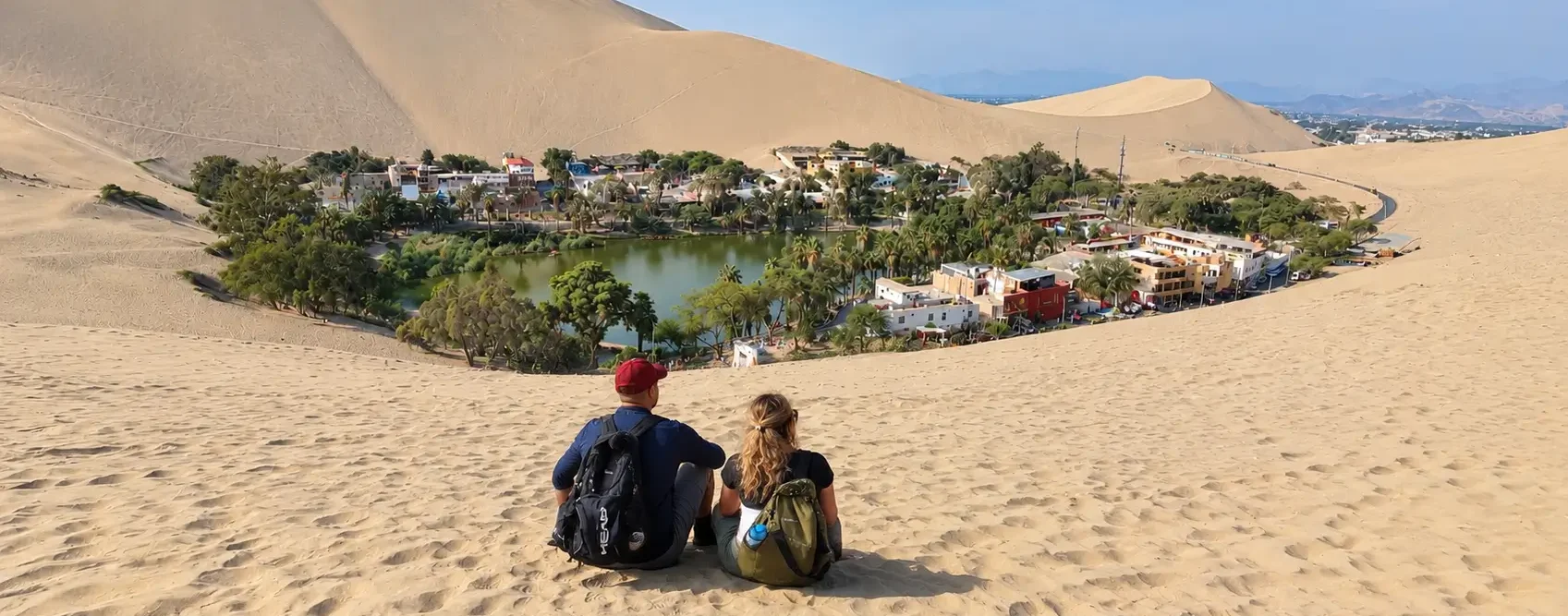
Optional extensions. Huacachina and Ica, the Nazca Lines, Paracas, the northern coast or the Puerto Maldonado rainforest, depending on time and budget. If you need help ordering time and transfers, read how to build your Peru itinerary.

Machu Picchu is usually the biggest expense of the trip, but there are ways to reduce it without missing the visit.
Keep in mind that conditions, prices and access rules change often. Confirm them before booking.
Budget travel in Peru is possible and very rewarding, but it works best when the itinerary and transfers are well thought out. If you would rather start from a ready-made base, you can browse our Peru packages and adjust them to your budget.
Want help optimizing your route? Tell us your dates, budget and priorities, and we will help you get the most out of every day.
También te puede interesar
Not everyone has two weeks to spare. Sometimes it is a long weekend, a few vacation days or...
Leer articulo
Money questions are some of the first ones travelers ask before landing in Lima. How much is the...
Leer articulo
A good Peru packing list is hard to write because a single trip can take you from a...
Leer articulo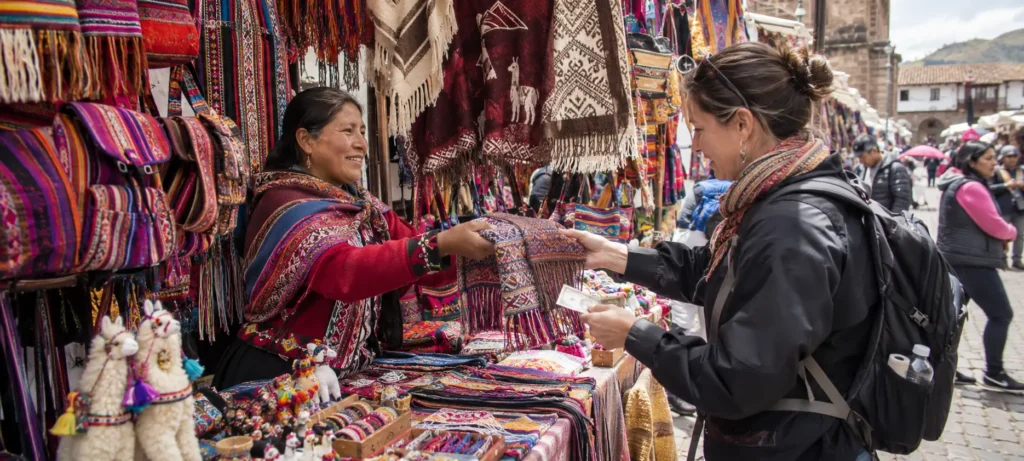
Knowing what to buy in Peru saves you money and keeps you from hauling home souvenirs that were...
Leer articulo
Cusco’s food is much more than guinea pig and quinoa soup. It is a high-altitude cuisine that blends...
Leer articulo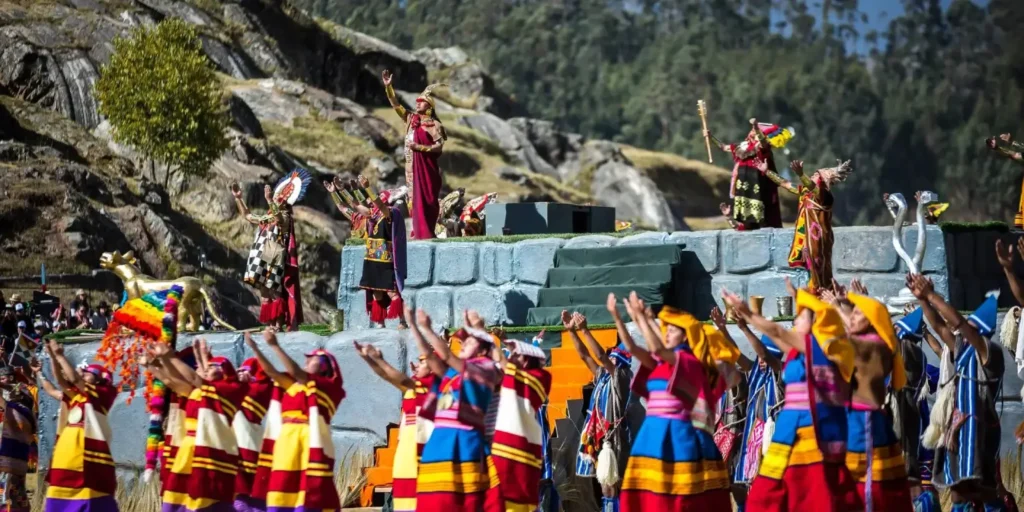
Every June 24, Cusco stops to welcome the sun. Inti Raymi brings hundreds of actors, musicians and dancers...
Leer articulo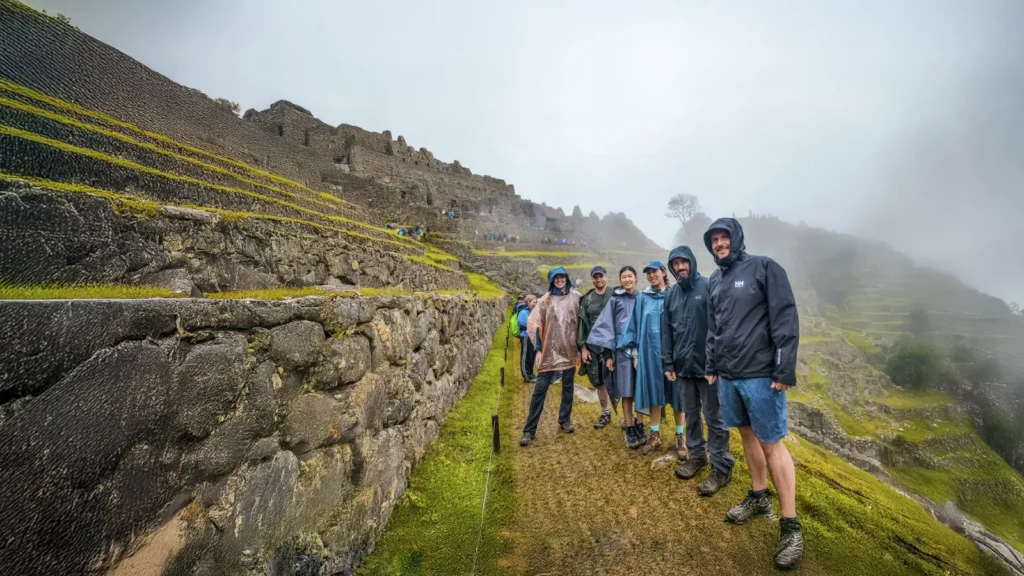
Machu Picchu weather changes less in temperature than in rain: the differences between months show up mostly in...
Leer articulo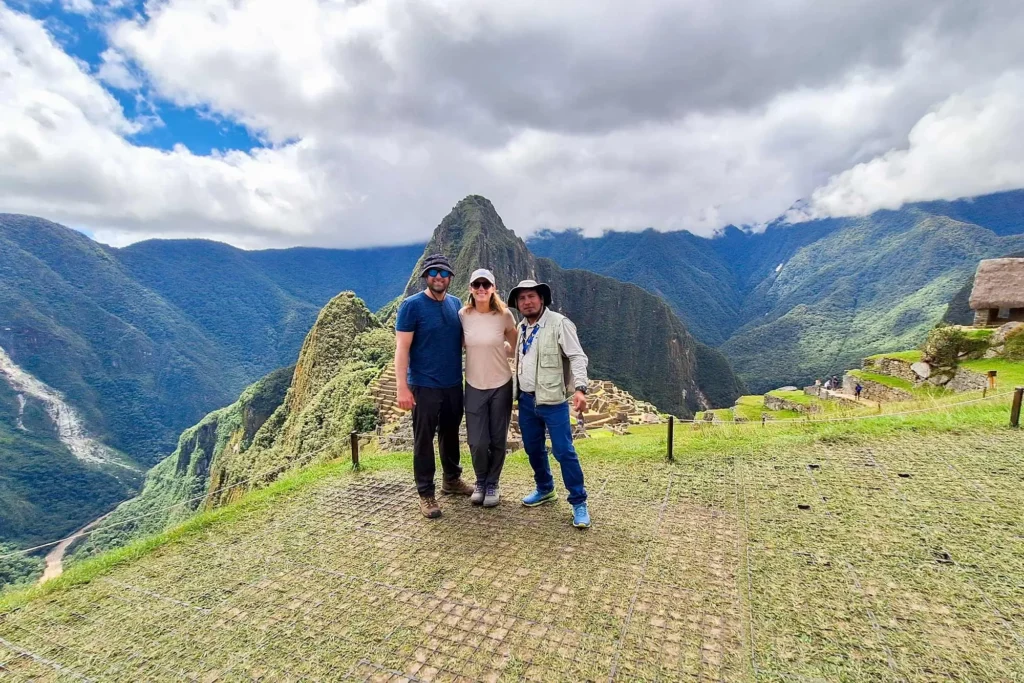
Yes, you can see Machu Picchu in one day from Cusco, but it is a long day with...
Leer articulo