
8 min read
34 vistas
Peru in 3 or 4 days: what to see on a short trip
Not everyone has two weeks to spare. Sometimes it is a long weekend, a few vacation days or...
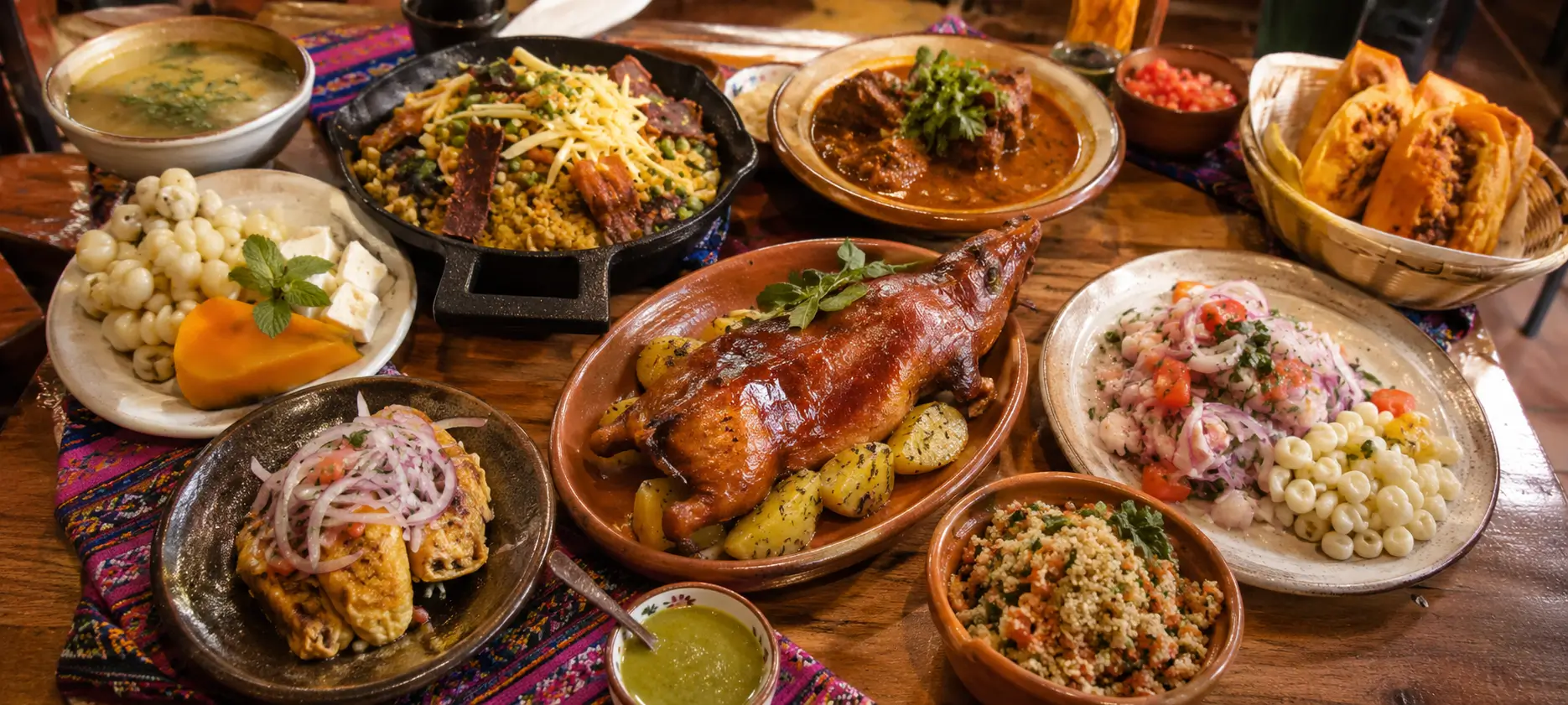
Leer articuloCusco’s food is much more than guinea pig and quinoa soup. It is a high-altitude cuisine that blends Andean ingredients such as corn, potatoes, fresh cheese and dried meats with additions that arrived with the Spanish, and it tastes different depending on whether you eat in a market, a traditional picantería or a restaurant in the center.
This Cusco food guide covers what to eat, where to eat by area and budget, how to eat while your body adjusts to the altitude, and which food experiences are worth your time. If it is your first trip to the city, start with our Cusco travel guide.
Cusco cooking relies on highland ingredients: corn in many varieties, potatoes, quinoa, fresh cheese, and the meat of guinea pig and alpaca. Add ancestral techniques such as huatia, where food is buried and cooked under hot stones in an earth oven, and drinks such as chicha de jora, a corn beer that is also used in cooking.
The mix with colonial cuisine left dishes that combine the local and the European, and the city keeps very traditional places, such as picanterías and markets, alongside chef-driven restaurants. Eating well in Cusco does not have to be expensive: the most authentic food is often in simple places.


These are the typical Cusco dishes most worth trying:
Do not expect a closed list: every picantería has its own version, and seasonal dishes change through the year.
By area, these are the most useful options. I do not name specific restaurants because the scene changes and hours and prices are best confirmed at the time of your trip.
By budget: the market and set-lunch menus are the cheapest, picanterías sit in the middle, and the chef-driven restaurants of the center and San Blas are the most expensive. If you are also passing through the capital, see our Lima food guide.
Cusco sits at about 3,400 m (11,150 ft) and the body takes time to adapt. A practical rule is to start with light meals, eat small portions, drink plenty of water and leave alcohol for when you already feel well. Soups, coca or muña tea and low-fat meals usually sit better than a heavy plate on the first night.
If you develop a headache, nausea or dizziness, do not ignore it. Read our guide to altitude sickness in Cusco and, if symptoms are strong, seek medical care. Save the heavier dishes, such as cuy or chiriuchu, for your second or third day.


If you want to go beyond the plate, there are several ways to get to know the local cuisine:
For something more tailored, see our exclusive experiences.
When you are ready to build the full route, add food ex
También te puede interesar
Not everyone has two weeks to spare. Sometimes it is a long weekend, a few vacation days or...
Leer articulo
Money questions are some of the first ones travelers ask before landing in Lima. How much is the...
Leer articulo
A good Peru packing list is hard to write because a single trip can take you from a...
Leer articulo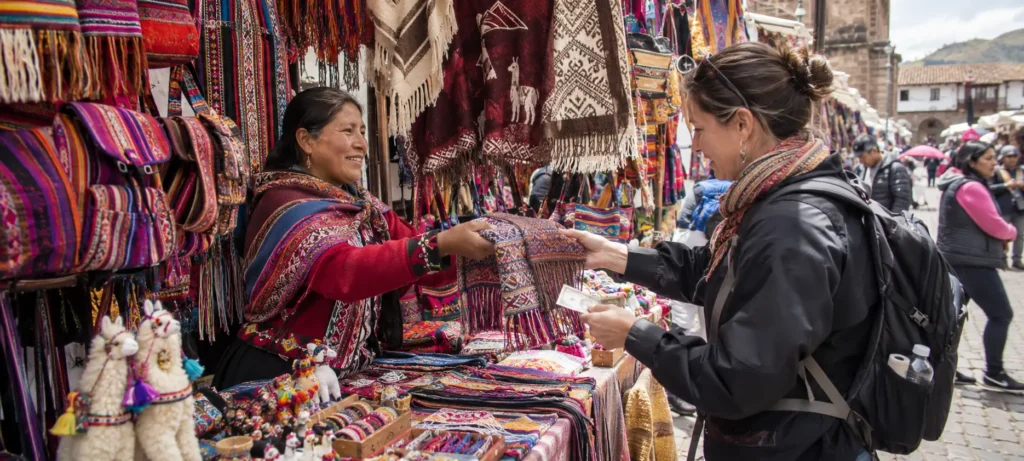
Knowing what to buy in Peru saves you money and keeps you from hauling home souvenirs that were...
Leer articulo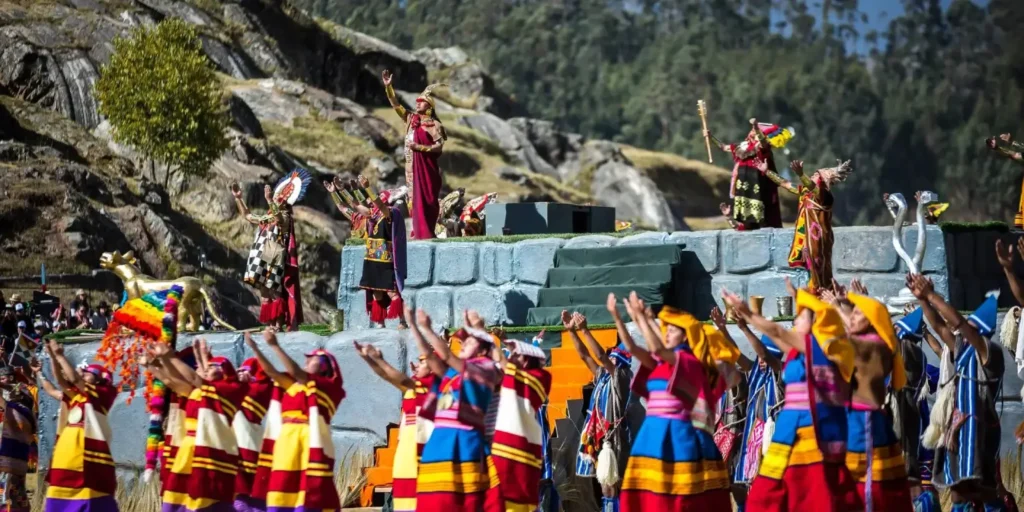
Every June 24, Cusco stops to welcome the sun. Inti Raymi brings hundreds of actors, musicians and dancers...
Leer articulo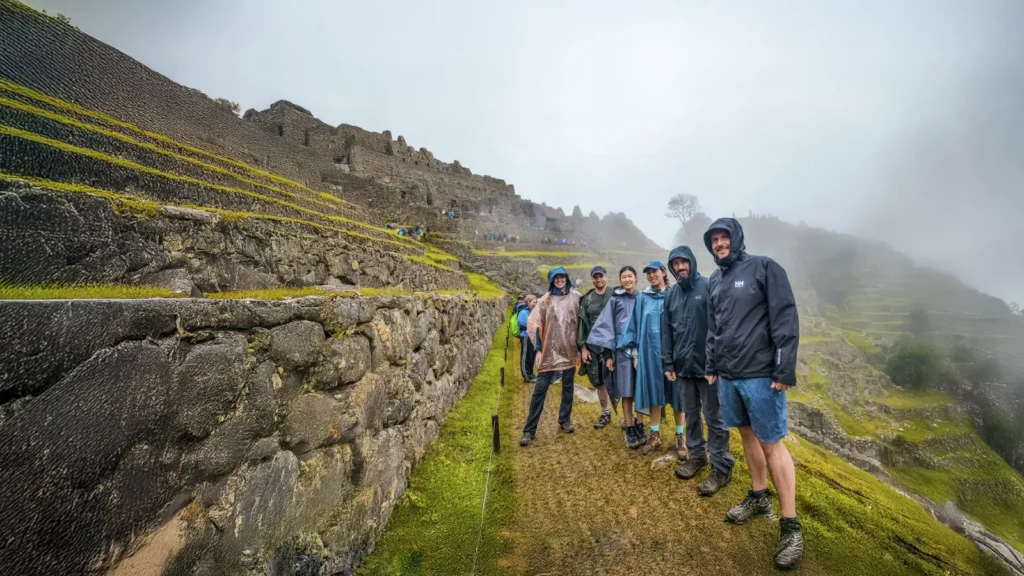
Machu Picchu weather changes less in temperature than in rain: the differences between months show up mostly in...
Leer articulo
Yes, you can see Machu Picchu in one day from Cusco, but it is a long day with...
Leer articulo
Going from Lima to Cusco overland is far more than a long transfer. You cross the coastal desert,...
Leer articulo