6 min read
55 vistas
Ausangate trek and the 7 lakes
The Ausangate trek is the high-mountain alternative to the classic Cusco routes: glaciers, turquoise lakes and red-striped hills...
Leer articuloAnyone planning a trip to Cusco eventually asks the same question: what is the best trek to Machu Picchu? There is no single answer, because each route offers something different. The Inca Trail offers history and stonework, Salkantay delivers glaciated peaks, and Lares puts you among Andean communities that keep their traditions alive.
This guide helps you compare Machu Picchu treks using objective criteria: duration, difficulty, scenery, permits and the way each route reaches the citadel. At the end you will find a recommendation by traveler type, so you can decide which Peru trek to choose without second-guessing.
All three end at the same destination, but the experiences are very different:
The right choice depends on what you are after: history, high-altitude adventure or living culture. Your fitness level, travel dates and how far ahead you book also matter.
The Inca Trail is the most iconic route and the only one that follows an original stretch of the Qhapaq Ñan road network all the way to Machu Picchu. The classic version takes 4 days and covers about 43 km (27 miles). Along the way you walk past terraces, rock tunnels, stone staircases and archaeological complexes such as Wiñay Wayna, which can only be reached on foot.
Difficulty: moderate to demanding. The high point is Warmiwañusca pass at roughly 4,215 m (13,828 ft), and the route alternates long climbs with stone-step descents that are hard on the knees. No technical experience is needed, but good preparation is.
Scenery: it moves from Andean valleys to cloud forest, with views of snow-capped mountains and orchids in the lower sections. Its defining feature is the archaeological context: you approach Machu Picchu through the same cultural landscape that surrounds it.
Permits: this is the most regulated route. The number of people who can start each day is capped (around 500, counting visitors, guides and porters), and spaces sell out months in advance, especially from May to September. The trail normally closes in February for maintenance. Permits are personal and must be arranged through an authorized operator.
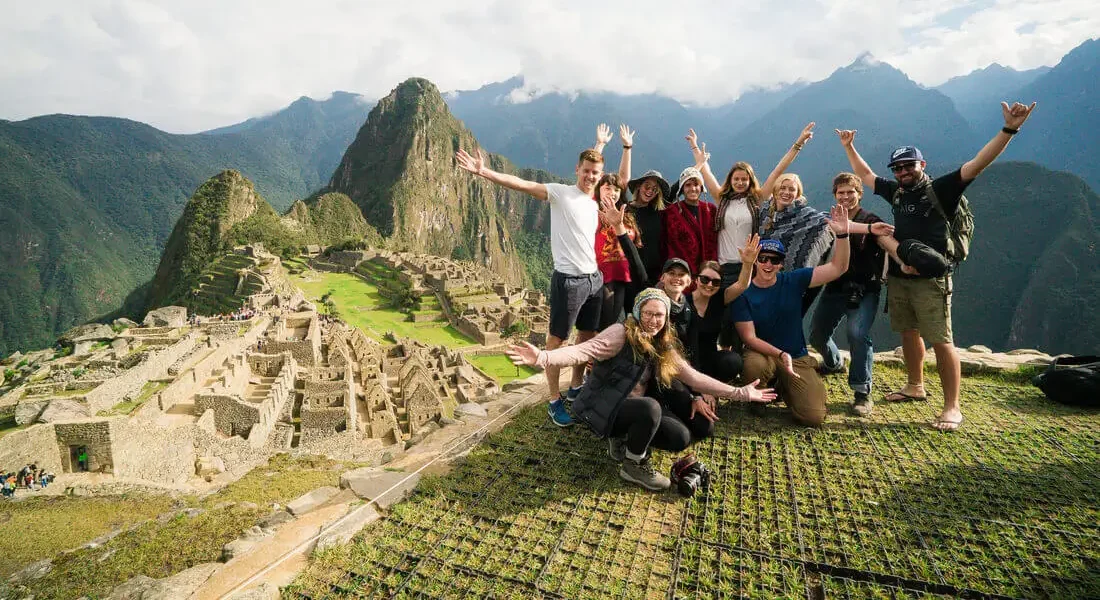
Arrival: at sunrise on the final day, through the Sun Gate (Inti Punku), with the first view of the citadel from above.
For more depth, read our complete Inca Trail guide. For itinerary and conditions, see the Inca Trail 4 days.
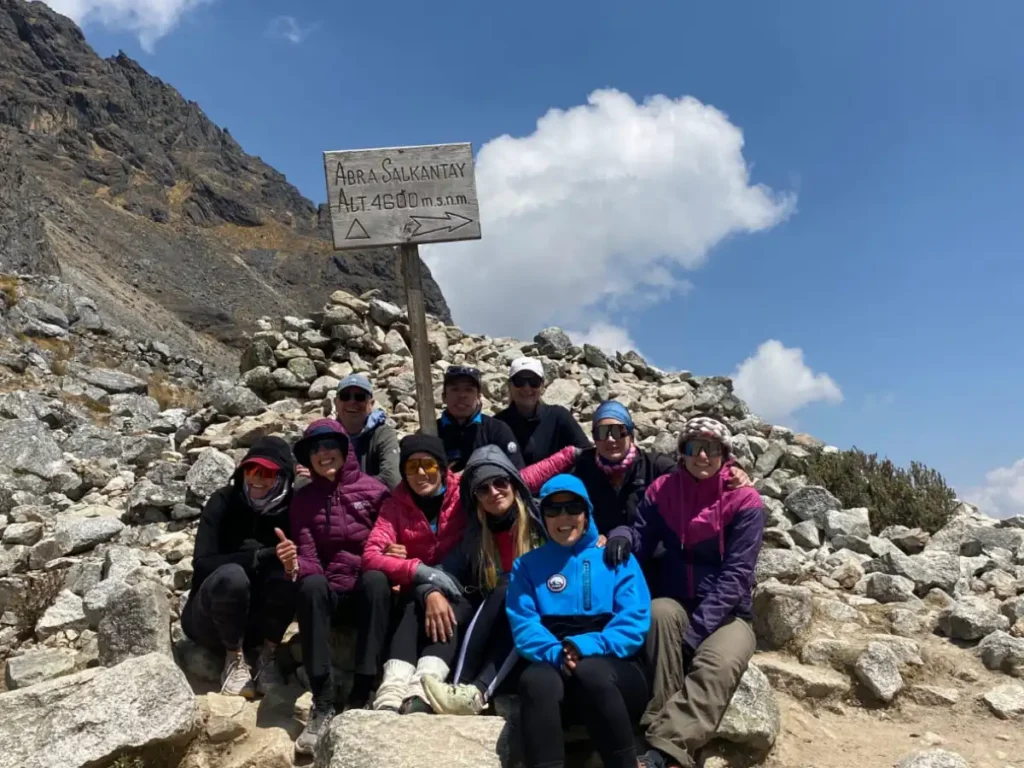
Salkantay is the favorite alternative for travelers who want high-mountain scenery without depending on a quota. It is usually done in 4 or 5 days, covering about 60 km (37 miles) or more depending on the variant. It starts near Mollepata, climbs past Humantay Lake and crosses Salkantay pass at around 4,630 m (15,190 ft), the highest point of the three treks.
Difficulty: moderate to demanding. The second day concentrates the effort, with a long climb at altitude and cold, wind and sometimes snow or rain. The upside is that the descent afterward is gradual: you move from glacial terrain to a cloud-forest valley with coffee plantations, fruit trees and warmer weather.
Scenery: it is the most varied in terms of ecosystems. In a few days you cross snow, puna grassland, cloud forest and subtropical vegetation. Turquoise Humantay Lake is one of the most photographed stops.
Permits: the trek itself does not require a capped permit like the Inca Trail, which gives more flexibility when booking. The Machu Picchu entrance ticket is bought separately, however, and availability is limited, so it is wise to secure it early.
Arrival: the route ends around Santa Teresa or the hydroelectric station, and from there you reach Aguas Calientes. Machu Picchu is visited the following day, usually by bus or on foot.
Route details are in our complete Salkantay guide. The itinerary with dates and services is on the Salkantay Trek 5 days page.
The Lares trek is the shortest option and the one that best combines hiking with cultural encounters. It typically lasts 3 days (about 33 km / 20 miles) and runs through a high valley where Quechua communities preserve traditional weaving, Andean farming and herding life. It is common to pass markets and textile workshops and, on many itineraries, to stop at the Lares hot springs.
Difficulty: moderate. It reaches passes of around 4,400 m (14,435 ft), but the days are shorter and the pace is gentler than on the other two routes. It is a good choice if you want altitude and scenery without a full week of effort.
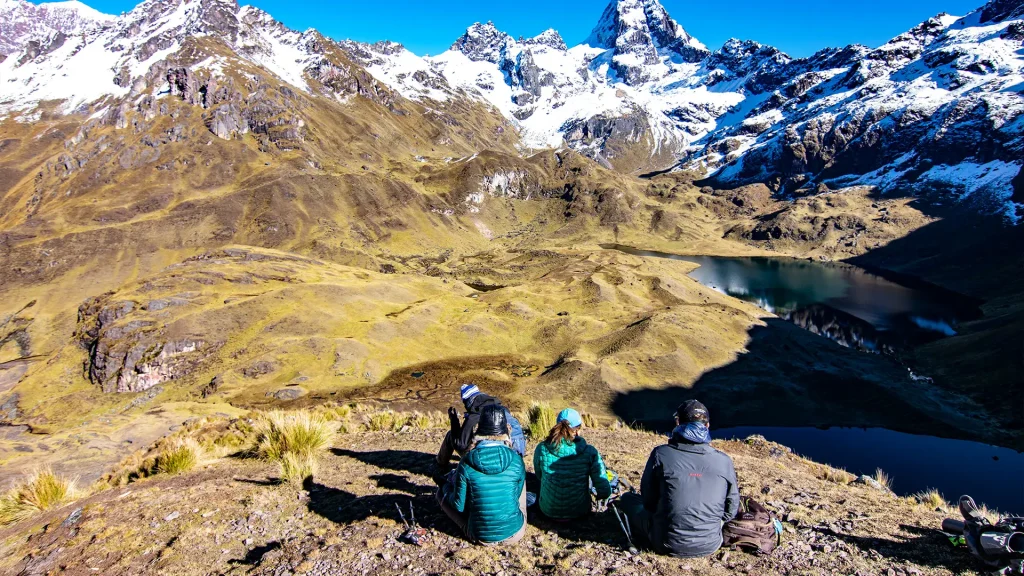
Scenery: high-altitude lakes, mountains, herds of llamas and alpacas, and adobe villages. It has fewer glaciers than Salkantay and less archaeology than the Inca Trail, but it offers a level of human contact the other routes do not match.
Permits: it does not require a capped trek permit, which makes it a practical alternative when the Inca Trail is sold out.
Arrival: the trek finishes near Ollantaytambo, where you take the train to Aguas Calientes. Machu Picchu is visited the next day.
There is also a popular combination: Lares plus a short section of the Inca Trail, which lets you arrive through the Sun Gate with fewer days of walking. You can see how it is organized in Lares and short Inca Trail.
| Inca Trail | Salkantay | Lares | |
|---|---|---|---|
| Days | 4 (classic) | 4–5 | 3 (or 4 combined with short Inca Trail) |
| Approx. distance | 43 km | 60 km or more | 33 km |
| Max altitude | ~4,215 m | ~4,630 m | ~4,400 m |
| Difficulty | Moderate to demanding | Moderate to demanding | Moderate |
| Scenery | Archaeology, cloud forest | Glaciers, lakes, cloud forest edge | Communities, lakes, valleys |
| Permits | Capped quota, book months ahead | No trek quota; Machu Picchu ticket separate | No trek quota; Machu Picchu ticket separate |
| Machu Picchu arrival | On foot, via the Sun Gate | From Aguas Calientes, next day | From Aguas Calientes (train), next day |
Distance and altitude figures are approximate and vary by operator variant and source.
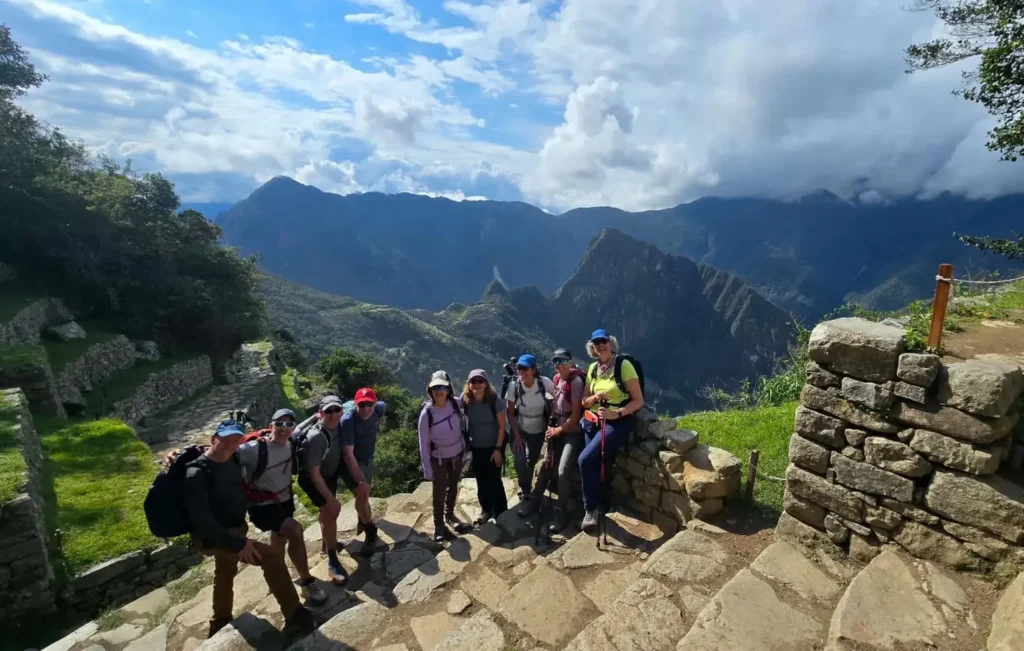
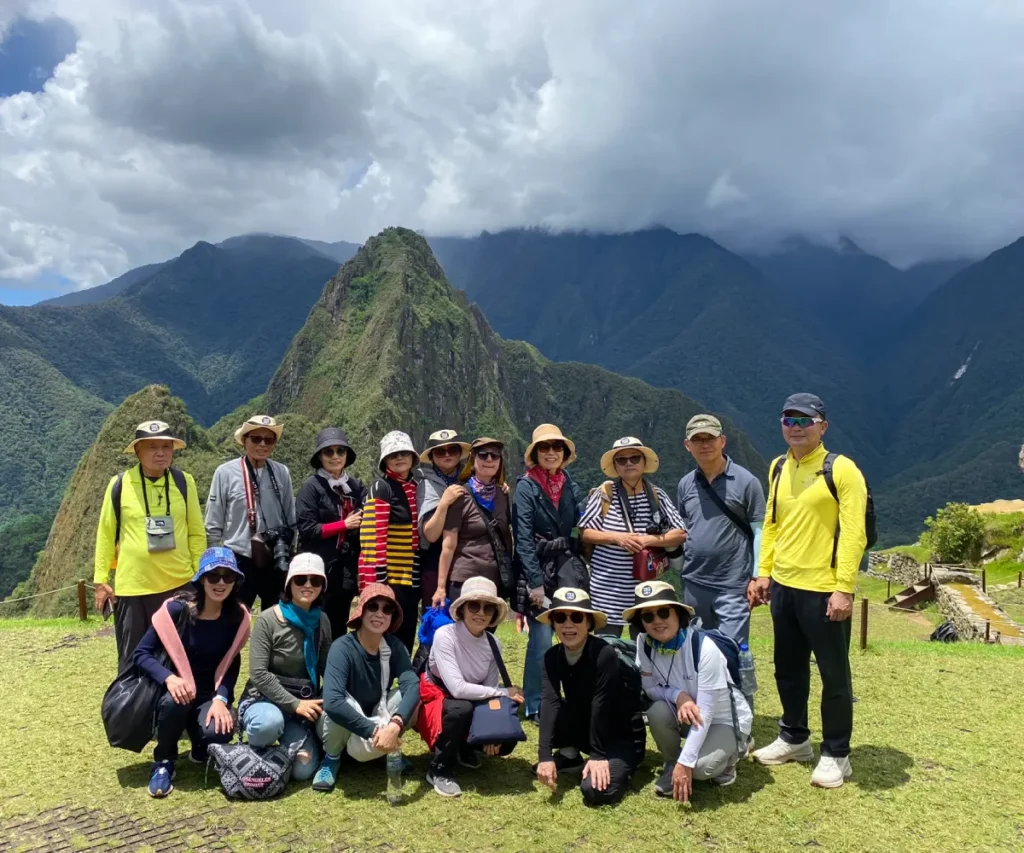
If you are drawn to history and archaeology: the Inca Trail. It is the only route that combines hiking with Inca sites along the path and an arrival on foot at the citadel. It requires planning far in advance.
If you want mountain scenery and adventure: Salkantay. It offers the greatest contrast of ecosystems and the highest pass, with fewer booking restrictions than the Inca Trail.
If you want living culture and less effort: Lares. It is the best option for travelers with fewer days, those who prefer shorter hiking days, or anyone who values contact with Andean communities.
If you cannot get an Inca Trail permit: Salkantay or Lares are solid alternatives. Lares combined with a short Inca Trail section lets you arrive via the Sun Gate with less walking.
If you travel in the rainy season (November to March): choose carefully. The Inca Trail closes in February, and Salkantay can bring more mud and cloud at the high passes. The dry season, May to September, is the most stable for all three treks, though also the busiest.
If it is your first high-altitude trek: spend at least two or three days acclimatizing in Cusco or the Sacred Valley before starting. This matters more than the route you pick.
For a more precise decision, weigh four factors: available days, fitness level, time of year and how far ahead you are booking.
There is no single best trek to Machu Picchu, only the trek that best fits your trip. The Inca Trail is the most historic and the most regulated, Salkantay is the most varied in scenery, and Lares is the most cultural and accessible. All three end at one of the world’s great sites, so the decision is about the journey, not the destination.
If you are still undecided, choose your trek with our team. We will review your dates, fitness level and permit availability to recommend the right route.
También te puede interesar
The Ausangate trek is the high-mountain alternative to the classic Cusco routes: glaciers, turquoise lakes and red-striped hills...
Leer articulo
If you are planning a trip to Machu Picchu, sooner or later the big question appears: Inca Trail...
Leer articulo
Pisac is one of those Sacred Valley destinations that manages to combine, in a single day’s visit, two...
Leer articulo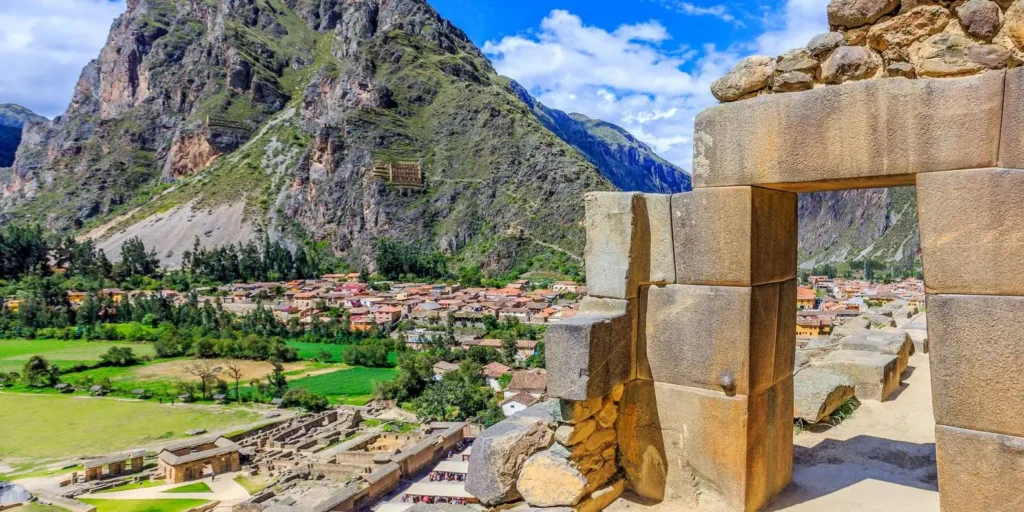
Ollantaytambo is, arguably, the most special town in the entire Sacred Valley of the Incas. Unlike other archaeological...
Leer articulo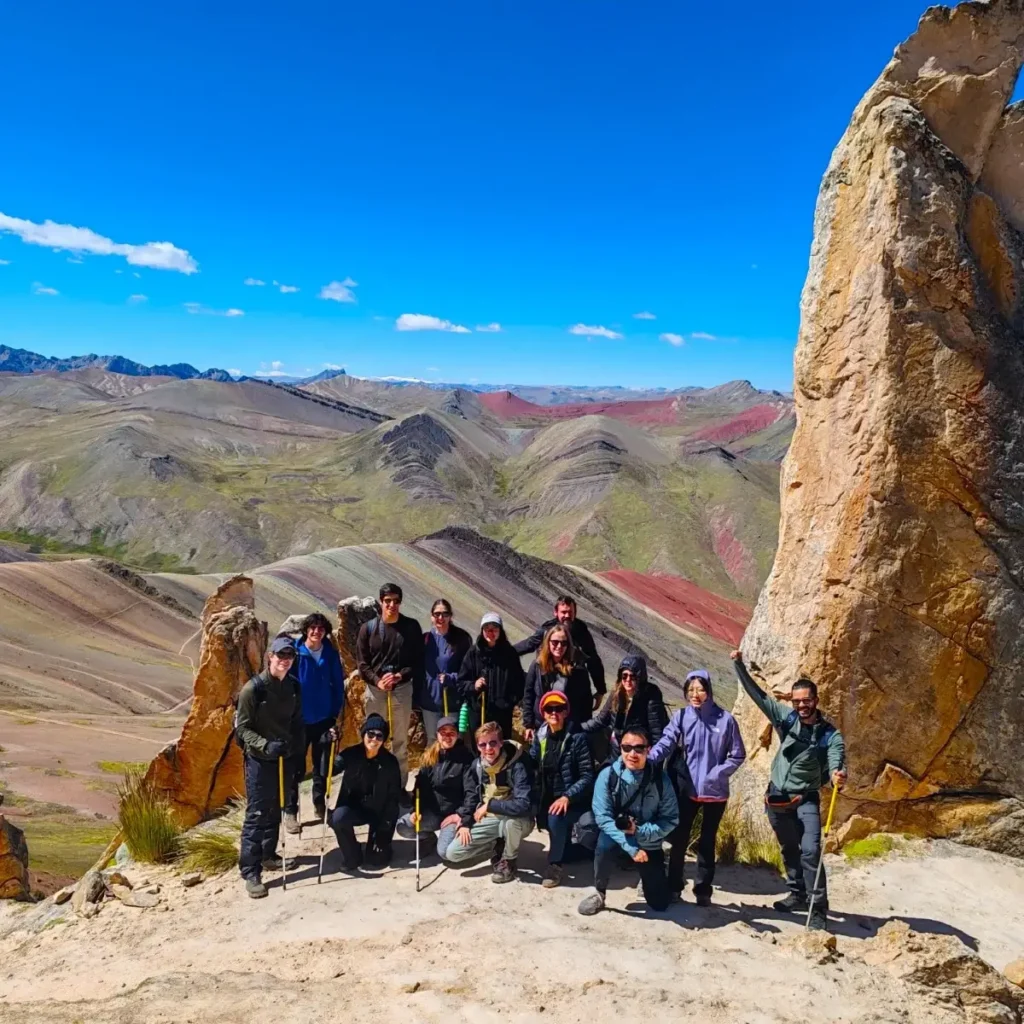
If you’ve been researching the famous rainbow mountains near Cusco, you’ve probably already come across Vinicunca, the Rainbow...
Leer articulo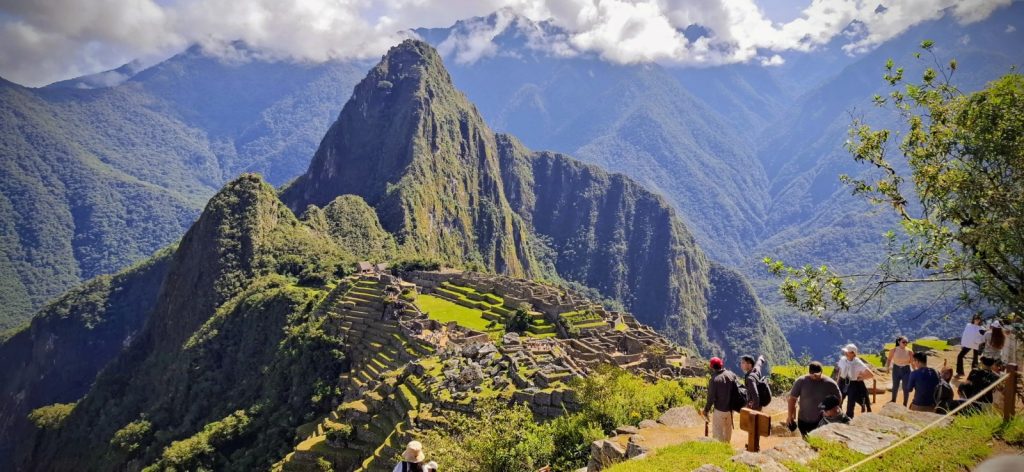
If you’ve already secured your Machu Picchu ticket and are thinking about adding an extra hike up one...
Leer articulo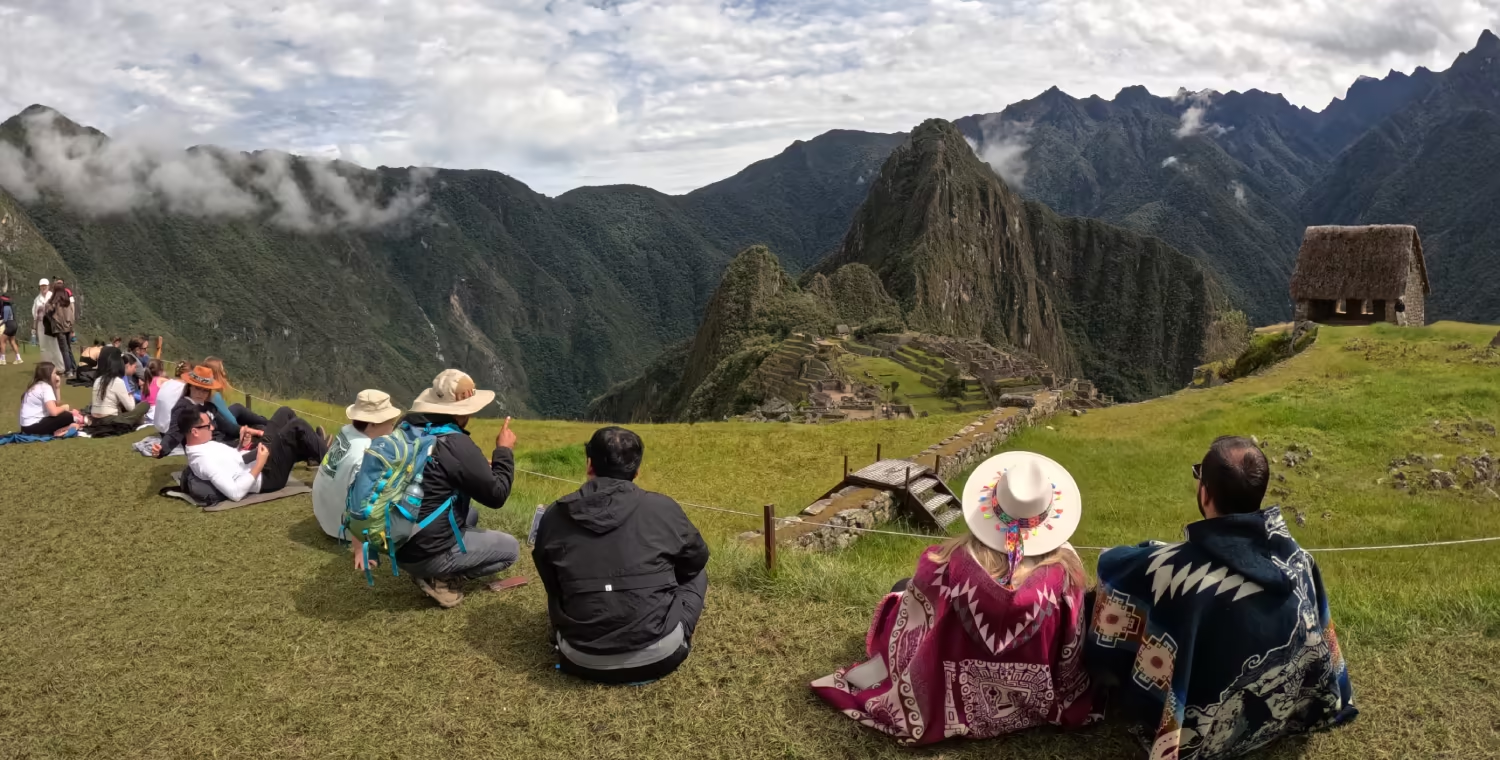
If you’re planning your visit to Machu Picchu, you’ve probably run into a term that causes quite a...
Leer articulo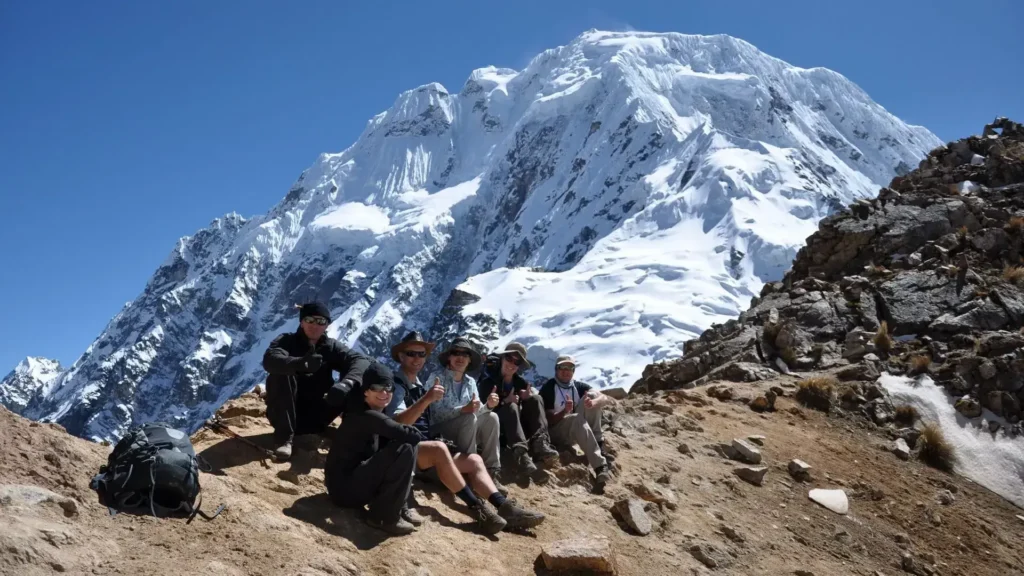
If you’re looking for detailed information on the Salkantay Trek itinerary, you’ve come to the right place. This...
Leer articulo