
8 min read
44 vistas
Peru in 3 or 4 days: what to see on a short trip
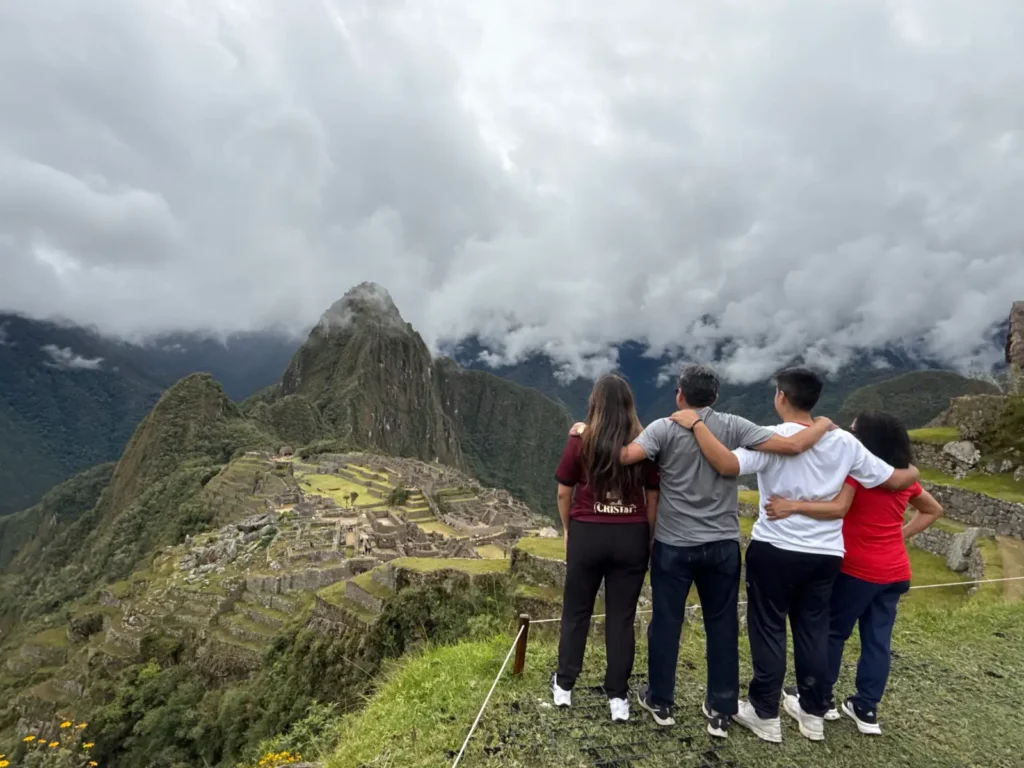
Not everyone has two weeks to spare. Sometimes it is a long weekend, a few vacation days or...
Leer articuloBefore booking flights and hotels, it helps to know which documents, formalities and precautions you need. Peru travel requirements depend on your nationality, your country of departure and the rules in force at the time of your trip, and they can change with little notice.
This guide gives a general overview of what is usually asked: passport and visa, health, insurance, money and preparation for altitude. It is orientative information, not legal or medical advice. Before you travel, always verify the details with the Peruvian embassy or consulate in your country, with Peru’s immigration authority and with your airline.
Passport. A valid passport is normally required, with a minimum remaining validity on the day you enter (at least six months is often recommended, though the exact rule should be confirmed). Citizens of some neighboring countries may be able to enter with a national ID card under regional agreements, but this varies by country and by current conditions.
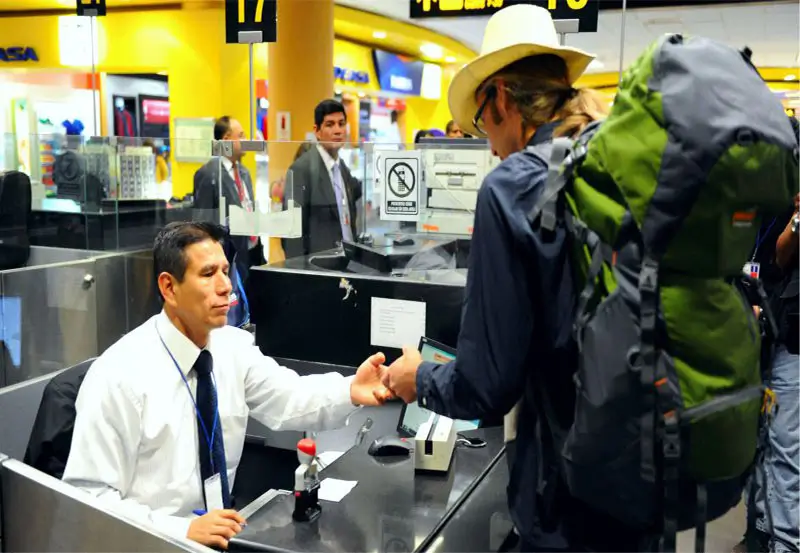
Visa. Peru waives the tourist visa for citizens of many countries, including much of the Americas, the European Union and other common source markets for tourism. In those cases the permitted stay is usually up to 90 or 183 days depending on nationality, but the exact period is set by the immigration officer at the border. Other nationalities do require a visa or prior authorization.
That is why the question “do I need a Peru visa?” has no single answer. To know for certain:
Other documents you may be asked for. At check-in or at the border, you may be asked for an onward or return ticket, proof of accommodation or proof of sufficient funds. Keep digital and paper copies.
Minors. If children travel with only one parent or with third parties, additional authorizations or documents may be required. Check the rules well in advance, as they vary by country of origin.
Length of stay and entry record. Keep the entry record you are given, since it may be requested when you leave. If you plan to extend your stay, check the official procedures early.
On health matters, the prudent step is a travel-medicine consultation four to eight weeks before departure. A professional can assess your history, age, existing conditions and itinerary, and advise what applies to you.
What is useful to know in general terms:
Please do not make decisions about medication or vaccination based only on a general guide like this one. Any recommendation should come from a health professional or a travel clinic using current information.
Carry your regular medication in its original packaging, with a copy of the prescription, along with a basic first-aid kit.
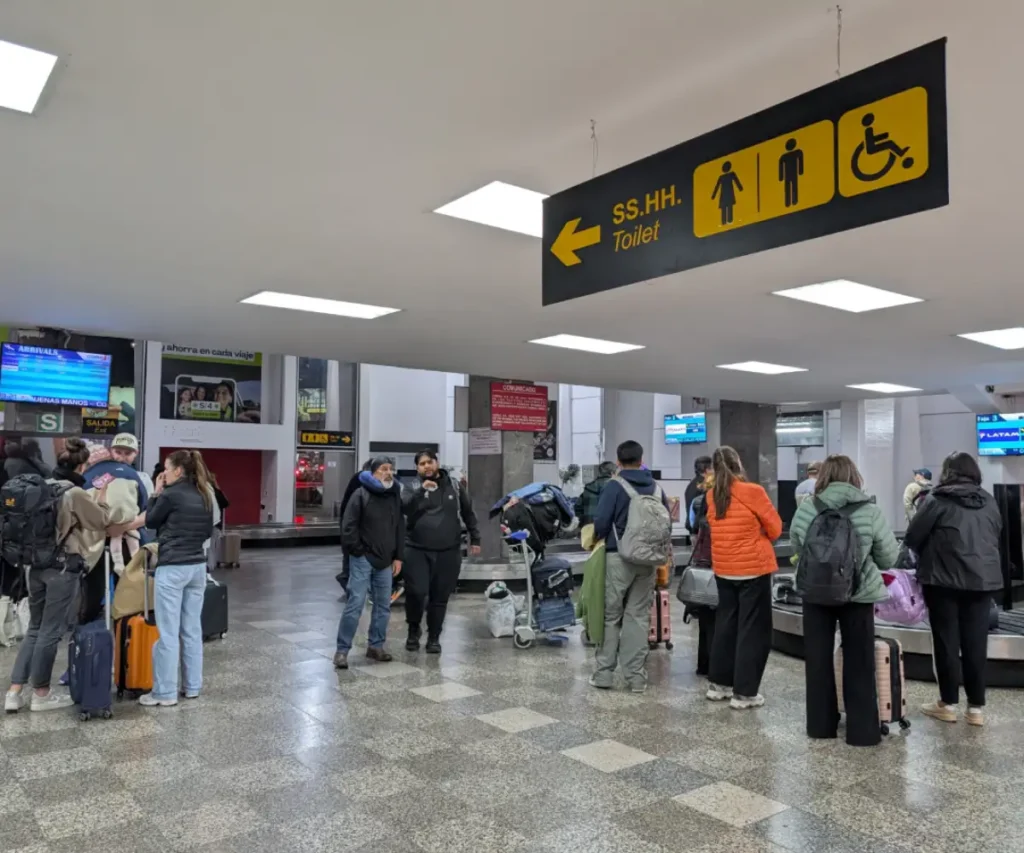
Even when it is not mandatory, travel insurance is strongly recommended. Peru has good services in its major cities, but medical care in remote areas can be limited, and evacuations are costly.
When comparing policies, check:
Save the insurer’s assistance number and a copy of the policy on your phone and on paper.
Currency. The official currency is the Peruvian sol (PEN). US dollars are accepted at some tourist establishments, but paying in soles is the norm and usually gives a better rate. The Peru currency you will use day to day is the sol.
Cash and cards. Credit and debit cards are widely accepted at hotels, restaurants and shops in tourist cities, though cash remains essential at markets, on local transport and in rural areas. ATMs are common in cities, but withdraw cash ahead of heading to remote areas.
Practical tips:
Tipping. Tips are not mandatory, but it is customary to leave one at restaurants (a service charge is sometimes already included, so check the bill) and to recognize the work of guides, drivers and porters. Amounts are discretionary and depend on the quality of service.
To estimate how much you will need, see our guide to the Peru trip budget.


Altitude. Cusco sits at about 3,400 m (11,150 ft) and other points on common itineraries exceed 4,000 m (13,100 ft). Altitude sickness can affect people of any age and fitness level. Common symptoms include headache, fatigue, nausea, loss of appetite and disturbed sleep. Some general guidelines:
You can read more in our guide to altitude sickness in Cusco. Any medication for altitude should be prescribed or advised by a professional.
Water and food. As a precaution, avoid drinking tap water. Choose bottled, boiled or purified water. Be careful with ice, raw salads and food from stalls with low turnover, especially in the first days. Wash your hands often.
Sun. At altitude, ultraviolet radiation is intense. Use sunscreen, a hat and sunglasses.
For a broader view of the process, read how to plan your trip to Peru.
Remember that requirements change, and that the definitive source is always the official authority. If you would rather have someone handle the logistics and guide you through each step, plan your trip with experts.
También te puede interesar
Not everyone has two weeks to spare. Sometimes it is a long weekend, a few vacation days or...
Leer articulo
Money questions are some of the first ones travelers ask before landing in Lima. How much is the...
Leer articulo
A good Peru packing list is hard to write because a single trip can take you from a...
Leer articulo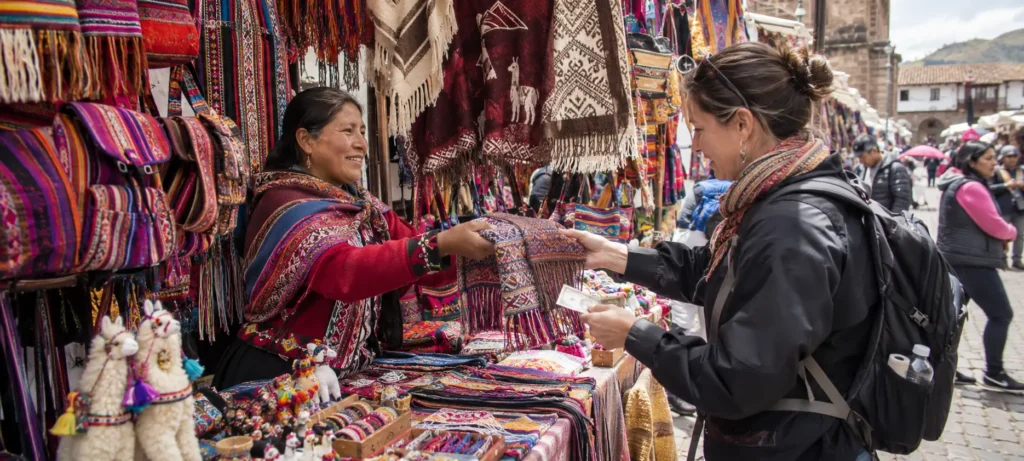
Knowing what to buy in Peru saves you money and keeps you from hauling home souvenirs that were...
Leer articulo
Cusco’s food is much more than guinea pig and quinoa soup. It is a high-altitude cuisine that blends...
Leer articulo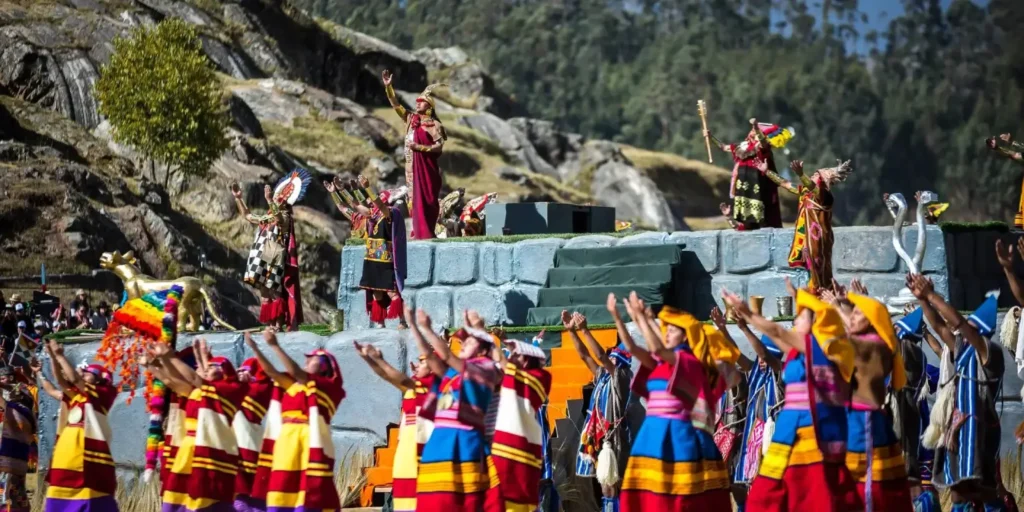
Every June 24, Cusco stops to welcome the sun. Inti Raymi brings hundreds of actors, musicians and dancers...
Leer articulo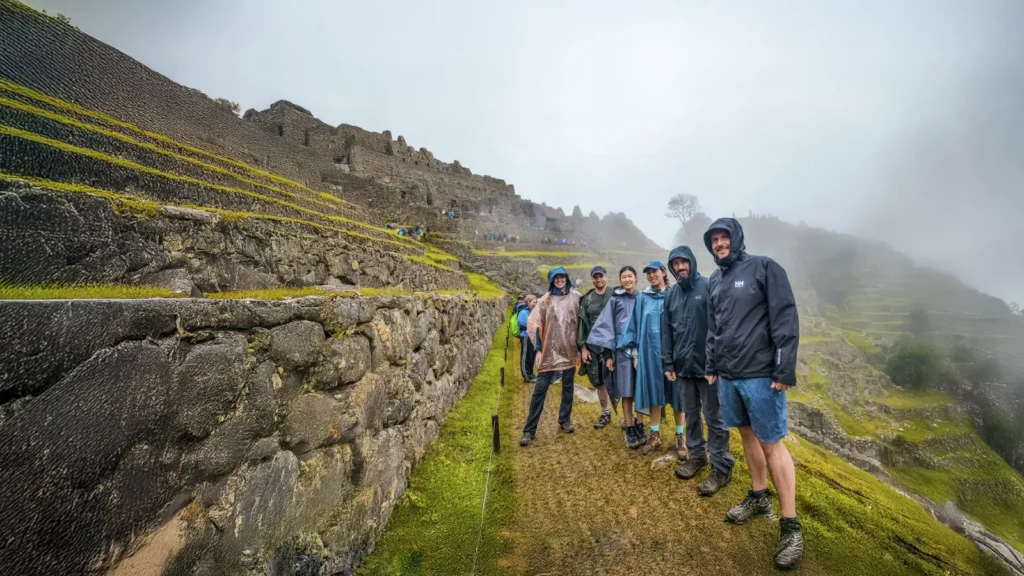
Machu Picchu weather changes less in temperature than in rain: the differences between months show up mostly in...
Leer articulo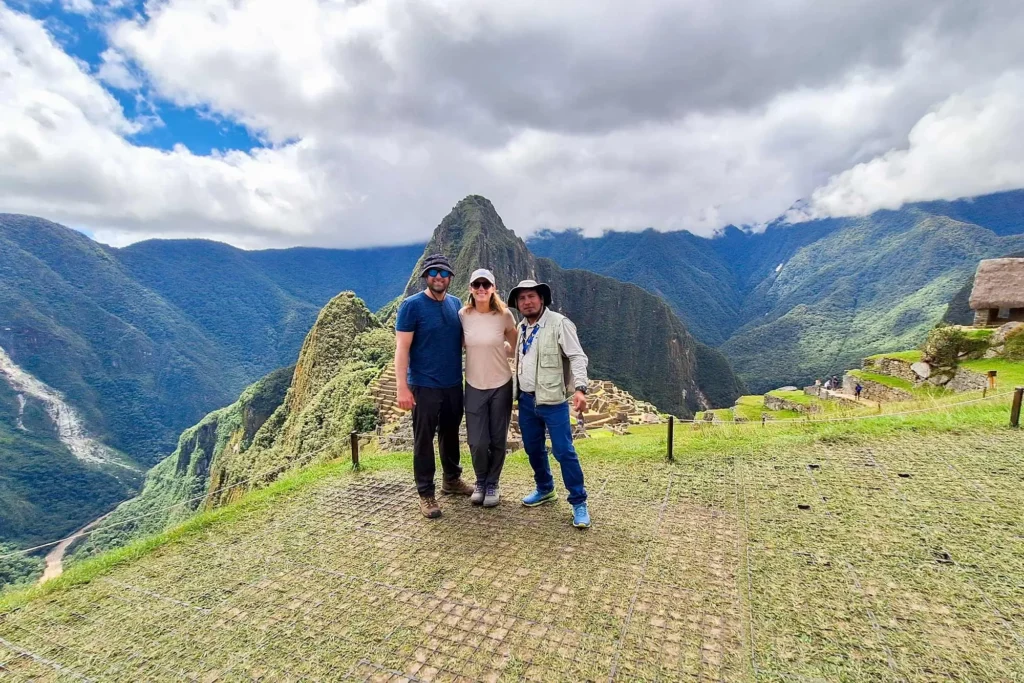
Yes, you can see Machu Picchu in one day from Cusco, but it is a long day with...
Leer articulo