9 min read
52 vistas
How Many Days Do You Need in Cusco
This is probably one of the most common questions among those starting to plan their trip to Peru:...
Leer articuloSeptember marks the end of the dry season in the Peruvian Andes and, for many experienced travelers, represents one of the best balances of the year between good weather and fewer people on the trail. After the crowd peak of July and August, September offers a bit of breathing room: the weather remains largely favorable, but foot traffic starts to taper off before October brings the first more consistent rains. If you’re planning to walk to Machu Picchu via this alternative to the Inca Trail, September is one of those months that combines the best of both worlds without the extremes of peak season.
In this guide, we’ll give you an honest look at what to expect from the weather, the trail, and the logistics if you decide to do the Salkantay in September, so you can plan with real information.
September is technically the last month of the dry season before the transition into the rainy period, which intensifies in October and November. This means that while the month remains predominantly dry, clearer signs of change already start to appear: somewhat more cloud cover than in June-August, occasionally stronger winds, and, toward the last week of the month, the possibility of isolated drizzle, especially in the lower sections of the route.
During the day, in the lower sections and around the town of Mollepata, temperatures usually range between 18-21°C (64-70°F), with sun still intense due to the altitude. At Salkantay Pass, at 4,630 m (15,190 ft), daytime temperatures hover around 6-9°C (43-48°F), and nights, while still cold, tend to be somewhat less extreme than at the June-July peak: at the higher camps, it’s common to see readings between -6°C and -12°C (21°F to 10°F), with variation depending on the specific week of the month.
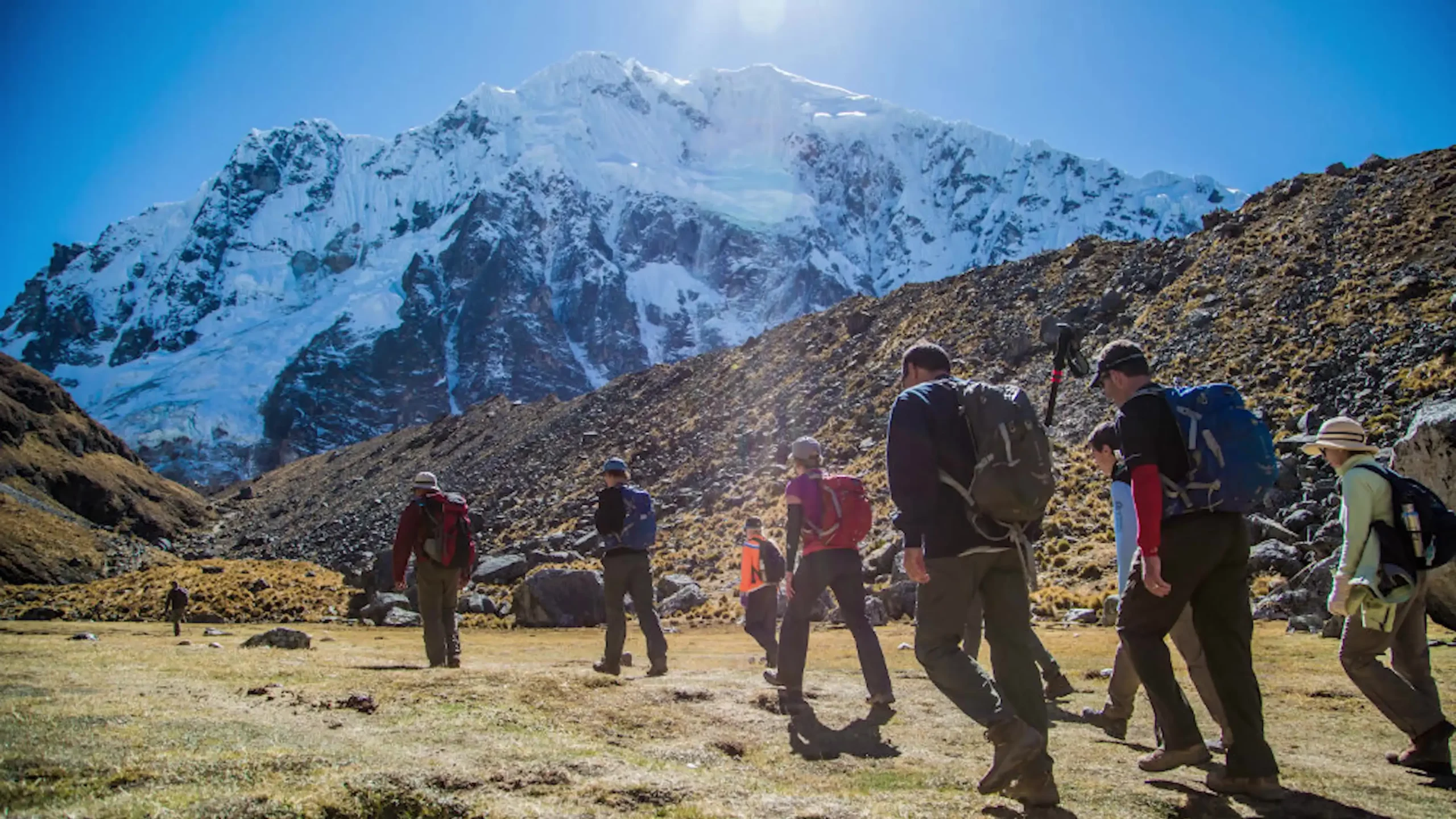
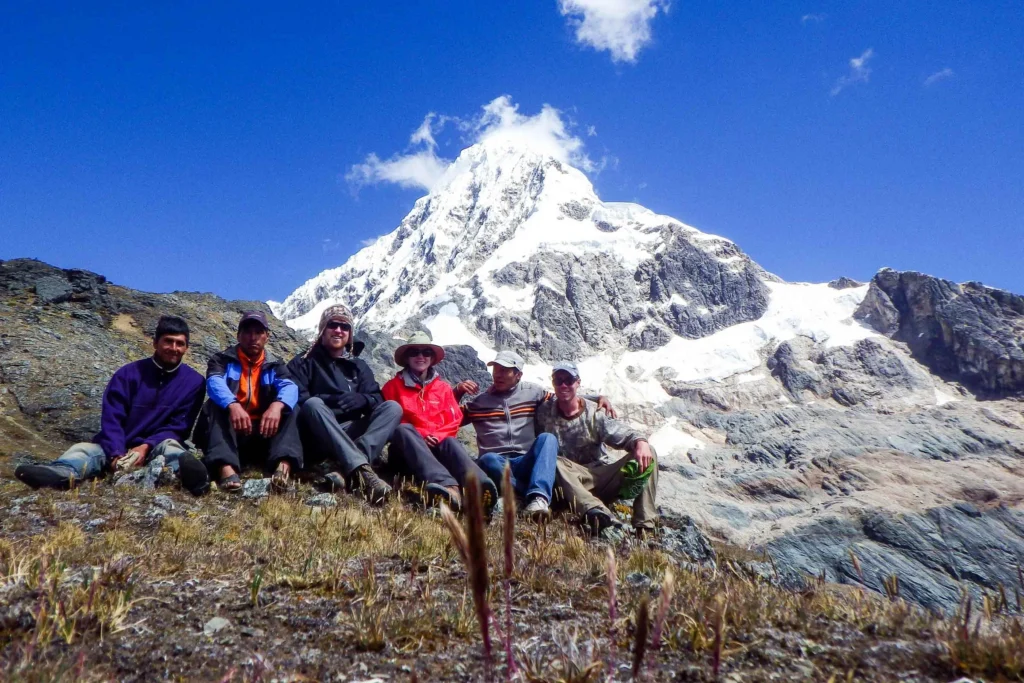
Visibility in September remains good overall, though not as consistently clear as in July. It’s common to have completely clear-sky days alternating with cloudier ones, which still leaves plenty of opportunities to see Salkantay Mountain (6,271 m / 20,574 ft) and enjoy attractive panoramic views.
Since September still retains much of the dry season’s rigor at altitude, prior acclimatization remains essential. We recommend checking our Salkantay acclimatization guide before setting out, especially if you’re arriving directly in Cusco (3,400 m / 11,152 ft) from lower elevations.
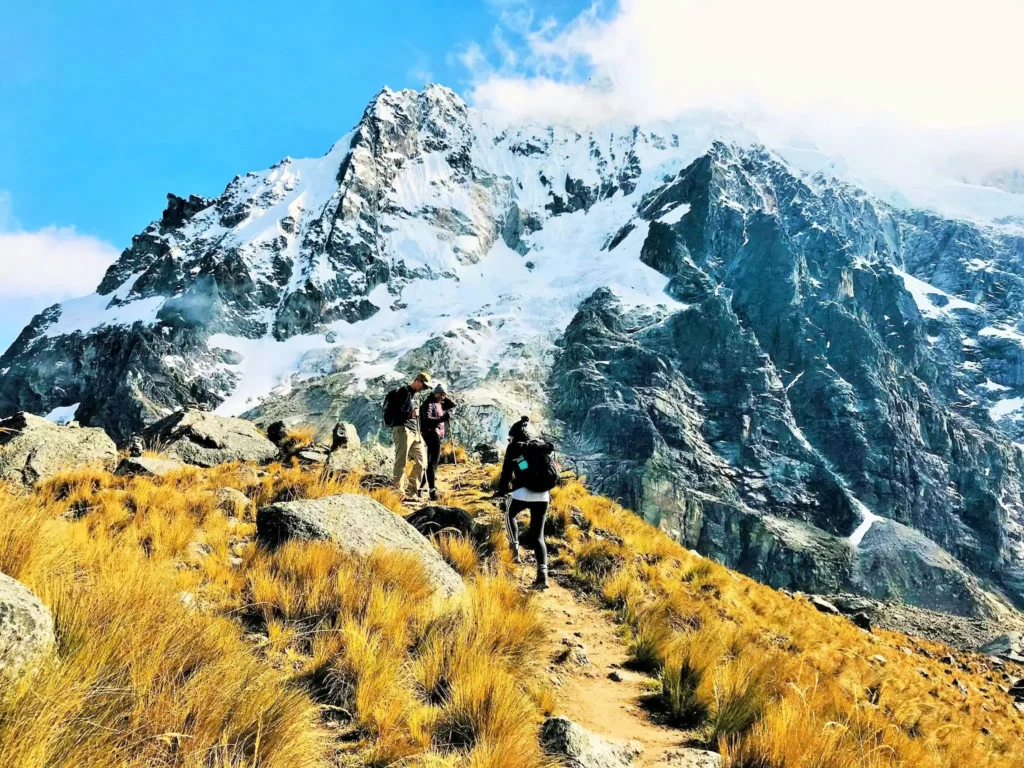
The trail in September generally remains in good condition: dry across most of the route, though toward the end of the month some sections may see localized dampness if isolated drizzle falls. In practical terms, this still doesn’t significantly affect the hike, and conditions remain notably better than during the full rainy months (December to March).
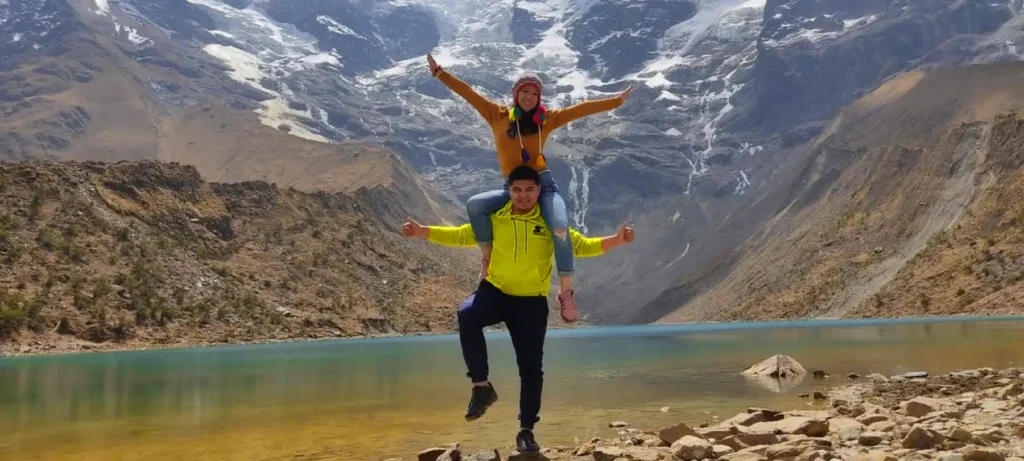
Humantay Lake, at 4,200 m (13,780 ft), remains a must-see stop in September. With somewhat less traffic than in July and August, many visitors find this month offers a more relaxed experience for enjoying the contrast between the turquoise water and the glacier in the background, without the crowded feel that can occur at the height of peak season.
As for the overall scenery, September sits at an interesting transitional point: the dry, golden tones that have prevailed since June start showing the first green sprouts in some areas, hinting at the gradual return of the rains. This contrast between the dry and the newly greening landscape gives September a distinctive look, different from both the pure dry season and the rainy season.
At Salkantay Pass, the odds of a clear view of the mountain remain good, though somewhat less guaranteed than in July. Wind can show up fairly often in this section, so it’s worth coming prepared.
September also has nuances worth knowing before you book:
An important detail before you book: the Salkantay Trek does not require government-issued permits, unlike the classic Inca Trail, which has a fixed daily quota of 500 people (including staff) regulated by the Peruvian government. This gives the Salkantay greater booking flexibility compared to its more famous rival.
As for September specifically, this month is still part of the high season (May-September), so demand remains considerable, though noticeably lower than at the July-August peak. This translates into a more balanced experience: good weather, less crowded trails, and an easier time landing smaller groups or specific dates without the pressure of booking months in extreme advance.
Even so, don’t get too comfortable: September is still within official high season, so we recommend booking at least 4 to 6 weeks in advance to secure good scheduling and operator options. You can check all the logistical details in our complete Salkantay Trek guide, and if you’re still unsure whether September is your best option, check out our comparison of the best time for the Salkantay Trek.
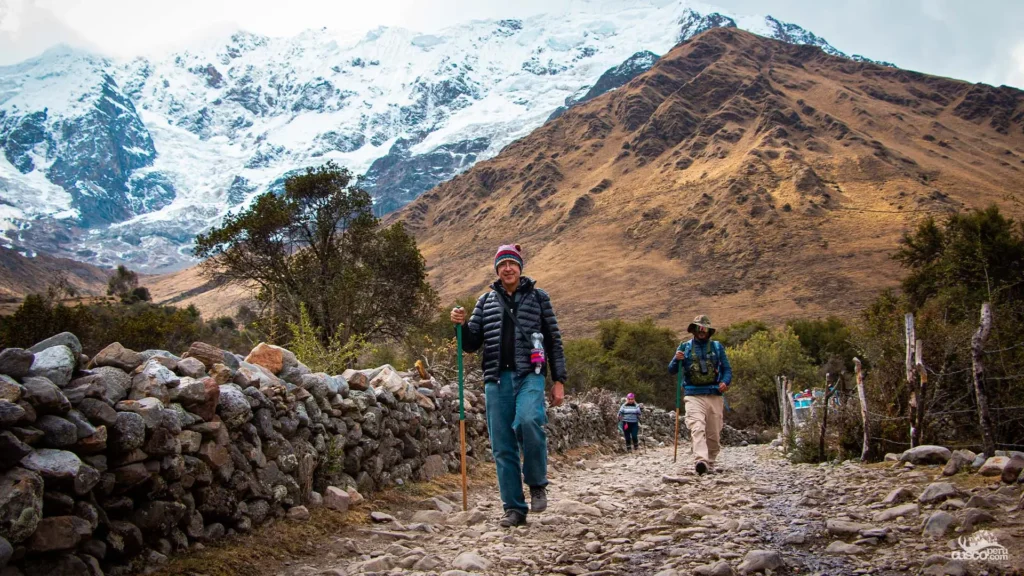
September’s weather — mostly sunny days, cold nights, and the occasional chance of wind or drizzle — calls for versatile gear:
Yes, absolutely: September is one of the best months of the year to hike the Salkantay Trek if you’re looking for a smart balance between good weather and fewer crowds. In many ways, it’s the month that rewards those who’d rather avoid the chaos of July and August without fully giving up the dry season’s favorable conditions.
That said, come prepared for some weather variability toward the end of the month, and don’t underestimate the nighttime cold or the demands of the altitude. If you book with reasonable lead time and bring the right gear, September can offer you one of the most well-balanced experiences on the entire Salkantay calendar.
Ready to experience it for yourself? Book your Salkantay trek in September with our 5-day Salkantay Trek to Machu Picchu, or if you have questions about dates, gear, or spot availability, contact us and we’ll help you plan the perfect trek for you.
También te puede interesar
This is probably one of the most common questions among those starting to plan their trip to Peru:...
Leer articulo
If you’re planning your visit to Cusco, you’ve likely come across the term “Tourist Ticket” more than once....
Leer articulo
Just a few minutes from Cusco’s Plaza de Armas, on the hills overlooking the city from above, sits...
Leer articulo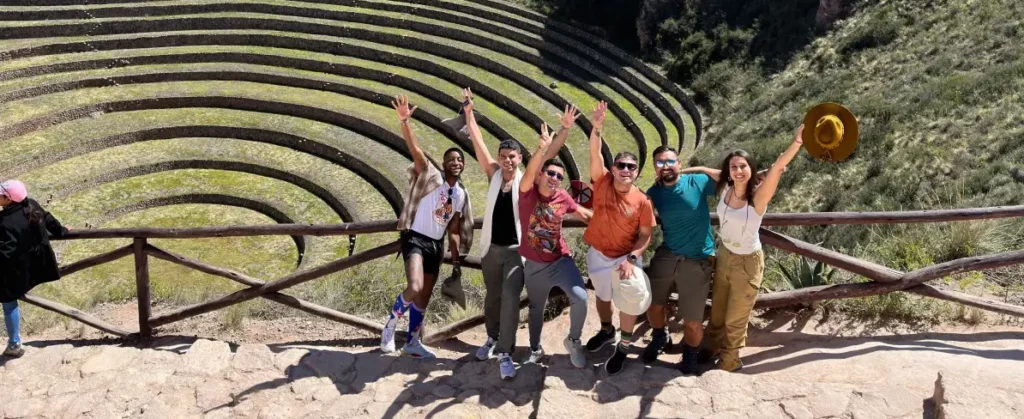
In the Sacred Valley of the Incas, just a short distance from one another, sit two of the...
Leer articulo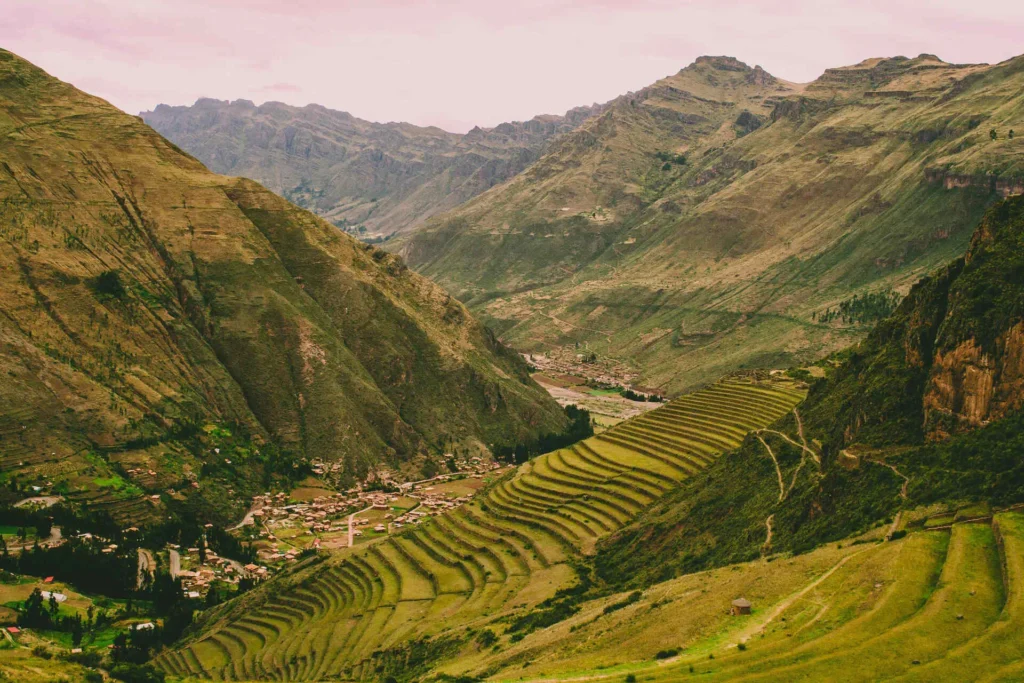
Pisac is one of those Sacred Valley destinations that manages to combine, in a single day’s visit, two...
Leer articulo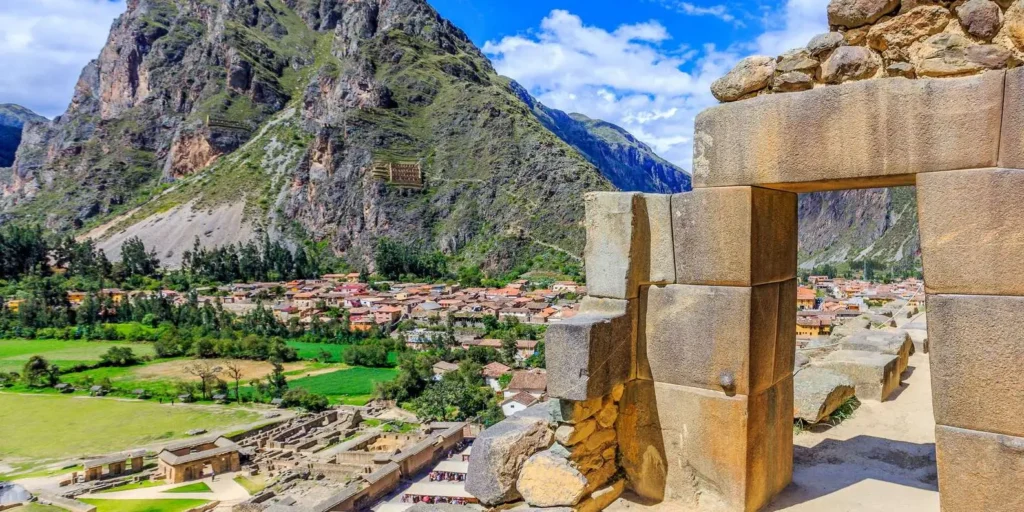
Ollantaytambo is, arguably, the most special town in the entire Sacred Valley of the Incas. Unlike other archaeological...
Leer articulo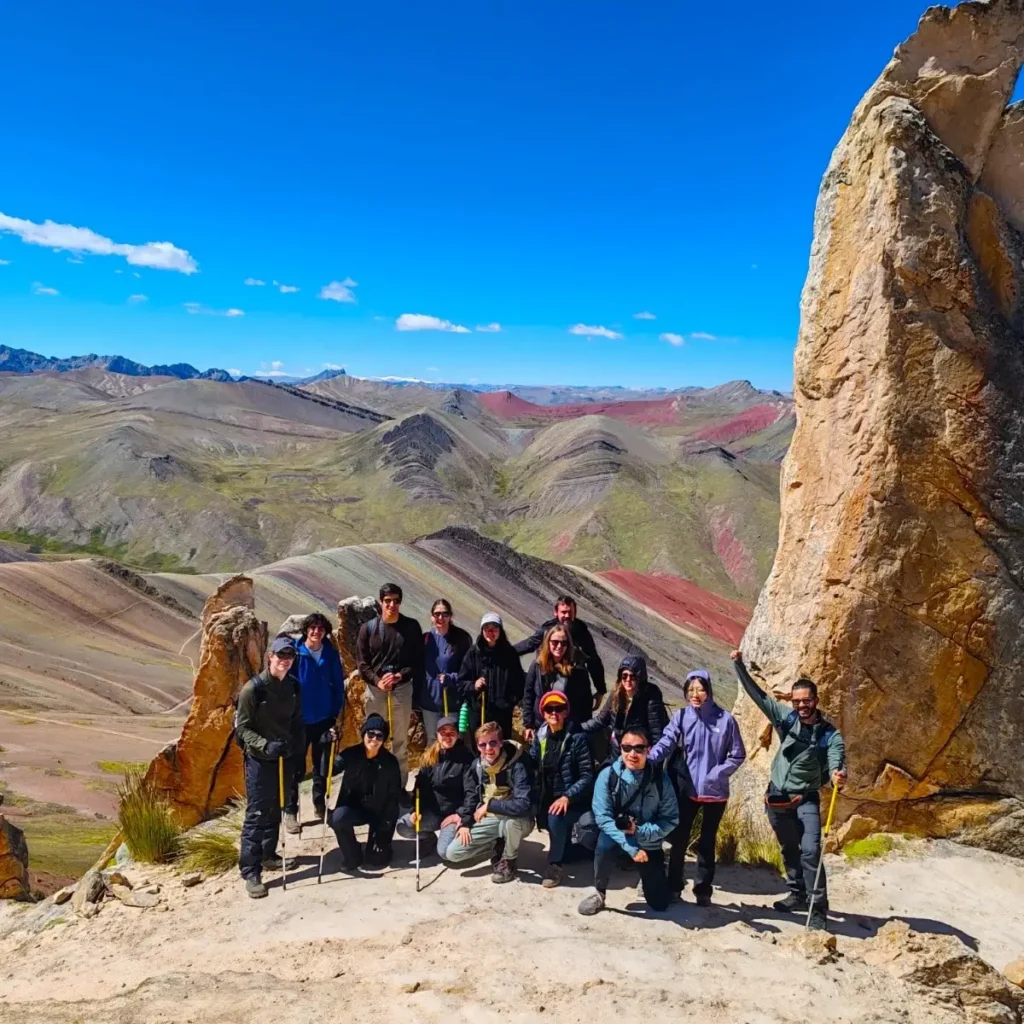
If you’ve been researching the famous rainbow mountains near Cusco, you’ve probably already come across Vinicunca, the Rainbow...
Leer articulo
If you’ve already secured your Machu Picchu ticket and are thinking about adding an extra hike up one...
Leer articulo