8 min read
48 vistas
Cusco Tourist Ticket: What It Includes
If you’re planning your visit to Cusco, you’ve likely come across the term “Tourist Ticket” more than once....
Leer articuloFor many travelers, June is the quintessential month for the Inca Trail. It marks the height of the dry season in the Peruvian Andes, with clear skies, pleasant daytime temperatures, and an almost nonexistent chance of rain. Add to that a unique cultural draw: on June 24, Cusco celebrates Inti Raymi, the Festival of the Sun, one of the most important dates on the Andean calendar and one of the largest festivals in all of South America.
This combination of ideal weather and an ancestral celebration makes June one of the highest-demand months in Cusco, both for travelers wanting to hike the Inca Trail and for those simply hoping to witness Inti Raymi. In this article, we cover what to expect from the weather, how permit availability works during this peak month, how to plan around Inti Raymi if it coincides with your trip, and what to pack to get the most out of the trek.
If you’re not yet familiar with the general details of the route, check out our complete Inca Trail guide first, which covers the itinerary, difficulty level, and overall logistics.
June falls in the heart of the Andean winter, which, paradoxically, is the best time of year climate-wise for trekking in the region. It’s the month with the lowest chance of rain of the entire year, alongside July, making it the safest choice for travelers who prioritize predictable weather above all else.
The main reasons so many travelers are drawn to June include:
This combination of factors makes June, along with July and August, the busiest quarter of the year for tourism in Cusco and Machu Picchu.
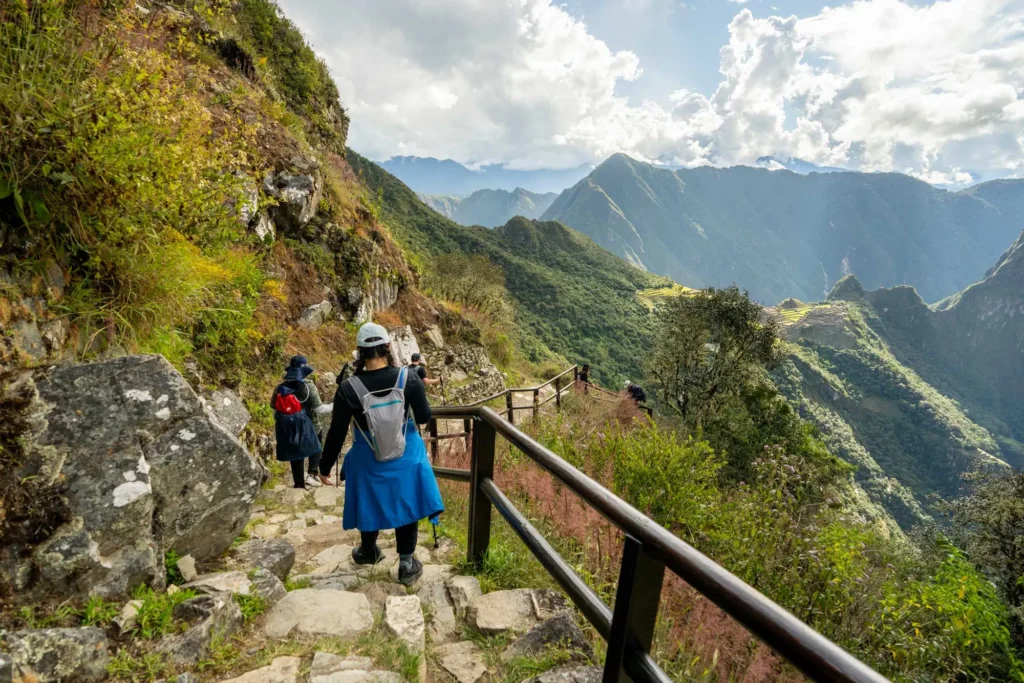
June offers by far the most stable and predictable weather conditions for the Inca Trail:
The main weather challenge in June isn’t rain — it’s the cold at night. Trekkers need to be well prepared for below-freezing temperatures overnight at altitude, especially at the campsite before crossing the highest pass on the route.
Inti Raymi, or the Festival of the Sun, is celebrated every June 24 in Cusco and is a reenactment of the original Inca ceremony honoring the sun god (Inti), which marked the winter solstice in the Southern Hemisphere. It’s one of the most important and heavily attended festivals in all of Peru.
The celebration includes:
If your trip lines up with this date, it’s a unique opportunity to combine trekking with one of the most important cultural expressions in the Andes. That said, it also means Cusco sees an exceptional surge of visitors during those days, which directly affects the availability of hotels, flights, and, of course, Inca Trail permits.
If you’re planning to witness Inti Raymi and hike the trail on the same trip, we recommend scheduling the Inca Trail either before or after June 24, to avoid the city’s peak congestion on those specific days and enjoy both experiences at a more relaxed pace.
June, along with July and August, is the month of highest permit demand for the classic Inca Trail all year round. This is especially critical during Inti Raymi week, when the influx of visitors to Cusco spikes.
Key points about permits in June:
Since June combines ideal dry-season weather with the most important festival of the year, booking early is even more critical than in other high-demand months. To compare June with the rest of the year and decide whether another date might suit your plans better, check out our article on the best time for the Inca Trail.
Since the biggest challenge in June is the cold at night rather than rain, your gear should prioritize thermal insulation:
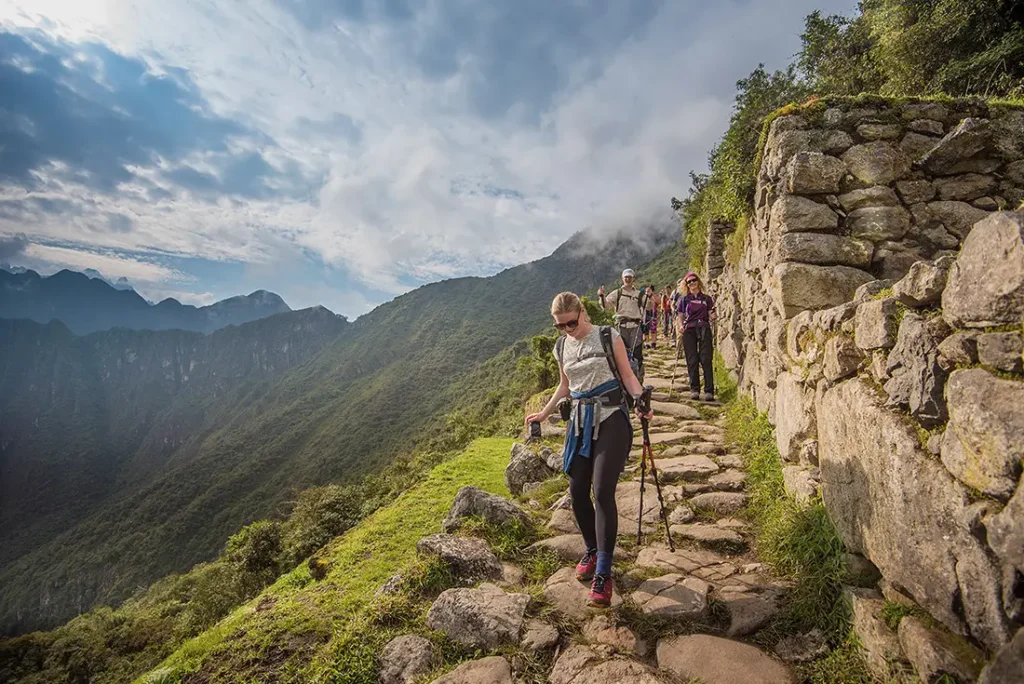

Since June is the highest-demand month of the year, these tips matter even more than usual:
If, while planning your trip, you discover that June permits are already sold out — which is fairly common given the demand this month — there are excellent alternatives with no quota restrictions.
The Salkantay Trek (open year-round) is the most popular alternative, with spectacular high-mountain scenery and full booking flexibility, even at the last minute. You can check out all the details in our complete Salkantay guide.
You might also consider the Lares Trek combined with a short Inca Trail, which offers a deep cultural experience through traditional Andean communities before connecting to a short stretch of the classic Inca Trail on the way to Machu Picchu.
Both routes let you enjoy June’s excellent weather and, if your dates allow, still coincide with Inti Raymi in Cusco, without relying on the limited permit availability of the classic Inca Trail.
June combines the best and the most competitive sides of Cusco’s tourism calendar: near-perfect trekking weather and one of the most important cultural celebrations in the Andes, Inti Raymi. That combination makes it an extraordinary month to travel, but also the one with the fiercest competition for the Inca Trail’s limited permits.
If hiking the classic Inca Trail in June is your priority, book as far in advance as possible — ideally 5 to 7 months ahead — and think about whether you want to build your itinerary around Inti Raymi. If you’d rather have more flexibility, or permits are already sold out for your dates, the Salkantay Trek or Lares combined with the short Inca Trail let you enjoy the same exceptional weather without the quota restrictions.
Every traveler has different priorities, and choosing the best option depends on your exact dates, your interest in Inti Raymi, and your previous trekking experience. If you’d like personalized help planning your Inca Trail trip in June — including how to combine it with Inti Raymi — contact us and we’ll help you secure your spot on the ideal dates.
También te puede interesar
If you’re planning your visit to Cusco, you’ve likely come across the term “Tourist Ticket” more than once....
Leer articulo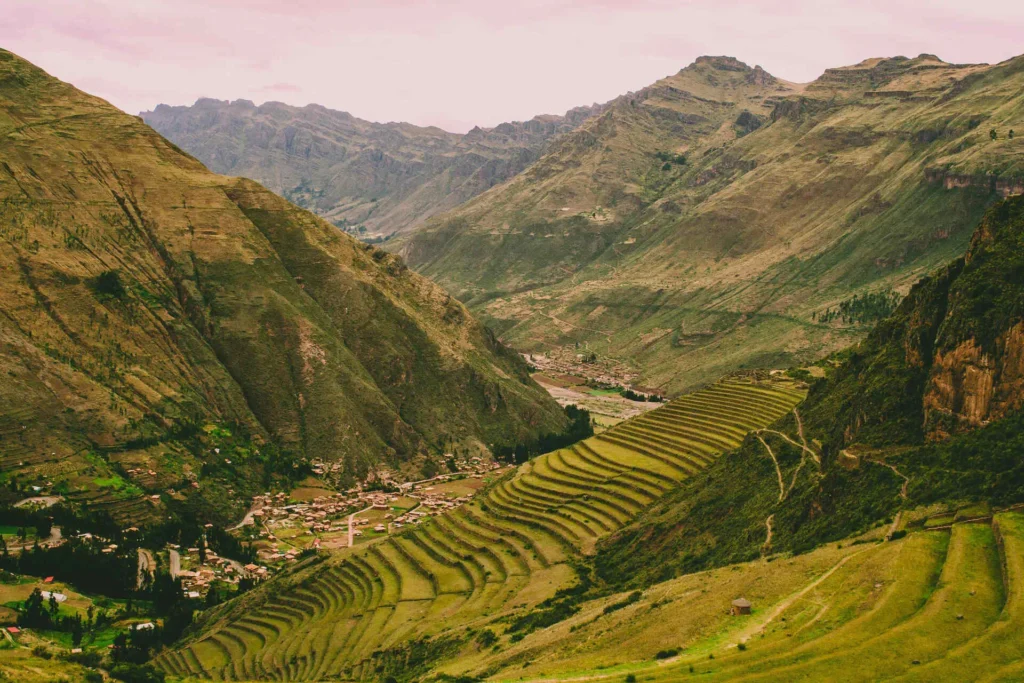
Pisac is one of those Sacred Valley destinations that manages to combine, in a single day’s visit, two...
Leer articulo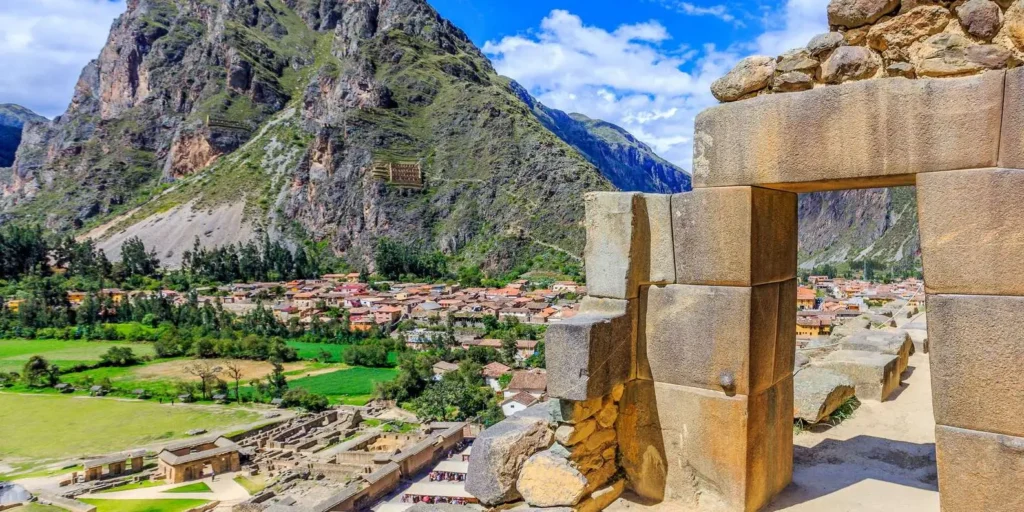
Ollantaytambo is, arguably, the most special town in the entire Sacred Valley of the Incas. Unlike other archaeological...
Leer articulo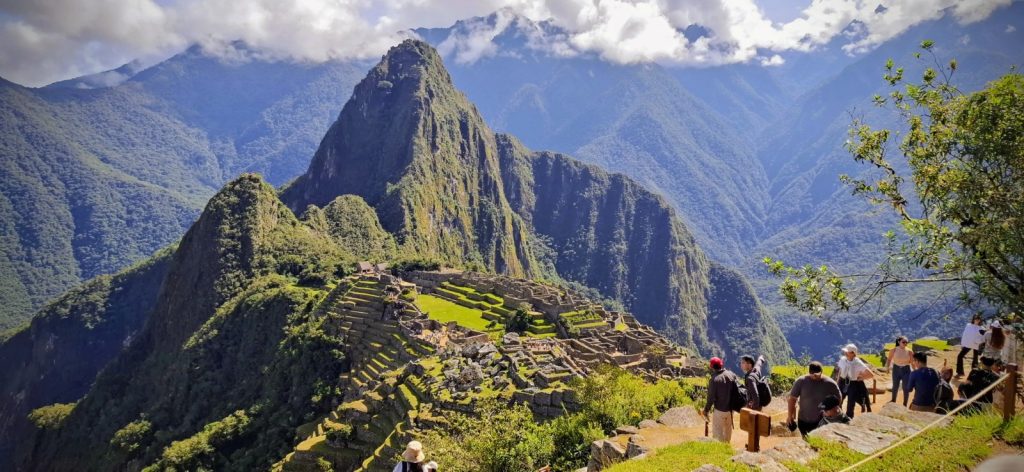
If you’ve already secured your Machu Picchu ticket and are thinking about adding an extra hike up one...
Leer articulo
If you’re planning your visit to Machu Picchu, you’ve probably run into a term that causes quite a...
Leer articulo
August wraps up the busiest quarter of the year for the Inca Trail, alongside June and July. It’s...
Leer articulo
May is, for many travelers and local guides, one of the most recommended months to hike the Inca...
Leer articulo
If you’re wondering how to prepare for the Inca Trail, the honest answer is this: you don’t need...
Leer articulo