8 min read
57 vistas
Peru in 3 or 4 days: what to see on a short trip
Not everyone has two weeks to spare. Sometimes it is a long weekend, a few vacation days or...
Leer articuloYou can usually hike the Inca Trail to Machu Picchu in January, before the scheduled February closure. It’s one of the wettest months in the Cusco region, so plan for muddy paths, slick stone steps, and clouds that can hide the views at higher elevations. You’ll also see the Andes at their greenest, from the terraces along the route to the slopes above the cloud forest.
If you’re considering a late-January departure, confirm when you’ll finish hiking before you lock in the rest of your trip. For an overview of the route, campsites, and daily hiking schedule, start with our complete Inca Trail guide.
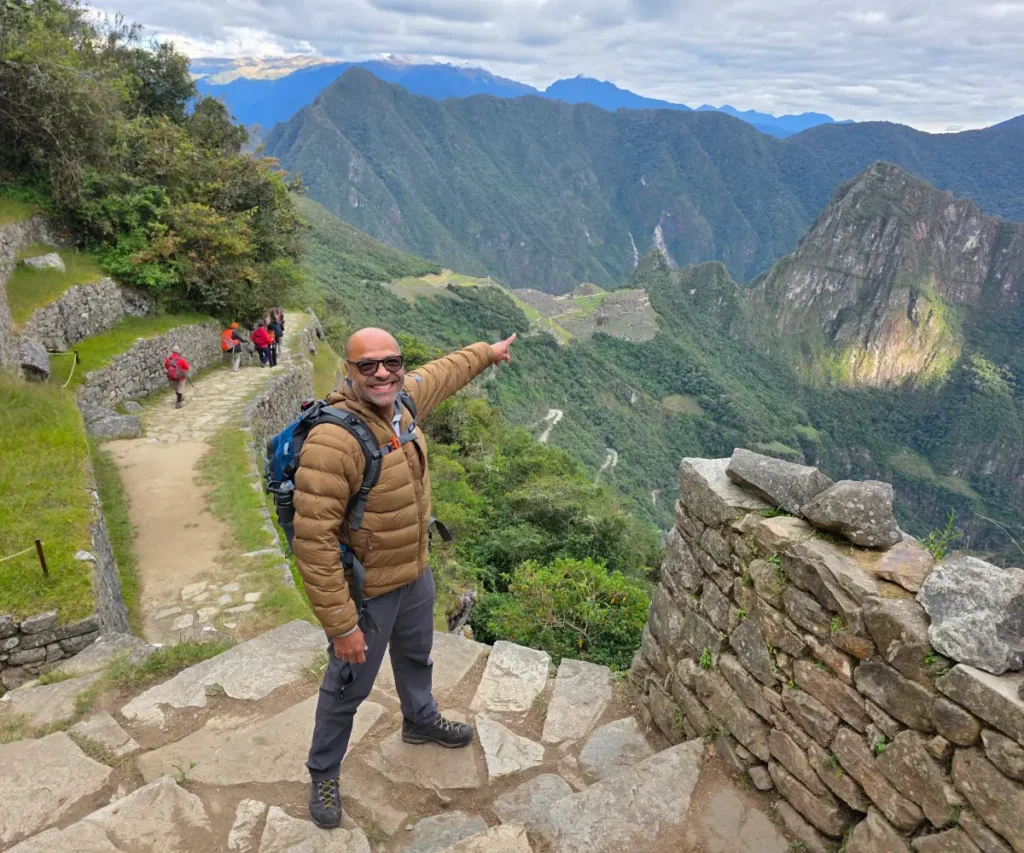
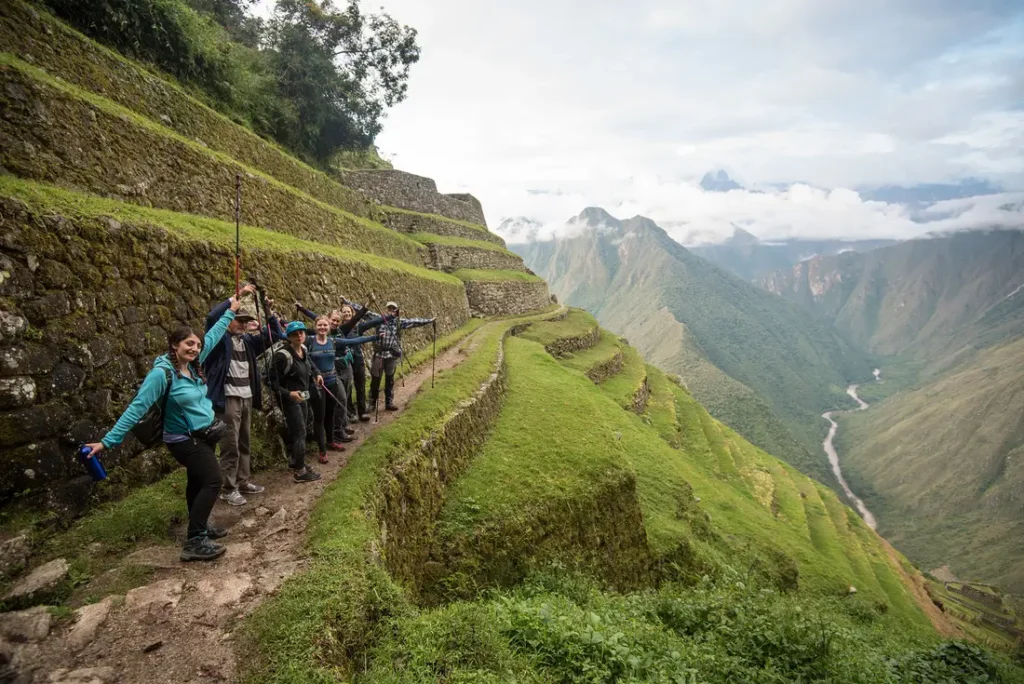
Rain can fall at any point during the day, even when the morning starts clear. On the classic four-day route, clouds can move in by the time you reach Dead Woman’s Pass (Warmiwañusca). Farther down, wet stone steps and muddy stretches can slow your pace, especially on descents. Keep your rain jacket within reach so you can put it on without unpacking your daypack.
Bring a warm layer for the higher sections and evenings at camp. Damp clothes can chill you quickly once you stop walking, so keep a dry change of clothes packed separately for the end of the day. If you’re planning to visit other parts of the country, our guide to Peru’s dry and rainy seasons explains how conditions vary by region.
The Inca Trail closes in February for scheduled maintenance. The closure applies to both the classic route and the Short Inca Trail. If you’re booking a late-January trek, ask your operator to confirm the last date your route can run and which day your group will finish hiking. On a multiday trek, your departure date is only part of the itinerary.
If your trip extends into February, you can still plan a visit to Machu Picchu by train, subject to ticket availability and transport conditions. Our guide to the Inca Trail’s February closure explains how the closure affects trekkers and how to plan a visit to the site during that period.
An authorized tour operator must arrange your Inca Trail permit using your passport details. Availability depends on the route and date. If you’re traveling with a group or have a narrow window, ask your operator to check everyone’s permits before you make other nonrefundable bookings.
Once your permit is confirmed, plan around that date. Having spare time in Cusco can make the rest of your trip easier to adjust if weather disrupts travel, but switching trek dates depends on permit availability. See our guide to Inca Trail permits and availability for details on booking.
Pack so you can reach your rain gear on the trail and still have something warm and dry to wear at camp. These items are especially useful in January:
For the rest of your gear, use our Inca Trail packing list.
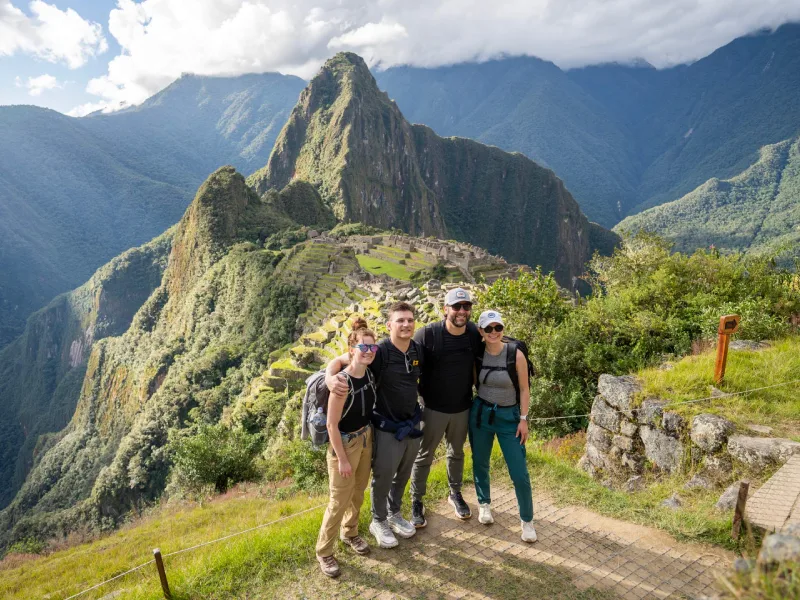
If you’d prefer a different multiday hike, the five-day Salkantay Trek to Machu Picchu uses a separate route. It still crosses high mountain terrain during the rainy season, so check trail and transport conditions with your operator before committing. Our complete Salkantay Trek guide covers the route and its difficulty.
The Lares Trek combined with the Short Inca Trail takes you through Andean communities before joining the Inca Trail at Km 104. The final hiking segment still requires a Short Inca Trail permit and is subject to the February closure. If visiting Machu Picchu is your main priority, compare the Inca Trail and the train to Machu Picchu to see which fits your itinerary.
If you can travel at another time of year and would prefer drier trails, compare conditions in our guide to the best time to hike the Inca Trail. If January works best for you, contact Aura Travel Experience to check permit availability and confirm how your itinerary fits around the February closure.
También te puede interesar
Not everyone has two weeks to spare. Sometimes it is a long weekend, a few vacation days or...
Leer articulo
Money questions are some of the first ones travelers ask before landing in Lima. How much is the...
Leer articulo
A good Peru packing list is hard to write because a single trip can take you from a...
Leer articulo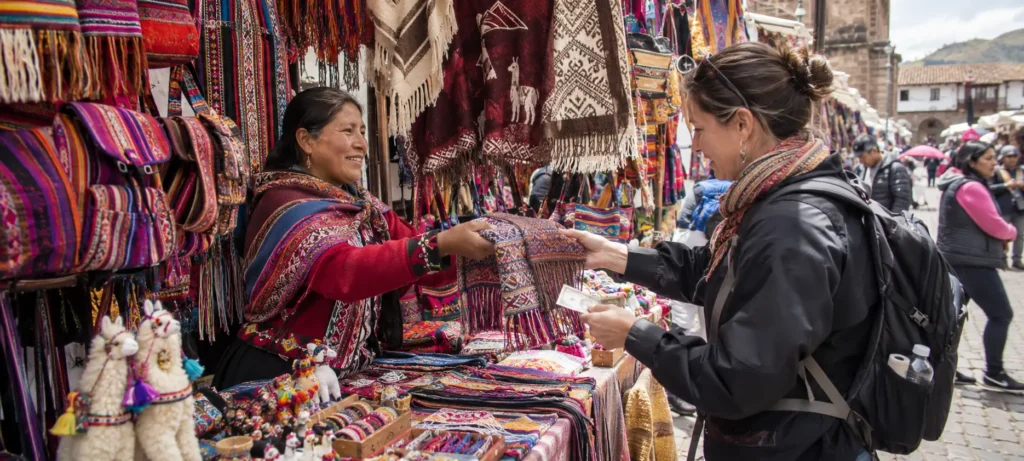
Knowing what to buy in Peru saves you money and keeps you from hauling home souvenirs that were...
Leer articulo
Cusco’s food is much more than guinea pig and quinoa soup. It is a high-altitude cuisine that blends...
Leer articulo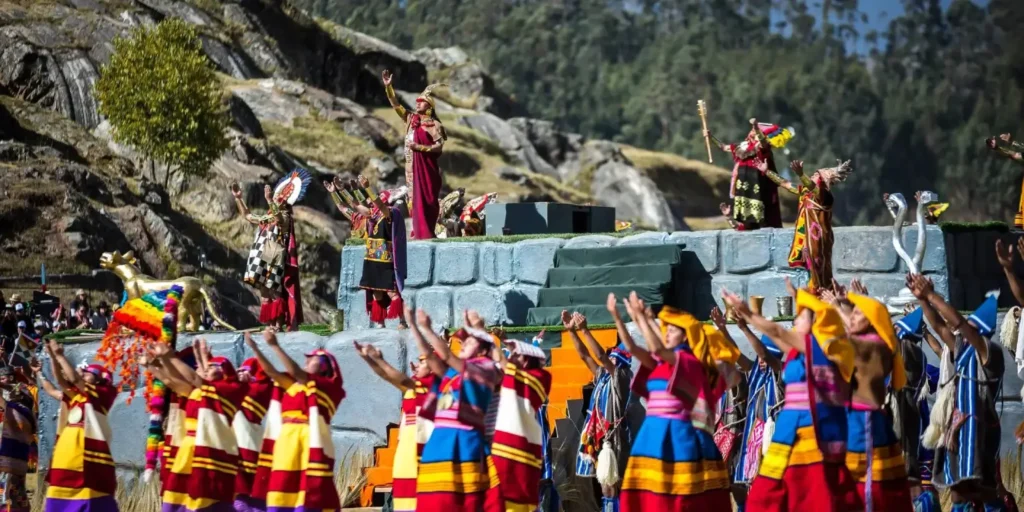
Every June 24, Cusco stops to welcome the sun. Inti Raymi brings hundreds of actors, musicians and dancers...
Leer articulo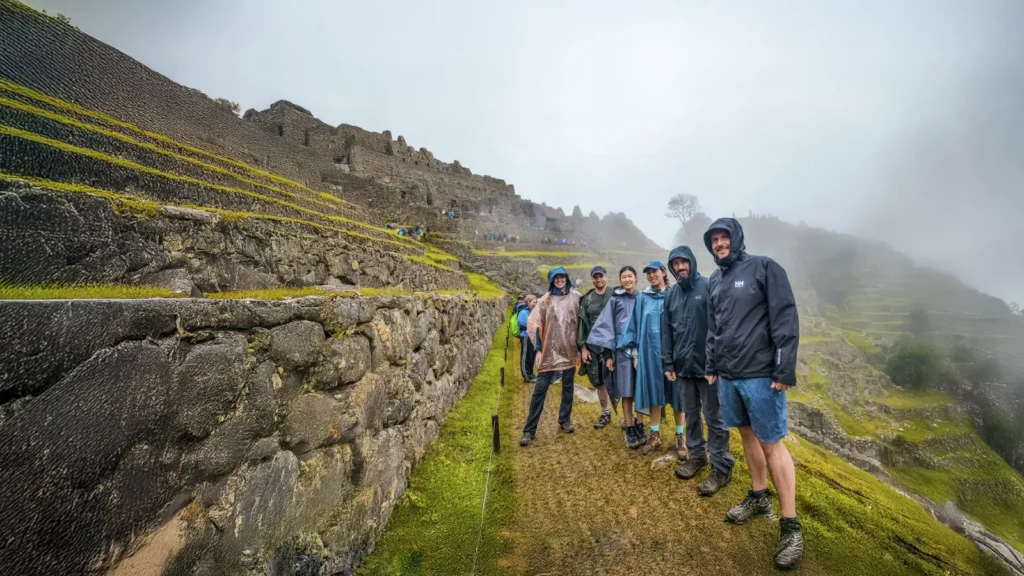
Machu Picchu weather changes less in temperature than in rain: the differences between months show up mostly in...
Leer articulo
Yes, you can see Machu Picchu in one day from Cusco, but it is a long day with...
Leer articulo